Souvenir Shopping in Xinjiang: What to Buy, Where, and How to Bargain
The first thing I bought in Xinjiang was a knife I could not take on the plane, and the second was a kilo of raisins I ate before I left. Shopping here is half the fun of travelling — the bazaars are loud, fragrant, and centuries old. This guide is what I tell friends before they go: what is genuinely worth the suitcase space, where to find it, and how to haggle without embarrassment. The region sits on the UNESCO Silk Roads World Heritage corridor, so trade and craft traditions run deep.
What’s Actually Worth Buying
Xinjiang makes things you simply cannot get elsewhere, and a few things that are cheaper here than anywhere. Skip the mass-produced “silk road” trinkets aimed at coach tours and look for items with a real local hand behind them.
Textiles, rugs and embroidery
Uyghur atlas silk, Kyrgyz felt, and Kazakh woven belts are the headline textiles. A small embroidered cap (doppa) is light, cheap, and makes a great gift. Hand-knotted carpets are stunning but heavy and pricey — buy one only if you have luggage allowance and shipping sorted.
Dried fruit, nuts and spices
This is the easiest win. Apricots from Kucha, seedless grapes from Turpan, walnuts from Hotan, and almond brittle keep for months and cost a fraction of Western prices. Buy from a weigh-and-pack shop rather than pre-bagged tourist boxes.
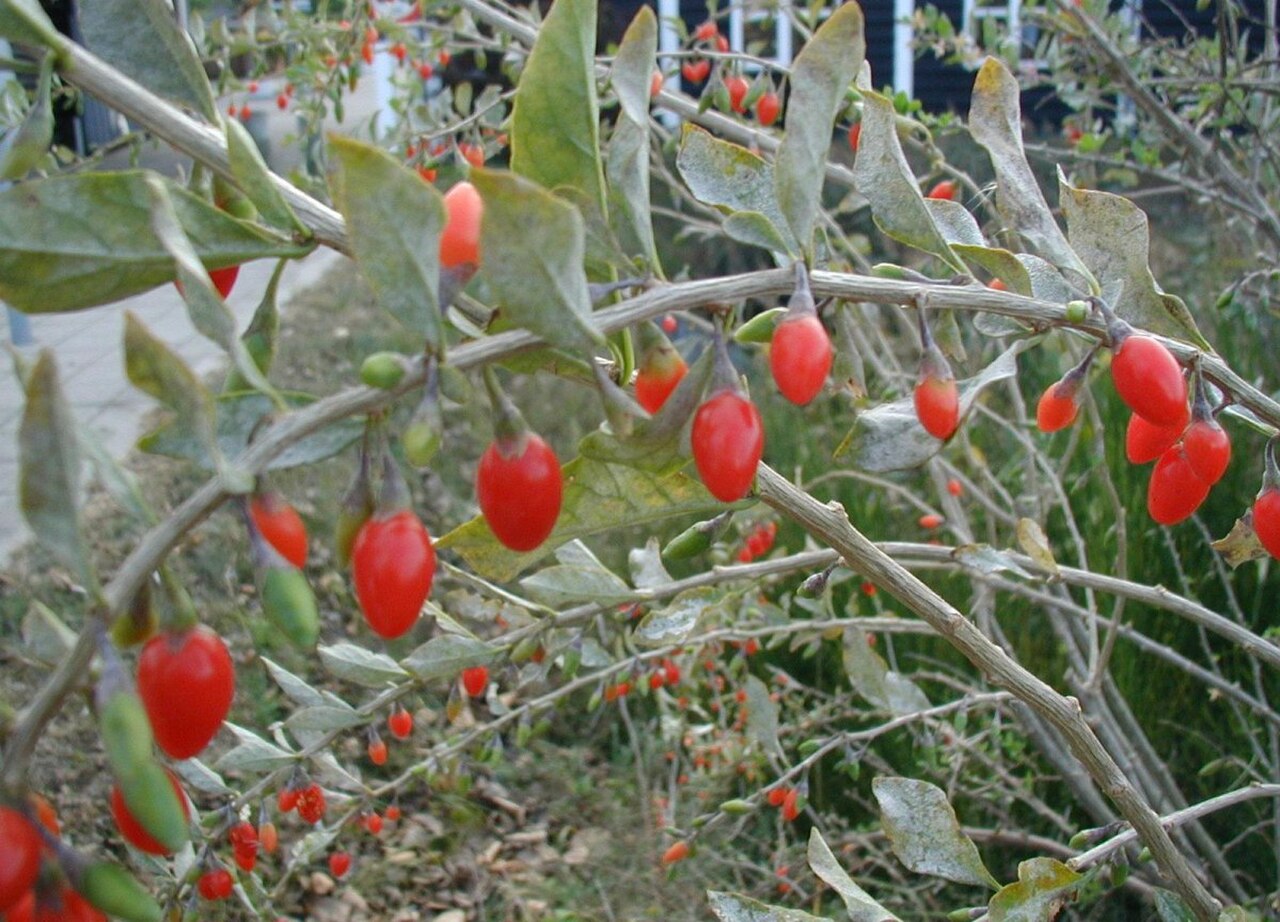
Knives, copper and musical instruments
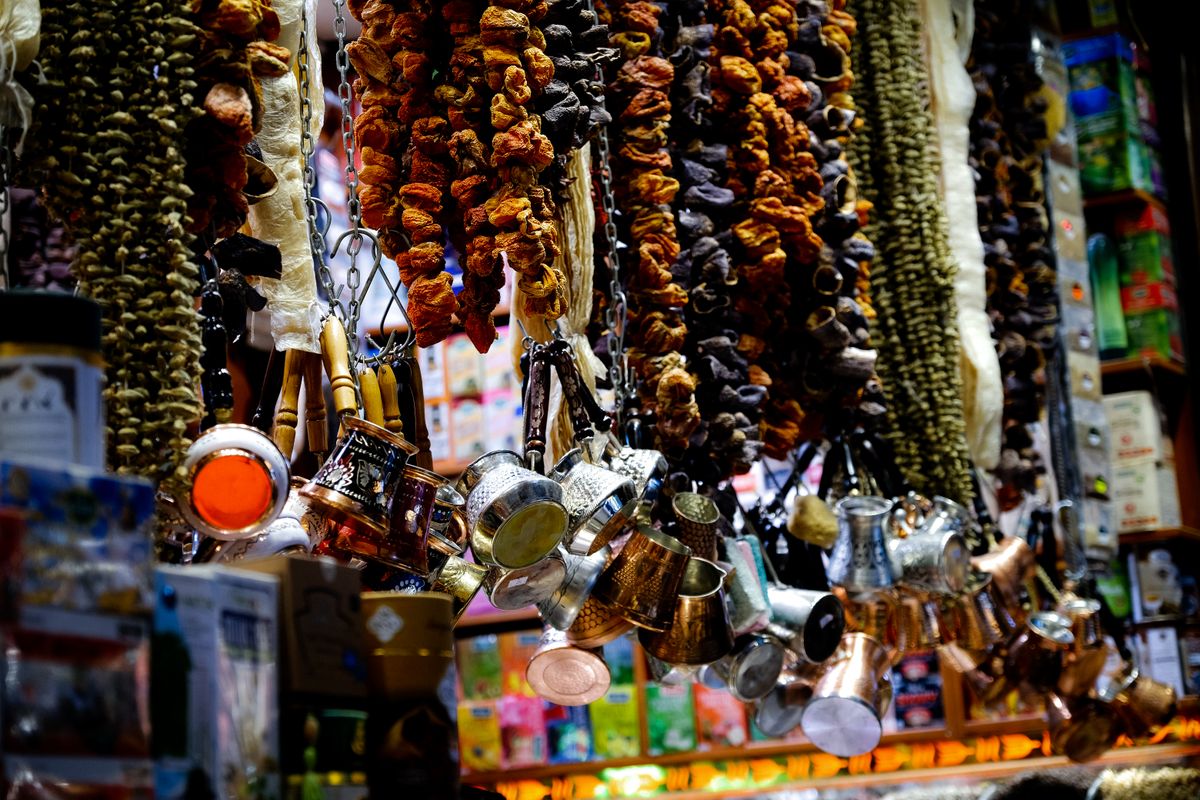
Yingjisha knives are famous, but remember: you cannot fly with a blade in carry-on, and many countries restrict them in checked bags too. Admire them, photograph them, and consider a small decorative one shipped separately if you must.
Tea, spices and small edibles
Xinjiang’s brick tea and milk-tea blends travel well, as do jars of local honey from the Ili valleys and bags of cumin, saffron, and dried chilli that cost a tenth of Western prices. These are my go-to gifts: they are light, fragrant, and unmistakably local. Buy loose from a spice row rather than a pre-packed gift tin to get both the better price and the better quality.
| Item | Typical price | Best place |
|---|---|---|
| Doppa (embroidered cap) | ¥20–60 | Kashgar, any bazaar |
| Dried apricots (1 kg) | ¥30–50 | Turpan, Hotan |
| Atlas silk scarf | ¥80–200 | Kashgar, Yining |
| Small felt rug | ¥300+ | Country co-ops, not airports |
Jade: The One Purchase That Needs Caution
Hotan jade (Hetian yu) is the exception to the “everything here is a safe buy” rule. Real nephrite from the rivers near Hotan is genuinely valuable, and the market is thick with dyed quartz, glass, and imported stone sold with confident nonsense. I am not saying avoid it — a good piece is a lifetime object — but treat it differently from a bag of raisins.
How to buy without getting burned
Shop in established stores with a fixed address, not a blanket on the ground. Ask for a certificate (many reputable dealers provide one), pay by a method that leaves a record, and if the sum is large, bring a local guide or a knowledgeable friend to vet it. The morning jade market in Hotan is atmospheric and worth visiting even as a looker; just keep your wallet closed unless you are certain. A fair rule of thumb: if a “bargain” boulder is offered at a price that feels too good, it is.
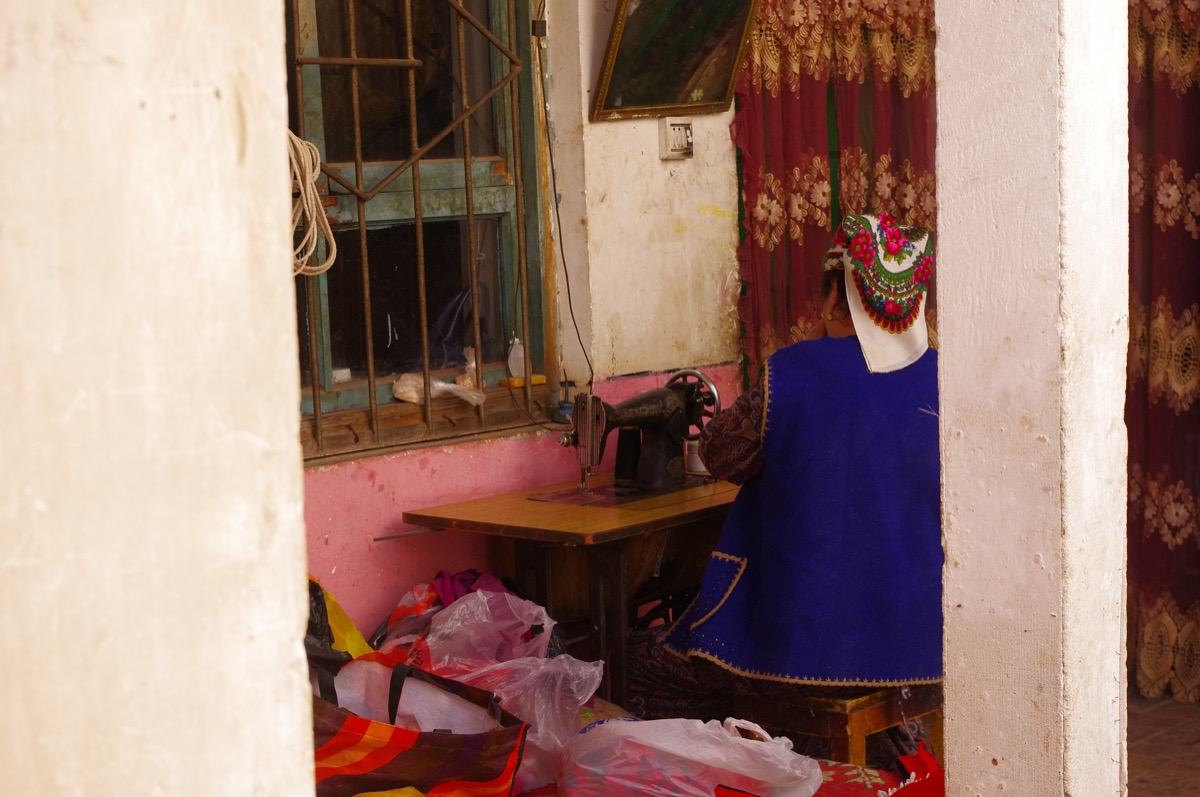
Where to Shop: Bazaars vs Malls
The weekly bazaars are the soul of Xinjiang shopping, but modern malls and government-run tourist markets are easier for fixed prices and packing. Each has a role. In a bazaar you get atmosphere, negotiation, and oddities you will never see in a mall; in a fixed-price market you get receipts, shipping desks, and the comfort of a return. I use both: bazaars for the experience and the one-off find, malls for anything I need to post home intact.
| Market | Style | Good for |
|---|---|---|
| Kashgar Sunday Bazaar | Massive, chaotic, weekly | Livestock, tools, textiles |
| Urumqi Grand Bazaar | Tourist-friendly, fixed-ish | Dried fruit, nuts, gifts |
| Hotan jade market | Specialist, mornings | Jade (know your stuff) |
| Local grocery streets | Everyday, cheap | Spices, snacks, tea |
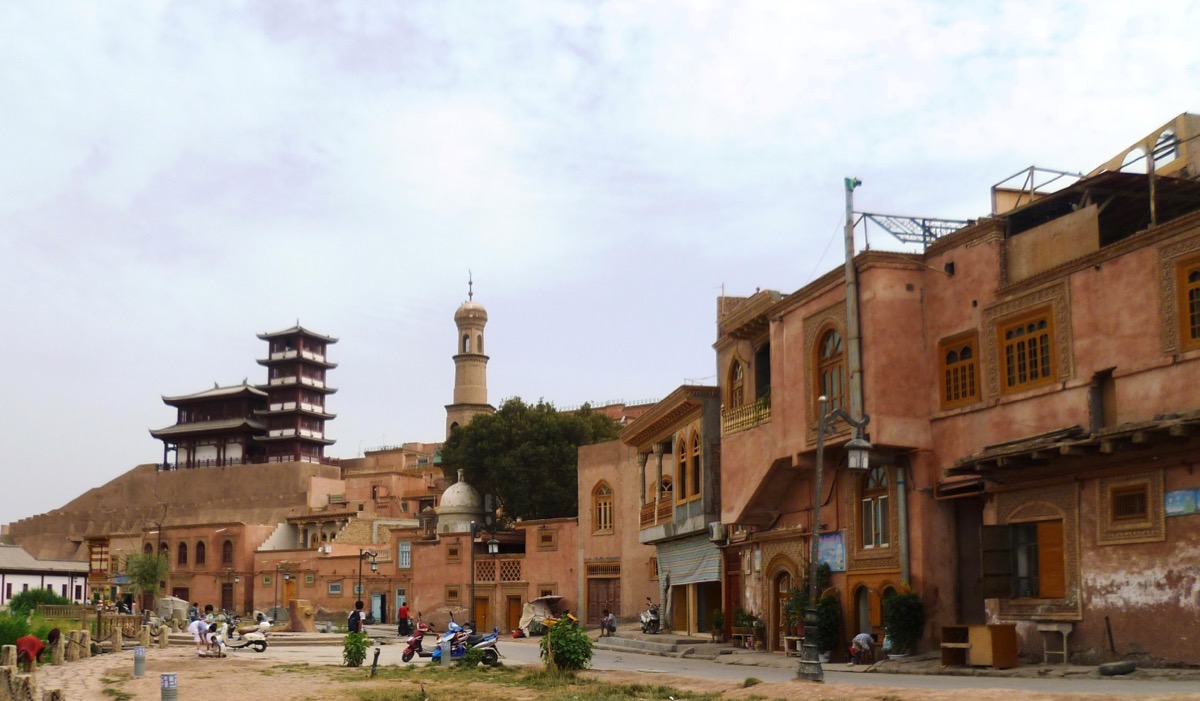
For the two biggest and best-known markets, start with our guides to the Kashgar Sunday Bazaar and the Urumqi Grand Bazaar. If Kashgar is on your route, read our Kashgar Old City guide, and plan the season with our Best Time to Visit Xinjiang guide.
How Bargaining Really Works
Bargaining is not confrontation here; it is a social ritual. Vendors expect it, and a price quoted to a foreigner is almost never the floor. Start at roughly half the ask for souvenirs, settle around 60–70%, and walk away once or twice — the seller will often call you back. Keep it warm, share a laugh, and you will often get the better price plus a story.
Body language matters more than words. A relaxed posture, genuine interest in the craft, and a friendly back-and-forth signal that you are playing the game rather than trying to win it. Cash helps — many small stalls prefer it and will shave a little off for notes over a card. And never start haggling unless you are prepared to buy; opening negotiations you have no intent to close is poor form and wears out the goodwill that makes the next stall friendlier.
Reading the room
If a price is handwritten on a tag in a proper shop, it is usually fixed. If it is yelled across a carpet pile, it is negotiable. Markets with mostly local shoppers (not tour buses) give the most honest starting points.
A number trick that works
Show your offer on a calculator or phone rather than saying it aloud — it removes the language barrier and the performative shock. Nod, smile, and let the screen do the talking. When the seller types back a counter, you are in a real negotiation, and meeting in the middle usually ends it happily for both sides.
Shipping and Customs
China Post and private couriers ship worldwide from every city. For heavy or fragile items, ask the shop to pack and dispatch it — they do this daily. Check your home country’s rules on food and wood products before mailing dried fruit or a wooden carving, as some are restricted.
The habit that has saved me the most money is buying in two passes. The first walk is looking only; the second, next morning, is buying what I still wanted after a full night of thinking about it. Bazaar prices barely move between the two visits, but the gap between impulse and intention is where most of the overspend in this region disappears.
Frequently Asked Questions
Can I bargain at the Urumqi Grand Bazaar?
Some stalls have fixed tags, but many souvenir sellers still negotiate, especially if you are buying several items. Ask “youhui ma?” (any discount?) and smile.
What is the easiest souvenir to carry home?
Dried fruit, nuts, and a doppa cap. All are light, durable, and survive a week in a backpack without trouble.
Are the weekly bazaars worth it if I don’t speak Chinese?
Absolutely. Pointing, a calculator app, and a laugh cross the language gap. The Sunday bazaar in Kashgar is a spectacle even if you buy nothing.
How do I avoid fakes?
Buy jade and carpets from established shops, not roadside tents. Ask for a receipt and, for big purchases, a local guide’s opinion.
Can I ship a rug home?
Yes — most carpet sellers arrange courier shipping. Get tracking and confirm your address in both English and Chinese characters.
Is it better to buy in a big city or a small town?
Small-town markets are cheaper and more authentic but lack packaging and shipping help. Big-city bazaars cost a little more yet make posting home and card payment easy. I buy snacks and caps upcountry and save fragile, shippable items for Urumqi or Kashgar, where the logistics are smoother.