Xinjiang Goji Berries: The Red Jewels of Jinghe and How to Eat Them on the Road
I first noticed Xinjiang goji berries the way most travelers do: a small bowl of red jewels parked next to the tea at a roadside motel, free with the room. Then I saw them in porridge, in polov, in the hands of old men pacing the morning market, and finally piled knee-high in the drying yards of Jinghe. Xinjiang goji — properly lycium barbarum, called gouqi in Chinese — is not a health-store fad here. It is a local crop with a thousand-year pedigree, and the berries from Jinghe County are widely considered the plumpest and sweetest in the country.
What Makes Xinjiang Goji Special
Goji grows across northwest China, but Xinjiang’s version benefits from extreme day-night temperature swings, intense sunlight, and low pest pressure. The berries are larger, softer, and noticeably sweeter than the sometimes-tough Ningxia batches. In Jinghe, the “goji capital,” whole villages turn red at harvest, and the dried fruit is shipped across China and beyond.
Fresh vs dried
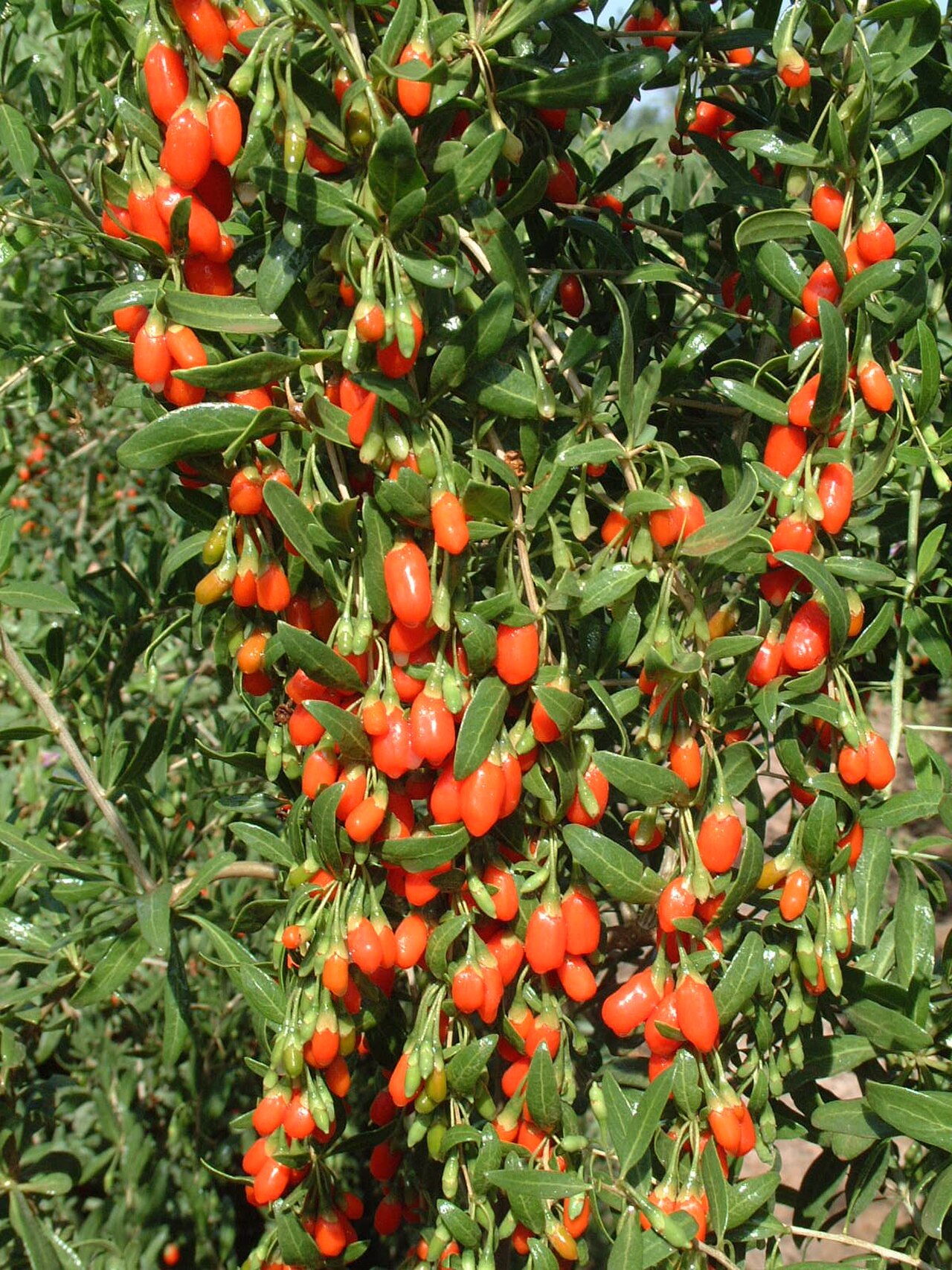
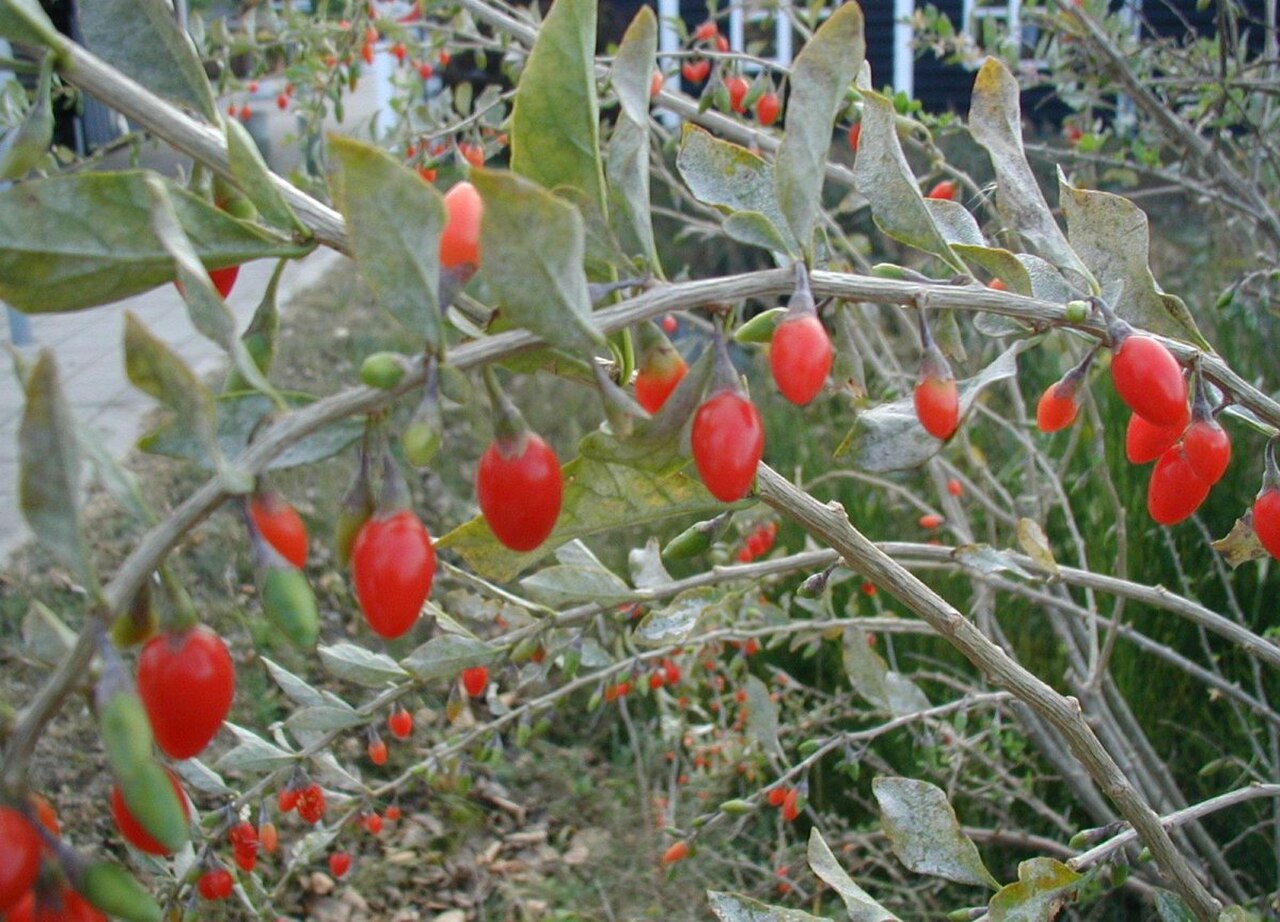
Most travelers only meet the dried berry, but in late summer you can find fresh goji — translucent orange-red, faintly tart, almost like a tiny tomato. Dried is the year-round staple; fresh is a short-lived treat worth timing a trip around.
Jinghe County, on the northern rim of the Tarim Basin, is the headline name, but good goji also comes from the oasis belts around Aksu and from pockets of the Ili Valley. The common factor is heat and dryness: berries that ripen slowly under intense sun concentrate sugar and color without rotting, which is why Xinjiang goji rarely needs the sugar-coated treatment you see on lesser exports. When a vendor tells you their goji is “Jinghe,” they mean the benchmark, not necessarily the literal town — and in practice the regional berries are all worth buying.
How Locals Actually Eat Goji
| Form | How it is used | Where to find it |
|---|---|---|
| Dried, by the handful | Snacked plain or with nuts | Markets, bus stations |
| In porridge | Simmered into rice or millet congee | Hotels, home kitchens |
| In polov | Added for color and mild sweetness | Ili, Urumqi restaurants |
| As tea | Steeped with chrysanthemum or red date | Everywhere in winter |
| As wine / juice | Fermented or pressed | Jinghe, specialty shops |
Goji in the Savory Kitchen
Western readers know goji as a “superfood” sprinkled on smoothies, but in Xinjiang it is a normal cooking ingredient. A spoonful in polov softens the rice’s edge and adds a wine-dark tint. It goes into chicken soup, into the sticky red-date tea served to guests, and — my favorite discovery — into a lightly sweet-and-sour lamb stew that tasted nothing like the health-food version back home.
If you cook, the move is simple: rinse a tablespoon, add it in the last ten minutes of any rice or soup, and let it plump. It will not overpower the dish the way dried cranberry can.
Goji in Drinks and Desserts
Where goji truly belongs in daily Xinjiang life is the cup. The classic combination is goji with red dates (hongzao) and chrysanthemum, steeped in hot water and refilled all afternoon — a drink that is sweet, faintly floral, and drunk by the thermos in offices and guest rooms alike. In winter it becomes a remedy: goji, dates, and a slice of ginger simmered into a warming tea that grandmothers press on anyone with a cough. Beyond the cup, goji thickens congee into something faintly pink and sweet, and it is folded into steamed pear desserts and the sticky eight-treasure rice served at weddings.
Try the eight-treasure version
If you are offered “ba bao fan” (eight-treasure rice), eat the red specks first — that is the goji, and it is the best part. It is the one dessert where the health-food reputation and the actual taste finally agree, and it is a safe, alcohol-free way to join a celebration if you are invited to a local banquet.
Buying Goji Without Getting Ripped Off
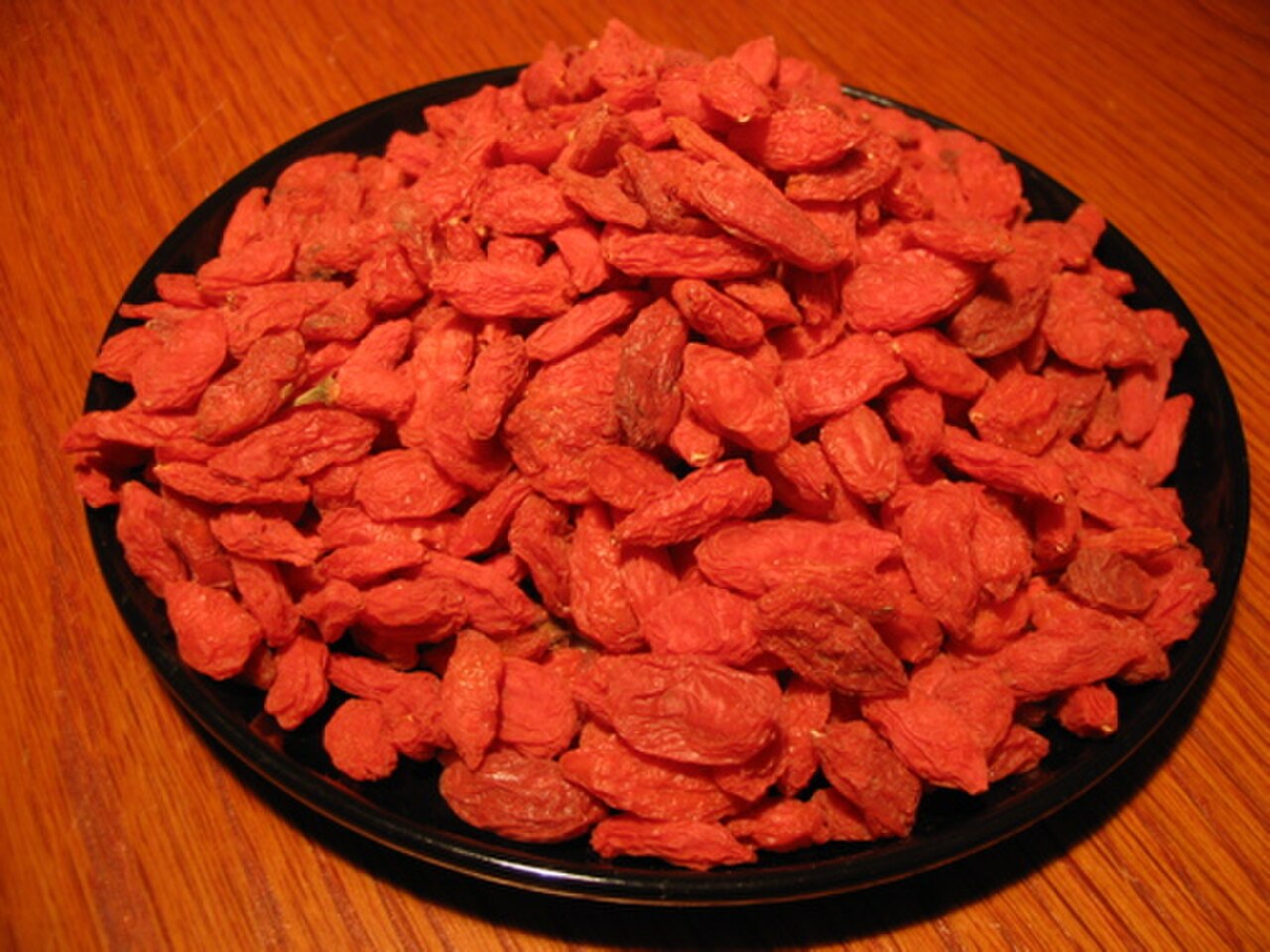
Goji is one of the most adulterated dried goods in China — sulfite-treated berries look unnaturally bright orange, and some are dyed. The regional fruit guide is a good primer on judging dried produce. For goji specifically:
| Sign | Good berry | Avoid |
|---|---|---|
| Color | Muted red, slightly wrinkled | Uniform neon orange |
| Texture | Soft, sticky, pliable | Hard, brittle, dust |
| Smell | Earthy, faintly sweet | Chemical or sour |
| Price | Steady, local | “Too cheap” bulk |
Where to buy
The Jinghe roadside yards are the source, but you can buy honestly anywhere in Xinjiang — Urumqi’s importer halls, Ili markets, and Kashgar bazaars all stock local-dried goji. Buy from a vendor who will let you taste one. The nut and dried-snack stalls usually keep goji in the same bin row.
Bringing Goji Home
Goji travels well: it is light, stable, and tolerated by most customs as a dried fruit (check your own country’s rules on seeds and agriculture). Pack it in a sealed bag inside your luggage, not your hand luggage if liquid-free rules are strict at the airport. A kilo makes a great, cheap gift that actually represents the place you visited.
One caution: only the dried berry travels. Fresh goji is fragile and ferments in a suitcase within a day, so do not try to bring the August fresh fruit home — eat it on the spot instead. For dried goji, buy it vacuum-sealed if you plan a long trip, or transfer loose berries into a zip-lock once the market bag opens. Keep them away from moisture and they will last a year. Most countries allow a reasonable personal amount of dried goji, but if you are carrying several kilos, declare it and keep the receipt — agricultural inspectors are friendlier when you look like a tourist with a snack rather than an importer.
How I Buy and Eat Goji Berries in Xinjiang
Goji berry season in the Xinjiang growing belt runs from late July into September, and the difference between a supermarket jar and a fresh market lot is immediate: fresh berries are soft, slightly chewy, and taste faintly sweet with a green-plant edge, while dried ones go straight to caramel and smoke. In Turpan and around the Korla growing areas I buy from growers rather than middlemen, ask to taste before buying, and prefer the deep red-orange berries over the pale ones. For travelers, the practical use is less about nutrition and more about knowing what you are paying for. I keep a small sealed bag in my jacket pocket on long bus rides, mix the berries into a bowl of Xinjiang yogurt at breakfast, and use them in the last week of a trip as a substitute for snacks I cannot get at altitude. Two things to watch: prices roughly double inside airports, and anything labeled as a supplement rather than food usually carries a medical-sounding claim you should not repeat to your own doctor without checking the source. If you only buy one bag, buy plain, unsweetened, unblended goji from a grower you can watch drying on a rooftop.
Frequently Asked Questions
Is Xinjiang goji different from Ningxia goji?
Yes. Xinjiang berries — especially from Jinghe — are typically larger, softer, and sweeter because of the climate. Ningxia goji is smaller and tarter. Both are real; Xinjiang’s just eats better raw.
Can I eat goji every day while traveling?
In moderation, absolutely. Locals do. It is gentle and familiar. If you are on blood-thinning medication, note that goji can interact — check with your doctor before making it a daily habit.
How do I use goji if I can’t cook?
Eat it straight from the bag like a raisin, or drop a spoonful into the free tea at your hotel. It also upgrades a bowl of plain congee from the breakfast buffet.
Is the bright orange goji safe?
Often it is sulfite-treated to hold color. It is not poisonous, but the muted, slightly wrinkled, naturally red berry is the better and more honest product. Taste before you buy.
When is goji harvest season in Xinjiang?
Late summer to early autumn (August–September) for fresh berries, with drying yards full through October. That is the best window to see — and taste — the real thing.
Does goji count as a nut or a fruit for allergy purposes?
It is a berry, not a tree nut, so most nut-allergic travelers tolerate it. But it is in the nightshade family; if you react to tomatoes or peppers, try a single berry first.