Xinjiang Flaming Mountains Travel Guide
Explore China’s hottest region, experience the mystical mountain range where Sun Wukong borrowed the banana fan three times in Journey to the West, and witness Xinjiang’s unique natural wonders.
The Flaming Mountains stand as one of Xinjiang’s most distinctive tourist attractions. They draw visitors from around the world not only for their extreme climate and unique landscapes but also for the mystique woven by legends from the classic Chinese novel Journey to the West. Known in Uyghur as “Kizil Tagh” (meaning Red Mountain), this mountain range invites you to explore the Xinjiang Flaming Mountains Travel Guide.
I. Overview of Xinjiang’s Flaming Mountains: A Perfect Fusion of Nature and Legend
1. Basic Information
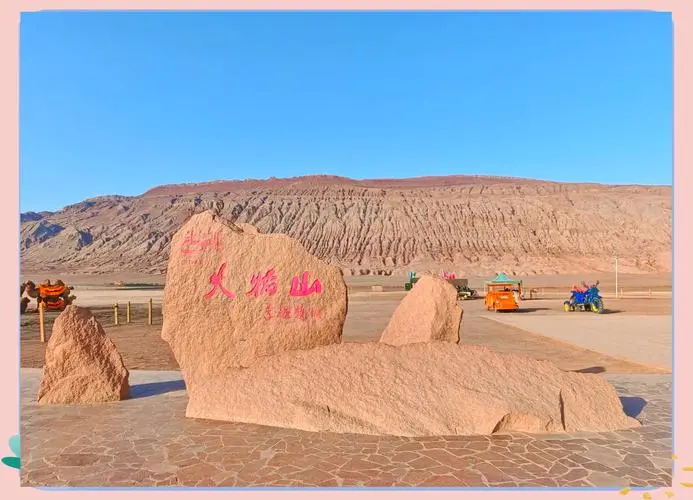
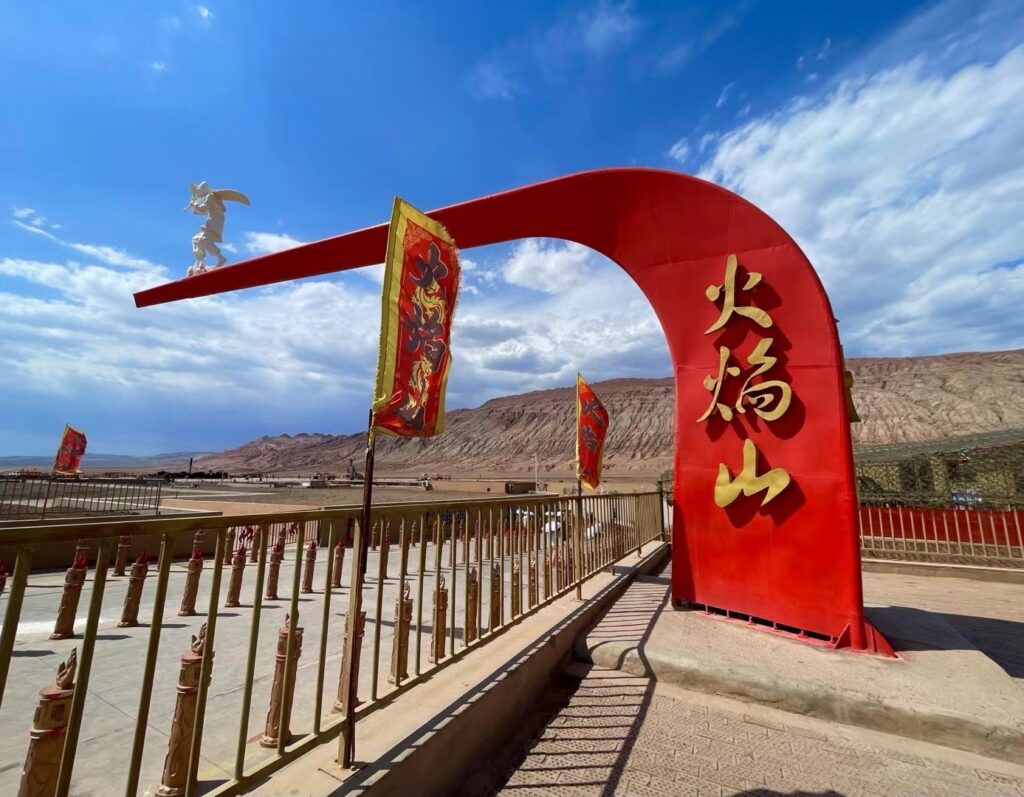
Flame Mountain is located in the central Turpan Basin of Xinjiang, stretching approximately 100 kilometers from east to west. At its widest point, it reaches 10 kilometers across, with an average elevation of about 500 meters and a main peak rising to 831.7 meters. This mountain range is primarily composed of Jurassic, Cretaceous, and Tertiary red sandstone, conglomerate, and mudstone. Barren and devoid of vegetation, the bedrock lies exposed across its surface.
Flame Mountain is China’s hottest location, with summer temperatures peaking at 47.8°C (121.6°F), while surface temperatures can exceed 70°C (158.6°F). These extreme climatic conditions render Flame Mountain a unique natural wonder unparalleled worldwide.
2. Historical Development
Flame Mountain formed during the Himalayan orogeny some 50 to 60 million years ago. Over millennia, countless fold belts created by lateral crustal movements, combined with wind and rain erosion, sculpted the mountain’s undulating peaks and crisscrossing ravines.
Historical records trace Flame Mountain back centuries. The Tang Dynasty frontier poet Cen Shen wrote in “Passing Through the Volcano”: At last I behold the Volcano, Rising abruptly east of Puchang. Scarlet flames scorch the barbarian clouds, Fiery vapors steam the frontier skies.” Wu Cheng’en of the Ming Dynasty further immortalized the mountain in Journey to the West, recounting how Tang Sanzang was blocked by the Flaming Mountains and Sun Wukong’s three attempts to borrow the fan of the banana tree, cementing the Flaming Mountains’ fame throughout the land.
II. Major Attractions and Experiences at Xinjiang’s Flaming Mountains
1. Underground Scenic Area
The Flaming Mountain scenic area comprises both underground and above-ground sections. The underground area spans 9,000 square meters and features multiple themed exhibition zones:
The Journey to the West Cultural Corridor serves as the main entrance to the underground palace. This 50-meter-long, 6-meter-wide passage is adorned with 24 relief sculptures depicting scenes from Journey to the West, vividly recreating the arduous journey of the Tang Monk and his disciples to retrieve Buddhist scriptures from the Western Heavens.
The Geography and Culture Hall presents Flaming Mountain’s topography through a miniature sand model. Surrounding walls feature murals and inscribed reliefs systematically introducing the customs, traditions, and geographical culture of the Turpan region.
The Gaochang Historical Figures Hall displays 14 sculptures honoring individuals who contributed to Gaochang’s history, including King Juboya of the Gaochang Kingdom and the Tang Dynasty monk Xuanzang.
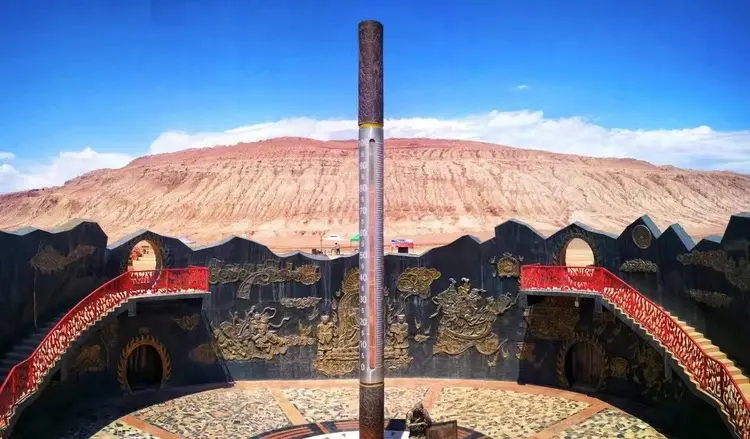
The giant thermometer “Golden Monkey Staff” stands as Flaming Mountain’s iconic landmark. Measuring 0.65 meters in diameter and 12 meters in height, it accurately measures surface and air temperatures up to 100 degrees Celsius and holds a Guinness World Record.
2. Surface Landscape Area
Emerging from the underground palace onto the surface, visitors immediately feel as if trapped in a furnace, their bodies scorched by intense heat. The surface landscape area primarily includes:
Under direct sunlight, the main peak of Flaming Mountain appears like a rolling wave of heat, its ochre-red slopes resembling surging flames. The crisscrossing folds on its surface, illuminated by the sun, further evoke the image of raging fire.
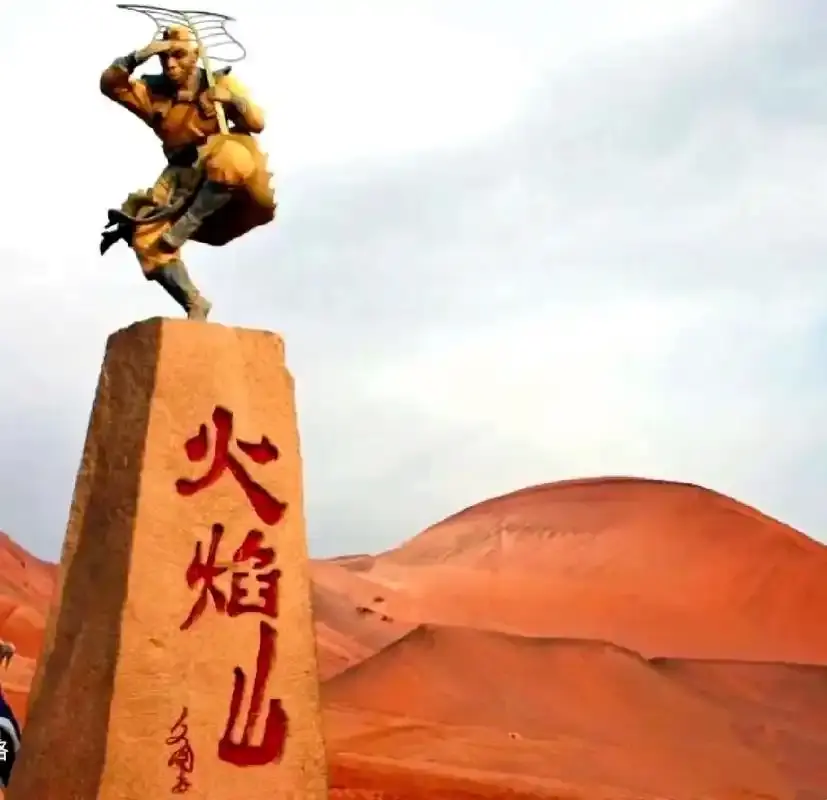
Sculptures of characters from Journey to the West, including large bronze statues of Sun Wukong, Princess Iron Fan, and Bull Demon King, depict the mythical tale of Tang Sanzang’s journey through the Flaming Mountains and Sun Wukong’s three borrowings of the fan from Princess Iron Fan.
The Horse-Tying Pillar and Footstone lie 10 kilometers southwest of Shengjin Township, Turpan City. Legend holds that Tang Sanzang once tethered his White Dragon Horse to the stone pillar during his journey to the West.
3. Unique Experiential Activities
The Flaming Mountain scenic area offers diverse experiential activities:
The VR “Flying Over Flaming Mountain” experience hall allows visitors to witness the mountain’s majestic grandeur through modern technology.
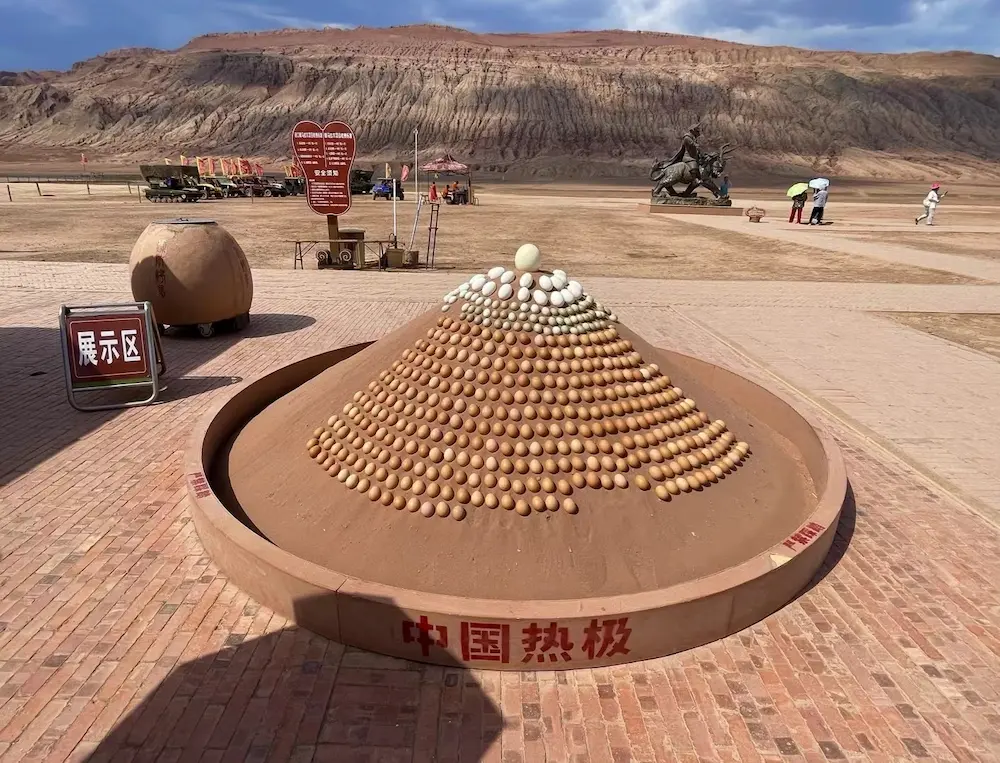
Sand-baked eggs are a signature Flame Mountain experience. When surface temperatures exceed 70°C, piping-hot sand pits are used to cook eggs, ready to eat in about 40 minutes.
Soaring over the mountain in a powered hang glider for a bird’s-eye view of its breathtaking scenery offers another unforgettable adventure.
III. Practical Travel Information
1. Admission Fees and Opening Hours
The admission fee for the Flaming Mountain Scenic Area is 40 RMB per adult. Discount policies include:
– Seniors aged 60-69 and minors between 1.2 and 1.5 meters in height may purchase half-price tickets.
– Children under 1.2 meters tall, active-duty military personnel with valid officer IDs, and seniors aged 70 and above with valid identification may enter free of charge.
Opening hours vary by season, typically 10:00–19:00. Please refer to the scenic area’s daily announcements for specific times.
2. Best Seasons to Visit
Flame Mountain is accessible year-round, each season offering distinct experiences:
Spring (March–May)
Moderate temperatures make this an ideal time to visit. Participate in the scenic area’s “Chasing Spring at Flaming Mountain” series of activities, including spring outings, flower viewing, poetry recitals, and kite flying.
Summer (June-August)
This is the hottest time at Flaming Mountain and the prime season to experience “China’s Hottest Spot.” Feel the extreme climate and try unique activities like baking eggs in sand pits.
Autumn (September–October)
Temperatures gradually cool, offering pleasant weather while you savor Turpan’s diverse array of sweet, succulent fruits.
Winter (November–February)
With fewer visitors, enjoy tranquil moments appreciating Flaming Mountain’s geological wonders.
3. Transportation Guide
External Transportation:
From Ürümqi: The Flaming Mountains Scenic Area is 183 kilometers from Ürümqi. Travel by car or long-distance bus.
From Turpan: The scenic area is 10-30 kilometers east of Turpan City. Take a shuttle bus from Turpan Bus Station; the journey takes about 30 minutes.
Internal Transportation:
Exploration within the scenic area primarily relies on walking.
Certain areas offer electric carts or unique transportation experiences like desert motorcycles.
4. Scenic Area Cuisine
The Flaming Mountains Scenic Area offers diverse Xinjiang specialties:
Yellow Noodle Skewers combine hand-pulled yellow noodles with grilled lamb skewers for a uniquely flavorful Xinjiang ethnic snack.
Sand-Baked Eggs are a Flame Mountain specialty, cooked in sand pits using the earth’s natural heat, offering a unique culinary experience.
Turpan’s raisins, a nationally recognized geographical indication product, come in diverse varieties including seedless white raisins and Hongxiangfei raisins, making excellent souvenirs.
IV. Recommended Tour Routes
1. Classic One-Day Tour Route
Morning: Depart from Turpan city center to Flaming Mountain Scenic Area → Visit underground attractions (Journey to the West Cultural Corridor, Geography & Culture Hall, Gaochang Historical Figures Hall) → View the giant thermometer “Golden Monkey Staff”
Noon: Enjoy specialty lunch within the scenic area → Experience sand-roasted eggs
Afternoon: Explore the surface attractions → View the Journey to the West character sculptures → Admire the main peak of Flaming Mountain → Experience the VR “Flying Over Flaming Mountain”
Evening: Return to Turpan city center and visit other attractions like Jiaohe Ancient City
2. In-Depth Two-Day Experience
Day 1: Comprehensive tour of Flaming Mountain scenic area, including all underground and surface attractions. Overnight stay in Turpan city center to experience local night market cuisine.
Day 2: Visit surrounding attractions like Grape Valley and Thousand Buddha Caves to fully explore Turpan’s natural and cultural landscapes.
V. Travel Tips and Precautions
1. Pre-trip Preparation
Sun Protection & Heat Prevention: Due to extreme temperatures at Flaming Mountain, especially in summer, essential items include sunscreen, sunglasses, sun hats, and heatstroke prevention medication.
Clothing Selection: Opt for lightweight, breathable light-colored clothing and comfortable walking shoes.
Hydration & Moisturization: The Flaming Mountains have a dry climate. Bring ample drinking water and prepare lip balm and moisturizer.
2. Sightseeing Recommendations
Best Time to Visit: Plan visits to ground attractions in the morning or evening to avoid extreme midday heat.
Guided Tours: The complex terrain and similar-looking peaks make it easy to get lost. It is advisable to explore with a guide or staff member.
Cultural Respect: The area is primarily inhabited by the local Uyghur ethnic group. Respect their religious beliefs and customs.
3. Safety Guidelines
Be mindful of heat-related illnesses like heatstroke during hot weather. Seek assistance from park staff immediately if feeling unwell.
Obey park regulations and do not enter restricted areas.
Take care of elderly individuals and children, avoiding prolonged exposure to high temperatures.
4. Photography Tips
Best Photography Spots: The ground plaza offers the optimal vantage point for capturing the main peak of Flaming Mountain, especially during the soft light of dawn or dusk.
Distinctive Landmarks: The giant thermometer, sculptures of characters from Journey to the West, and the horse tethering posts all make excellent photographic subjects.
Equipment Protection: High temperatures may damage photographic equipment. Take protective measures and avoid prolonged exposure to direct sunlight.
Whether you’re an adventurer seeking extreme climates or a culture enthusiast fascinated by the legends of Journey to the West, Flaming Mountain will exceed your expectations. Standing before the Flaming Mountains and gazing upon this mystical land dyed crimson, you’ll witness the perfect fusion of nature’s awe-inspiring power and human cultural imagination. May this guide help you plan a perfect journey to Xinjiang’s Flaming Mountains, leaving you with unforgettable memories on this magical land.