Northern Xinjiang Road Trip: The Ultimate Self-Drive Guide to Lakes, Grasslands & the Altai
Northern Xinjiang Road Trip: The Ultimate Self-Drive Guide to Lakes, Grasslands & the Altai
Last updated: July 15, 2026 · Written by Karl Huang, a Xinjiang travel specialist who has spent time across the region. Practical details are cross-checked against official tourism, transport, and border-regulation sources.
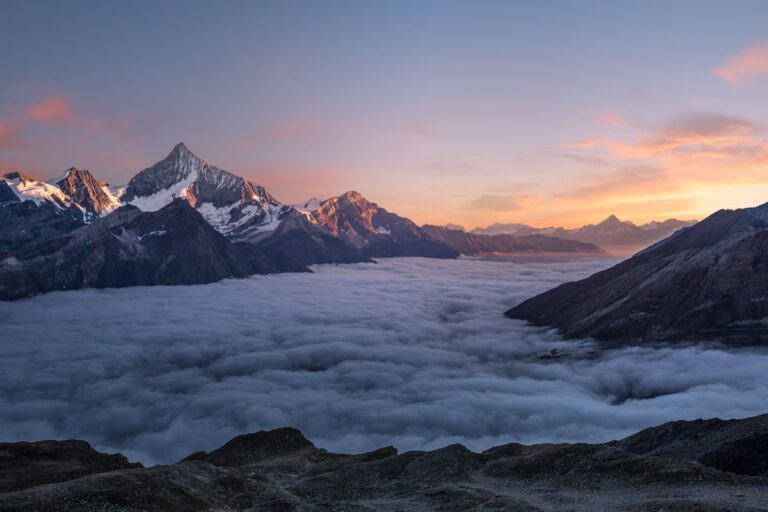
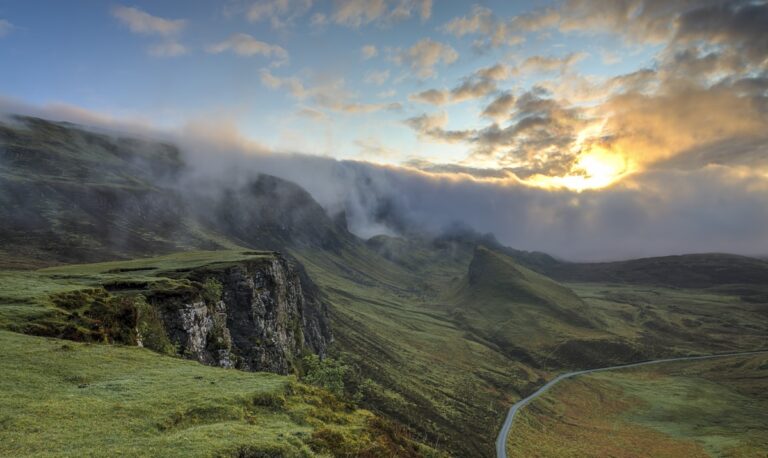
There is no better way to experience Northern Xinjiang than from behind the wheel. This is a land built for the road trip: vast, uncrowded, and impossibly scenic, where a single day’s drive can carry you from a mirror-calm alpine lake, across rolling grasslands where Kazakh herders graze their horses, over a snow-dusted pass, and down into a golden valley of birch forest. The distances are large and the roads, on the whole, are excellent — smooth, well-signed highways connecting the great sights of the north, punctuated by the occasional thrilling mountain switchback. A self-drive gives you what tour buses cannot: the freedom to stop at every viewpoint, chase the light at sunrise and sunset, and follow the empty side road just to see where it goes. This guide covers the classic northern route, the practicalities of driving in Xinjiang as a visitor, and the tips that turn a good trip into a great one.
Why Self-Drive Northern Xinjiang
Northern Xinjiang’s headline attractions — Kanas Lake, Sayram Lake, the Ili Valley grasslands, Hemu Village, the Altai Mountains — are spread across enormous distances, and the joy of the region lies as much in the journey between them as in the destinations themselves. Public transport reaches the main hubs but leaves you dependent on schedules and unable to stop for that perfect photograph. Organised tours move on the operator’s clock, not yours. A rental car, by contrast, unlocks the north’s greatest asset: its scale. You can linger at Sayram Lake until the last light fades, detour down a farm track to a field of sunflowers, or wake before dawn to have a grassland entirely to yourself. For confident drivers, the north’s good roads and dramatic scenery make it one of the most rewarding self-drive regions in all of China.
The Classic Northern Loop
The most popular self-drive route forms a grand loop from Urumqi, taking in the best of the north over 8–12 days. A typical version looks like this:
- Urumqi → Sayram Lake (赛里木湖): A long but scenic first leg west to Xinjiang’s highest and arguably most beautiful alpine lake, framed by snow peaks.
- Sayram Lake → Guozigou Bridge → Yining (伊宁): Descend the spectacular Guozigou (Fruit Valley) via a soaring viaduct into the green Ili Valley and its relaxed capital.
- Yining → Nalati & Kalajun Grasslands (那拉提/喀拉峻): World-class alpine meadows, some of the finest grasslands in the country.
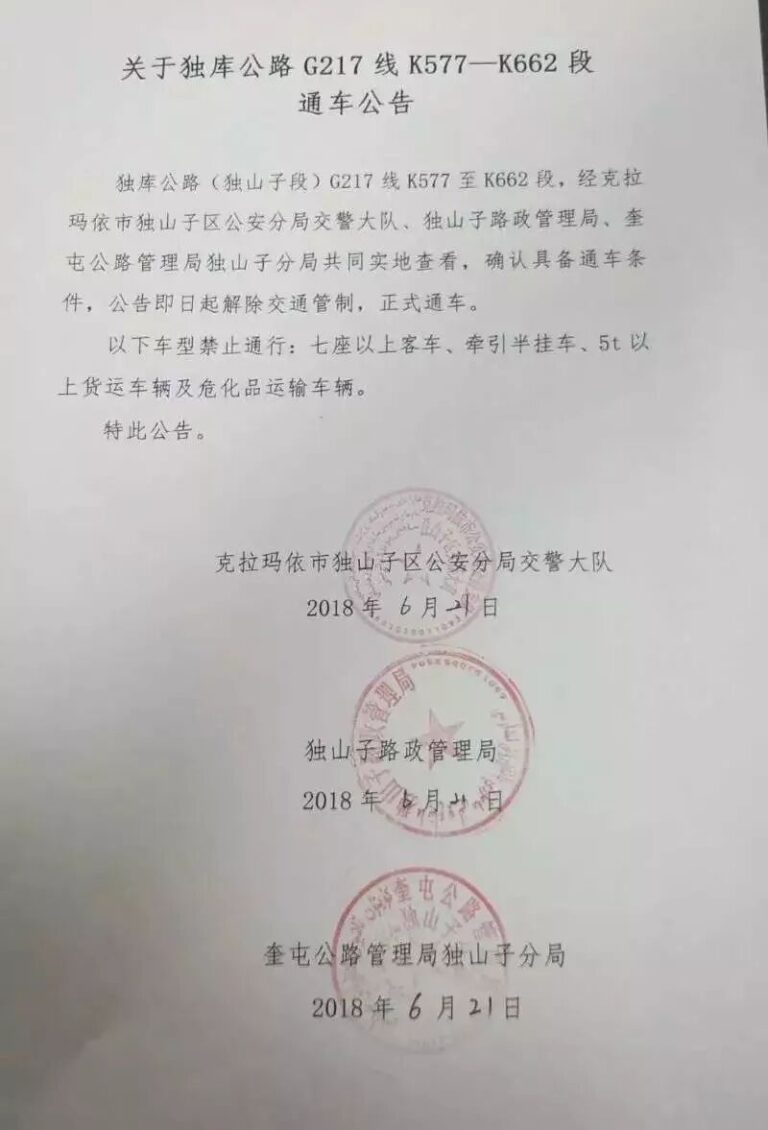
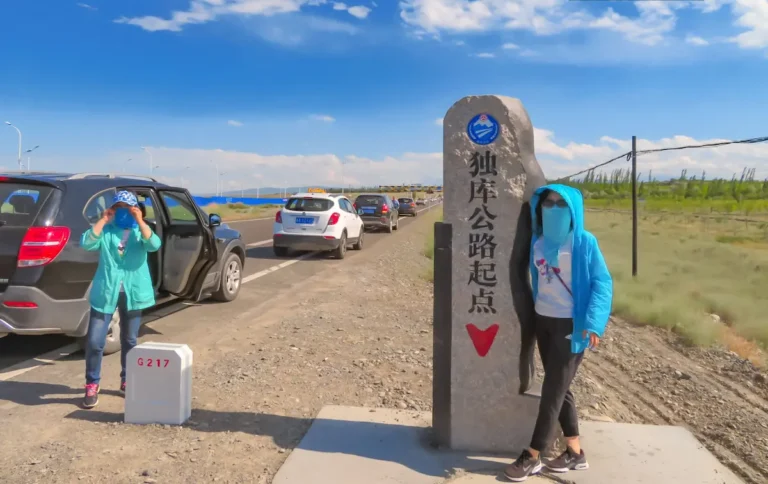
- Ili Valley → Duku Highway (独库公路): Optionally tackle the legendary north–south mountain road, one of China’s greatest drives, toward Bayanbulak.
- Return north → Burqin & the Altai: Head to the far north for the Irtysh River’s Colourful Beach (Wucaitan) and the gateway to Kanas.
- Kanas Lake & Hemu Village (喀纳斯/禾木): The crown jewels of the Altai — a mystical lake and a timeless Tuvan-Kazakh log village.
- Altai → Koktokay (可可托海) → Urumqi: Return via the geological wonderland of Koktokay to close the loop.
Shorter versions focus on just the Ili Valley and Sayram Lake (about 5–6 days) or just the Altai and Kanas (about 5–7 days). The full loop, done at a comfortable pace, is best enjoyed over 10–12 days.
Renting a Car & Driving Practicalities
Renting: Rental agencies are plentiful in Urumqi, including at the airport, and cars can also be picked up in regional hubs like Yining and Altay. To rent and drive in China you generally need a Chinese driving licence or a temporary permit; a foreign or international licence alone is usually not sufficient. Many foreign travellers therefore hire a car with a driver, which combines the flexibility of self-drive with local know-how and removes the licence hurdle. If you do drive yourself, book well ahead in peak summer, when vehicles sell out.
What to rent: For the paved main loop, a comfortable sedan or crossover SUV is fine. If you plan to tackle rough side roads, remote grassland tracks, or the more adventurous approaches to Hemu and Kanas, a higher-clearance SUV or 4WD is worth the extra cost. Check the region’s requirements before committing to any off-highway routes.
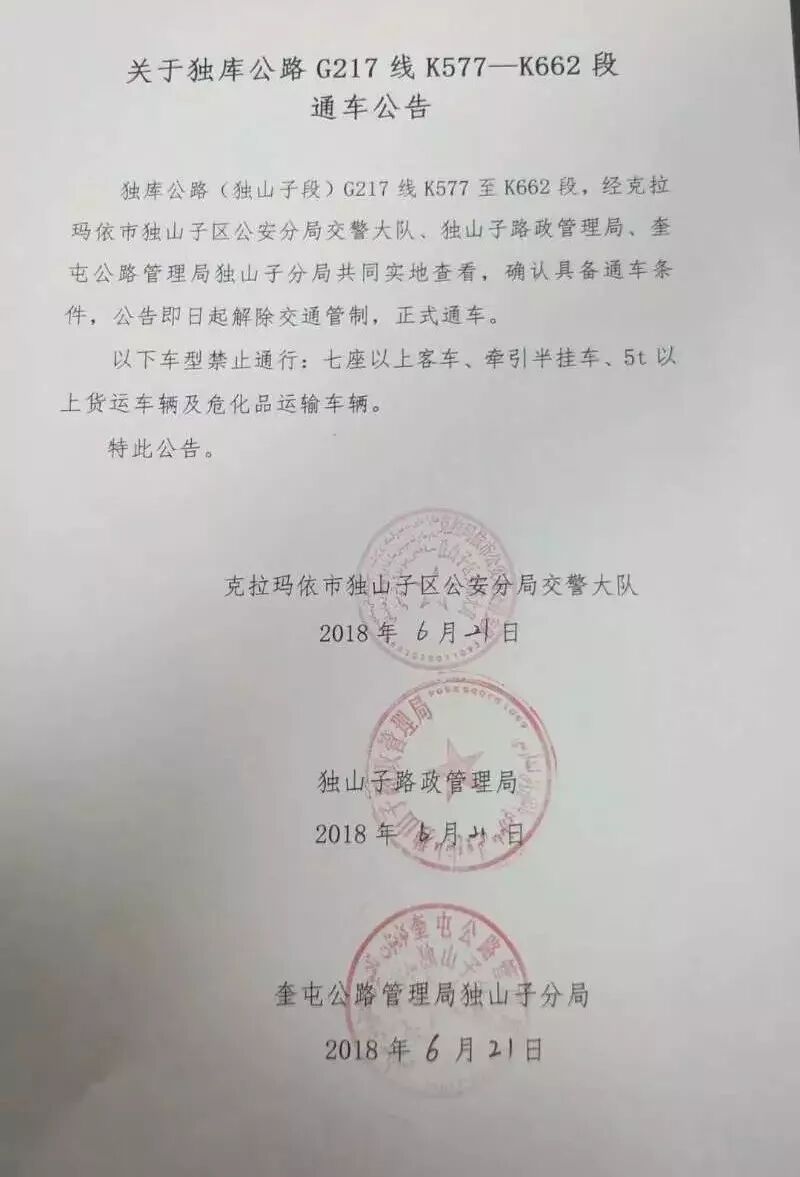
Roads and conditions: Main highways are modern and well-maintained. Mountain roads like the Duku Highway are paved but winding, with steep drops and seasonal snow — they typically open only from roughly June to October. Always check current road and weather conditions locally before setting out on high passes.
Fuel: This is important in Xinjiang. Petrol stations often sit within security compounds, and drivers may be required to fill up while passengers disembark and pass through a checkpoint. Stations can be far apart on remote stretches, so fill up whenever you can rather than waiting until the tank is low. Keep your ID/passport handy, as it is frequently required to purchase fuel.
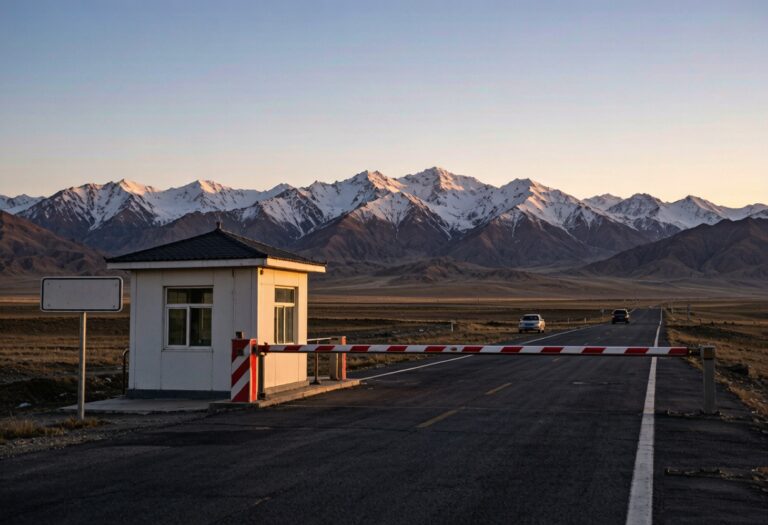
Checkpoints: Security checkpoints are a routine part of driving in Xinjiang. Carry your passport and permits at all times, cooperate politely, and build a little extra time into your schedule for them. They are generally straightforward for prepared travellers.
Best Time for the Drive
The prime season is June through September. June and July bring the grasslands to their greenest and the wildflowers to full bloom. Late September is spectacular in the Altai, when the birch and larch forests of Kanas and Hemu turn brilliant gold — many consider this the single most beautiful time to drive the north. High mountain roads such as the Duku Highway are only reliably open in these months. Winter transforms the region into a snowbound wonderland but closes many routes and is only for well-prepared cold-weather drivers. Whatever the month, mountain weather changes fast, so start high-altitude legs early in the day.
Driving Highlights Not to Miss
Sayram Lake shoreline drive: A road rings this high alpine lake, offering a constantly changing panorama of blue water and white peaks. Circumnavigate it slowly and stop often.
Guozigou (Fruit Valley) viaduct: The descent from Sayram into the Ili Valley crosses one of China’s most photographed bridges, sweeping through a green mountain gorge.
The Duku Highway: If you have the time and nerve, this legendary 560-km north–south route across the Tianshan packs glaciers, canyons, grasslands, and hairpin passes into one unforgettable drive.
Colourful Beach (Wucaitan) near Burqin: The eroded riverbanks of the Irtysh glow red, gold, and green at sunset — an easy and rewarding stop en route to the Altai.
The road into Hemu: The approach to this log-cabin village winds through birch forest and offers the classic overlook of the valley wreathed in morning mist.
Where to Stay & Break the Journey
Planning your overnight stops is half the art of a good northern road trip. Sayram Lake has lakeside yurt camps and guesthouses that let you catch both sunset and sunrise over the water — a far better experience than passing through. The Ili Valley hub of Yining makes a comfortable base with a good range of hotels, restaurants, and fuel, and it is the logical launch point for the grassland legs. At Nalati and Kalajun, grassland resorts and yurt stays put you close to the meadows for early-morning light. In the Altai, the town of Burqin is the practical staging post for Kanas, while staying inside the Kanas scenic area or in Hemu village itself — in a traditional log cabin — is the atmospheric splurge that rewards early risers with mist-filled valleys. Koktokay has simple hotels for the final leg back toward Urumqi. As a rule, mix one or two “experience” stays (yurts, log cabins, lakesides) with practical town hotels where you can refuel, resupply, and get a proper shower.
Sample 10-Day Driving Schedule
To turn the loop into a concrete plan, here is a comfortable 10-day version that keeps daily driving reasonable:
- Day 1: Urumqi → Sayram Lake (overnight lakeside)
- Day 2: Sayram Lake → Guozigou → Yining (explore the Ili Valley)
- Day 3: Yining → Nalati Grassland
- Day 4: Nalati → Kalajun → back toward Yining or northward
- Day 5: Long transfer day north toward Burqin/the Altai
- Day 6: Burqin → Colourful Beach → Kanas Lake
- Day 7: Kanas Lake & the Three Bays
- Day 8: Kanas → Hemu Village (overnight in a log cabin)
- Day 9: Hemu → Koktokay
- Day 10: Koktokay → Urumqi (close the loop)
Those with only a week can drop the Altai and focus on Sayram, the Ili Valley, and the Duku Highway; those with two weeks can add rest days, deeper grassland exploration, or a southern extension. Build in at least one buffer day for weather and the occasional slow checkpoint.
Self-Drive Tips for Northern Xinjiang
- Fill up early and often: Fuel logistics are the biggest practical challenge. Never pass a station with a low tank on remote legs, and keep your ID ready.
- Carry your documents everywhere: Passport, permits, and driving papers should always be within reach for checkpoints and fuel purchases.
- Download offline maps: Signal drops out in the mountains and on the grassland. Offline navigation is essential.
- Start early: Beat the tour buses to the best viewpoints and give yourself margin for checkpoints, weather, and photo stops.
- Respect the distances: Daily legs can exceed 400–500 km. Do not over-schedule; build in buffer days and rest.
- Watch for livestock: Sheep, horses, and cattle wander onto grassland roads. Slow down, especially around blind curves and at dusk.
- Pack for all seasons: You will cross from warm valleys to cold high passes in a day. Carry warm layers, rain gear, sun protection, water, and snacks.
- Consider a driver: If the licensing or fuel-and-checkpoint logistics feel daunting, hiring a car with a local driver preserves most of the freedom while removing the friction. See our car rental guide for details.
- Book accommodation ahead in summer: Kanas, Hemu, and the Ili grasslands fill up in July–August; reserve rooms or yurts in advance.
- Keep an emergency kit: Carry a basic tool kit, a tyre-repair or spare, a first-aid kit, a power bank, extra water and food, and warm blankets. Help can be hours away on remote stretches, so a little self-sufficiency goes a long way.
- Mind scenic-area rules: Some core zones — including parts of Kanas and Hemu — do not allow private cars beyond a certain point, requiring you to park and transfer to official shuttles. Check the rules for each site so you are not caught out.
Before you go
A Northern Xinjiang road trip is one of the last great driving adventures in China — a journey through a region so vast and beautiful that the drive itself becomes the destination. From the blue expanse of Sayram Lake to the golden birch forests of the Altai, from the flower-strewn grasslands of Ili to the switchbacks of the Duku Highway, every day on the road delivers a new landscape and a new sense of freedom. Prepare for the practicalities — the fuel stops, the checkpoints, the long distances — and the north will reward you with the trip of a lifetime. Fuel up, set out early, and let the open road of the far northwest do the rest.