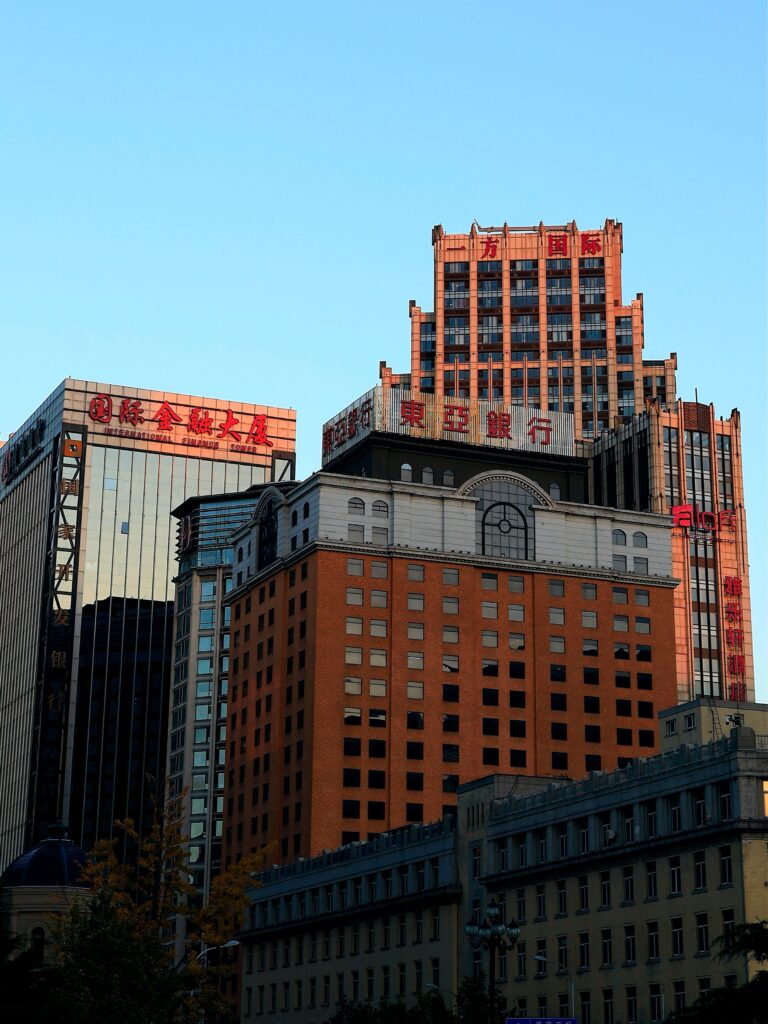
Nanjing Travel Guide: History, Highlights and Where to Stay
Nanjing has been the capital of China more than once, and it carries more history than almost any city in the country — imperial tombs, the longest surviving city wall, and the memorial to the 1937 massacre, which is the most difficult and most important hour you will spend anywhere in China. It is ninety minutes from Shanghai and it deserves a day more than people usually give it.
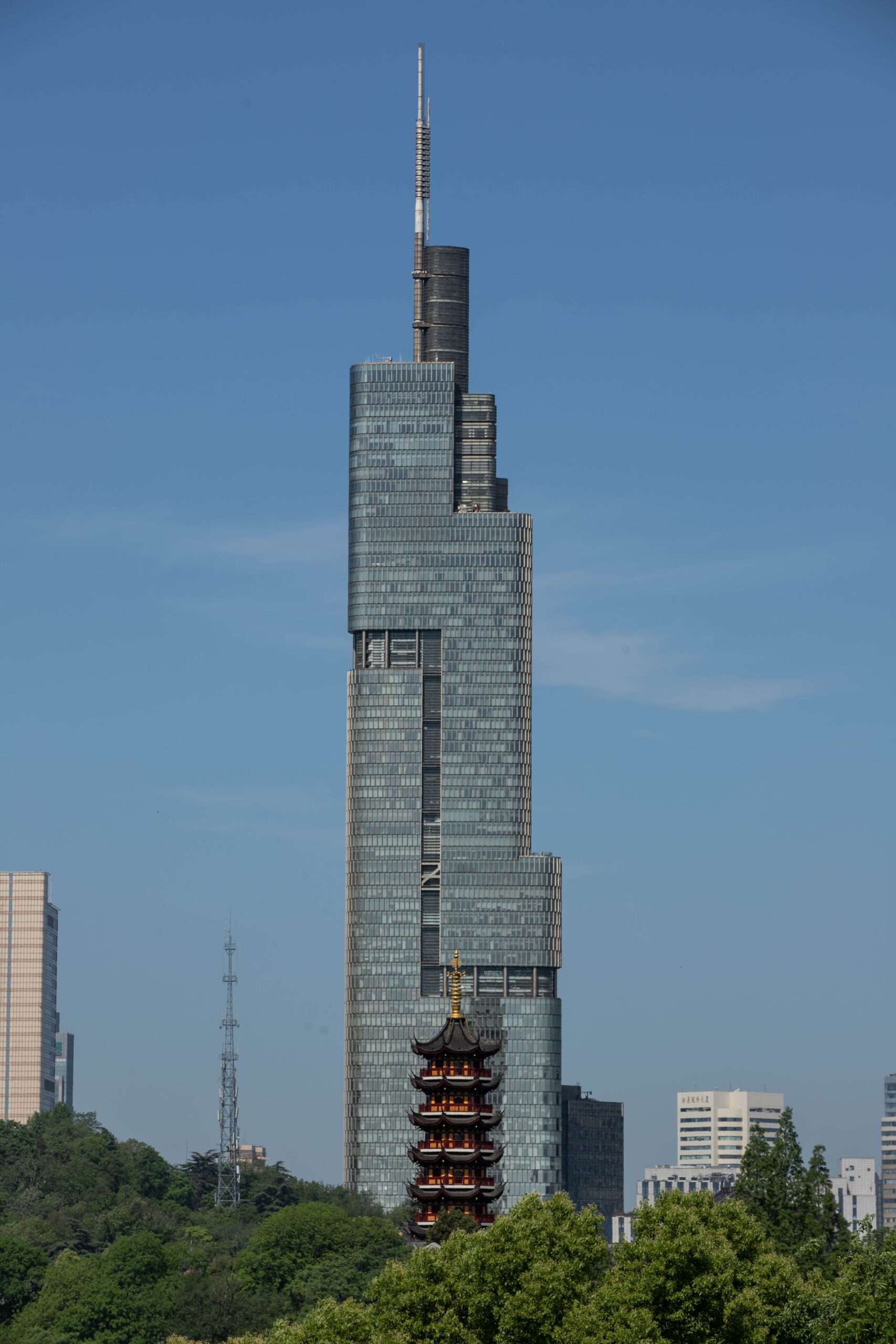
Why Visit Nanjing
Nanjing (南京) earns its place among China’s essential stops because the southern capital of six dynasties, with imperial tombs and a solemn modern memory.
Nanjing is a big, green, unhurried city with a wide river, tree-lined avenues and a genuinely heavy historical weight. It is more provincial-capital than international, which is part of its appeal: the sights are not crowded by Shanghai standards and the pace is slower.
The Story Behind Nanjing
Six dynasties capitaled Nanjing before the Ming made it their capital in 1368 and built the wall and the imperial tomb that survive today. The Ming moved to Beijing in the early fifteenth century, but Nanjing kept its status. In the nineteenth century it became the capital of the Taiping Heavenly Kingdom, in 1912 of the Republic, and in 1927 again — the Sun Yat-sen Mausoleum and the Presidential Palace belong to that last period. In December 1937 the city fell to Japanese forces and roughly 300,000 people were killed in the massacre that followed.
Top Things to Do in Nanjing
The Nanjing Massacre Memorial
Built on a mass grave from 1937, with the skeletal remains preserved under glass and a documentary record that is unflinching. Free, and it will take more out of you than any other sight in the city. Go in the morning and leave time afterwards.
Sun Yat-sen Mausoleum
A long staircase up the side of Purple Mountain to the tomb of the founder of the Republic, with a view back over the city. Free, but book the timed entry; it is popular.
Ming Xiaoling Mausoleum
The tomb of the first Ming emperor, approached along a spirit way of stone animals that is one of the finest in China. Part of the UNESCO listing for the Ming imperial tombs, and much quieter than Beijing’s equivalents.
The City Wall
The longest surviving city wall in China — built in the fourteenth century, in brick rather than earth. The restored sections near the lake are walkable for kilometres, which is the best orientation in Nanjing.
The Presidential Palace
The Republic-era complex: offices, gardens and the rooms where the twentieth century was decided, layered over an earlier Qing governor’s residence. Allow two hours.
The Qinhuai River and Confucius Temple
The old entertainment quarter along the river: rebuilt but atmospheric, best in the evening with the lanterns on, and the place for Nanjing snacks.
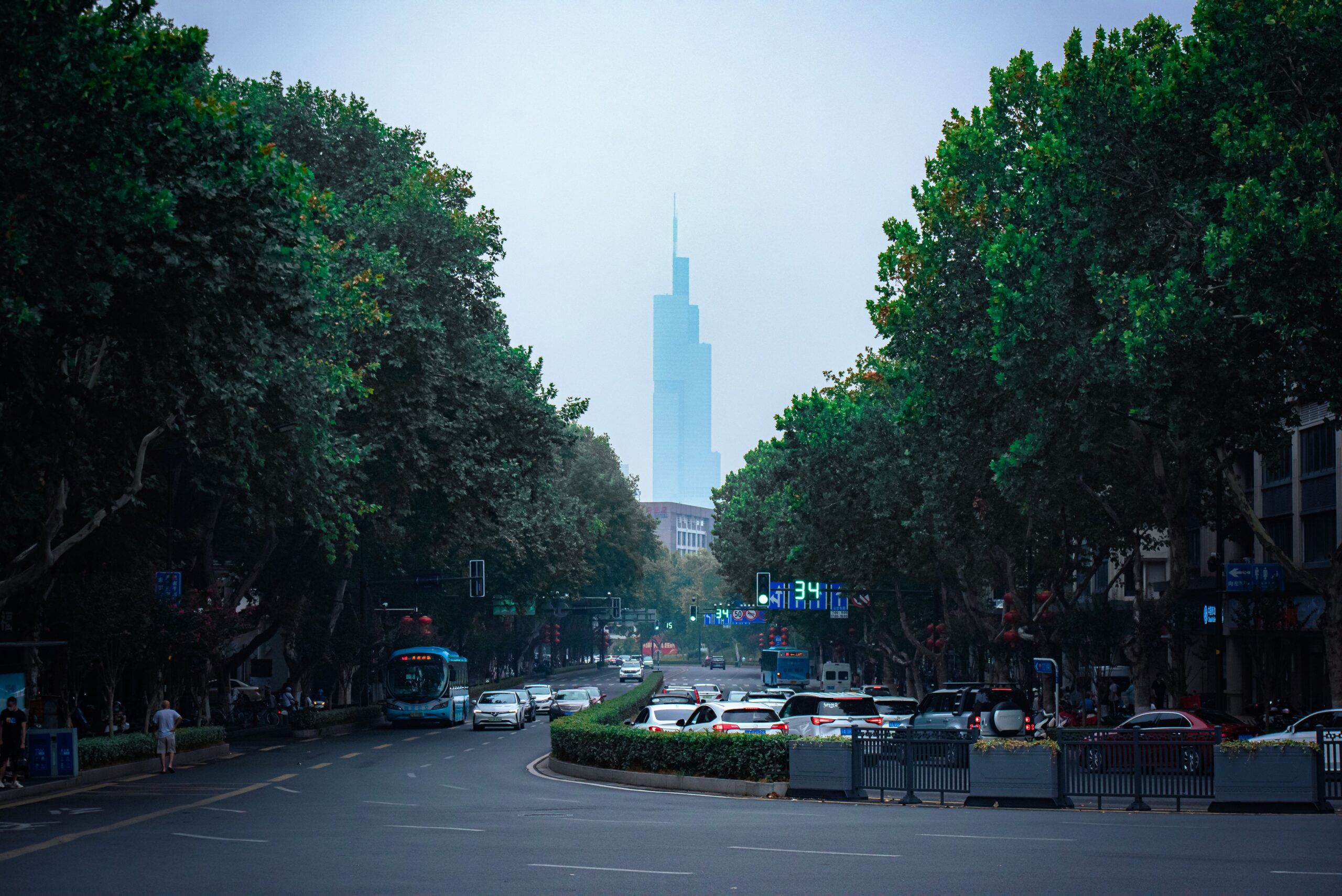
Best Time to Visit Nanjing
March to May and September to November. Nanjing is one of the traditional ‘furnace’ cities — July and August are brutally hot — and winter is cold and damp. Spring, when the city’s avenues come out, is the classic season.
At a Glance
| Detail | Information |
|---|---|
| Best season | Mar–May, Sep–Nov |
| Airport | Lukou (NKG) |
| Must-see | Ming Tomb, City Wall |
| Local dish | Nanjing salt duck |
| Rail to Shanghai | ~1.5 hours |
| UNESCO | Ming imperial tombs |
Getting to Nanjing
Nanjing Lukou (NKG) handles domestic and some international flights; Metro Line S1 reaches the centre in about 40 minutes. On the rail network, high-speed trains reach Shanghai in 1.5 hours, Hangzhou in 2.5, and Beijing in roughly 4. The city metro is excellent and fully bilingual.
Getting Around Nanjing
Nanjing has a metro network reaching the main sights, and the city is walkable in the centre. High-speed rail puts Shanghai about ninety minutes away and Beijing about four hours. Purple Mountain’s sights are spread out, so taxis or the park shuttle save real time.
What to Eat in Nanjing
Salted duck
The city’s signature: Nanjing salted duck, mild, clean and sliced thin, sold everywhere from shops to restaurants. It is the local answer to Peking duck and far cheaper.
Duck blood and vermicelli soup
The famous local bowl: soup with cubes of set duck blood, vermicelli and offal. Much better than it sounds, and a Nanjing breakfast staple.
Qinhuai snacks
The river quarter does a whole range of small Nanjing dishes — stuffed buns, sesame cakes, sweet rice — best worked through in the evening.
Where to Stay in Nanjing
Xinjiekou and the centre
Central, on the metro, walkable to the Presidential Palace and the old streets. The default base.
Near the Confucius Temple and Qinhuai
Atmospheric in the evening, close to the snacks and the river, noisier at night.
Near Purple Mountain
Quieter and greener, convenient for the mausoleum and the Ming tomb, further from the centre.
A 2-Day Nanjing Itinerary
This 2-day plan covers the core of Nanjing without rushing; if you have less time, take the first day and add the parts of the second that matter most to you.
Day 1 — the twentieth century
The Nanjing Massacre Memorial in the morning, the Presidential Palace after lunch, and the Qinhuai river quarter in the evening for the lanterns and the snacks.
Day 2 — imperial Nanjing
Purple Mountain: the Sun Yat-sen Mausoleum first with its timed entry, then the Ming Xiaoling spirit way. Afternoon on the city wall.
Day Trips from Nanjing
Purple Mountain, properly
Not a day trip from the city so much as a full day within it: the mausoleum, the Ming tomb and the other sites on the mountain in one go.
Yangzhou
About an hour away: classical gardens, the Slender West Lake and a slower pace. Easy half-day or overnight.
Zhenjiang
Thirty minutes by rail, with a temple complex and old streets — a quieter alternative if Yangzhou is busy.
What a Trip to Nanjing Costs
| Item | Indicative cost |
|---|---|
| Nanjing Massacre Memorial | Free |
| Sun Yat-sen Mausoleum | Free — timed reservation required |
| Ming Xiaoling Mausoleum | ¥70 (approx.) |
| Presidential Palace | ¥40 (approx.) |
| City Wall sections | ¥30–50 |
| Mid-range hotel | ¥250–600 per night |
Nanjing is inexpensive: the two heaviest experiences in the city — the massacre memorial and the Sun Yat-sen Mausoleum — are free. Prices quoted are indicative.
Practical Tips for Nanjing
- Visit the massacre memorial in the morning and leave space afterwards; it is genuinely hard going.
- Book the Sun Yat-sen Mausoleum’s timed entry in advance — it is free and therefore booked out.
- Walk a section of the city wall; it is the best view in Nanjing and the least crowded sight in the city.
- Give Purple Mountain a full day rather than fitting it around other things.
- Avoid July and August — the heat is genuinely extreme.
- Come for two days: Nanjing rewards more time than the usual day trip from Shanghai.
Mistakes to Avoid
- Day-tripping from Shanghai and only seeing one sight; the city needs two days.
- Skipping the massacre memorial because it is uncomfortable — it is the most important thing in Nanjing.
- Visiting in July or August, when the heat is punishing.
- Turning up at the mausoleum without a reservation and being turned away.
Is Nanjing Right for You?
Two days. Nanjing suits travellers who want Chinese history with real weight, from the imperial tombs to the twentieth century, and who are prepared for one very difficult hour.
Plan Your Trip
These official and reference sources help you verify opening hours and book ahead:
Frequently Asked Questions
How many days do you need in Nanjing?
Two. One day means choosing between the imperial tombs and the modern history, and both matter.
Is the Nanjing Massacre Memorial appropriate to visit?
It is difficult, and it is the most important sight in the city. Built over a mass grave, it documents the 1937 massacre directly. Go in the morning and allow time afterwards.
Why is Nanjing historically important?
It was the Ming capital before Beijing, the capital of the Republic of China in the 1920s and 1930s, and the site of the 1937 massacre. Few cities carry that much of the Chinese story.
When is the best time to visit?
Spring and autumn. Nanjing is one of China’s ‘three furnaces’ — July and August are extremely hot — and winter is cold and damp.