Xinjiang Felt Carpets: The Kazakh Shyrdak Tradition and Where to Find It
Felt carpets (shyrdak) are the nomadic art of Xinjiang’s Kazakh and Kyrgyz herders. Here’s how they’re made, what the motifs mean, and where to buy.

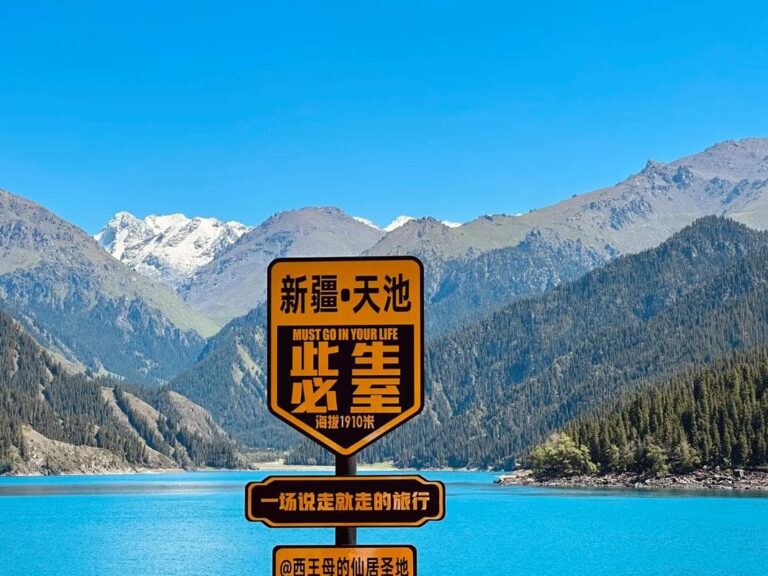
Felt carpets (shyrdak) are the nomadic art of Xinjiang’s Kazakh and Kyrgyz herders. Here’s how they’re made, what the motifs mean, and where to buy.
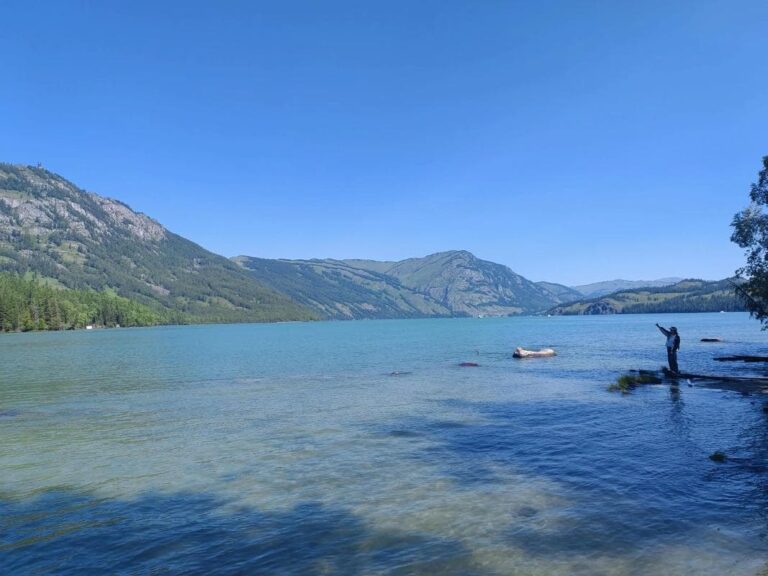
From chunky Uyghur silver to Kazakh zoomorphic pendants, here’s how to spot, price, and buy authentic Xinjiang silver jewelry without getting burned.

A practical Uyghur phrasebook for Xinjiang travelers: greetings, numbers, market, food and navigation phrases, plus a pronunciation cheat sheet.

From atlas silk and Uyghur knives to dried fruit and jade, Xinjiang is a Silk Road shopper’s dream. What’s worth buying and where to find it.
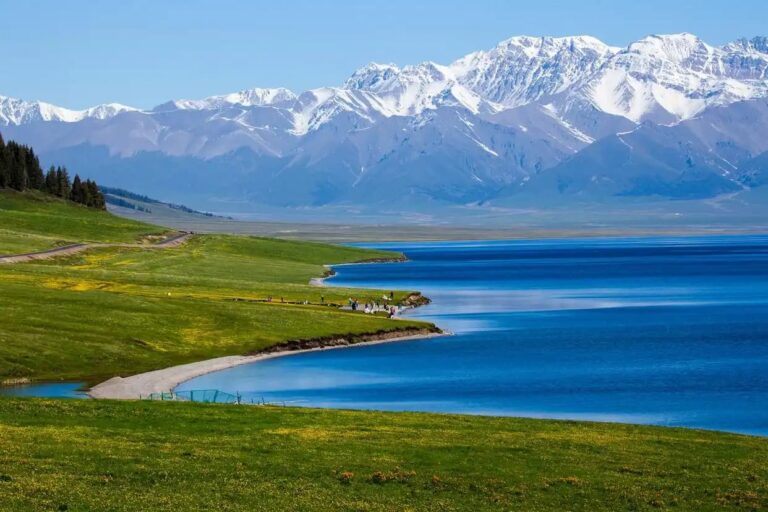
How to travel Xinjiang by train: the Lanzhou–Xinjiang high-speed line, key routes, seat classes, booking apps, and luggage tips for first-time riders.

How to shop Xinjiang’s bazaars without getting burned: where to go, the bargaining rhythm, what’s worth buying, and the etiquette that opens doors.

Xinjiang’s festivals follow two calendars. Learn the Islamic Eid dates, China’s fixed holidays, and how both reshape transport, prices, and what you’ll see.
Xinjiang tea houses are the slow heart of the Silk Road. Where to sit, what to order, how much it costs, and the etiquette that turns a cup into an afternoon.

Dabancheng is a windy Tianshan pass town between Urumqi and Turpan, famous for its giant wind farm and the folk song ‘The Girl from Dabancheng.’

The documents every foreign traveler needs for Xinjiang: passport, visa, border permits, paper photos, offline copies, and insurance before you board.