Xinjiang in Bloom: Apricot Blossoms, Rape Fields and Grassland Wildflowers by Season
I once timed a whole trip around a rumour: that the apricot trees above a Turpan village bloom for barely a week in late March. They did — a froth of white along terraced walls, gone almost before I had finished photographing the first tree. Xinjiang‘s flower calendar is short, intense, and worth building a trip around. Here is the month-by-month version I wish I had started with.
Why Xinjiang‘s blooms are worth a trip
The same scale that makes the Tian Shan mountains feel endless also makes the blooms dramatic. Blossoms here are not tidy park beds; they are whole mountainsides of wildflowers, kilometre-long rape fields, and ancient orchard villages. Because the climate swings hard, the blooming windows are brief — miss them by a fortnight and you miss them entirely.
A month-by-month bloom calendar
| Month | Bloom | Where it peaks |
|---|---|---|
| March–April | Apricot blossom | Turpan, Kuqa, foothill villages |
| April–May | Peach, pear, orchard blossom | Kashgar oasis, Hotan gardens |
| May–June | Poppy, tulip, foothill wildflowers | Ili valley, Yining outskirts |
| June–July | Rape (canola) fields | Zhaosu, Tekes, Ili |
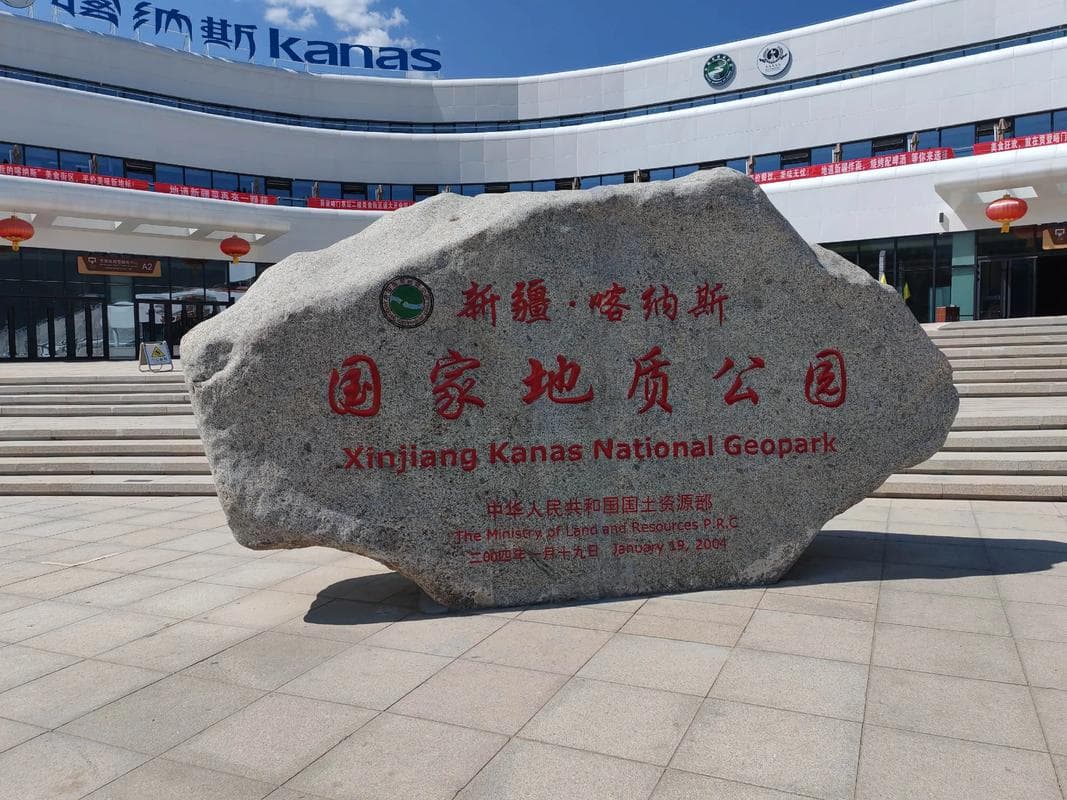
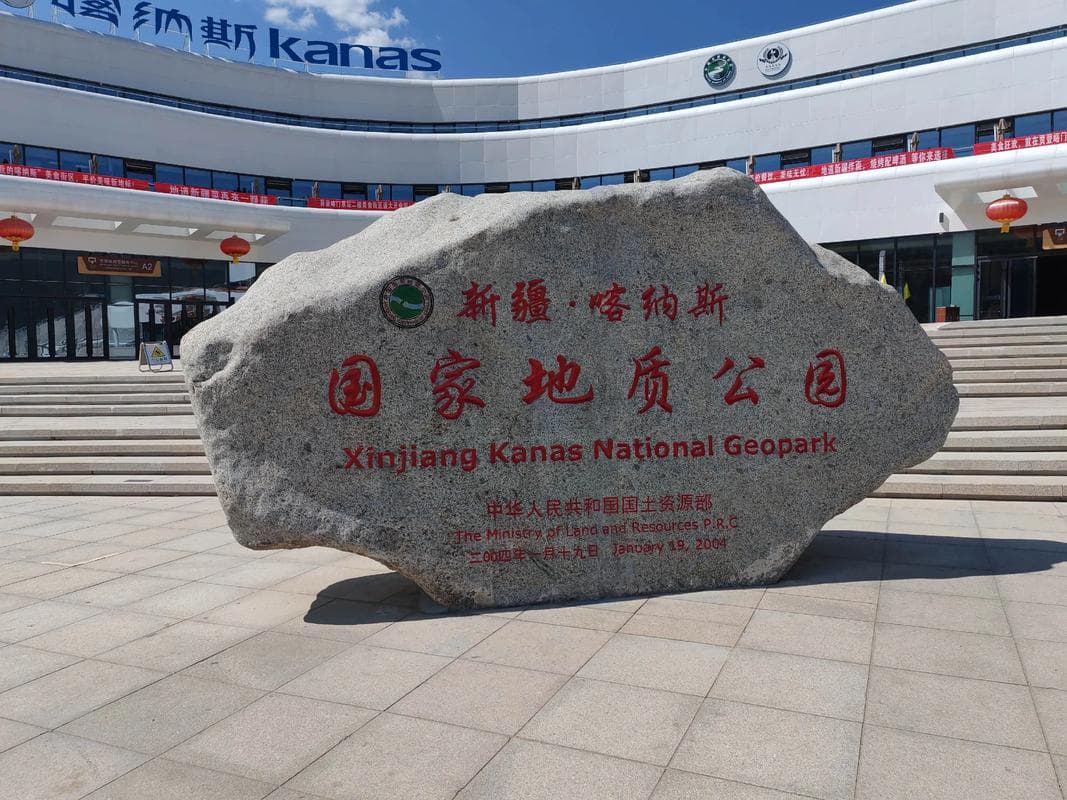
| July–August | Alpine grassland wildflowers | Nalati, Bayinbulak, Kanas meadows |
| September | Autumn colour begins | Kanas, Hemu, poplar stands |
March–April: apricot blossoms
The earliest and most fleeting show. Apricot orchards in the Turpan and Kuqa areas erupt in white for about a week, often while snow still sits on the distant ridges. Local families treat blossom week as a gentle festival — picnics under the trees, no tickets required.
May–June: orchards and foothills
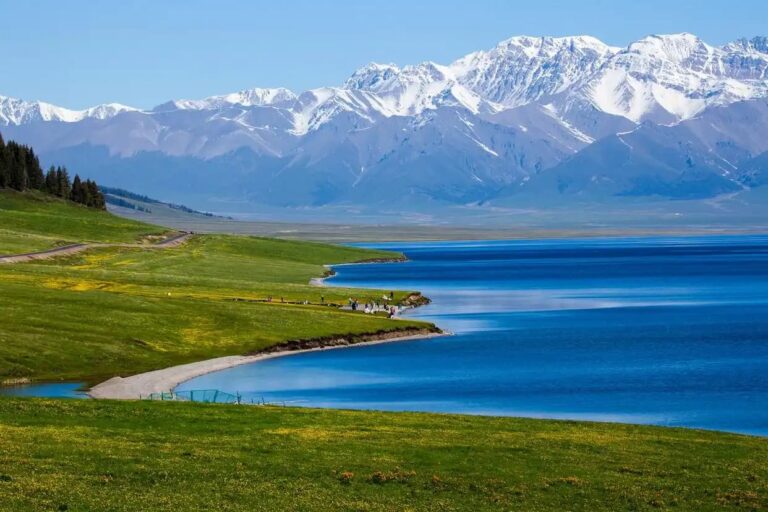
As the low desert blooms fade, the Ili valley and oasis gardens light up with peach, pear, and wild tulips. This is also when roadside verges along the Sayram Lake ring road start filling with colour.
June–July: Zhaosu rape fields
Zhaosu, on the western Ili plateau, plants vast rape (canola) fields that turn the valley solid yellow for several weeks. Against a backdrop of snow peaks it is almost cartoonishly photogenic, and the window is long enough — usually most of July — that you can plan around it with confidence.
July–August: grassland wildflowers
At altitude the meadows explode: Nalati, Bayinbulak, and the Kanas highlands carpet themselves in gentians, delphiniums, and a hundred nameless blooms. This is the easiest flower trip to combine with normal summer travel, because it overlaps with peak grassland season.
Best places to see each bloom
| Bloom | Best spot | Practical tip |
|---|---|---|
| Apricot blossom | Turpan village terraces | Go early March; confirm by asking locals, not forecasts |
| Rape fields | Zhaosu county, Ili | Late June–July; shoot at golden hour for depth |
| Grassland wildflowers | Nalati / Bayinbulak | July–Aug; pair with a grassland stay |
| Alpine meadows | Kanas & Hemu | July–Aug; combine with lake hikes |
Photography and timing tips
After a few failed missions I learned the rules. First, ask locals, not the internet — blossom dates shift with snowmelt and no app predicts them well. Second, shoot at the edges of the day; midday flattens the colour and the altitude glare is brutal. Third, watch the wind in the rape fields — a breeze gives motion that a static shot lacks. Fourth, respect orchards: blossom week is someone’s harvest in miniature, so don’t trample trees for a frame.
Pairing blooms with a route
The smart play is to let the calendar pick your region. Spring? Base in Turpan or Kuqa for apricots, then drift toward Kashgar as the oasis gardens bloom. Summer? Build an Ili loop — Yining, Zhaosu rape, Sayram wildflowers — and if time allows push north to the Kanas meadows. Autumn colour is its own trip entirely and overlaps with the famous poplar season, so keep September for that.
One practical warning: distances in Xinjiang are enormous, and a “short” hop between bloom sites can be a half-day drive. I once planned three blossoms in five days and spent most of it on the Duku Highway instead of photographing anything. Pick one region per trip, go deep, and treat the blooms as the excuse for the landscape rather than the other way around.
Blossom festivals and local events
Several counties now lean into bloom season with low-key festivals — Zhaosu’s canola period draws photography contests and evening performances, while orchard villages around Turpan host blossom picnics anyone can join. These are not the heavily staged events of bigger cities; expect local music, a grill, and children running under the trees. Timing them takes flexibility, because the dates follow the bloom rather than the calendar, but if your trip overlaps one, it is a free and genuine cultural beat.
Weather and what to wear for bloom trips
Bloom sites swing hard between day and night. I have worn a t-shirt at a Zhaosu rape field at noon and needed a puffy jacket by 7 pm when the light got good. Pack a windproof layer regardless of month — the Ili plateau and the grasslands are exposed, and the wind that makes the rape shimmer will chill you fast. Sturdy shoes matter too: meadow and orchard ground is uneven and often damp in spring. A small folding mat turns a blossom picnic from a balancing act into a proper rest.
Responsible blossom-watching
It is tempting to walk into a field for the shot, but working rape and orchard land is someone’s income. Stick to the verges and marked viewpoints, ask before entering private orchards, and never pull branches toward you for a pose — the damage outlasts your photo. The best frames in Xinjiang are almost always from a respectful distance.
When not to come for flowers
Be honest about the trade-off. October is the famous poplar (胡杨) season and draws the biggest crowds and highest prices, but it is a different show from spring blossoms and summer meadows. November through February is effectively dormant — only greenhouse flowers and the occasional warm-spell orchard teaser. If blooms are your priority, target March to August and accept that you are chasing a moving, short-lived target rather than a guaranteed spectacle.
A season by season read
Spring and early summer
Usually late March to mid-April in the Turpan and Kuqa areas, but the window is often just a week. Local word-of-mouth is more reliable than any published date.
Summer
Zhaosu county in the Ili region, which plants enormous canola fields that peak in July and sit beneath snow-capped ranges — the most photographed flower scene in Xinjiang.
Yes. Grassland wildflowers at Nalati, Bayinbulak, and Kanas are reachable independently in summer, and the bloom overlaps with normal high-season travel.
Autumn
Apricot week is quiet and local. The Zhaosu rape fields and grassland blooms draw more visitors in July–August, but nothing like the peak National Day crush in October.
Winter
Layers — blossom sites swing from warm afternoons to cold nights — plus a windproof jacket for the plateau, a polariser for the rape-field glare, and sturdy shoes for meadow walks.