Xinjiang Bazaars and Markets: A Practical Shopping Guide to the Silk Road’s Living Souks
The first time I wandered into a Xinjiang bazaar, I expected a tourist market. What I found was something older and louder: a living Silk Road trading floor where a grandfather haggles over a bolt of Atlas silk next to a teenager selling phone cases, where the smell of roasted walnuts and cumin lamb mixes with the clang of a coppersmith’s hammer. Xinjiang’s markets are not performances for visitors — they are how the region actually does business. This guide is how to walk in, shop well, and not get burned, drawn from markets across Kashgar, Urumqi, Yining, and Hotan.
Why Xinjiang’s Bazaars Are Different
Bazaars (巴扎, bāzhā) in Xinjiang are weekly, not daily. Every town has a set bazaar day — Sunday in Kashgar, but Monday here, Thursday there — when the surrounding villages pour in. On bazaar day the usual quiet square becomes a city of tents, trucks, and livestock pens. The energy is the point. Going on the right day is the difference between a faint echo of a market and the real thing. Ask at your hotel which day is the big one locally, then plan your week around it.
The Kashgar Sunday Bazaar
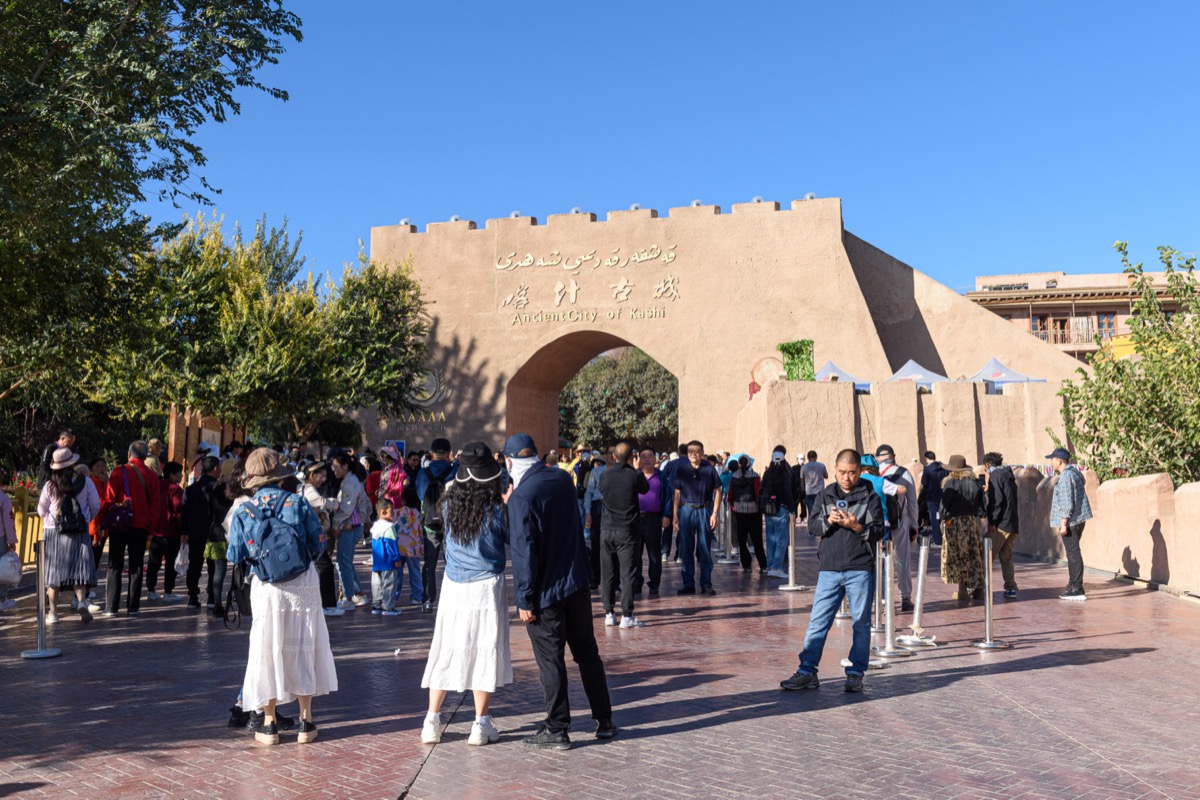
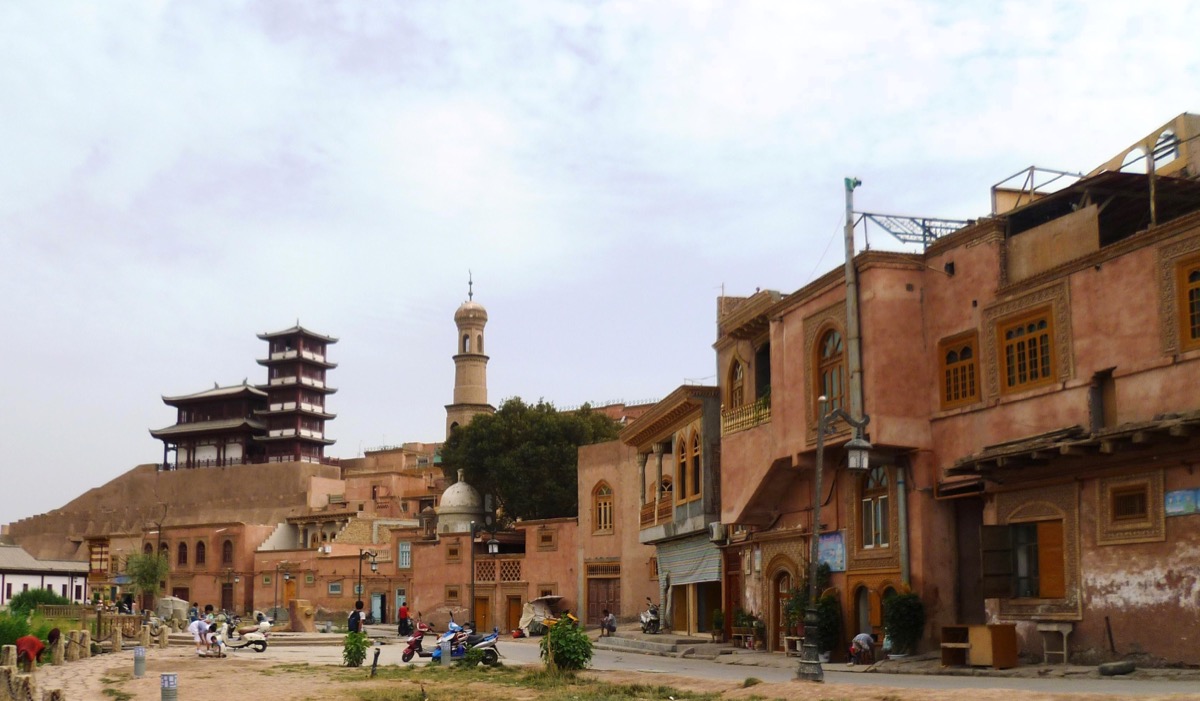
If you do one market in Xinjiang, make it this one. The Kashgar Old City area hosts a daily tourist-friendly market, but the genuine Sunday Bazaar on the city’s edge is the legend: a vast split of an animal market (sheep, goats, the occasional horse and camel) and a general goods market where you can buy everything from donkey saddles to DJ equipment. Arrive by 9 a.m.; by early afternoon the livestock section winds down. This is also a fantastic place to eat — follow the Kashgar food guide for what to hunt down between stalls.
Other Markets Worth the Trip
Urumqi International Grand Bazaar
The most famous and the most polished — a fixed complex near the city center with dried fruit, carpets, knives, and musical instruments. It is touristy, but it is also reliable, clean, and a good first stop to learn prices before you head to rougher markets. Come for the atmosphere and the photo ops; bargain harder elsewhere.
Yining and the Ili Valley Markets
The Ili region’s markets lean Central Asian: honey, horse tack, felt rugs, and a strong Russian/Kazakh influence in the goods. The Sunday market in Yining is busy and authentic, with dairy and preserves you will not see in the south.
Turpan and Hotan
Turpan’s bazaars are heavy on grapes, raisins, and cotton; Hotan’s are famous for jade (see the warning below) and carpets. Each has its own flavor and its own bazaar day, so check locally.
What to Buy
| Item | Where it’s best | Typical price range | Notes |
|---|---|---|---|
| Dried fruit & nuts | Turpan, Urumqi | ¥25–60 / kg | Buy vacuum-sealed for travel; sample first |
| Atlas (Atlasik) silk | Kashgar, Hotan | ¥80–400 / m | Hand-tied ikat; check the back for machine weave |
| Copper & brassware | Kashgar, Yining | ¥50–600 | Teapots and trays; heavy to ship |
| Carpets & felt rugs | Hotan, Ili Valley | ¥300–3,000+ | Knot count = quality; ask the seller |
| Jade (Hetian yu) | Hotan | ¥10–unlikely | Most “jade” is faked; buy only from trusted shops |
How to Spot Quality
A few field tests save money. For Atlas silk, flip the cloth: hand-tied ikat shows slight irregularities and the pattern bleeds through; machine prints look too perfect and feel lighter. For carpets, count knots per inch mentally — denser is better and pricier. For copper, tap it; solid pieces ring, plated ones thud. None of this replaces buying from a seller with a reputation, but it helps you ask the right questions.
How to Bargain Without Being Rude
Bargaining is expected at bazaars but not at supermarkets or fixed-price shops. A simple rhythm works: smile, show genuine interest, offer about half the first price for souvenirs, and meet somewhere in the middle. Walking away is the strongest tool — sellers often call you back. Keep it warm; the performance of haggling is part of the fun for both sides. Cash (small bills) helps in rural markets where card readers are flaky, and a Chinese SIM makes local payment apps possible.
Etiquette and Photography
Ask before photographing people, especially in the livestock pens — a smile and a gesture usually earns a yes, and a small purchase builds goodwill. Don’t block the aisles with your bag, and don’t handle fragile goods (carpets, silk) with dirty hands. Vendors are proud of their wares; a little respect goes further than a hard bargain.
A Sample Bazaar-Day Plan
In Kashgar: arrive at the Sunday Bazaar by 9 a.m., spend two hours in the animal market, drift to the goods market for silk and copper, eat lunch from a stall, then taxi back to the Old City to compare prices in the daily market before buying. In Urumqi: do the Grand Bazaar mid-morning, then the nearby minor electronics and fabric streets in the afternoon.
Seasonality: Timing Your Market Visits
The bazaars run year-round, but what you find changes with the seasons, and so does the mood. Spring (April–May) brings the first melons and a surge of livestock trading as herders move flocks to summer pastures. Autumn (September–October) is the richest time — the grape and fruit harvest floods Turpan’s stalls, and the Ili valleys stockpile honey and preserves. Winter markets are smaller and colder but wonderfully local, with thick felt and wool goods front and center. If your dates are flexible, aim for early autumn: the produce is at its peak and the crowds are manageable compared with the summer tourist rush.
What to Avoid
- Jade scams: Real Hetian jade is expensive and most market “jade” is glass or soapstone. If a deal seems too good, it is.
- Knives: Beautiful Uyghur knives are sold openly but will be confiscated at airport security. Buy one and you will likely lose it at the checkpoint. Skip them.
- Overweight carpets: Shipping a 10 kg rug home costs more than the rug. Factor freight in before you fall in love.
- Cultural items: Some antique or religious objects are restricted from export. When in doubt, ask and keep your receipt.
Straight answers to what visitors ask
What day is the Kashgar Sunday Bazaar?
Sunday — and despite the name, the livestock section is best before noon. The daily Old City market is open every day but is smaller and more tourist-oriented.
Can I pay with card or Alipay?
In Urumqi’s Grand Bazaar, yes, often. In rural weekly bazaars, carry cash. Foreign card acceptance is spotty; a Chinese SIM helps you set up local payment apps.
Is it safe to shop at the bazaars?
Yes. They are family affairs, busy and loud but orderly. Keep an eye on your bag in crowds as you would at any major market anywhere.
How do I ship souvenirs home?
Urumqi and Kashgar have post offices and courier counters (SF Express) that ship internationally. Carpets and copper are heavy; get a quote before buying.
Are prices really negotiable?
For souvenirs and crafts, absolutely — start around half and settle near two-thirds. Fixed-price shops and malls are not. Read the room.
What’s the one thing worth buying?
For most travelers, vacuum-sealed dried apricots and raisins from Turpan, plus a length of Atlas silk, capture the place best and travel easily.