Traditional Wedding Customs in Xinjiang: Uyghur, Kazakh, and Beyond
I have been lucky enough to be invited to more than one wedding in Xinjiang, and what struck me first was the variety — a Uyghur banquet in Kashgar, a Kazakh celebration in a yurt on the Ili grasslands, a Han ceremony in a Urumqi hotel. “Xinjiang wedding” is not one event but many, shaped by ethnicity, religion, and region. This guide walks through the major traditions, what actually happens, and — importantly — how to be a gracious guest if you’re invited.
A Region of Many Weddings
Xinjiang is home to the Uyghur, Kazakh, Kyrgyz, Hui, Han, Mongolian, Tajik, and other communities, each with its own marriage customs. While modern civil registration is uniform, the celebrations layered on top are wonderfully distinct. The through-line is hospitality: a wedding is the ultimate expression of it, and strangers who are politely introduced are often welcomed to at least the public feast.
The Uyghur Wedding Arc
| Stage | Local name | What happens | Typical timing |
|---|---|---|---|
| Match & agreement | Oyla / Körüshüsh | Families meet, bride price (qiz tili) discussed | Weeks before |
| Engagement | Toy | Gifts exchanged, sweets shared | Days to weeks before |
| Henna night | Kina Toyi | Women gather, henna applied to bride | Eve of wedding |
| Nikah & banquet | Toý | Religious rite, then large feast & dancing | Wedding day |
| Newlywed visits | Kelin salom | Bride greeted by groom’s family | Following days |
The henna night
The Kina Toyi is my favourite part to witness: the bride is surrounded by women, intricate henna is applied, and older female relatives sing melancholic songs about leaving home. It is intimate, emotional, and almost always women-only — if you’re a male guest, you’ll experience the banquet, not this.
The feast and the dancing
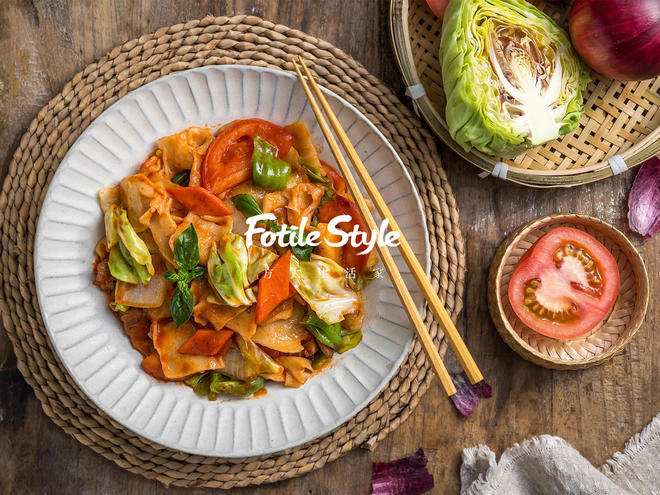
The wedding banquet is where the community shows up. Expect polo (rice with carrot and lamb), hand-pulled noodles, kebabs, and an endless flow of tea. After the meal, the music starts — dutar and tambur, then everyone joins a circle dance. Guests of any background are expected to at least try the steps.
Kazakh and Kyrgyz Nomadic Weddings
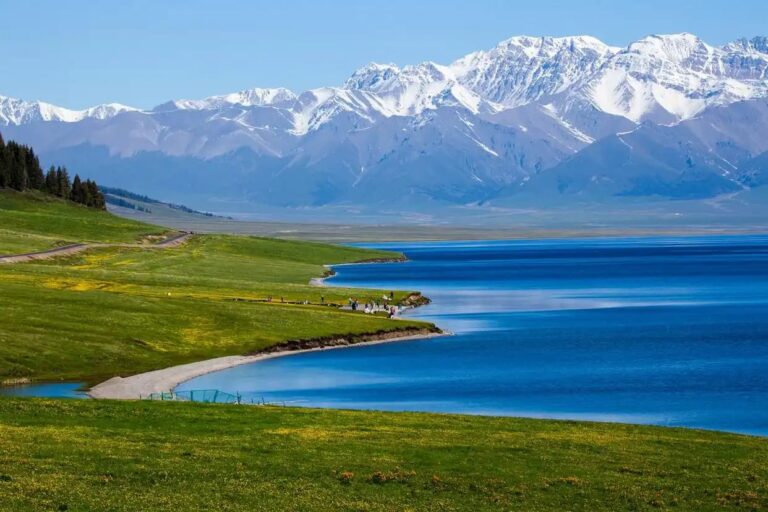
On the grasslands, weddings often happen in and around yurts. A famous (and now mostly symbolic) element is “kyz qumaru” — bride-taking — which in the past could involve a consensual elopement and is today largely a playful, staged part of the celebration rather than the real path to marriage. The yurt feast features boiled mutton, kymyz (fermented mare’s milk in season), and spirited horseback games if the season allows.
Han and Other Communities
Han weddings in the cities follow mainland Chinese customs — red themes, tea ceremonies, banquet toasts — often in hotels. Hui weddings blend Islamic rites with local flavour. The point is that within a single province you can attend half a dozen different “normal” weddings.
If You’re Invited
If a local friend invites you, accept — it is a genuine honour. Bring a modest gift (sweets, fruit, or a small amount of money in a red envelope for Han weddings), dress conservatively, and ask before photographing people, especially during the religious rite. In Kashgar’s old city, weddings often spill into the lanes, and respectful observers are rarely turned away from the public parts of the celebration.
What You’ll Be Served
The wedding table is its own cultural lesson. Expect a sequence rather than one meal: first polo and laghman, then grilled meats and whole boiled sheep (the head is often presented to the most honoured guest), piles of naan, and endless tea or sweet chai. On the grasslands, kymyz and other fermented dairy appear in season. Desserts are usually fruit and halva. As a guest, you’re expected to keep your cup filled and your plate tidy — leaving food can read as dislike of the cooking.
| Community | Signature dishes |
|---|---|
| Uyghur | Polo, laghman, kebabs, naan, sweet chai |
| Kazakh / Kyrgyz | Boiled mutton, kymyz, baursak, dairy |
| Han | Banquet courses, red-themed sweets |
| Hui | Halal banquet with noodle and mutton dishes |
Music, Dance, and the Circle
After eating, the room transforms. A dutar or tambur starts a slow melody and within minutes a circle forms; guests link arms and step in节奏. Even outsiders are pulled in. At Kazakh celebrations the music may swell into a form of regional folk strains shared across the Silk Road, and the energy can last past midnight. This is the heart of the event — the food prepares you for it, not the other way around.
Regional Quick Reference
In Kashgar and the south, Uyghur weddings dominate and the old-city lanes make a stunning backdrop. In Ili and the north, Kazakh and Kyrgyz yurt weddings are common in summer. In the cities, Han and Hui banquets follow hotel conventions. Knowing which community you’re with tells you what to wear, what to bring, and when to arrive.
Reading the Room as a Guest
A short checklist keeps you clear of the common missteps. Arrive on time for the banquet — lateness is noticed — greet the elders first with a nod or handshake, keep your phone down during the religious rite, and join the circle dance even if you’re unsure of the steps. In conservative venues, sit where you’re directed rather than choosing freely. These small signals communicate respect far faster than any gift you could carry through the door.
Children are welcome at most celebrations, and the communal dancing is wonderfully inclusive of them; if you’re travelling as a family, the wedding becomes a highlight rather than a complication. What to avoid is simpler to remember: don’t bring alcohol to a Muslim family’s wedding, don’t photograph the nikah or the henna night, and don’t treat the event like a tourist show — you are a guest, not an audience. The line between a welcomed observer and an intrusive spectator is politeness plus a genuine willingness to participate in the singing, the eating, and the dancing.
Small questions, honest answers
Can tourists attend a Xinjiang wedding?
Not uninvited, but if you befriend locals — through a homestay, a class, or a long chat in a teahouse — you may be welcomed to the public feast. Show respect, follow the room, and don’t intrude on private or religious moments.
What should I wear?
Conservative and neat. For religious ceremonies, cover shoulders and knees; women may be offered a headscarf. Bright white or heavy revealing clothing is inappropriate. Red is festive and welcome at Han banquets.
Is photography okay?
Ask first, always. The banquet and dancing are usually fine to capture; the nikah rite and the henna night (women-only) are not. A quick gesture and a smile resolves most situations.
What gift is appropriate?
Sweets, good fruit, or tea for most communities; a red envelope with a small amount of cash for Han weddings. Nothing extravagant — presence and respect matter more than the gift.
Are weddings seasonal?
Many Uyghur and Kazakh weddings cluster in autumn after the harvest and before winter, and during warmer months on the grasslands. You’ll see more of them from September through October.
Will I be expected to dance?
Gently, yes — at the banquet the circle dance is inclusive and nobody cares about your skill. Joining, even awkwardly, is taken as respect and is remembered fondly.