
Xinjiang Cultural Etiquette: Dos, Don’ts, and Habits That Win Smiles
The moment that taught me the most about Xinjiang wasn’t a viewpoint — it was being waved into a stranger’s yard in a Turpan village, handed a bowl of melon, and realizing I’d put my shoes back on at exactly the wrong time. Hospitality here is real and generous, and a few habits of respect go a long way. This is the etiquette I wish someone had handed me before my first trip.
Greetings and First Contact
Most Uyghur, Kazakh, Kyrgyz, and Hui neighbors you’ll meet are Muslim, and daily life is shaped by that rhythm. A little courtesy opens doors — sometimes literally.
The greeting that always lands
Learn two phrases and use them: Ässalamu äleykum (“peace be upon you”) as you enter a shop or home, and Yahshi mu siz? (“are you well?”). Even mangled, they signal respect. A warm “yahshi, rahmet” (well, thank you) closes the loop.
Right hand, soft handshake
Offer the right hand for handshakes and for passing money, food, or gifts. The left hand is reserved for personal hygiene and is considered unclean for sharing. A light handshake between men is normal; between unrelated men and women, wait for the woman to extend her hand first.
Dining Etiquette — The Big One
Food is where etiquette matters most, and where visitors most often slip. The short version: halal is not a preference here, it’s the rule, and bread is treated with real reverence.
Halal is not optional
Do not bring pork or alcohol into a home, a mosque courtyard, or most local restaurants. Even mentioning it casually at a grill stall is a misstep. If you drink, do it in your hotel room or a clearly Western-style bar, never at a shared Uyghur table. If the food rules feel like a lot, our halal dining etiquette guide breaks them down dish by dish.
Bread, salt, and the open palm
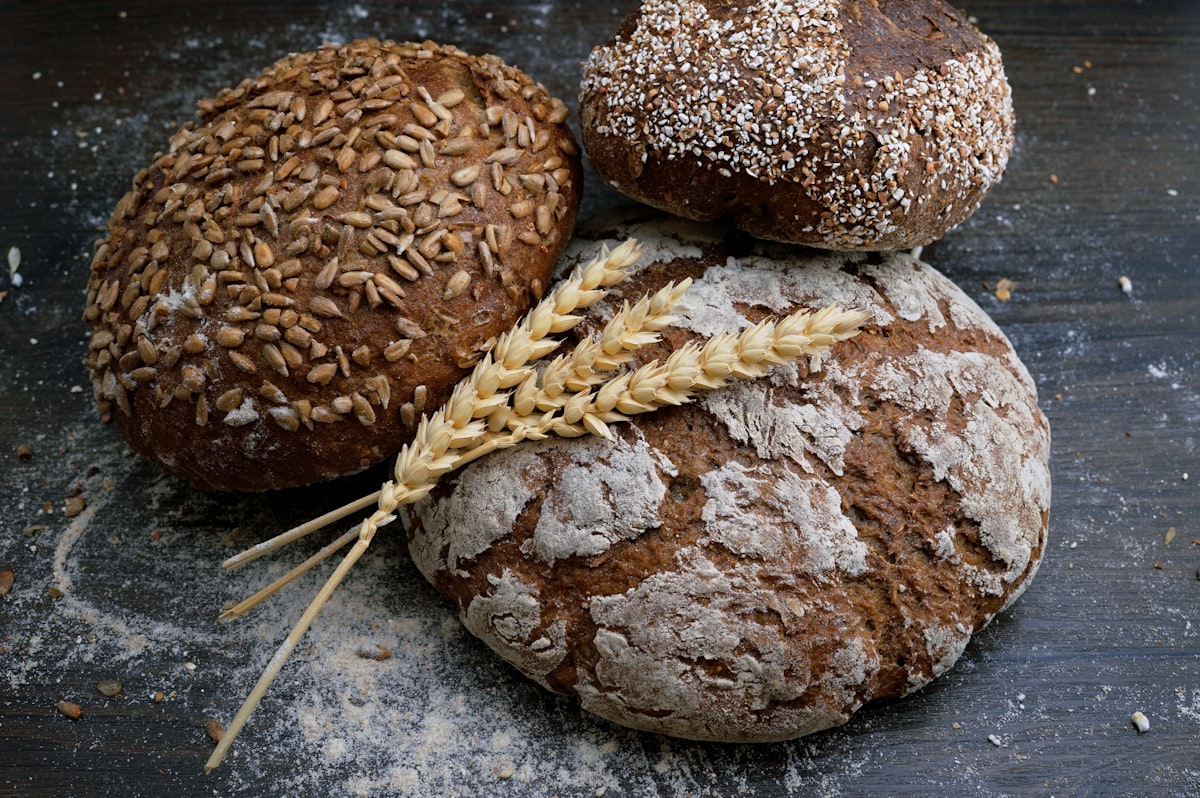
Never stab naan (馕) with a knife or step over a piece of bread on the ground — both are faux pas. Tear it with your fingers. When tea is poured, cup your hand near the saucer or tap two fingers on the table as a quiet thank-you. Sit, don’t stand, while eating.
| Do | Don’t |
|---|---|
| Use the right hand for food and payment | Hand things with the left hand |
| Tear bread; accept tea when offered | Stab naan or waste bread |
| Remove shoes at the door | Step over someone’s outstretched legs |
| Ask before photographing people | Point your feet at someone seated |
Visiting Homes and Mosques
Shoes off, small gift in
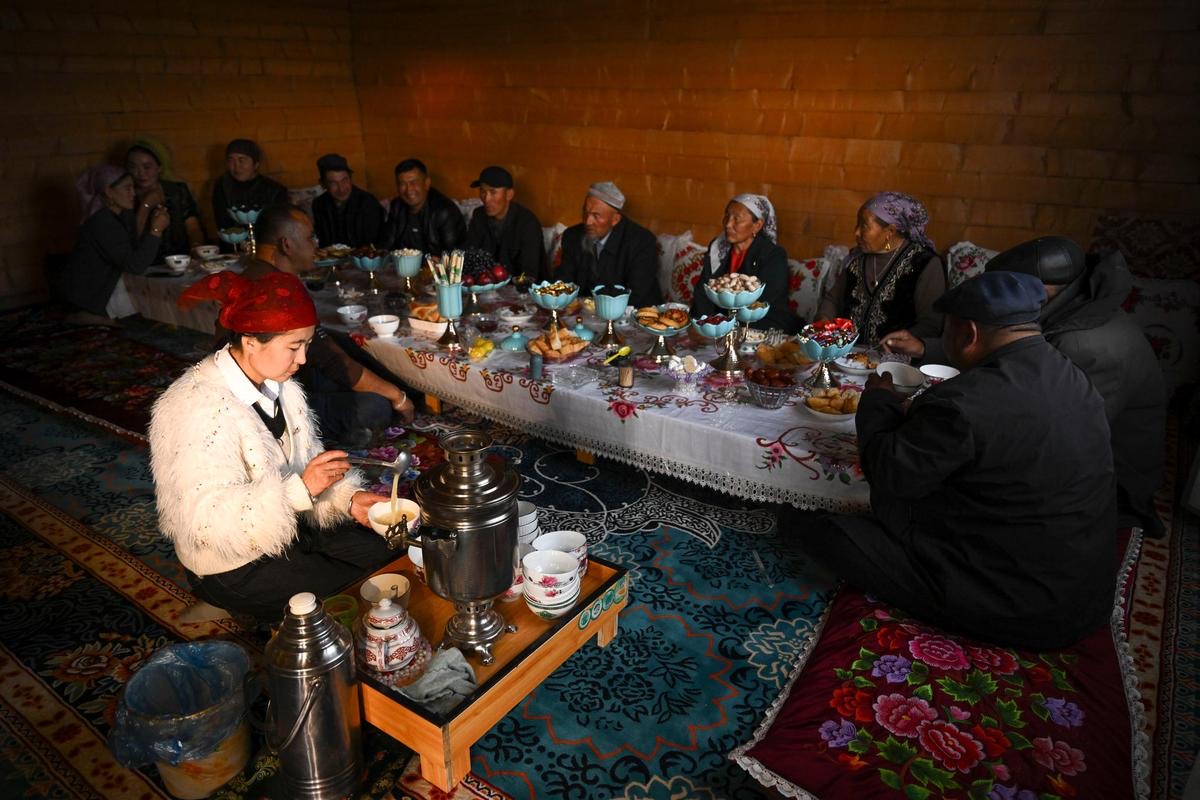
At the threshold, slip off your shoes without being asked — most homes keep indoor slippers by the door. A small gift (fruit, sweets, nothing expensive) is appreciated and never expected. Sit where you’re shown; the seat facing the door is often the host’s. You’ll see this hospitality lived out in places like Kashgar Old Town, where courtyard visits are part of the daily rhythm.
Mosque dress and behavior
Cover shoulders and knees; women should carry a scarf to cover the head inside the prayer hall. Keep your voice down, don’t walk in front of someone praying, and never photograph worshippers during prayer without explicit permission.
Bargaining and the Bazaar
Haggling is expected at markets, not at supermarkets or restaurants. It’s a social game, not a fight.
The rhythm of a good haggle
Let the seller name a price first. Counter around 50–60% for tourist goods, meet in the middle with a smile, and be ready to walk away — that’s when the real price appears. Buy a few things from one stall and you’ll often get a better bundle rate. Laughter is the point; don’t turn it into a grudge.
Cash still wins at small stalls, though Alipay and WeChat Pay now work almost everywhere with a linked international card. If a price feels fixed, it probably is — government-run shops and supermarkets don’t bargain. Read the room: a quiet rural market expects gentler haggling than a tourist-mobbed bazaar, and pushing too hard there reads as rude rather than savvy.
Photography — Ask First
People vs landscapes
Mountains, mosques (from outside), and bazaars are fair game. People are not — especially women and anyone at prayer. A raised camera with a questioning look and a smile gets more yeses than a silent snap. Offer to show them the photo; a thumbs-up usually follows.
In villages, a greeting and a minute of chat before the camera comes out changes everything. People who’ve been pointed at all day by tour buses are understandably wary; treating them like strangers you’d like to meet, not subjects to collect, gets you better images and better stories.
If You Catch a Festival
During Eid al-Fitr (Roza Heyit) and Eid al-Adha (Qurban Heyit), streets fill with visiting, feasting, and new clothes. You may be invited to eat — accept, and don’t refuse a second helping too quickly. Dress modestly and follow the lead of those around you.
Dress and Modesty on the Street
You don’t need to dress as a local to be respected, but covering shoulders and knees goes a long way in town centers and is essential near any religious site. Loose, light clothing also beats the summer heat and the occasional curious glance. Save swimwear for the hotel pool — public waterways and hot-spring areas are not the place for it.
When you’re fed more than you can eat
Hospitality here can be relentless: a second bowl appears before the first is empty, and a third is offered before you’ve finished the second. Eat what you comfortably can, leave a little to signal you’re full (cleaning the plate can imply you’re still hungry), and always close with a quiet rahmet. Declining a later round with a smile is perfectly fine.
Children, Elders, and Small Kindnesses
Local kids may stare at foreign faces; a wave or a soft “yahshi” usually earns a giggle. Don’t offer anything to children without a parent’s nod, and give up a seat for an elder on a packed bus — it’s noticed and appreciated. These tiny moves accumulate into the warmth most travelers remember longest.
Photographing Children and Families
If a child is around, ask the parent first and show the result on your screen. Never photograph someone who has clearly said no, and don’t chase a “candid” shot of a person who’s turned away. The best people photos in Xinjiang come from connection, not stealth.
The usual missteps
The trap here: Rude to decline food
A flat “no” can read as refusal of hospitality. Instead say “rahmet, toydum” (thank you, I’m full) with a smile and a hand on your chest. That’s understood and accepted.
Where people slip: Drinking alcohol as a visitor
Yes, in private or in Western-style venues, but never at a halal family table or in or near a mosque. Keep it discreet and don’t offer it to locals.
The usual error: Needing to cover my hair
Not on the street. Inside a mosque prayer hall, women should cover. Men should cover shoulders and avoid shorts.
Easy to get this wrong: Say thank you
Rahmet (thanks) works everywhere; Köp rahmet means “many thanks.” Pair it with a slight nod and you’re golden.
The trap here: Tipping expected
Not at local eateries. At tourist restaurants and for drivers/guides, rounding up or 5–10% is a kind gesture, not a requirement.
Where people slip: If i make a mistake
A genuine “kechürüng” (sorry) and a smile repairs almost anything. People here are used to visitors and far more forgiving than the rules suggest.