Ramadan in Xinjiang: A Traveller’s Guide to Timing and Respect
If your trip lands in Ramadan, the region changes shape, and knowing that in advance turns potential confusion into one of the more interesting times to visit. I have travelled through the month, and the rhythm is its own reward.
Days are quiet. Many cafes and some restaurants close or slow during daylight, then burst open after the evening meal, so the festival calendar matters more than people expect. I planned heavy sightseeing for the morning and let the evenings be social, which suited the heat and the mood.
Eating respectfully is the main skill. In a halal kitchen the courtesy is already there; during Ramadan it deepens. I avoided obvious eating in front of those fasting where I could, and I let hosts guide whether a daytime meal was welcome. A little awareness went a long way.
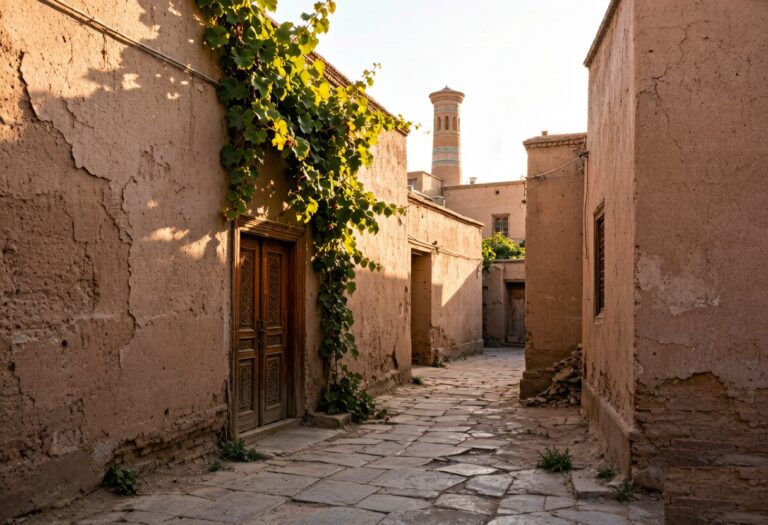
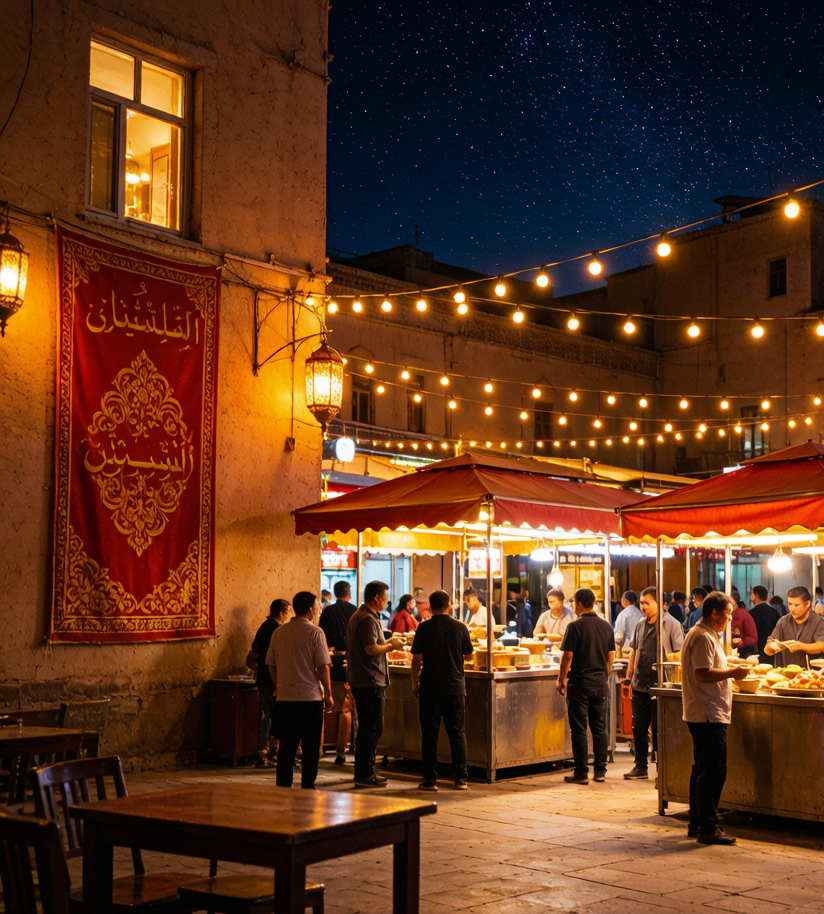
The night is the gift. After dusk the squares and the mosque precincts come alive, and the atmosphere is warm in a way peak season rarely is. I timed one trip to catch the tail of the month, and the Eid break that followed was a celebration worth building around.
Plan with the season guide in mind, because Ramadan moves on the lunar calendar and can land in any weather. Go informed, eat with grace, and the month becomes not an obstacle but a lens, and a kinder one than the brochures suggest.
For photographers, Ramadan evenings are gold: the squares light up, the food smoke rises, and the mood is open in a way daytime reserves are not. I shot some of my favourite frames in the blue hour after the fast broke, and the warmth was in the faces, not just the lights.
The respectful line is simple: ask before you photograph people at the table, and if a meal is offered during daylight, accept or decline with grace and a smile. The month rewards the considerate, and the considerate traveller sees more of it.
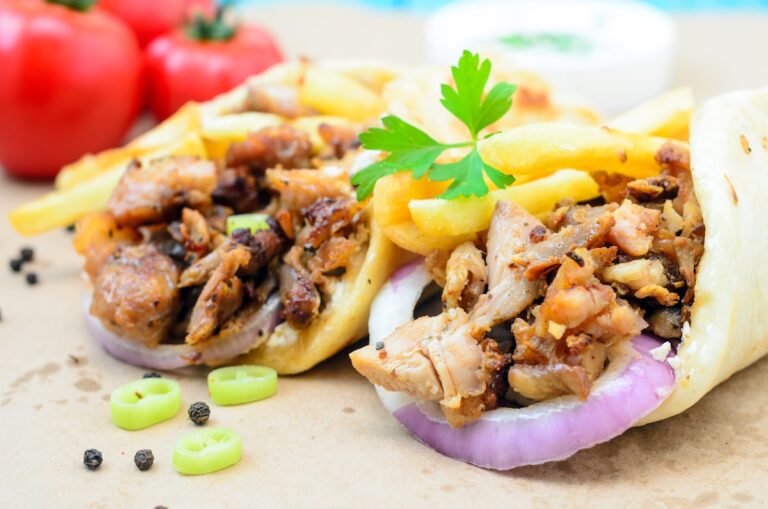
The food scene after dark is the part to plan around. Many daytime spots close or slow, so I ate a late breakfast and a quiet lunch, then saved appetite and curiosity for the evening spread, when grills fire and the squares fill. As a visitor I was never made to feel odd for eating by day; the courtesy ran the other way, and I was waved to a table more than once. The Eid break that ends the month is a celebration worth catching, with streets full and homes open, and I timed one trip to land in its last days on purpose. If your dates overlap Ramadan, treat it as a feature, not a flaw: the region turns intimate after dusk, and the travel is richer for the rhythm. Go informed, eat with grace, and the month becomes a lens rather than a limit.
Practically, I also slowed the daytime miles in Ramadan, because the quiet towns meant fewer open stops and a different rhythm of hunger on the road. That slower pace suited the heat and the mood, and I arrived at evenings ready for them rather than rushed. The month, handled with grace, is a gentler trip, not a lesser one.
The money, line by line
On your own the same afternoon comes out at maybe half again as much. Prices at the gate are reasonable by European standards, which is exactly why they are easy to underestimate. The admission is cheap, the internal transport is what adds up, and a family of four in one car turns a small ticket into a real line in the budget. Ask once at the ticket office what the full circuit costs before you commit. The headline entrance ticket is only the first line.
Staff there are used to it, and the answer takes ten seconds. Parking, a printed map, and a guide are the other three places the number moves. On top of it comes a shuttle or sightseeing bus inside the site, and if you want a far viewpoint rather than the main one that is another leg. Two of us covered the whole thing for well under what a single hotel night in Xinjiang costs, but only because we shared the car and shared the entry between us. More on the other end of that day is in our [[the-xinjiang-time-zone-problem-a-travellers-guide-to-the-two-clocks|The Xinjiang Time Zone Problem: A…]].
The mistake I made the first time
There is a shuttle, a walk, sometimes another shuttle, and the stretch everybody underestimates is between the second gate and the thing you crossed the country to see. So: work out how far it is from where the vehicle drops you to the feature, then double it. That is the number of hours the visit needs. It was, in the sense that I saw everything, and it was ruined in the sense that I saw everything at the same hour with the same crowd, and I spent the drive home meaning to come back and never did. What I would tell the version of me who planned it: put the slow hours in, not the fast ones.
I assumed two hours would be plenty. The whole point of coming this far is to have the place to yourself for a while, and that only happens if you are willing to be there when it opens or when it is nearly shut. I did come back the following trip, at seven in the morning, and it was a different site. The other mistake is about distance on the map. The gate is not the site.
The evening version of that plan is in our [[xinjiang-waterfalls-guide|Chasing Xinjiang’s Waterfalls: Alpine…]].
Worth pairing with
With a car the combination that worked for us was the site in the morning, a long lunch somewhere with shade, and the other place in the late afternoon, so two half-days covered a full one. Ramadan In Xinjiang A sits naturally into a longer Xinjiang day. The stops most people miss are the small ones between the big names. Ask at the hotel desk the evening before what opened this week, because several of these places shift their hours with the season and the leaflet in the lobby is a year out of date.