Where to Stay in Kashgar Old Town: Lanes, Guesthouses and What to Expect
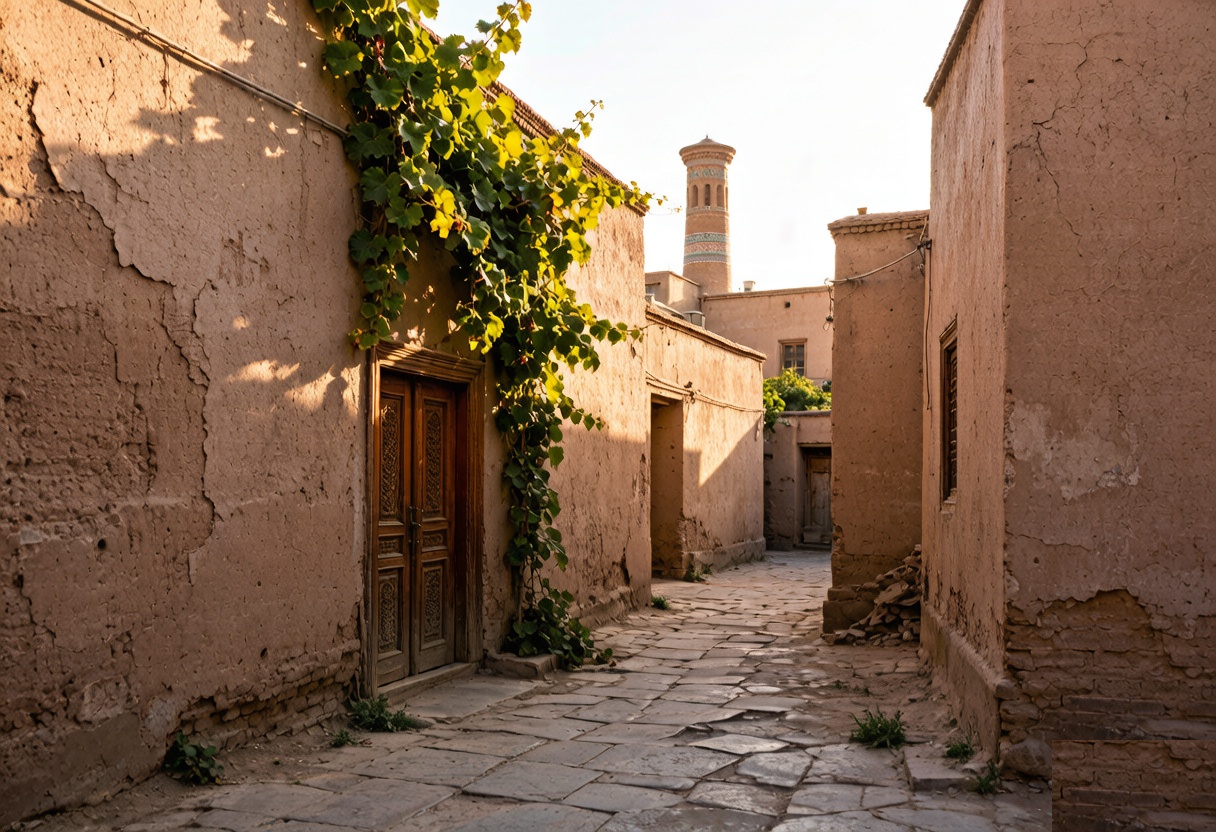
Kashgar’s old town (老城, lǎochéng) is the most atmospheric place to sleep in all Xinjiang — a maze of ochre alleys where calls to prayer drift over rooftops. But “old town” is a big area, and where you book changes everything, from noise to how far you wheel your bag.
Pick your quarter
The lanes around Id Kah Mosque and the homestay cluster near the east gate are lively and walkable. Farther northwest it grows quieter and more residential. I like staying a lane or two off the main drag: close enough to wander home late, far enough to hear crickets. Our old-town museum guide maps the key sights so you can pick a base near what you want to see.
What the rooms are like
- Many are restored courtyard houses: thick mud-brick walls, carved wooden doors, sometimes a shared rooftop with a view over the maze.
- Bathrooms are usually private and modern even when the façade is ancient — a pleasant surprise.
- Sound carries — Friday mornings are loud; light sleepers, bring earplugs.
Luggage and access
Cars cannot enter the core alleys. You will wheel your bag the last hundred metres, often over uneven stone. Pack a manageable suitcase, not an expedition trunk. If you arrive by the Urumqi–Kashgar train, pre-arrange a pickup that meets you at the alley mouth rather than the main road.
Old town vs new town
New-town hotels near the airport road are plush and quiet but soulless. The old town trades polish for character. Our where-to-stay overview lays out the full menu; for me the old town wins every time, as long as you book a courtyard room with strong reviews and realistic expectations about the plumbing.
Rooftop evenings
The real gift of an old-town stay is the evening. Climb to the guesthouse rooftop at dusk and the whole maze turns gold, then blue, then black with the call to prayer drifting up. Buy a pot of tea from the host and stay an hour. It is the best free view in Kashgar and the reason I always choose the old town over the new.
Getting your bag to the door
Confirm with the property exactly which gate or landmark to meet at — “near Id Kah” is not precise enough in the lanes. Most hosts will send someone to meet a taxi at the edge. Tip the helper a few yuan; it is earned, and it starts the stay warm. See our old-town guide for the landmarks to navigate by.
Worth pairing with
Ask at the hotel desk the evening before what opened this week, because several of these places shift their hours with the season and the leaflet in the lobby is a year out of date. The stops most people miss are the small ones between the big names. With a car the combination that worked for us was the site in the morning, a long lunch somewhere with shade, and the other place in the late afternoon, so two half-days covered a full one. Where To Stay Kashgar sits naturally into a longer Kashgar day. That stretch of the trip is described in our [[kashgar-rooftop-cafes-and-where-to-stay-in-the-old-town|Kashgar Old Town Rooftop Cafes and Where to…]] too.
A second look on day two
Almost nobody does Where To Stay Kashgar twice. The second time you can skip the obligatory viewpoint and walk along the base of the ridge where the light comes in sideways, and that is the photograph you keep. I did, and the second visit was better, because the first had been spent working out where to stand. If your itinerary has a spare morning, spend it here again rather than at the bigger name on the far side of town. Where most people get the logistics wrong is covered in our [[best-area-to-stay-in-kashgar-old-town-vs-new-city|Best Area to Stay in Kashgar: Old Town vs…]].
Which part of the old town to aim for
The old town (老城) is a maze of lanes, and where you stay changes the trip. I aim for the area inside the western walls, walking distance to Id Kah Mosque (艾提尕尔清真寺) and the covered bazaar — you can step out at first light before the tour groups and have the alleys to yourself. The lanes near the east gate are quieter but a longer walk to the action. Rooftop cafés double as your lookout: a few of them sit above guesthouses, and a mint tea up there at golden hour, watching the mud-brick rooftops go orange, is the best view in town and free with a drink.
Sleep and noise reality
Old-town lanes carry sound — call to prayer, carts, late chatter. If you’re a light sleeper, ask for a room off the main lane and bring earplugs; I’ve learned the hard way. The payback is stepping out your door into a living neighbourhood rather than a hotel corridor. For photography, stay central so you can shoot the blue doors and carved woodwork in the soft morning light without a commute.