The Grape Valley of Turpan: Vineyards, Raisins, and Uyghur Courtyards
The first time I came
The Grape Valley, or Putao Gou, is Turpan’s greenest surprise. Just outside one of the hottest, driest cities on earth, a narrow gorge fed by meltwater from the Tianshan becomes a cool tunnel of vines, where grapevines trained over wooden pergolas form a living ceiling and the air drops several degrees the moment you step inside. For travelers, it is the most pleasant way to understand why Turpan has been a garden oasis for two thousand years.
More than a scenic walk, the valley is a working agricultural landscape. Local Uyghur families tend the vines, dry their harvest on open-air racks, and welcome visitors into courtyard homes for tea and fruit. It is one of the few places in Xinjiang where you can taste the region’s famous grapes at the source and see the traditional methods that turn them into the sweet raisins sold across China.
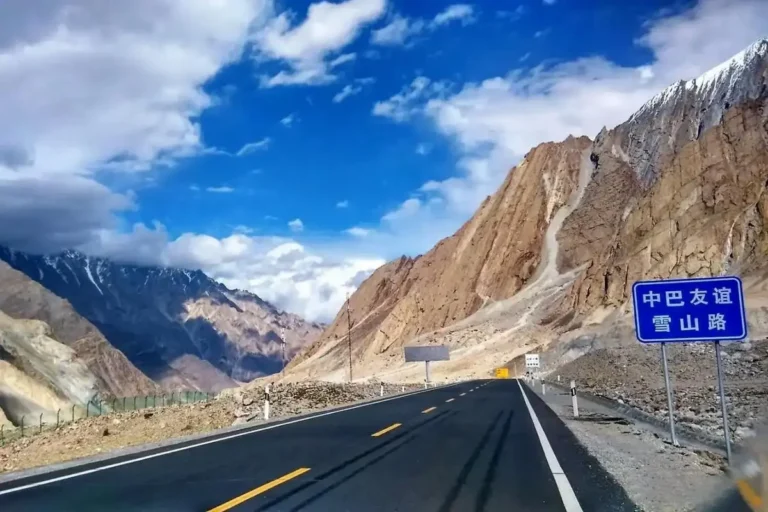
On the approach road
The Grape Valley lies about 10 kilometers northeast of central Turpan, on the northern edge of the Turpan Basin beneath the Flaming Mountains. The easiest approach is a taxi or ride-hailing car from the city, which takes around 20 minutes and costs roughly 30 to 40 yuan. Many visitors also arrive as part of a loop that includes the Flaming Mountains viewing area and the Jiaohe or Gaochang ruins, since all three sit within a short drive of one another.
Public buses run from Turpan town to the valley entrance in the busy season, but services are infrequent, so confirm times locally. If you are staying in the newer Turpan North area near the high-speed station, budget extra time for the cross-city transfer. Renting a car with a driver for a half-day is the most flexible option and lets you stop at roadside vineyards that are not on the formal ticketed route.
A month-by-month read
The valley is at its best from July to September, when the grapes ripen and the pergolas are heavy with fruit. August is the peak month, often coinciding with local harvest festivals where you can sample dozens of varieties, from seedless white grapes to the small dark ones reserved for premium raisins. Spring is mild and green but the vines are just leafing out, while winter is quiet and leafless, with a stark beauty of bare wood against red earth.
Because the basin is scorching in midsummer, aim to arrive in the morning or late afternoon. The shaded tunnels stay comfortable even when the open desert reads above 40 degrees, which is exactly why the valley became a retreat for local families in the first place. Bring a hat for the walk from the car park to the entrance, and a light layer for the cooler evening breeze that rolls down from the mountains.
The places I would not skip
Walk the main pergola path first. The wooden frame tunnels stretch for hundreds of meters, and in summer they are dappled with light and hung with fruit you can buy by the kilogram from the families who grow it. Look for the drying racks, called quengze, where grapes are laid out in the sun and wind to become raisins without ever touching the ground, a method unique to this part of Xinjiang.
Visit a courtyard home. Many households open their walled gardens to guests, offering sweet tea, fresh fruit, and a look at how three generations share one compound. It is an informal, genuine encounter with Uyghur domestic life that no museum can replicate. Some courtyards also sell homemade jam, nuts, and raisins by weight, and the quality is usually better than the packaged versions in city shops.
Climb to the small hilltop pavilion at the far end of the valley for a view back over the vine sea and the red slopes of the Flaming Mountains behind it. On clear days the contrast between the green gorge and the burnt-orange ridge is the photo everyone comes for. A modest folk-culture show runs on a loose schedule in peak season, with music and dance that break up the afternoon if you are traveling with children.
On the road
Buy grapes by weight rather than per bunch, and taste before you buy, since varieties differ wildly in sweetness. Carry small bills, as the courtyard vendors may not have change for large notes. Wear shoes you can walk in on uneven earth paths, and watch children near the open racks, which are fragile and valued by the families who built them.
Hydrate constantly; even in the shade the dry heat dehydrates you fast. Photography of people is welcome if you ask first, and a few yuan of purchased fruit goes a long way toward a warm response. Plan 90 minutes to two hours, and avoid the midday peak if you want the pergolas to yourself. If you are combining the valley with the Flaming Mountains, do the hot outdoor site early and save the cool vine tunnel for the heat of the afternoon.

Nearby worth the detour
The Flaming Mountains viewing platform is a 15-minute drive and explains the geology behind the red range made famous by the novel Journey to the West. The Jiaohe Ruins, a 2,000-year-old earthen city, sit within easy reach and pair well with a day in the Turpan oasis. Back in town, the Karez Well folk park shows the underground irrigation system that makes all this greenery possible, and together the three sites tell a complete story of how life survives in the Turpan Basin.
Closing thoughts
The Grape Valley is Turpan at its most generous: cool, sweet, and genuinely local. It asks little of you beyond a slow walk and an open mind, and it repays both with shade, fruit, and the kind of human warmth that turns a sightseeing stop into a memory. Add it to any Turpan itinerary, and let the vines do the rest.
Pulling a Turpan trip together? My Turpan: Xinjiang’s Hottest City, Ancient Oasis, and Silk Road Crossroads covers the oasis sights and how many days to set aside.