Xinjiang in November: The Quiet Shoulder Season Few Travelers Know
Everyone talks about Xinjiang in October gold or January snow, but November is the region’s secret: the summer crowds are gone, the first snow dusts the north, and the south is still mild enough to travel in a light jacket. It is the cheapest, quietest window of the year, and for independent travelers who hate queues, it might be the best month of all. Here is the realistic picture.
Why it earns a stop
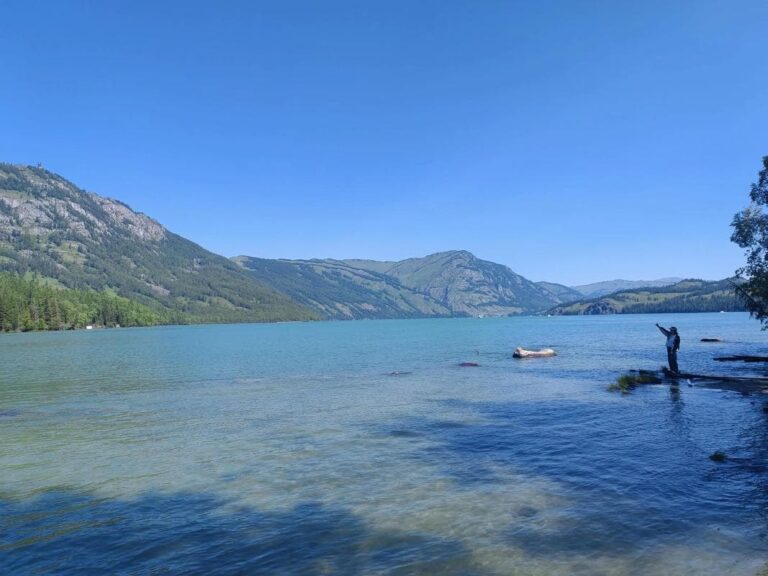
November sits between the autumn peak and the deep winter. In the north (Urumqi, Ili, Altai) the lakes have frozen or are freezing, the Duku Highway is closed, and some mountain guesthouses shut for the season. But the south (Kashgar, Hotan, Turpan, the Tarim basin) stays open, dry, and pleasant, with daytime highs often in the low teens. The trade is short daylight and the risk of cold snaps, but the payoff is empty roads and slashed prices.
The road in, in numbers
Flights into Urumqi and Kashgar are frequent year-round, and November fares are among the lowest. Trains run normally. Within the region, the southern Tarim loop (Kashgar-Hotan-Aksu-Korla) is fully driveable; the northern mountain roads may be closed or chained. Plan a south-heavy itinerary, or accept that the north is a winter trip rather than an autumn one.
Best Time and Weather
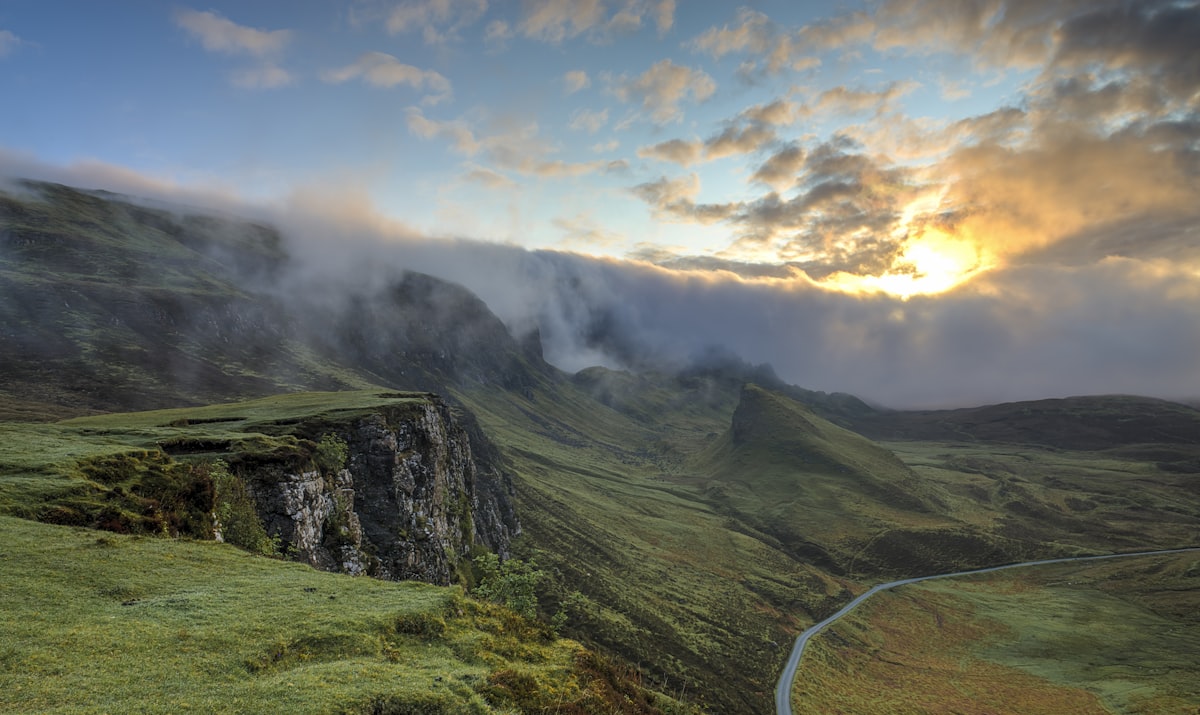
Early November is the safer bet: lingering autumn colour in the south, no heavy snow yet. Late November can bring the first real cold fronts, especially up north. Daytime in Kashgar is often 10-15°C, dropping near freezing at night; Urumqi is colder. Packing a warm layer, a good jacket, and an eye on the forecast covers most scenarios.
What to Do
- Kashgar old city: wander the lanes with no crowds and crisp light.
- Hotan & the southern Tarim: desert towns, jade markets, and Silk Road atmosphere.
- Turpan: mild days, vineyards post-harvest, Jiaohe and Gaochang ruins in peace.
- Urumqi museums: the Xinjiang Museum is a great cold-day indoor plan.
Small things, big difference
Some scenic areas (Kanas, Hemu) move to winter schedules or close shuttle service, so confirm before going north. Hotels and tickets are cheap but a few remote guesthouses close, so book the night before. Carry cash for small southern-town vendors. The low light is excellent for photography, and the empty sites make for uncrowded, atmospheric shots.
The itinerary mistake that costs a day
Split the drive at the town in the middle, sleep, and you get the afternoon on the far side as well. Putting a long drive between two early starts. I have done it both ways. It feels efficient and it is the single thing that most reliably ruins a trip here, because distances are not what your map suggests. Wake at six, drive four hours, check in at ten, and the morning is gone along with the next one. If the timing is the question, our [[eid-al-fitr-in-xinjiang-what-travelers-should-know|Eid al-Fitr in Xinjiang: What Travelers…]] goes through it properly.
What people get wrong before they come
They come expecting desert to be the whole picture, then find the green is what stays with them. The oasis towns, the water running beside the road, the fields at the foot of a glacier: that is Xinjiang, and it is not in the photographs on the back of the bus seat. The second thing is scale. Distances here make a small itinerary feel enormous, and the fix is not more days but fewer stops with longer looks at each. More on the other end of that day is in our [[winter-driving-in-xinjiang-chains-cold-and-the-quiet-season|Winter Driving in Xinjiang: Chains, Cold,…]].
Who this kind of trip suits
There is no version of this where you see the whole region in three days, and the guides promising it are lying. Someone with a week, or two, prepared to sleep in two different kinds of bed in four days. Someone who likes long horizons on the road and does not need a cafe on every corner. It is less good with a fixed number of days, a small budget for a guided solution, and a low tolerance for checkpoints. If the timing is the question, our [[eid-al-fitr-in-xinjiang-what-travelers-should-know|Eid al-Fitr in Xinjiang: What Travelers…]] goes through it properly.
What to sort out before you fly
The first two nights in the far cities, which is where the good rooms go. And the car, if you are driving, well ahead in the peak months. Three things, in this order. Everything else on this list can be sorted at the airport desk or the hotel lobby, and mostly is. The border permit if your routing goes near a closed frontier, because that one has lead time nobody can compress. More on the other end of that day is in our [[winter-driving-in-xinjiang-chains-cold-and-the-quiet-season|Winter Driving in Xinjiang: Chains, Cold,…]].
What a day actually costs
The shape is simple: the car and the fuel, the rooms, the food. Food is the smallest of the three if you eat where locals eat and the biggest if you eat where the menu is in English. For two people driving, a day that includes a hotel runs a small fraction of the same day in Western Europe, and the gap opens further once you stop paying restaurants. The places where it stops being cheap are the entrance tickets and the guided days. That stretch of the trip is described in our [[xinjiang-in-spring-apricot-blossoms-melting-roads-and-the-quiet-season|Xinjiang in Spring: Apricot Blossoms,…]] too.
Nearby Seasons
If November is too fringe, October gives the famous autumn colour and December opens the snow season. But for travelers who value solitude and price over peak scenery, November is the smart choice, a month most guides forget.
What stays with me
November will not give you golden birch forests or ski runs, but it will give you Xinjiang almost to yourself, at a fraction of the cost, with the south still genuinely travelable. For the independent, crowd-averse traveler, it is the region at its most relaxed, and one of the best-kept timing secrets in all of western China.