Bosten Lake: Xinjiang’s Largest Freshwater Lake and Why Few Tourists Know It
How I Accidentally Discovered Xinjiang’s Best-Kept Secret
It was supposed to be a quick transfer day. I was traveling from Urumqi to Kuqa in June 2023, and the plan was to take the morning train south, enjoy the scenery from the window, and arrive in Kuqa by evening. But a fellow traveler at my Urumqi hostel mentioned a place I’d never heard of: Bosten Lake (博斯腾湖). “It’s the largest freshwater lake in inland China,” he said. “And almost nobody goes there.”
Last updated: July 15, 2026 · Written by Karl Huang, a Xinjiang travel specialist who has spent time across the region. Practical details are cross-checked against official tourism, transport, and border-regulation sources.
I changed my plans. I took a train to Korla instead, then a local bus to the lakeshore, and spent two days at a body of water so large it feels like an inland sea. The experience was one of the most surprising of my entire Xinjiang trip — not because Bosten Lake is dramatic or famous, but because it’s so unexpectedly peaceful, so uncrowded, and so completely different from the desert and mountain landscapes that dominate most travelers’ Xinjiang itineraries.
{IMG1}
What Is Bosten Lake, Exactly?
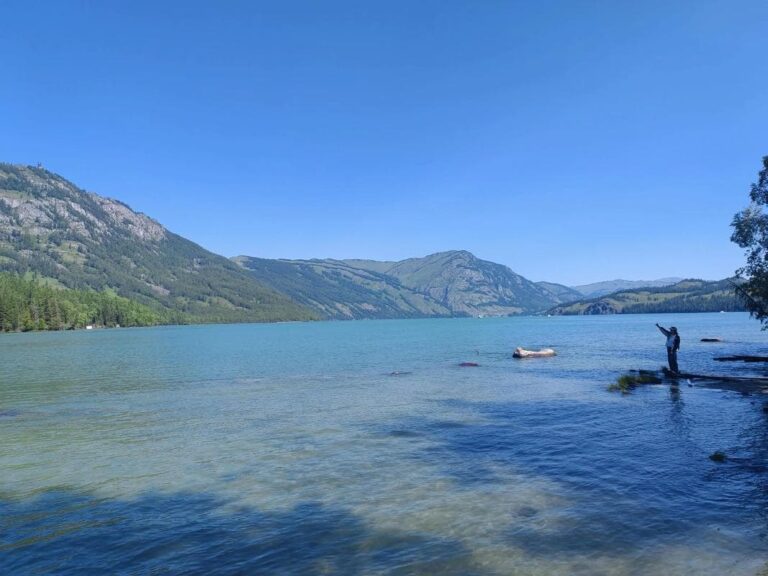
Bosten Lake (Bósīténg Hú) is China’s largest inland freshwater lake. It covers an area of about 1,000 square kilometers (386 square miles) — roughly the size of Hong Kong Island multiplied by 90. The lake sits in Bayingolin Mongol Autonomous Prefecture, about 60 kilometers (37 miles) from the city of Korla, which is the capital of the prefecture and a major transportation hub in southern Xinjiang.
The lake has been an important part of the local ecosystem and economy for centuries. It’s fed primarily by the Kaidu River, which brings meltwater from the Tianshan Mountains, and it serves as the source of the Konqi River, which flows eastward toward Lop Nur (the former salt lake that is now largely dry). In other words, Bosten Lake is a critical node in the region’s water system.
Why Doesn’t Bosten Lake Appear on Most Xinjiang Itineraries?
This is a question I asked myself repeatedly as I sat on the lakeshore, watching reed boats glide past and listening to the wind in the rushes. The answer, I think, is a combination of geography, marketing, and timing.
1. It’s Just Far Enough Off the Main Route
Most foreign travelers to Xinjiang follow one of two main routes: the northern loop (Urumqi → Turpan → Yining → Nalati → Dushanzi → Urumqi) or the southern route (Urumqi → Turpan → Kuqa → Aksu → Kashgar). Bosten Lake sits to the southeast of Korla, which is a slight detour from both routes. It’s not a huge detour — just 60 km from Korla — but it’s enough that most tour groups skip it.
2. It Lacks the “Spectacular” Factor
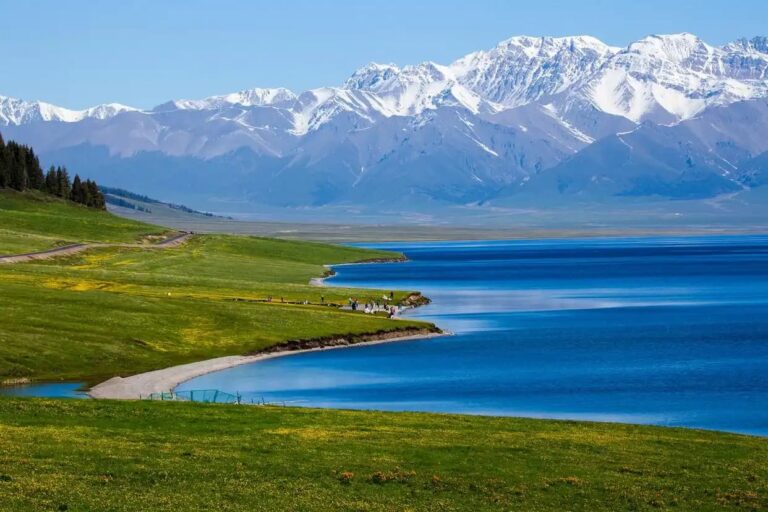
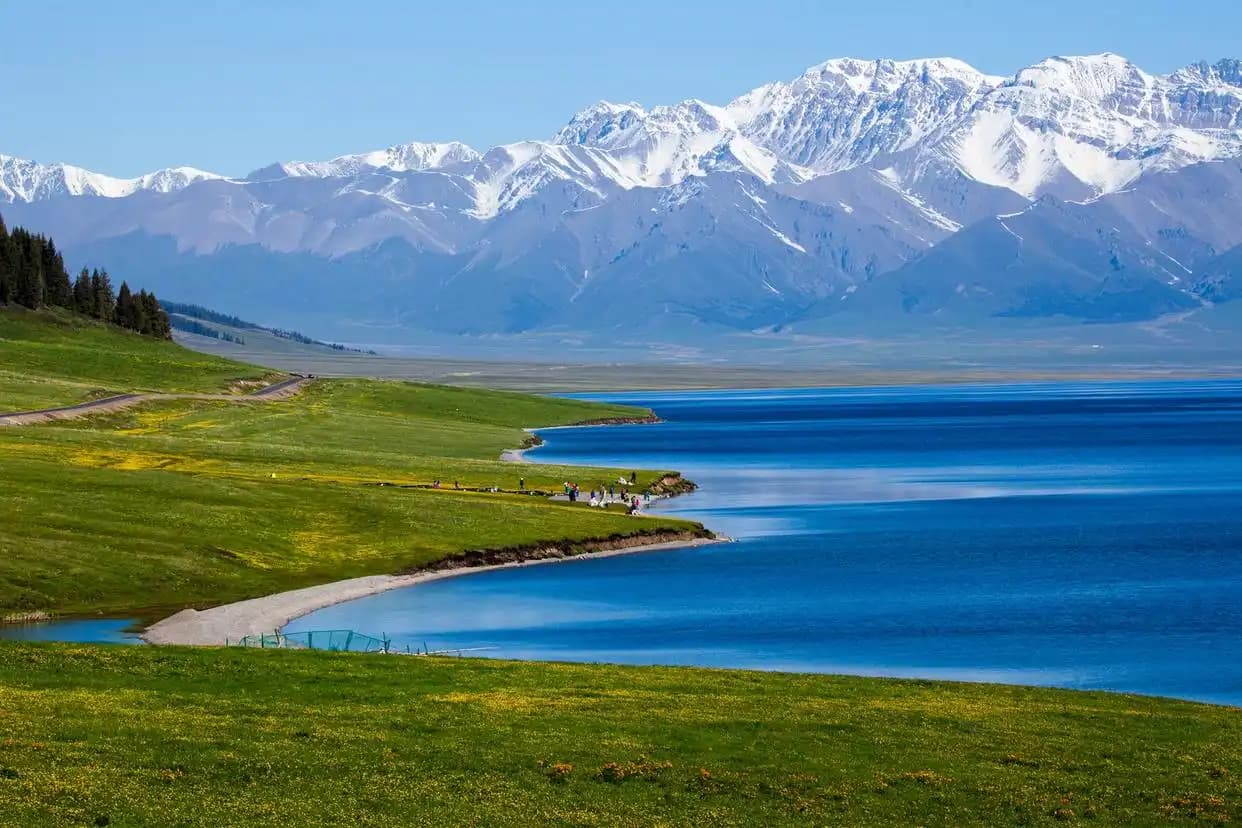
Let’s be honest: Bosten Lake is not visually dramatic in the way that Karakul Lake or Heavenly Lake are. There are no snow-capped peaks reflected in the water, no dramatic cliffs plunging into the shore. What Bosten Lake offers is something quieter: reed marshes, lotus flowers (in summer), fishing boats, and wide horizons. It’s a place for slow travel, not for ticking off a bucket-list photo.
3. Domestic Tourism Hasn’t Fully Discovered It Either
Unlike Sayram Lake, which has become a social media sensation in China, Bosten Lake remains relatively unknown even to domestic tourists. During my two days there in 2023, I saw maybe a dozen other visitors, all of them local.
What to Do at Bosten Lake
Swimming and Water Activities (Summer Only)
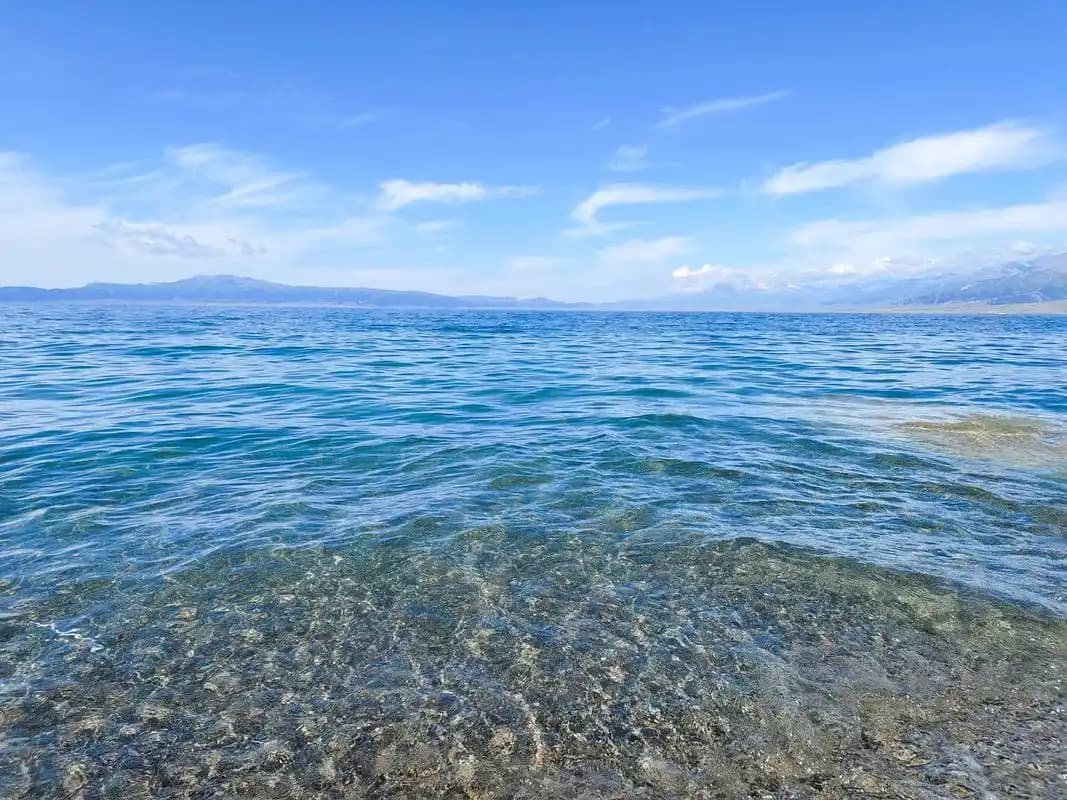
In July and August, the shallow areas of the lake warm up enough for swimming. The water is clean and freshwater (not salty like a lagoon), and there are designated swimming areas near the Jinshatan (Golden Beach) resort area. I didn’t swim myself (I was there in June, and the water was still brisk), but I watched local families splashing in the shallows, and it looked genuinely refreshing after the heat of the day.
Boat rides are available from several piers around the lake. A small motorboat tour costs about 100–150 RMB per person and takes you out onto the open water, where you can appreciate the scale of the lake. Some boats are traditional reed boats, which are more atmospheric (and quieter) than the motorized versions.
Reed Marsh Exploration
The southeastern part of the lake is surrounded by extensive reed marshes (芦苇荡), some of the largest in China. These reed beds are not just scenic — they’re ecologically important, providing habitat for migratory birds and helping to filter the lake water. You can explore the reed marshes by small boat, winding through channels of tall reeds. It’s a genuinely beautiful experience, especially in the late afternoon when the light is golden and the water is calm.
Lotus Flowers (July–August)
If you visit in mid-to-late summer, parts of the lake’s marginal zones are covered in lotus flowers. It’s an unexpected sight in Xinjiang — a landscape more associated with desert and mountains — and it makes for beautiful photographs. The lotus areas are accessible via boardwalks from the Jinshatan resort area.
Fishing
Bosten Lake is famous in Xinjiang for its fish, particularly channa argus (northern snakehead) and various carp species. Fishing is allowed in designated areas, and you can buy freshly caught fish from fishermen along the shore. I had a simple but delicious grilled fish dinner at a lakeside restaurant for 60 RMB — nothing fancy, just fresh fish, some vegetables, and naan.
How to Get to Bosten Lake
Step 1: Get to Korla (库尔勒)
Korla is the gateway to Bosten Lake. You can reach Korla from Urumqi by:
- Train: There are multiple trains daily from Urumqi to Korla. The journey takes 4–6 hours depending on the train type. Soft seat (一等座) costs about 130 RMB.
- Bus: Long-distance buses run from Urumqi’s South Bus Station to Korla. The trip takes about 6–7 hours. Cheaper than the train (about 90 RMB) but less comfortable.
- Flight: There are daily flights from Urumqi to Korla (1 hour, 300–600 RMB depending on season). Only worth it if you’re short on time.
Step 2: Korla to Bosten Lake
From Korla, you have a few options:
- Bus: Buses to Bohu County (the county that administers most of the lake’s tourism facilities) leave from Korla’s long-distance bus station. The trip takes about 1 hour. Ask for “Bohu Xian” (博湖县) or “Bosten Hu” (博斯腾湖).
- Taxi/Didi: A taxi from Korla to the lake costs about 150–200 RMB one way. More convenient if you’re traveling with luggage or in a group.
- Rental car: If you have a car, the drive from Korla to the lake is straightforward — about 60 km on decent roads.
Hostels, hotels and homestays
Accommodation options at Bosten Lake are limited but adequate. The Jinshatan (Golden Beach) resort area has several hotels and guesthouses, ranging from basic (100–150 RMB per night for a double room) to moderately comfortable (300–500 RMB). I stayed at a small guesthouse run by a local family — the room was simple but clean, and the host made us tea and invited us to join his family for dinner.
If you prefer more comfort, stay in Korla city and make a day trip to the lake. Korla has a full range of hotels, from budget to high-end.
Best Time to Visit Bosten Lake
The best months are June through September. Here’s a seasonal breakdown:
- June: Pleasant temperatures (20–28°C / 68–82°F), fewer insects than in midsummer, and the reed marshes are lush and green.
- July–August: Warmest months, ideal for swimming. Also the peak season for domestic tourists, though “peak” at Bosten Lake still means relatively few crowds.
- September: My favorite time. The weather is cooling down, the light is beautiful, and the lotus flowers are still in bloom in early September.
Winter (November–March) is harsh, with temperatures well below freezing and strong winds off the lake. Not recommended unless you’re specifically interested in ice fishing or winter landscapes.
Entrance Fees and Costs
The entrance fee to the Bosten Lake scenic area is 45 RMB (as of 2024), which is remarkably cheap compared to other lakes in Xinjiang. Some areas (like Jinshatan) may charge a separate entrance fee of 30–50 RMB. Boat rides and other activities cost extra.
A full day at the lake, including entrance fees, boat ride, and a simple lakeside lunch, can be done for under 200 RMB per person.
FAQ: Visiting Bosten Lake
Is Bosten Lake worth visiting if I’m short on time?
If your Xinjiang itinerary is 7 days or less, probably not — you should prioritize the “big name” attractions like Kashgar Old City and Heavenly Lake. But if you have 10+ days and want to get off the beaten path, Bosten Lake offers a completely different side of Xinjiang that most travelers miss.
Can I visit Bosten Lake as a day trip from Urumqi?
Technically yes, but it would be a very long day. You’d need to take an early morning train to Korla (4–5 hours), spend 3–4 hours at the lake, and return to Urumqi the same evening. I’d recommend staying overnight in Korla or at the lake to make the trip more relaxing.
Are there restaurants at Bosten Lake?
Yes, but options are limited. There are a few simple restaurants near the Jinshatan area serving local fish, noodles, and basic Chinese dishes. If you have specific dietary needs or preferences, bring snacks from Korla.
Is the water clean?
In my experience, yes. Bosten Lake is a freshwater lake fed by mountain meltwater, and while there have been concerns about water quality in the past (due to agricultural runoff), the areas open to tourists are clean. I saw locals swimming and fishing, and the water looked clear.
What should I bring?
Sunscreen (the sun reflects off the water), a hat, insect repellent (there are mosquitoes in the reed areas in summer), and swimwear if you’re visiting in July or August. Also bring cash — card payment is not universally accepted at the lake.