Karakul Lake & Muztagh Ata: The Pamir Plateau’s Crown Jewel
Few places on Earth make you feel as though you’ve driven off the map quite like Xinjiang’s Karakul Lake. Cradled at 3,600 meters (11,800 ft) on the Pamir Plateau—often called “The Roof of the World”—this glacial lake mirrors the snow-white massif of Muztagh Ata (7,546 m / 24,757 ft), known to locals as the Father of Glaciers. For foreign travelers, this is the single most iconic day-trip or overnight extension from Kashgar, and the visual payoff arrives the moment the road crests the Subash Pass and the lake unfolds below you.

Why Karakul Lake Belongs on Your Itinerary
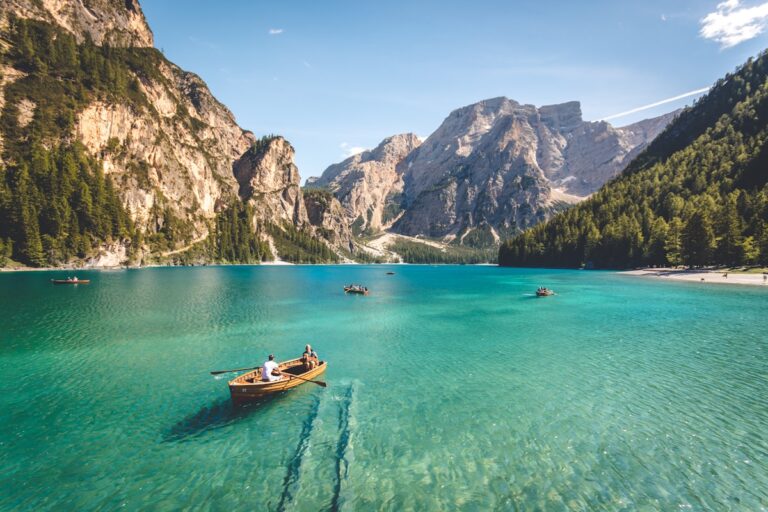
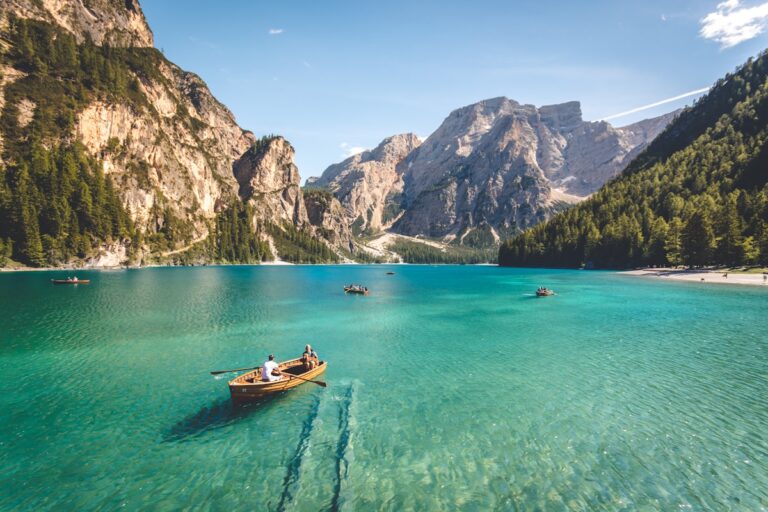
Unlike anywhere else in Xinjiang, the Pamirs deliver a landscape that feels genuinely Himalayan-alpine—jagged permanent snow, high-altitude wetlands dotted with grazing Kyrgyz yurts, and a silence so complete it rings in your ears. Karakul Lake itself is an ice-formed crater lake, its water shifting from jade-green to steel-blue to burnt-orange depending on cloud cover and angle. Nearby, Muztagh Ata Glacier Park lets you walk a boardwalk directly toward the glacier tongue at ~4,680 m.
The lake is accessible year-round in theory via the Karakoram Highway (G314) from Kashgar, but the practical window is May–Oct when guesthouses are open and roads are reliably clear. This is also one of the best places in China’s Xinjiang region to experience authentic Kyrgyz culture without the heavy commercialization found elsewhere.
The Geography and Geology of Karakul
Karakul sits in a tectonic depression between the Kongur Tagh (7,719 m) and Muztagh Ata massifs, both part of the Pamir-Prontal Knot where the Tianshan, Kunlun, and Hindu Kush ranges converge. The lake is approximately 36 square kilometers in surface area, with a maximum depth that researchers still debate—estimates range from 50 to over 100 meters. What makes it visually distinctive is the combination of altitude, orientation, and the fact that it’s a saline lake (no outlet), which gives the water its intense color saturation on calm days.

On the northern shore, a small community of Kyrgyz herders maintains seasonal yurt camps from May through September. Their presence is not a performance for tourists—this is their summer pasture, and the hospitality offered (milk tea, flatbread, overnight stays) follows centuries-old protocols of steppe generosity. If you’re invited into a yurt, accept. The experience of sitting on felt carpets, drinking salty milk tea as the wind rattles the canvas, and watching the stars emerge over a 7,000-meter peak is not something you can replicate in a hotel.
Seasonal Window & When to Go
| Consideration | Detail |
|---|---|
| Best Months | May through early October. June–August is warmest (daytime 12–20°C at lake level) but also peak domestic travel—go midweek if possible. |
| Shoulder Season | Late May and late September offer fewer crowds and crisp light, but nights dip below freezing. |
| Winter | Not recommended for independent travelers—heavy snow closes passes and altitude risk spikes. |
If you have flexibility, the last two weeks of September are magic. The domestic holiday crowds (Golden Week, early October) haven’t arrived yet, the poplar trees along the approach road turn gold, and the air is so clear that Muztagh Ata’s reflection in the lake looks photoshopped (it isn’t).
Tickets & Fees (2025–2026 rates)
Karakul Lake entrance: approx. ¥40–50 / person (collected at the checkpoint gate on the north shore; some viewpoints are visible from the road for free, but stepping into the managed lakeshore area requires the ticket)
Muztagh Ata Glacier Park: approx. ¥92 / person (includes mandatory shuttle bus fare; operating hours roughly 10:30–18:30, shuttles run hourly)
Border / Public Security Bureau (PSB) Permit (边防证): Required—you must hold a valid border-zone permit noting Taxkorgan / Tashkurgan County. Most travelers arrange this in Kashgar through their hotel or a travel agency (usually free or a nominal service fee). Bring your passport.
How to Get There
The lake sits roughly 190 km / 3.5–4 hours southwest of Kashgar along the Karakoram Highway (G314). This is not a boring highway—the route itself is the warm-up act. You’ll pass through the oasis town of Upal, climb into rocky foothills, stop at Baisha (White Sand) Lake (a surreal turquoise pool against gray-white dunes), and then crest the Subash Pass at 4,000+ meters before dropping down to the lake.

- Private 4×4 charter (most common for foreigners): ¥1,200–1,800 / vehicle / day including driver, with stops at Baisha (White Sand) Lake and Subash viewpoint. This is the recommended option—it solves the permit issue (driver handles checkpoints), gives you flexibility, and the road is patrolled / has occasional altitude-related issues.
- Public bus: Kashgar long-distance station runs a daily bus to Tashkurgan town (~¥60), but it won’t wait for photos and drops you at the county seat, not the lakeshore. Not ideal for a pure lake visit.
- Self-drive: Permitted only with proper paperwork and an approved itinerary. Check current rules with your tour operator.
What to Do at Karakul Lake
Photograph the reflection—The classic shot is from the northeast shore track looking south at Muztagh Ata mirrored in the lake. Best light: dawn (clear air) and 90 minutes before sunset.
Visit / stay in a Kyrgyz yurt camp—Several seasonal camps operate May–Sept on the north shore (¥80–200/person for a mattress on the floor + meals). It’s rustic—no plumbing—but waking up to glacier light from a felt tent is unforgettable.

Glacier Park boardwalk hike—From the shuttle drop-off, a 1.2 km plank walk leads to the glacier viewing platform. The walk is flat but the altitude (4,680 m) makes every breath deliberate. Horseback ride available one-way (~¥100) if you’re feeling the altitude.
Baisha (White Sand) Lake—En route, worth a 30-minute stop. Entrance ~¥40. The contrast between the white sand dunes and the intense blue water, with the gray Pamir peaks behind, creates a visual that doesn’t seem real.
Altitude & Safety (Non-Negotiable)
Karakul sits at 3,600 m. Altitude sickness is real here:
- Never ascend directly from Kashgar (1,280 m) to the lake AND exert heavily on the same day if you’re susceptible. Spend a night in Kashgar first to acclimate.
- Symptoms: headache, nausea, dizziness. Descend immediately if vomiting or confusion sets in.
- Bring: ibuprofen, sunscreen SPF 50+, lip balm, a warm layer (wind cuts through), and cash (no ATMs at the lake).
- No alcohol at altitude. Drink water—then drink more. The dry air means you don’t feel sweat, but you’re losing fluids fast.
Where to Stay & Eat
Accommodation at the lake is basic: yurt camps (¥80–200/person) with shared toilet facilities, or the Kara Kul Lake Hotel (¥300–500/night for simple rooms with heating). There are no luxury options—this is part of the adventure. For food, yurt camps serve yak-milk tea, flatbread, and simple noodle dishes. Bring energy bars and extra water from Kashgar.
For more ideas on where to stay across Xinjiang, check our main travel guide which covers accommodation at every major destination.
Photography Tips for the Pamir Light
The light at Karakul changes fast. The lake’s surface can go from mirror-calm to wind-rippled in minutes. For the classic reflection shot, arrive before 08:00 or after 18:00. The Subash Pass viewpoint (about 30 minutes before the lake) gives you the best wide-angle view of the entire water body with Muztagh Ata centered in the frame.

A few technical notes: the UV intensity at 3,600 m is extreme—even on an overcast day, you can get sunburned. SPF 50+ is not optional. For cameras, use a UV filter to protect your lens, and shoot in RAW format—the dynamic range between the bright snow and the dark water is extreme, and JPEG compression will lose detail in one or the other.
Combining Karakul with Nearby Attractions
Most travelers pair Karakul Lake with a stop in Tashkurgan (Taxkorgan) town, about 90 minutes further southwest. Tashkurgan offers the Stone City (石头城) ruins, Golden Grass Beach (金草滩), and a chance to experience Tajik culture. The Tajiks of Tashkurgan are ethnically distinct from both the Uyghurs of Kashgar and the Han Chinese of the east—they are Pamiri speakers, historically Ismaili Muslim, and their architecture and dress reflect this Central Asian heritage.
Our Xinjiang travel blog has detailed guides on Tashkurgan and the entire Kashgar–Pamir corridor.
Practical Checklist Before You Go
- PSB Border Permit (arranged in Kashgar 1–2 days before)
- Passport (always carry it on the Karakoram Highway)
- Warm jacket (even in July, nights hit near-freezing temperatures)
- Sunscreen SPF 50+ and sunglasses (UV intensity at 3,600 m is extreme)
- Cash in small bills (no card payment at the lake)
- Power bank (cold drains batteries fast at altitude)
Environmental Responsibility at High Altitude
The Pamir ecosystem is fragile. The combination of short growing seasons, slow soil formation, and increasing tourist footfall means that damage to the landscape persists for years. Pack out everything you pack in; don’t drive off-road on the lake shore; and if you stay in a yurt camp, don’t expect hot showers—every liter of water has to be hauled and heated manually.
The Verdict
Karakul Lake isn’t just a destination—it’s a threshold. Once you’ve stood on its shore and watched Muztagh Ata’s reflection shatter and reform in the wind, the Pamir Plateau gets under your skin. That’s the real souvenir.