Pamir Plateau Travel Guide: What Foreign Visitors Need to Know
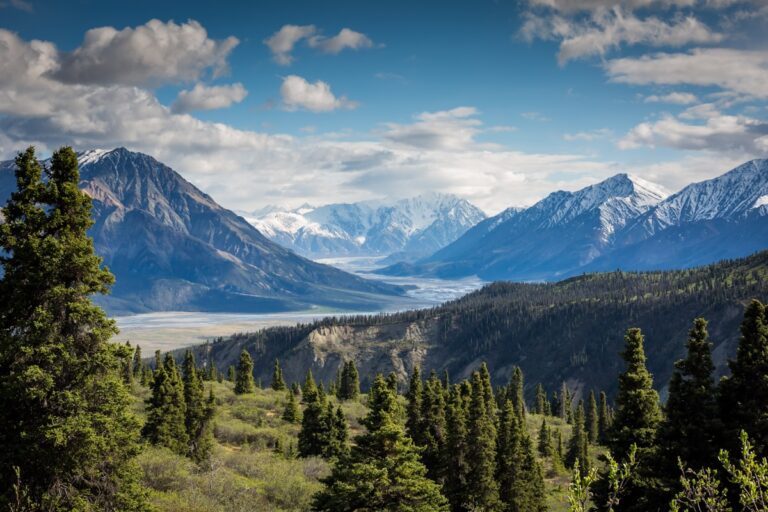
If Xinjiang is regarded as a crown adorning Western China, then the Pamir Plateau is the most dazzling gem embedded on this crown. Known as the Roof of the World, this magnificent land stands as the convergence of major mountain ranges across Asia, and also serves as a vital strategic passage linking the ancient Silk Road to Central Asia.
Last updated: July 15, 2026 · Written by Karl Huang, a Xinjiang travel specialist who has spent time across the region. Practical details are cross-checked against official tourism, transport, and border-regulation sources.
| Best time | Peak May–October; off-season November–April (cold, some closures). |
|---|---|
| How long | 5–7 days on the plateau. |
| Difficulty | High — altitude 3,000m+; acclimatize slowly. |
| Cost level | Mid–High; remote and permit-gated. |
| Permit required | YES — border pass for Tashkurgan and the Khunjerab side. |
| Don’t miss | Muztagh Ata, Karakul Lake, Panlong Ancient Road, Tashkurgan. |
For international travelers planning a trip to the Xinjiang Pamir Plateau in 2026, this journey is far more than a visual feast; it is a soul-stirring adventure spanning time and space. This in-depth guide fully unfolds the mysteries of the Pamir Plateau, ranging from breathtaking snow-capped mountains and alpine lakes to distinctive ethnic cultures, offering you a detailed and practical adventure roadmap.
Part 1 General Introduction | What Is the Pamir Plateau?
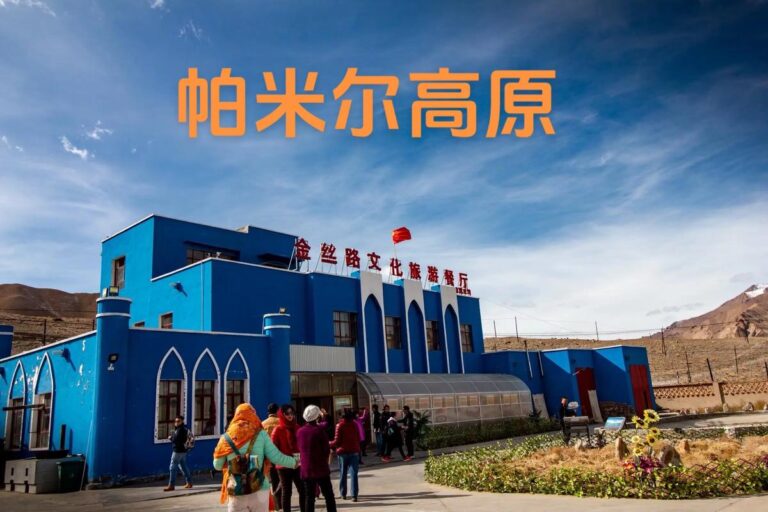
Anciently named Congling, the Pamir Plateau boasts an average altitude of over 4,000 meters, spanning across China, Tajikistan, Afghanistan and other countries. Within Chinese territory, it is mainly situated in Kashgar Prefecture, southwestern Xinjiang, and has been the ancestral homeland of the Tajik and Kirghiz ethnic groups for generations.
It is not only a geographical “Roof of the World”, but also an intersection where diverse cultures blend harmoniously.
An in-depth tour of the Xinjiang Pamir Plateau enables you to experience:
- Extreme natural landscape contrasts: From the snow-capped Father of Ice Mountains — Muztagh Ata, to sapphire-like Karakul Lake; from White Sand Lake featuring silvery sand dunes and crystal waters, to the otherworldly Muji Volcanic Group known as the Eye of the Pamirs. Such diverse and pristine scenery is rarely seen anywhere else on earth.
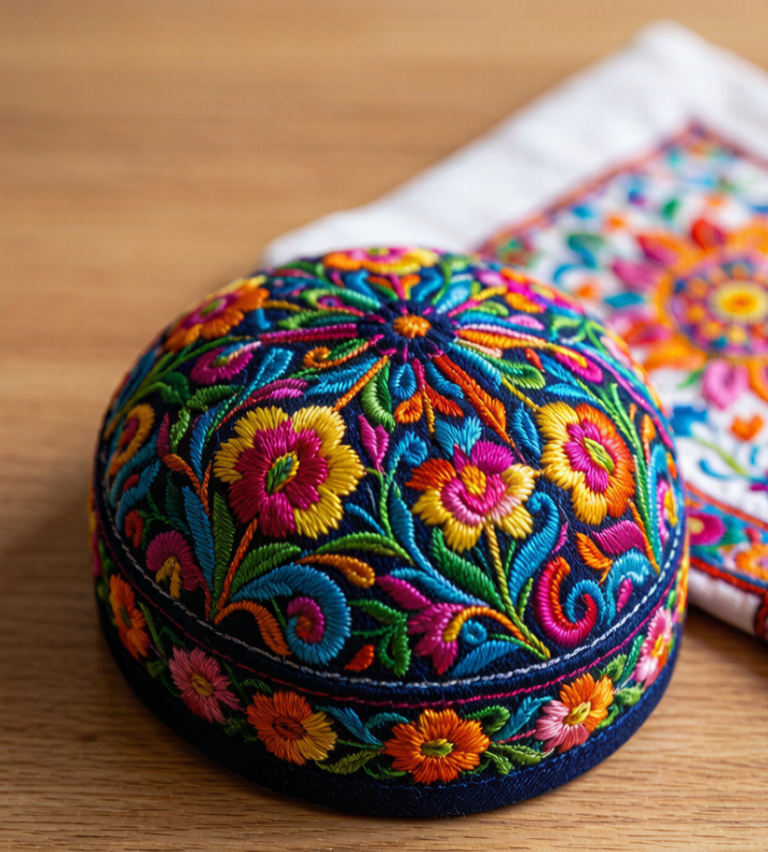
- Living ancient Silk Road culture: In Taxkorgan Tajik Autonomous County, you can immerse yourself in the unique customs of the Tajik people — China’s only indigenous white ethnic group, who are universally renowned for their hospitality and profound traditional culture.
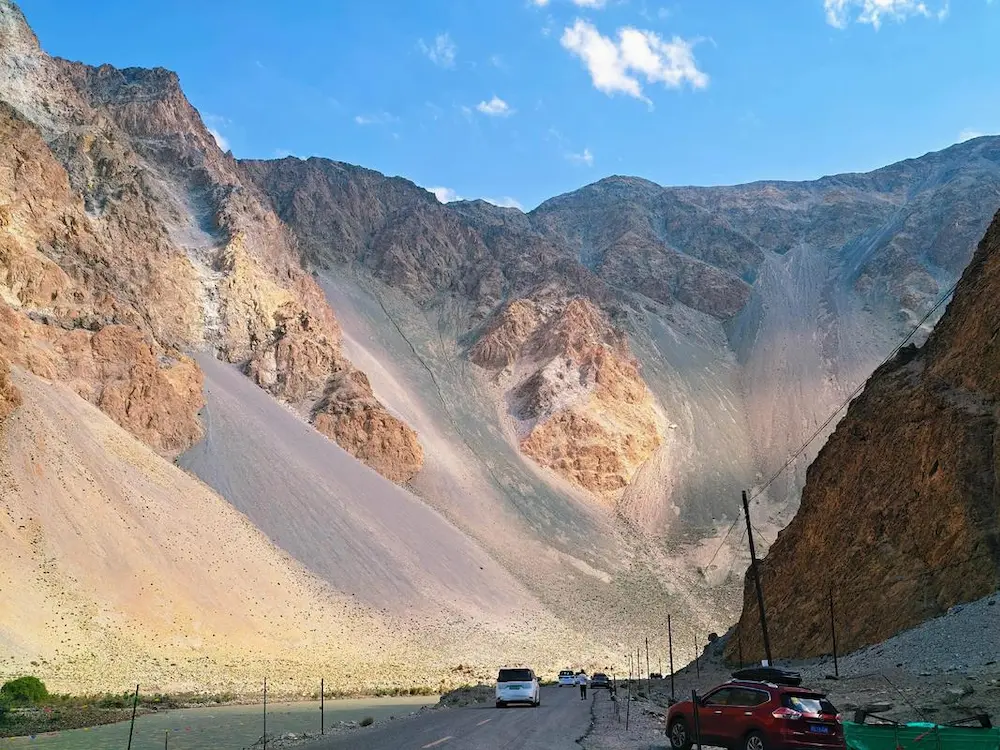
- Epic overland road trips: Driving along the famous China-Pakistan Friendship Highway (G314) is an unparalleled grand adventure. Ranked among the world’s highest and most picturesque highways, it connects Kashgar with Pakistan, presenting scroll-like stunning scenery all the way.
The core charm of traveling on the Pamir Plateau lies in its perfect integration of peerless natural wonders, profound cultural heritage and adventurous exploration vibes.
Part 2 Top 5 Unmissable Highlights of the Pamir Plateau
1. Admire Muztagh Ata — Father of Ice Mountains
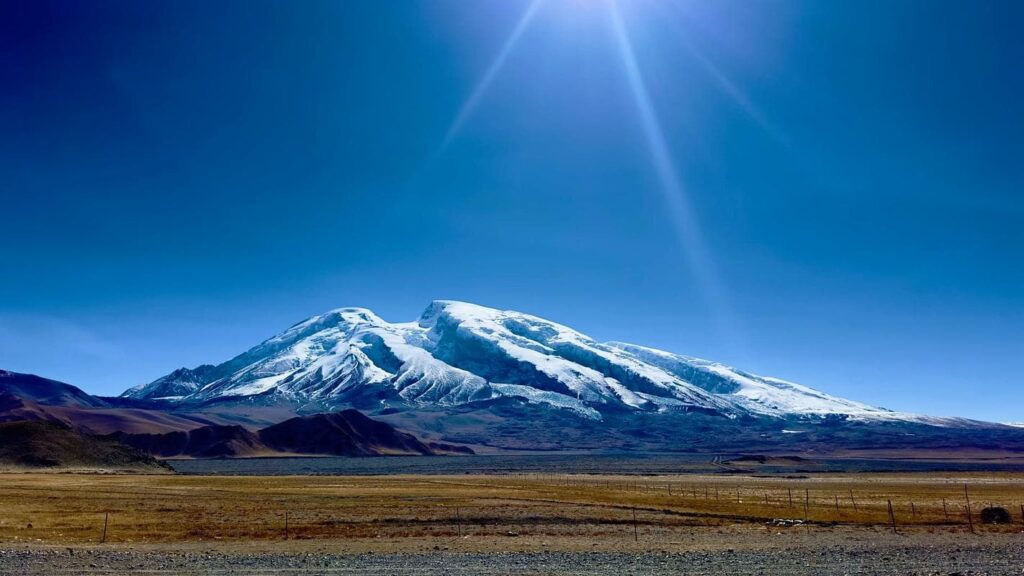
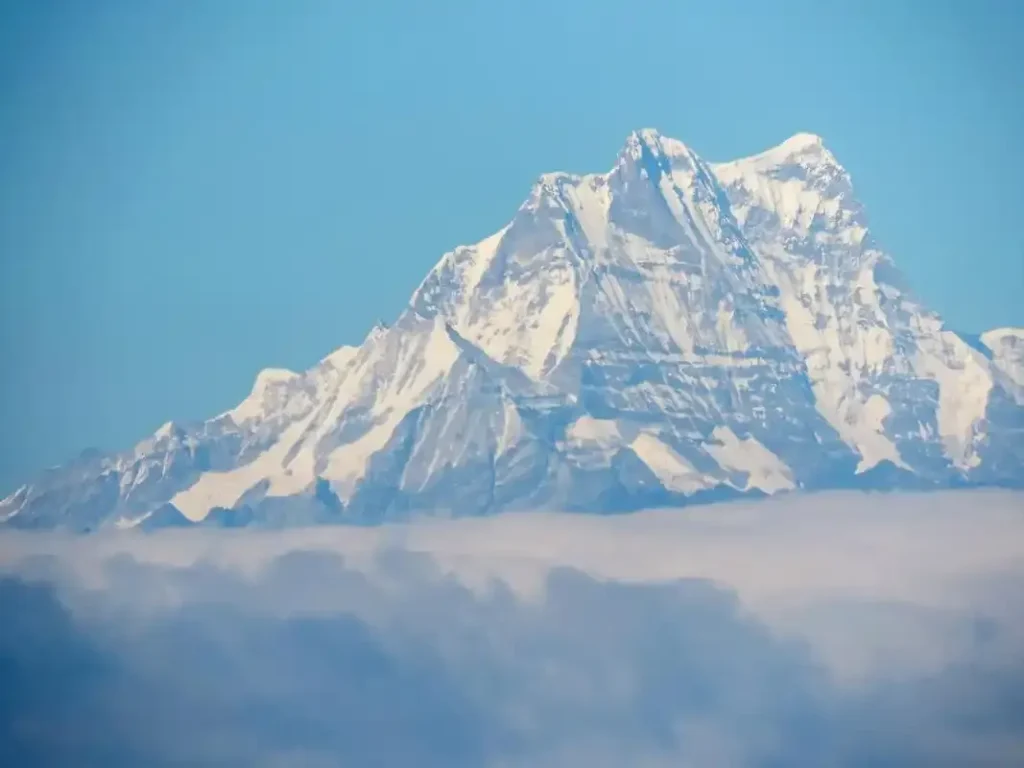
Standing at 7,509 meters above sea level, Muztagh Ata is the iconic landmark of the Pamir Plateau. Instead of being sharp and precipitous, it features grand and massive mountain massifs. Its perfect reflection can be fully appreciated by the shore of Karakul Lake; especially during sunrise and sunset, the snow-capped peak is dyed golden, presenting a sacred and solemn scene. It is an ideal beginner-level 7,000-meter snow mountain for mountaineering enthusiasts, while distant viewing is already stunning enough for ordinary tourists.
2. Encounter the Blue Tears of the Plateau — White Sand Lake & Karakul Lake
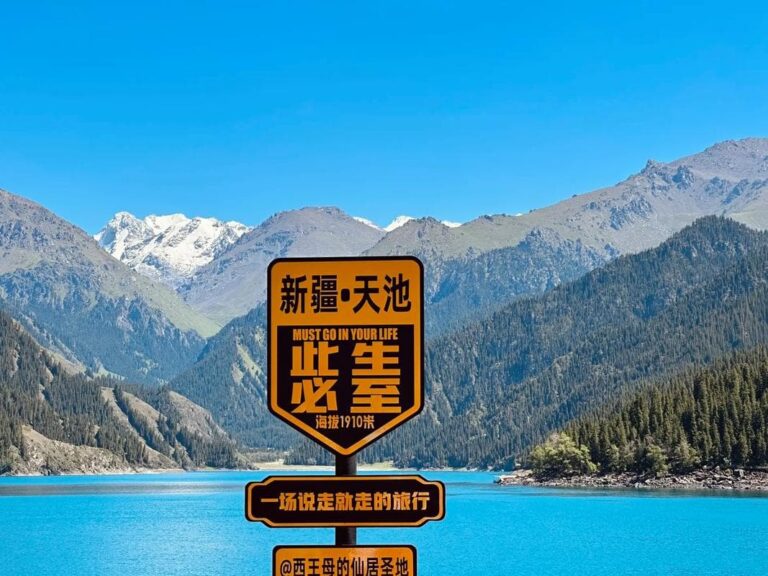
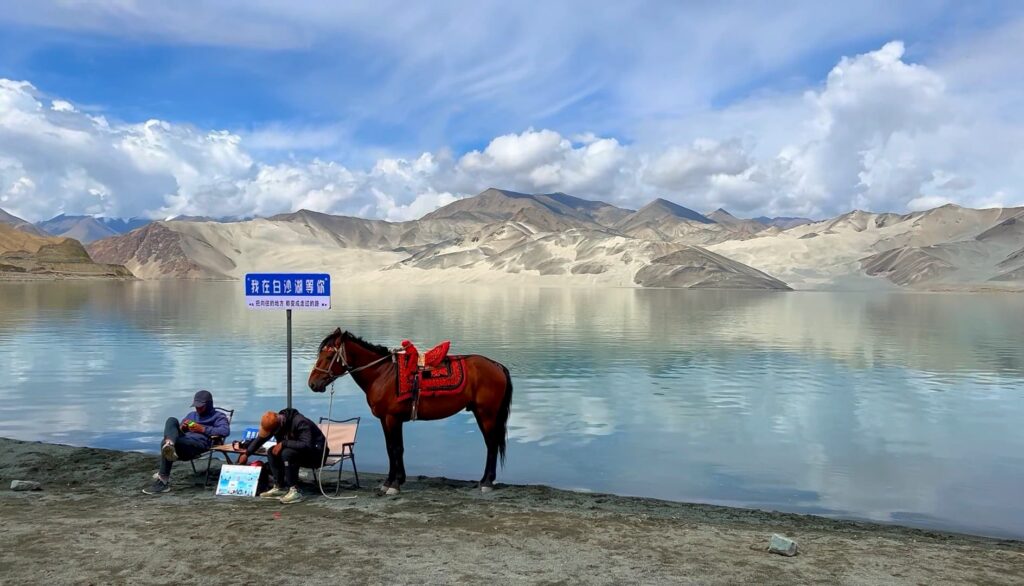
These two alpine lakes are the most sparkling gems along National Highway G314. White Sand Lake is famous for its silvery white sand mountains and ever-changing turquoise lake water, forming dreamlike blue-and-white scenery. In contrast, Karakul Lake has deep dark blue waters, perfectly mirroring Muztagh Ata and Kongur Tiube Peak. On clear days, the lake surface is just like a huge sky mirror.
3. Explore the City Above the Clouds — Taxkorgan
As China’s westernmost county seat, Taxkorgan is the core hub of Tajik culture. Wander around the Stone City Ruins to recall the prosperous trade scenes of ancient Silk Road caravans; stroll along wooden boardwalks in Golden Grass Beach to watch grazing cattle and sheep against the backdrop of snow-capped mountains, and feel the serene vitality of alpine wetlands. The hospitable Tajik people are known as “the tribe descending from heaven”. Their eagle flutes, eagle dances and sincere smiles become the warmest memories of your journey.
4. Challenge the Road of Life Twists — Panlong Ancient Road
This internet-famous winding road is located in Waqa Township, Taxkorgan. Stretching merely over 30 kilometers, it features more than 600 sharp S-shaped bends, resembling a giant dragon coiling among mountains when viewed from above. The roadside inscription reads: Having traveled all winding roads today, all your future journeys will be smooth and plain, making it a classic check-in site carrying profound life philosophy for numerous travelers.
5. Discover Hidden Treasures — Bandir Blue Lake & Eye of the Pamirs
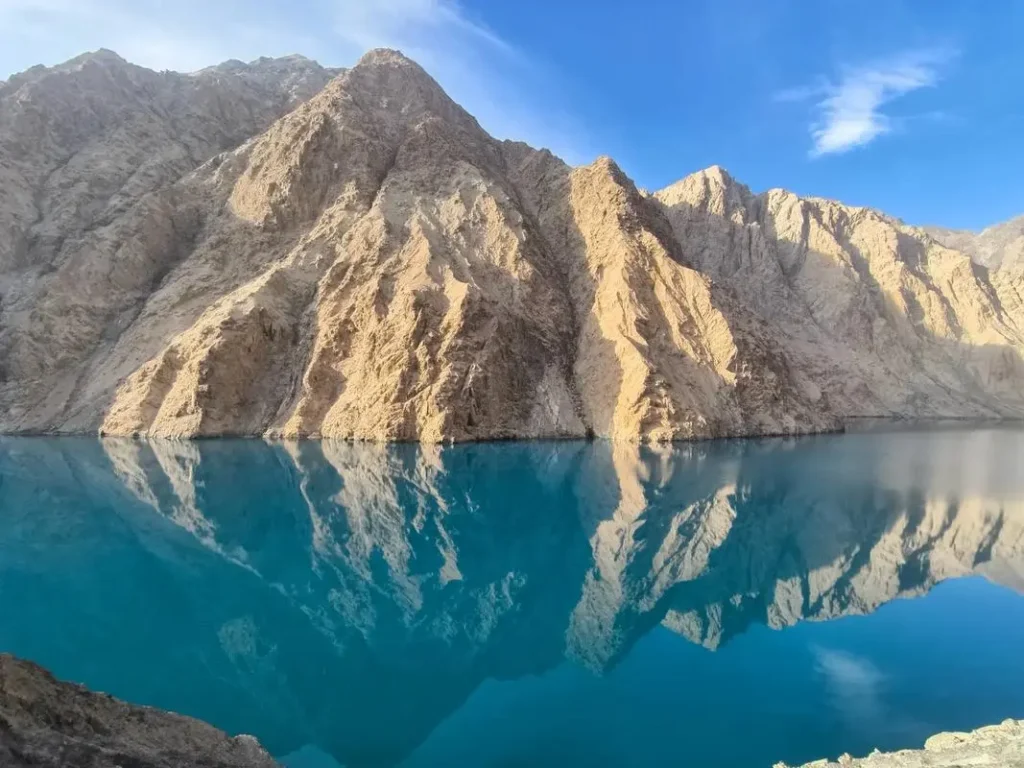
Nestled deep in mountain valleys, Bandir Blue Lake (Xiabandi Reservoir) is famous for its fantastic Tiffany-blue water, forming a striking visual contrast with surrounding gray-white rocky mountains. The Eye of the Pamirs (Muji Volcanic Craters) is a more secluded secret scenic spot. Aerial views show colorful volcanic craters just like pupils of the earth, showcasing marvelous and magnificent geological wonders.
Part 3 Best Travel Seasons & Seasonal Guide 2026
Timing is essential for arranging a perfect Pamir Plateau tour. Characterized by frigid alpine climate, the plateau has a relatively concentrated accessible travel period.
Peak Travel Season (May – October)
Roads are fully accessible and weather conditions are relatively pleasant during this period.
- May – June (Spring): Ice and snow thaw gradually, alpine meadows turn green and wild flowers bloom one after another. With fewer tourists, you can enjoy peaceful undisturbed scenery. However, drastic temperature gaps between day and night require sufficient warm clothing.
- July – August (Summer): The warmest time of the year, ideal for summer escape. Grasslands are lush and lake water is abundant. Yet it is also the local rainy season with volatile weather, and sudden showers or hailstones may occur occasionally.
- September – Early October (Highly Recommended): Crisp autumn days bring crystal-clear sky and ultra-high visibility. The outlines of snow-capped peaks become extremely distinct, grasslands are dyed golden, and lake water presents the deepest and most saturated hues. It boasts optimal photography light and layered picturesque scenery.
Off-Season (November – April)
Severe cold and heavy snow block most mountain roads, and most scenic spots are closed. It is not suitable for regular sightseeing trips, only accessible to a small number of professional exploration teams.
Golden Advice for Foreign Travelers: September is the perfect month to visit the Pamir Plateau, featuring gorgeous scenery, pleasant weather and fewer crowds.
Part 4 Classic 5–7 Days Pamir Plateau Itinerary
A complete in-depth Pamir Plateau tour generally takes 5 to 7 days, here is a highly recommended classic loop route:
Day 1 Arrive in Kashgar
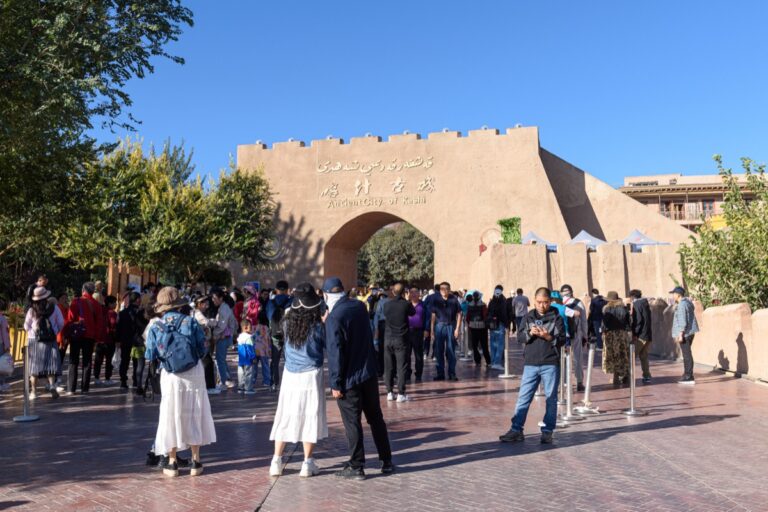
Acclimatize to local altitude, apply for border entry permits, visit Kashgar Ancient City and Etigar Mosque to experience authentic Uyghur folk customs.
Day 2 Kashgar → Taxkorgan
Depart along G314 China-Pakistan Friendship Highway, pass Oytag Red Mountain with distinctive Martian landforms, stop by White Sand Lake to admire fairy-tale blue-and-white views, then proceed to Karakul Lake for distant views of Muztagh Ata. Overnight in Taxkorgan County.
Day 3 In-depth Tour around Taxkorgan
Visit Stone City Ruins and Golden Grass Beach in the morning; drive to Panlong Ancient Road to experience the winding road scenery in the afternoon, then head to the secluded Bandir Blue Lake. Return to Taxkorgan for accommodation.
Day 4 Taxkorgan → Muji Township (Optional) → Return to Kashgar
If your border permit covers Muji Township, take time to explore the Eye of the Pamirs (Muji Volcanic Craters). Then head back to Kashgar, enjoying snow mountains and alpine lakes along the way again.
Day 5 Depart from Kashgar or continue your journey to Northern Xinjiang
Part 5 All-Round Practical Travel Tips for International Visitors
1. Essential Travel Documents
Border Area Entry Permit: Taxkorgan and surrounding border zones belong to border control areas. All foreign visitors (including travelers from Hong Kong, Macao and Taiwan) must apply for a valid Border Area Entry Permit via qualified local travel agencies in Kashgar in advance. It is the top priority for your trip.
2. Altitude Sickness Prevention
The average altitude of the Pamir Plateau ranges from 3,000 to 4,000 meters. It is advised to stay in Kashgar (1,300 meters above sea level) for 1 to 2 days for altitude acclimatization before heading uphill. Slow down all physical activities, drink plenty of water, and prepare glucose drinks, rhodiola rosea supplements and portable oxygen cylinders. Maintaining a positive mindset is the best way to prevent altitude sickness.
3. Recommended Transportation Mode
Chartered car with local driver is the best choice: Complicated plateau road conditions and long distances between scenic spots make chartered travel most practical. Experienced local drivers are familiar with road conditions, weather changes and local customs, greatly improving travel safety and overall experience. Self-driving is only suitable for travelers with rich mountain driving experience and high-chassis vehicles.
4. Clothing & Outdoor Essentials
Follow the onion-style dressing method. Must-have items: windproof and waterproof outdoor jacket, fleece jacket / lightweight down jacket, warm hats, SPF50+ high-power sunscreen, UV-protective sunglasses, lip balm and thermal vacuum flasks. Non-slip comfortable hiking shoes are a necessity.
5. Accommodation & Catering
Accommodation options in Taxkorgan are mainly hotels and homestays with limited conditions, please book rooms in advance. Local cuisines are dominated by Xinjiang-style dishes and Sichuan food; you can taste specialties such as yak hot pot and lamb pilaf. It is suggested to prepare extra snacks and vitamin supplements.
6. Cultural Etiquette & Photography Tips
Local Tajik and Kirghiz people are simple and honest. Always smile and ask for sincere permission before taking photos of local residents, especially women and children. Dress modestly and appropriately when entering mosques.
7. Environmental Protection Awareness
The alpine ecological environment is extremely fragile. Please take away all your personal garbage and do not leave any waste to protect the pristine plateau land.
Conclusion Start Your 2026 Journey from the Roof of the World
A trip to the Xinjiang Pamir Plateau is a journey about vision, colors and inner peace. Here, you will feel the grandeur of nature and the insignificance of human beings, and also be warmed by the purest smiles of local people.
In 2026, when you drive along the China-Pakistan Friendship Highway, gaze upon the snow-capped summit of Muztagh Ata, and capture the dreamlike blue scenery of White Sand Lake with your camera, you will fully understand why the Pamir Plateau is listed as a must-visit destination once in a lifetime.
Start your travel plan right now, equip yourself with courage to cope with altitude sickness, embrace an inclusive mind to experience diverse cultures, and get ready to be shocked by unprecedented stunning scenery. Standing atop the Asian continent, this magnificent land is waiting to narrate the most ancient and grand legends of the Silk Road for you.
Is Xinjiang safe to visit?
Yes, Xinjiang is considered very safe for tourists with strong security presence throughout the region.
Do I need a visa?
Foreigners need a valid Chinese visa. No separate Xinjiang permit needed for most tourist areas.
What currency should I bring?
Chinese Yuan (RMB). Credit cards accepted in hotels; carry cash for markets and rural areas.
Can I find English-speaking guides?
Available in major tourist areas through hotels or travel agencies. Book in advance for best results.
For the whole overland route, my Pamir Highway Xinjiang Guide: Kashgar to Tashkurgan on the Karakoram Highway covers Kashgar to Tashkurgan, permits, and where to overnight.