2026 Xinjiang Food Guide:A Silk Road Culinary Adventure for Foreign Travelers
Last updated: July 15, 2026 · Written by Karl Huang, a Xinjiang travel specialist who has spent time across the region. Practical details are cross-checked against official tourism, transport, and border-regulation sources.
Covering one-sixth of China’s land area, Xinjiang is not only a living museum of natural landscapes but also an extraordinary melting pot of flavors. As a pivotal corridor on the ancient Silk Road, it seamlessly blends Central Plains farming culture, Central Asian nomadic traditions, and even Mediterranean culinary influences. The result is a bold, rich, and hearty food culture defined by robust flavors, generous portions, and uncomplicated authentic cooking styles.
For international travelers planning a trip to Xinjiang in 2026, tasting local delicacies is the most direct and delightful way to immerse yourself in the region’s diverse ethnic culture. This 2026 Xinjiang food guide unlocks the culinary secrets across Northern and Southern Xinjiang. From the cosmopolitan city of Urumqi to the ancient oasis town of Kashgar, the pastoral Jiangnan of Ili, and the fiery oasis of Turpan, we take you through Xinjiang’s most authentic iconic flavors, with a thoughtful taste compatibility rating for every dish tailored to foreign palates.
Why a Xinjiang Food Tour Is Unmissable in 2026
The soul of Xinjiang cuisine lies in authenticity. It rejects elaborate plating, relying instead on the freshest local ingredients, simple time-honored cooking methods, and a warm spirit of communal sharing. With upgraded tourism services and deeper international cultural exchanges in 2026, foreign visitors will enjoy easier access and more immersive food experiences.
Core charms of Xinjiang cuisine:
- Meat Lover’s Paradise: Lamb, beef and chicken take center stage. Grilling, stewing, braising and slow-roasting perfectly preserve the original aroma and juiciness of premium meat.
- Kingdom of Noodles & Breads: Nang flatbread, hand-pulled noodles, baked samsa buns and naren noodles come in countless forms, serving as essential staples for every meal.
- Art of Spices: Cumin, chili flakes and onions form the foundational flavor profile, with each region boasting its own unique spice blends.
- Rich Dairy Culture: Yogurt, milk tea and dried cheese curds are daily staples, offering a refreshing, palate-cleansing balance to heavy meat dishes.
For Western travelers, Xinjiang’s familiar grilled meats, lamb preparations and iconic spices like cumin create a low barrier to entry. Meanwhile, more unique regional specialties offer a thrilling taste challenge for adventurous food lovers.
Culinary City Map: A Taste Tour Across Northern & Southern Xinjiang
1. Urumqi: Fusion Feast of an International Metropolis
As Xinjiang’s capital, Urumqi gathers the finest delicacies from across the region, making it the perfect starting point for foreign food explorers.
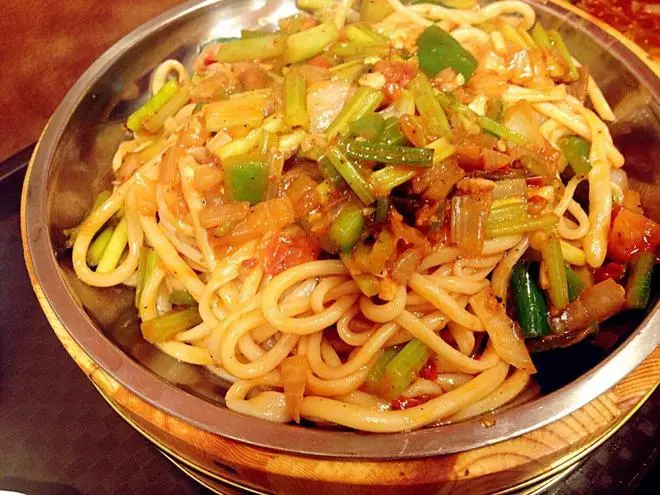
Spicy Big Plate Chicken
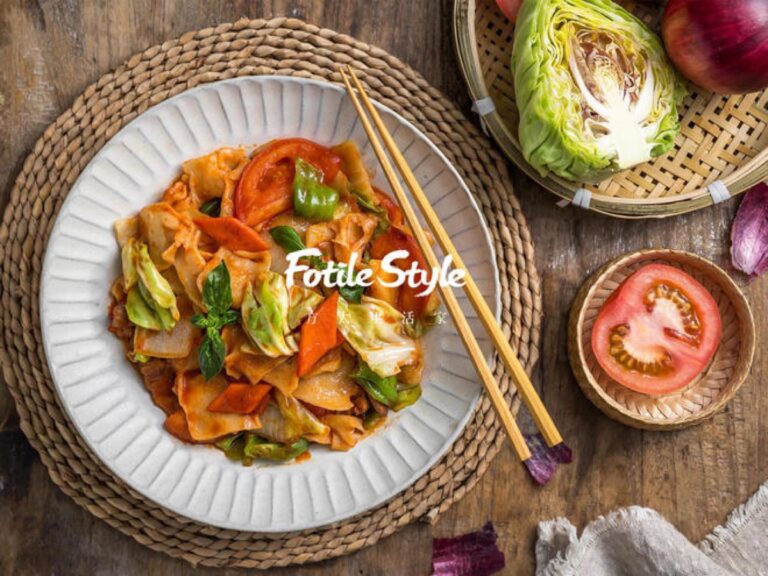
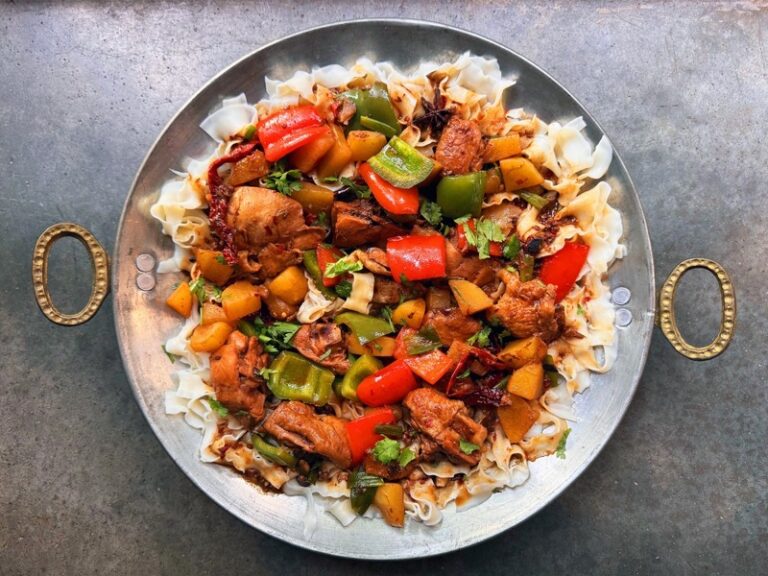
Xinjiang’s national signature dish. Chunks of chicken are stir-fried with potatoes, green and red peppers, then slow-simmered in a rich savory sauce. Wide handmade noodles are added at the end to soak up every drop of flavorful broth. Vibrant in color, savory with a mild spicy kick, with tender potatoes and well-seasoned chicken.
Foreign Palate Compatibility: Extremely High
Similar to Western meat stews, chicken and potatoes are universally loved ingredients. Spiciness and saltiness can be adjusted upon ordering to suit personal taste.
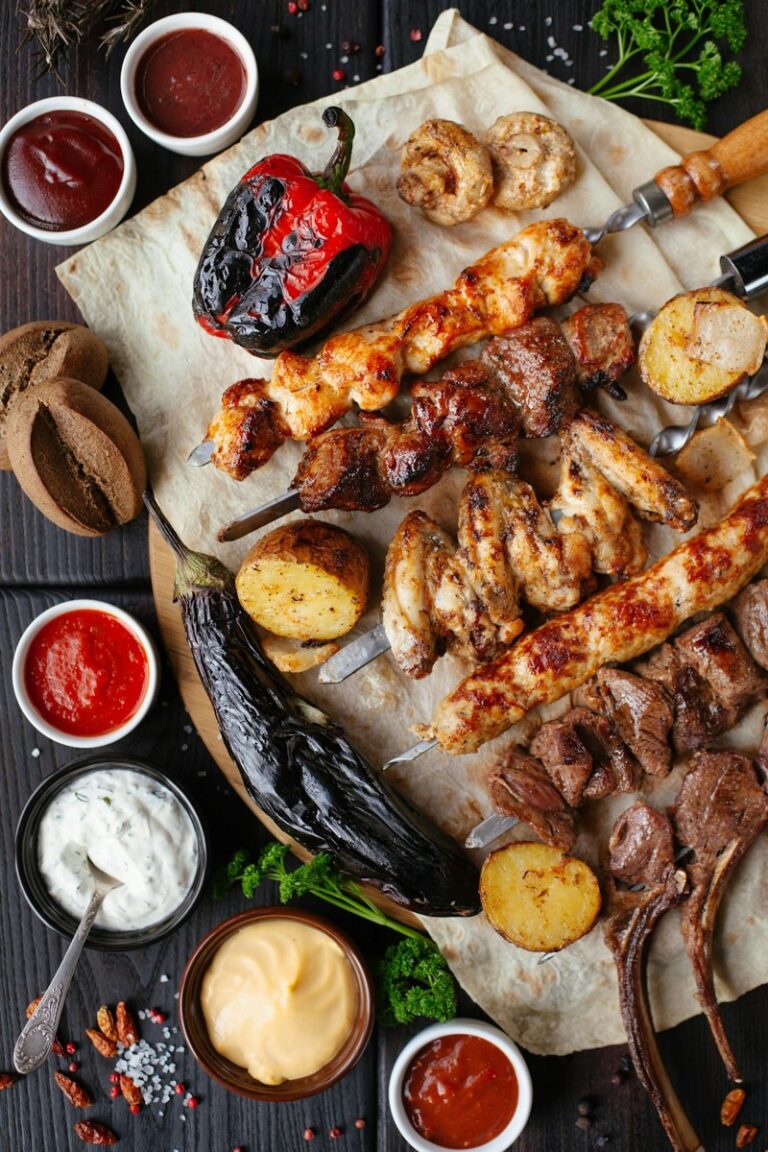
Grilled Lamb Skewers
The king of Xinjiang street food. Juicy marbled lamb leg meat is threaded onto iron skewers and grilled over charcoal, seasoned simply with salt, cumin and chili flakes. Crisp on the outside, tender inside, infused with smoky charcoal and natural lamb aroma.
Foreign Palate Compatibility: Extremely High
A globally beloved grilled snack. Cumin adds a distinctive yet approachable flavor, making it the perfect “safe introduction” to Xinjiang cuisine.
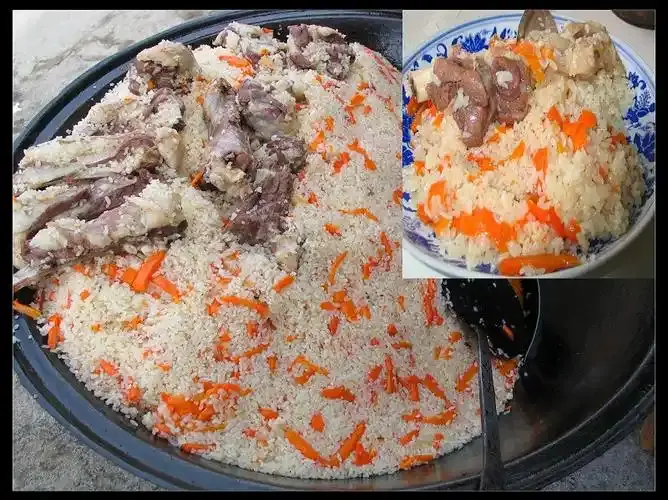
Uyghur Lamb Pilaf (Polo)
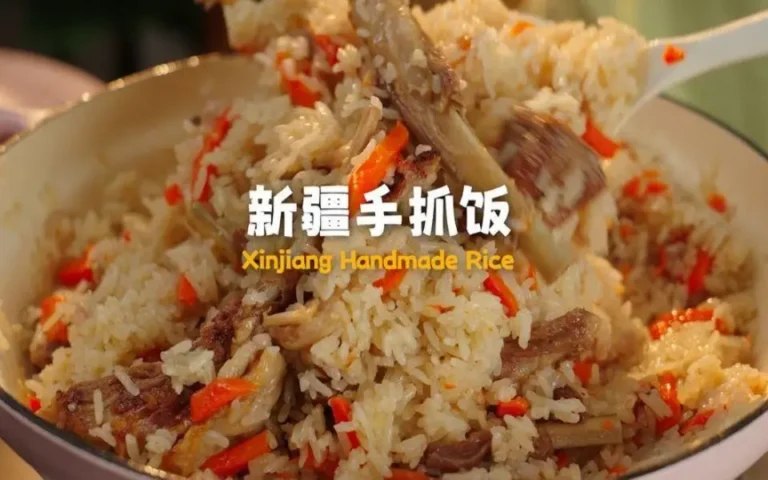
Known locally as Polo. Fragrant rice is slow-cooked with yellow carrots, tender lamb and onions, resulting in glossy separate grains and melt-in-your-mouth lamb. Traditionally eaten by hand, now commonly served with spoons. Often paired with Pilax Hong — a refreshing cold salad of onion, tomato and chili to cut through richness.
Foreign Palate Compatibility: Very High
Closely resembles Middle Eastern pilaf, with a delightful sweet note from carrots paired with savory lamb, offering balanced nutrition and familiar flavors.
Baked Samsa Buns
Square pastry pockets stuffed with diced lamb, lamb tail fat, onions and traditional spices, baked against the inner walls of a nang oven until golden and flaky. Crisp crumbly crust, juicy savory filling.
Foreign Palate Compatibility: Medium-High
Texturally similar to savory flaky pastries. The rich lamb tail fat may be an acquired taste for some; try one first to savor the flavor.
Sheep Lung & Rice Sausage
A quintessential local street snack. Sheep lung is infused with batter and steamed to a soft tender texture; lamb intestines are stuffed with rice and offal. Served cold in salad style or stir-fried.
Foreign Palate Compatibility: Medium-Low
Offal ingredients and unique textures require an adventurous palate, yet it is an authentic taste of local street life worth trying for cultural enthusiasts.
2. Kashgar: Timeless Traditional Flavors of an Ancient Silk Road City
Kashgar is the heart of Uyghur culture, home to the most traditional, unaltered cooking methods and rich Central Asian culinary charm.
Kashgar Baked Samsa
Distinct from Urumqi’s version, Kashgar’s samsa uses local pasture-raised lamb with a higher onion ratio, delivering an intensely aromatic, bold flavor after baking.
Foreign Palate Compatibility: Very High
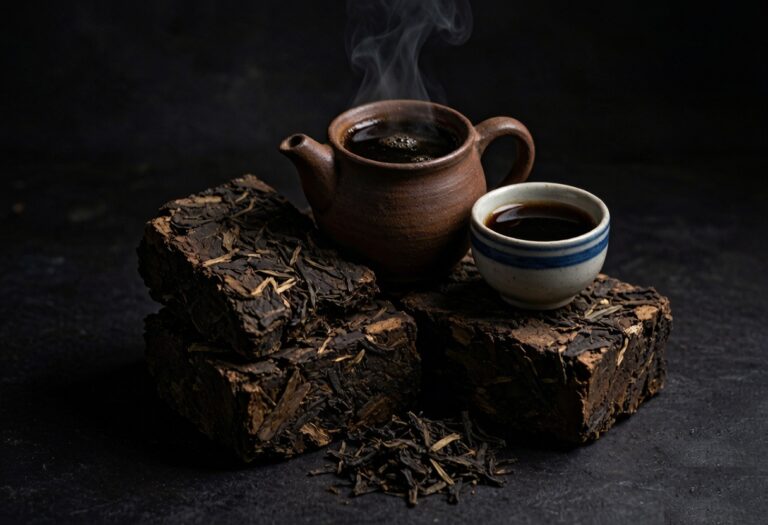
Pair with a pot of brick tea at a century-old teahouse to perfectly balance the richness of the pastry.
A miniature clear lamb stew. Chunks of lamb, yellow carrots and turnips are simmered slowly over charcoal in vintage enamel mugs. The broth is clear, fresh and pure in natural flavor, usually enjoyed with a piece of nang bread.
Foreign Palate Compatibility: Extremely High
A light, clean lamb broth with subtle natural flavors — ideal for foreign travelers who prefer mild, non-spicy food.
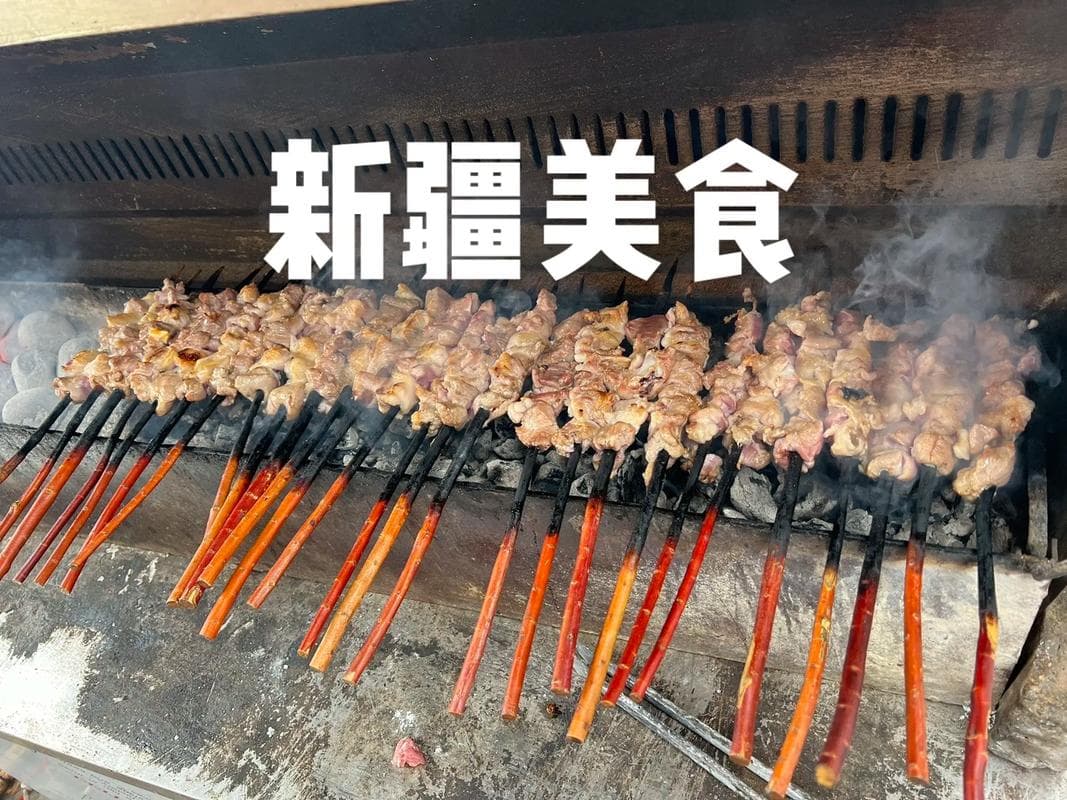
Red Willow Lamb Skewers
Thick lamb chunks are skewered on fresh red willow branches and grilled. The wood releases a delicate herbal fragrance that infuses the meat, adding a unique natural aroma.
Foreign Palate Compatibility: Extremely High
Hearty premium grilled meat elevated by subtle herbal notes; an unforgettable grilled specialty.
Yogurt Glutinous Rice Dumpling
Cold glutinous rice dumplings are flattened and topped with thick homemade fermented yogurt, drizzled with honey or syrup. Cool, sweet and tangy, the perfect dessert to cut through rich meat dishes.
Foreign Palate Compatibility: Extremely High
A refreshing fusion of tangy yogurt and sweet glutinous rice with a novel, universally loved flavor profile.
3. Ili: Rich Pastoral Flavors of Grassland Nomads
Endowed with lush water and grass, Ili’s cuisine carries strong nomadic characteristics, with dairy products and smoked meats as local specialties.
Naren Noodle Soup
A traditional Kazakh staple. Hand-rolled wide noodles are topped with tender shredded slow-cooked lamb or horse meat, then poured over with hot savory broth, often served with raw onions.
Foreign Palate Compatibility: Medium
The noodle soup format is familiar, but horse meat features a firmer texture and unique gamey flavor that may take time to adapt to.
Smoked Horse Sausage
A time-honored Kazakh method of preserving meat for winter. Horse meat and fat are stuffed into casings, air-dried and smoked with pine and fruit tree branches. Sliced and served cold, with firm meat and a strong smoky aroma.
Foreign Palate Compatibility: Medium
Rich smoky flavors represent authentic nomadic culture; recommended to try a small portion for a unique cultural taste experience.
Balesh Pie
A signature Tatar specialty resembling a large savory pie. A crisp pastry crust encloses a hearty filling of potatoes, lamb and onions, baked to perfection with layered textures and generous portions.
Foreign Palate Compatibility: Very High
Similar to Western savory pies, with a comforting potato and lamb filling that appeals widely to foreign tastes.
Fermented Mare’s Milk / Camel Milk
Naturally fermented pastoral drink with a slight alcoholic tang and fizzy texture, believed to aid digestion.
Foreign Palate Compatibility: Low
Its sour, gamey and effervescent taste is an acquired challenge for adventurous travelers only.
4. Turpan: Sweet Gifts of the Sun-Drenched Oasis
Famous for grapes, Turpan’s cuisine is defined by natural sweetness, making full use of its abundant local melons and fruits.
Raisin Lamb Pilaf
A twist on classic lamb pilaf infused with Turpan’s famous raisins. The natural honeyed sweetness of raisins blends perfectly with savory lamb rice, creating a balanced sweet-savory flavor that is rich yet not greasy.
Foreign Palate Compatibility: Very High
The sweet raisin note complements lamb beautifully, suiting travelers with a preference for mild sweet-savory flavors — a Turpan must-try.
Dou Dou Noodles
A local Turpan pasta specialty. Hand-pulled noodles are served with a hearty sauce of local small beans and minced lamb, with a satisfying chewy texture and unique bean aroma.
Foreign Palate Compatibility: Medium
Noodles are familiar, but the distinct flavor and texture of local beans may require a slight adaptation period.
Grape-Infused Dishes
In Turpan, grapes are more than just fruit — they are a core ingredient. Try grape noodles, grape grilled meat and raisin milk tea, showcasing locals’ creative use of grapes in everyday cuisine.
Foreign Palate Compatibility: Medium-High
Fruit-infused savory dishes offer a novel, delightful sweet-savory surprise for adventurous eaters.
Practical Food Tips for Foreign Travelers (2026)
- Start Slow, Explore BoldlyBegin with universally loved dishes like grilled skewers, big plate chicken and lamb pilaf. Gradually try samsa buns and naren noodles, then challenge unique specialties such as sheep lung sausage and smoked horse sausage. Many border-region restaurants have adjusted flavors to suit foreign tastes.
- Local Palate Cleansers Are Your Best FriendXinjiang food tends to be rich and oily. Raw onions, plain yogurt and brick tea are perfect for cutting through richness. Pair pilaf or grilled meat with Pilax Hong onion-tomato salad, and finish meals with unsweetened yogurt for easy digestion.
- Nang Bread: The Ultimate All-RounderDry, crispy and long-lasting, nang is Xinjiang’s staple companion. Tear pieces to soak in lamb soup like mug lamb soup, or enjoy it alongside grilled meat — an essential travel food for your journey.
- Mind Portions & Dining RhythmXinjiang dishes come in generous portions; share meals in groups to avoid waste. The region has a dry climate — drink plenty of water, and avoid drinking icy beverages immediately after heavy grilled meals to prevent stomach discomfort.
- Choose Dining Venues WiselyFor authentic local flavors, visit bustling night markets such as Kashgar’s Han Bazaar or old town neighborhood restaurants. For refined ambiance and cultural performances, opt for upscale ethnic restaurants in major cities.
- Respect Local Dietary CultureWhen dining at halal restaurants, respect Islamic dietary customs. Avoid mentioning or bringing non-halal food and drinks into halal premises.
Conclusion: Let Your Taste Buds Lead Your 2026 Xinjiang Journey
This 2026 Xinjiang food guide is just a glimpse into the region’s vast culinary treasure trove. From the creative fusion flavors of Urumqi and age-old traditions of Kashgar, to the pastoral richness of Ili and sun-kissed sweetness of Turpan, every bite embodies a blend of geography, history and ethnic culture.
In 2026, as you travel across Xinjiang, embrace the local cuisine and let your taste buds be your most loyal guide. Whether indulging in street food at lively night markets or savoring tea and snacks in quiet ancient teahouses, food will become the warmest bridge connecting you to this land and its people.
Wishing you a 2026 Xinjiang journey filled not only with breathtaking scenery but also with an unforgettable culinary adventure along the ancient Silk Road.
-
What are the must-try dishes in Xinjiang?
Must-try dishes include Da Pan Ji (big plate chicken), lamb kebabs, naan bread, and hand-pulled noodles.
-
Is Xinjiang food spicy?
Xinjiang food is flavorful but not necessarily spicy. It features cumin, pepper, and other aromatic spices.
-
Can I find vegetarian food in Xinjiang?
Yes, there are vegetarian options available, though meat dishes are more common in local cuisine.
-
Where is the best place to eat in Xinjiang?
Local night markets and family-run restaurants offer the most authentic dining experiences.