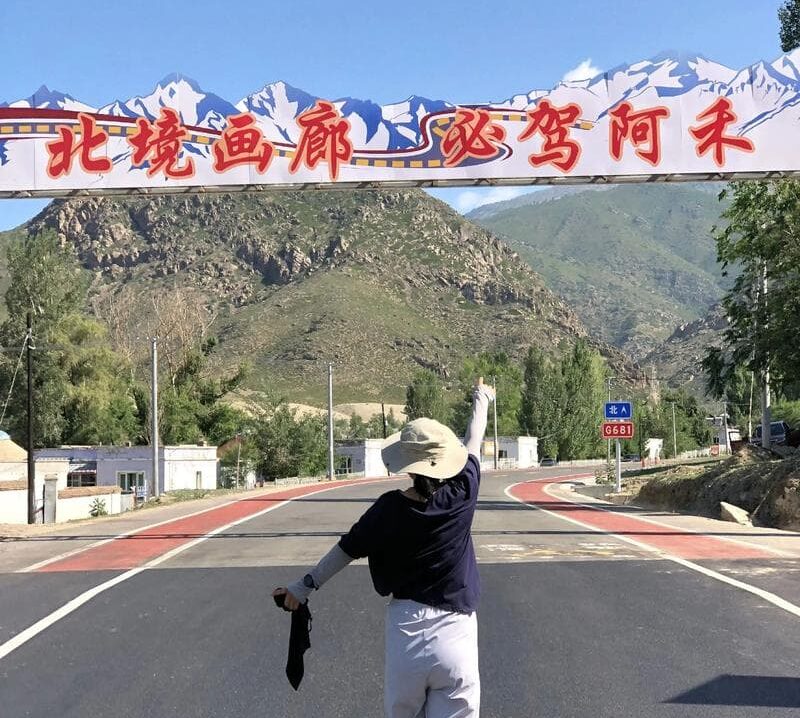
2026 Ultimate Self-Drive Guide to Xinjiang’s Ahe Highways
Last updated: July 15, 2026 · Written by Karl Huang, a Xinjiang travel specialist who has spent time across the region. Practical details are cross-checked against official tourism, transport, and border-regulation sources.
Across Xinjiang’s vast landscape, two distinct routes share the name Ahe Highway—each offering one of China’s most extraordinary self-driving adventures. Whether you choose the northern route from Altay to Hemu in northern Xinjiang, or the southern route cutting through the Taklamakan Desert in southern Xinjiang, both promise an unforgettable, awe-inspiring journey for international travelers in 2026. This guide breaks down everything you need to plan the perfect Ahe Highway self-drive trip.
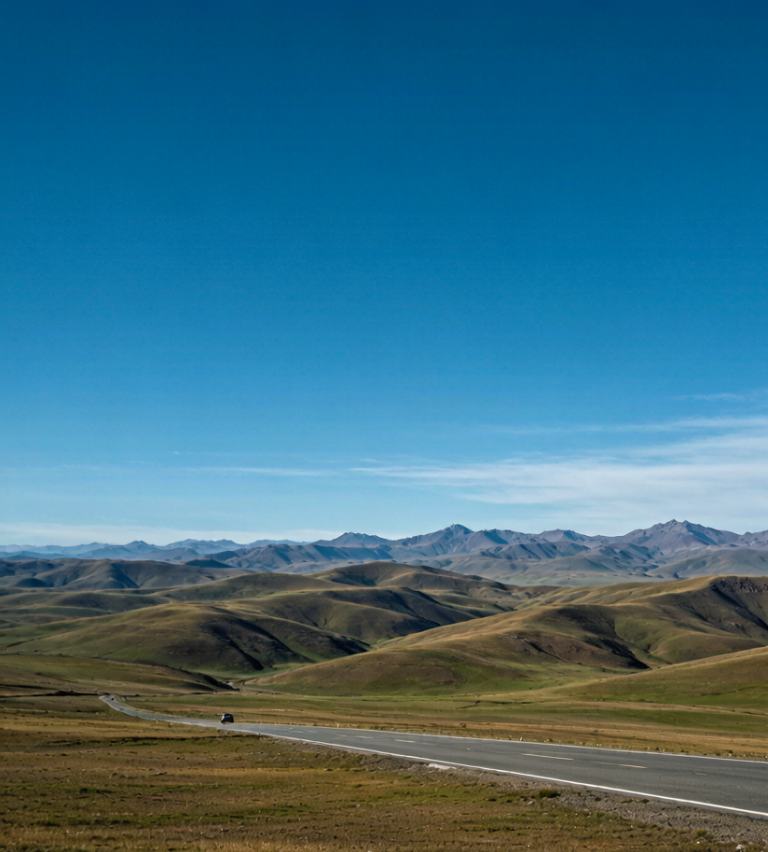
For international driving enthusiasts chasing extreme natural beauty and adventure, the Ahe Highways present two wildly different options: the northern route is ascenic corridor packed with snow-capped mountains, forests, and grasslands, while the southern route is a lifeline that challenges the world’s second-largest shifting desert. No matter which you pick, your Ahe Highway self-drive will be the highlight of your Xinjiang trip. Both roads are testaments to the perfect blend of human engineering and natural wonder—ideal for experiencing Xinjiang’s vastness and diversity.
Key Distinction: The Two “Ahe Highways”
Before planning your trip, it’s crucial to know which Ahe Highway you want to explore:
Northern Ahe Highway (Altay–Hemu)
- Location: Altay Prefecture, northern Xinjiang
- Route: Altay City → Hemu Village
- Length: ~208–220 km
- Key Landscapes: Snow-capped mountains, virgin forests, alpine grasslands, wetlands, Tuvan villages
- Best Time to Visit: June–October (lush greenery in summer; vibrant autumn foliage)
Southern Desert Highway (Luntai–Minfeng, commonly called Ahe Highway)
- Location: Tarim Basin, southern Xinjiang
- Route: Luntai County → Minfeng County (crossing the Taklamakan Desert)
- Length: ~522 km (407 km of which is desert)
- Key Landscapes: Vast sand seas, thousand-year-old poplar forests, desert oilfields, oasis civilizations
- Best Time to Visit: October–November (golden poplar leaves, mild temperatures)
Below is a detailed guide to both routes—choose one or combine them based on your interests and schedule.
Northern Ahe Highway (Altay–Hemu): Drive into “God’s Private Land”
Route Highlights
The northern Ahe Highway’s best stretch connects Altay City to Hemu Village, a fairy-tale settlement. Officially opened in February 2025, this road slashes the original 6-hour drive to just 3–5 hours, completely transforming self-driving in northern Xinjiang. Dubbed the “most beautiful highway in northern Xinjiang,” it links eight distinct landforms—gobi, canyons, forests, rivers, wetlands, snow-capped mountains, grasslands, and stone forests—acting like a moving “physical geography encyclopedia.”
5 Unmissable Experiences
1. Unmatched Scenic Density & Variety
In just over 200 kilometers, the scenery changes dramatically. Starting in Altay City, you’ll pass through:
- Xiaodonggou Scenic Area: A springtime oasis where forests and streams wind together.
- Wuxilike Wetland Park: Mirror-like lakes reflecting the sky—perfect for aerial photos.
- Yekaxia Gorge: A hidden photography spot where spring snow contrasts with fresh green grass.
- Tongba Virgin Forest & Tuolehaite Summer Pasture: Wind through spruce-lined mountain roads to reach northern Xinjiang’s most stunning summer pasture, dotted with牛羊 (cattle and sheep).
- Hemu Village: Your final stop—known as “God’s Private Land,” a primitive wooden village surrounded by birch forests and snow-capped peaks.
2. Immersive Cultural Experiences with Tuvans & Kazakhs
This trip is about more than just scenery. In Hemu Village, you can:
- Stay in a Tuvan wooden homestay: Wake up to birdcalls and cooking smoke for an authentic village experience.
- Watch morning mist from Haden Platform: Hemu’s most famous sight—arrive before 6 a.m. to capture the village wrapped in mist.
- Join a local home visit: Learn about Tuvan culture and listen to the melodious horse-head fiddle.
- Taste local food: Try Altay fat-tailed sheep hot pot and Kazakh hand-grasped meat in Altay City; in Hemu, don’t miss freshly baked naan and wild vegetable buns.
3. A Year-Round Photographer’s Dream
- Summer (June–August): Lush green grasslands and blooming wildflowers—ideal for pastoral photos.
- Autumn (September–October): Golden birch forests line the highway, with magical sunset light.
- Winter (December–February): A snow-covered fairyland, with stunning rime along the road.
4. Great Accommodation Options
- Start: Altay City has well-equipped business hotels (e.g., Jindu Hotel Altay).
- Mid-route: Homestays near Tuolehaite Summer Pasture let you stay deep in the grasslands.
- End: Hemu Village offers everything from budget wooden cabins to high-end scenic homestays (e.g., Hemu Resort). Book early!
5. Friendly Driving Conditions
- Roads: The entire route is paved asphalt—ordinary sedans can handle it. Some mountain sections have sharp curves, so drive carefully.
- Recommended Vehicle: SUVs or 4WD are better for visibility and passability (sedans work too).
- Fuel: Gas stations are only in Altay City and Hemu Village—fill up at the start!
Classic 3-Day Itinerary
Day 1: Arrive in Altay & Settle In
Fly into Altay Airport, pick up your rental car (SUV recommended). Spend the afternoon exploring Altay City—visit Birch Forest Park and try local food. Overnight in Altay.
Day 2: Drive the Ahe Highway to Hemu
Leave Altay in the morning to start your self-drive. Stop for photos and short hikes at Xiaodonggou, Wuxilike Wetland, Yekaxia Gorge, and Tuolehaite Summer Pasture. Arrive in Hemu Village in the afternoon—stroll Hemu Bridge and watch the sunset. Overnight in a Hemu wooden cabin.
Day 3: Hemu Morning Mist & Departure
Wake early to hike Haden Platform for mist photos. Wander the village and visit the Century-Old House Café in the morning. In the afternoon, either drive to Kanas Scenic Area to continue your northern Xinjiang trip or head back to Altay.
Southern Ahe Highway (Luntai–Minfeng): Conquer the “Sea of Death”
Route Highlights
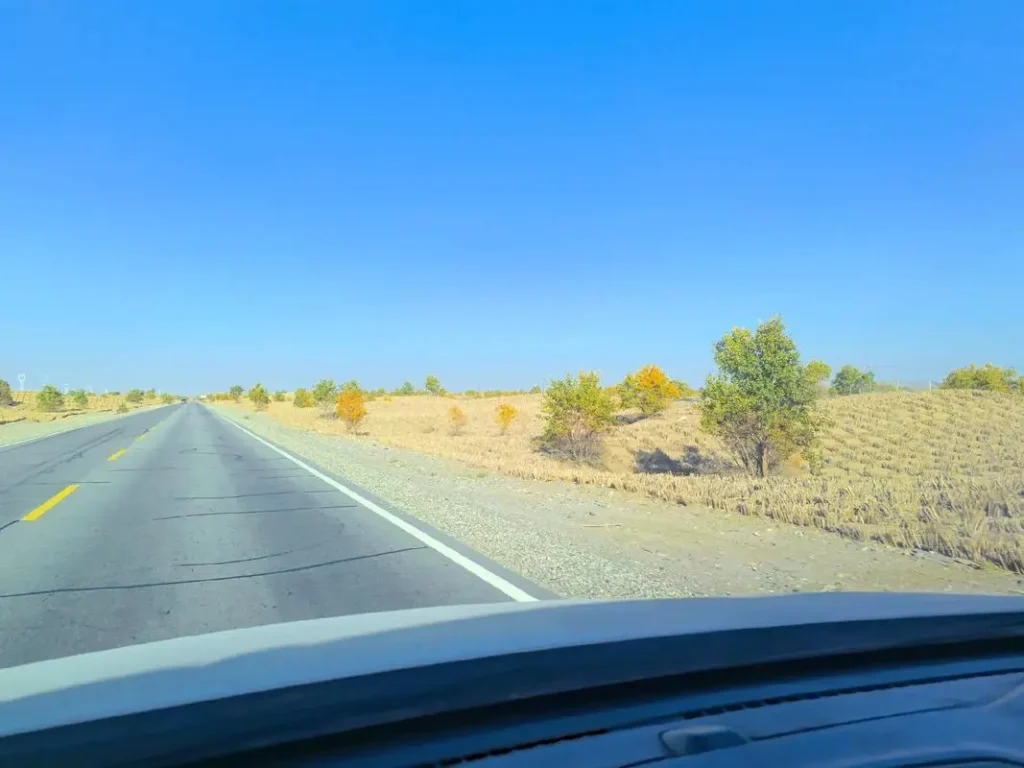
The southern Ahe Highway is a test of courage and perseverance. Stretching through the Taklamakan Desert—the world’s second-largest shifting desert—this road is a feat of human ingenuity. It’s not just a transportation route; it’s a unique scenic belt that lets you safely experience the desert’s vastness and solitude.
5 Unmissable Experiences
1. Feel Extreme Solitude & Vastness
Drive along the straight desert highway, surrounded by endless rolling sand dunes. With wide skies and few people, you’ll feel a sense of solitude you can’t find in cities—truly understanding the meaning of “vastness” and “humility.”
2. Witness the “Miracle of Life”: Millennial Poplars
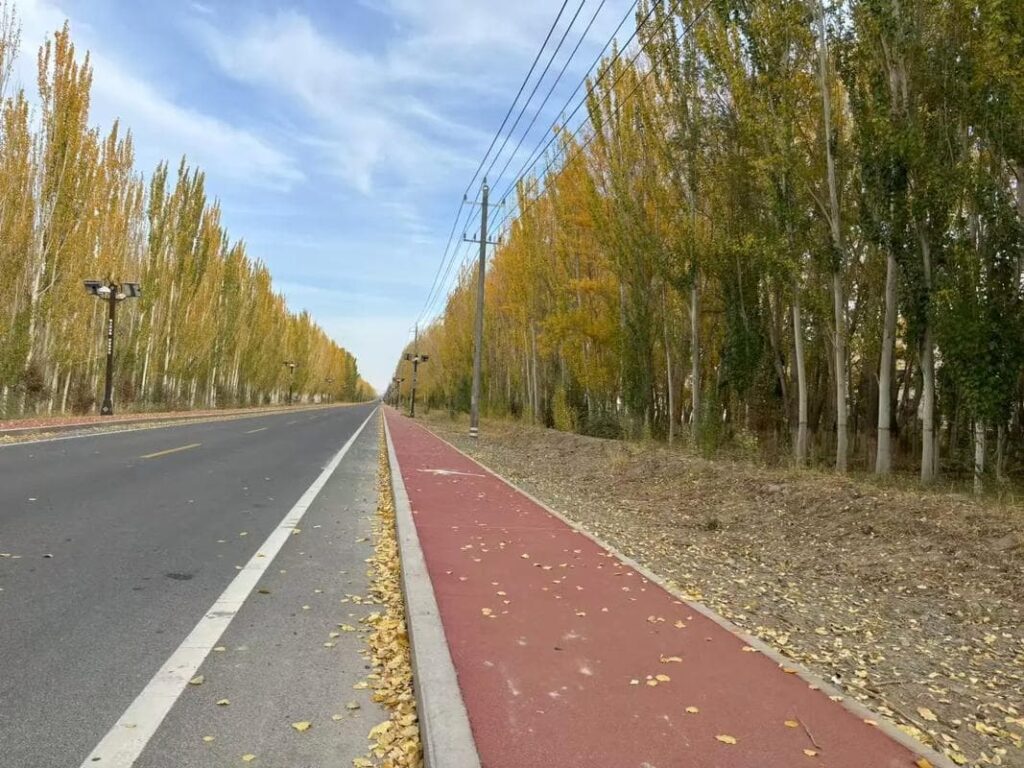
Poplar forests are the soul of this highway. Stop at Luntai Tarim Poplar Forest Park at the start to experience the poplar’s spirit: “Alive for a thousand years, dead for a thousand years, fallen for a thousand years.” Autumn (late October–early November) is best—golden leaves contrast vividly with the yellow desert.
3. Visit “Human Islets” in the Desert
- Water Well Houses: 108 well houses line the route, staffed by couples who maintain the desert’s green belts. Visiting them and hearing their stories is the trip’s most touching cultural experience.
- Tazhong Oilfield Base: A supply and accommodation hub in the desert’s heart, known as a “desert islet.” The Tazhong Desert Hotel is basic but offers a one-of-a-kind stay.
4. Encounter Desert Wildlife & History
- Wildlife: With luck, spot wild camels, sand foxes, and other desert creatures—observe from a distance.
- Niya Ruins: After exiting the desert in Minfeng County, visit the ancient Niya Ruins (Jingjue Kingdom—usually only visible from afar; advance application required) to explore Silk Road mystery.
- Yutian Folk Customs: Uyghur women’s distinctive clothing in Yutian County offers a glimpse of southern Xinjiang’s culture.
5. Easy Driving Requirements
- Roads: Smooth asphalt throughout—ordinary family sedans work perfectly.
- Recommended Vehicle: SUVs are better for visibility and photography.
- Supplies: Tazhong Town has basic food and accommodation, but options are limited. Fill up in Luntai and bring plenty of water and snacks.
Classic 4-Day Itinerary
Day 1: Korla → Luntai → Early Desert Drive
Pick up your rental car (4WD SUV recommended) in Korla and head to Luntai. Visit Tarim Poplar Forest Park in the morning. Enter the desert highway in the afternoon—drive ~100 km, visit 2–3 well houses, and photograph the desert sunset. Overnight at Tazhong Oilfield Base’s Desert Hotel.
Day 2: Tazhong → Minfeng (~300 km)
Continue crossing the desert all day. Stop safely to visit well houses and explore designated desert areas (never stray from the highway). Arrive in Minfeng County in the evening—check into a hotel and try Hotan-style night market food (roasted eggs, yogurt rice cakes, rack-roasted meat).
Day 3: Minfeng → Hotan (~300 km)
Visit Niya Museum (if open) in the morning to learn about Jingjue Kingdom history. Drive to Hotan in the afternoon—visit Hotan Museum (see the “Five Stars Rising in the East Benefiting China” brocade replica) and browse Hotan Grand Bazaar. Overnight in Hotan.
Day 4: Depart Hotan or Continue Southern Xinjiang Loop
Fly out from Hotan Airport or drive to Kashgar to extend your southern Xinjiang trip.
General Practical Guide for Ahe Highway Self-Drives
Pre-Trip Prep & Must-Haves
No matter which route you choose, thorough preparation is key:
Documents
- Passport, valid Chinese tourist visa (L visa), driver’s license (China-recognized international license or official translation), vehicle registration (provided by the rental company).
- The northern Ahe Highway is near the border—apply for aBorder Management Zone Permit in your hometown or Urumqi in advance.
Vehicle & Equipment
- Inspect your rental car thoroughly (tires, brakes, oil, AC, spare tire) before departure.
- Emergency items: Tow rope, tire inflator, flashlight, first-aid kit, garbage bags. Add sand boards for the southern route.
- Electronics: Download offline Xinjiang maps (unstable signal in deserts/mountains), power bank, camera, drone (great for aerial photos—follow local rules).
Personal Items
- Sun & wind protection: SPF50+ sunscreen, wide-brimmed hat, windproof sunglasses, face scarf, sun jacket.
- Clothing: Xinjiang has extreme day-night temperature differences—dress in layers (short sleeves + light jacket during the day; fleece or thin down jacket at night). Thick down jackets are a must in winter.
- Medicine: Cold medicine, stomach medicine, motion sickness pills, band-aids, lip balm (desert dryness).
Safety & Environmental Tips
- Never drive off the highway: Straying into desert sand traps vehicles easily, and shifting dunes can lead to getting lost—extremely dangerous.
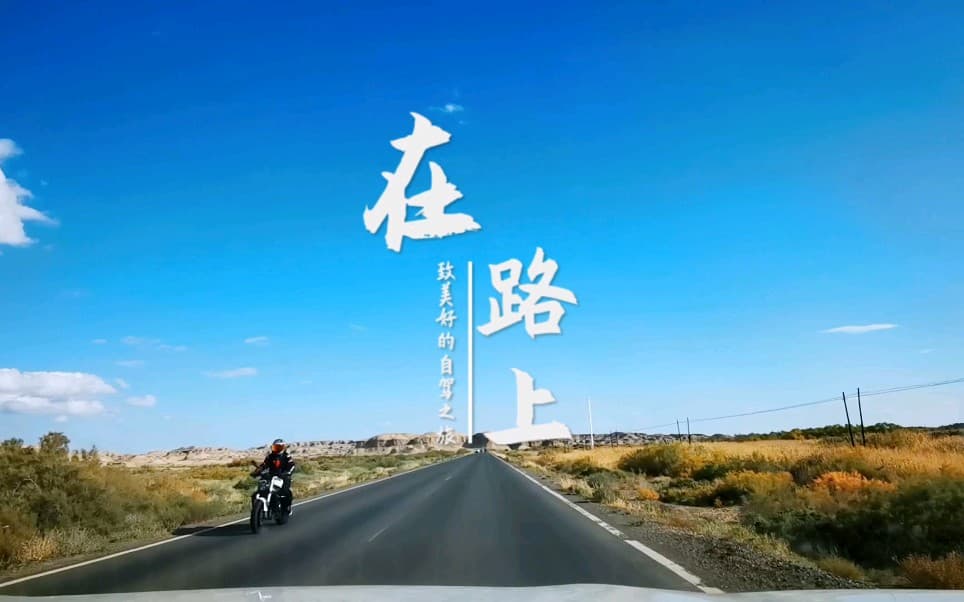
- Drive carefully: Mountain curves (northern route) and long straight roads (desert route) cause fatigue—control your speed and avoid drowsy driving.
- Respect local culture: Xinjiang is multi-ethnic—honor the customs and beliefs of Uyghur, Kazakh, Tuvan, and other groups.
- Leave No Trace: The ecosystem is fragile—take all garbage with you to protect this precious land.
- Check weather & roads: Confirm the latest conditions before departure. Some high-altitude northern sections may close due to snow in winter.
Budget Reference (Per Person, 5–7 Days, Chinese Yuan / RMB)
| Item | Northern Ahe Highway (Budget) | Southern Ahe Highway (Budget) | Notes |
|---|---|---|---|
| Car Rental/Charter (Daily) | 400–600 | 400–600 | SUV, 5-day calculation |
| Fuel & Tolls | 500–800 | 600–900 | Depends on mileage |
| Accommodation (Daily) | 200–400 | 150–300 | Budget hotels/homestays |
| Meals (Daily) | 100–150 | 100–150 | Local specialties |
| Scenic Tickets & Experiences | 200–300 | 150–250 | Poplar Forest Park, Hemu Village, etc. |
| Total (5 Days) | ~2,000–3,500 | ~1,800–3,200 | Excludes international flights |
A self-drive on the Ahe Highways—whether through northern Xinjiang’s emerald landscapes or southern Xinjiang’s solitary desert—is a soulful journey into Asia’s heart. It tests not just your driving skills, but your appreciation for the natural world. In 2026, start your engine and follow these legendary roads to discover a Xinjiang beyond your wildest imagination.
-
Do I need a visa to visit Xinjiang?
Yes, you need a valid Chinese visa. Some areas near borders may require additional permits.
-
What is the best time of year to visit Xinjiang?
The best time is from May to October. July and August are peak season with the best weather.
-
How many days do I need for a Xinjiang trip?
We recommend at least 7-10 days to see the highlights of both northern and southern Xinjiang.
-
Is it safe to travel to Xinjiang?
Yes, Xinjiang is safe for tourists. The region has extensive security measures and low crime rates.