Xinjiang Travel Attractions Guide
Last updated: July 15, 2026 · Written by Karl Huang, a Xinjiang travel specialist who has spent time across the region. Practical details are cross-checked against official tourism, transport, and border-regulation sources.
Xinjiang, as China’s largest provincial-level administrative region, boasts a rich diversity of natural landscapes and profound cultural heritage. This land not only carries the historical memory of the ancient Silk Road but also encompasses magnificent scenery including snow-capped mountains, lakes, deserts, and grasslands. Whether seeking natural wonders or experiencing diverse ethnic cultures, Xinjiang fulfils every traveller’s expectations. This article will provide a detailed analysis of Xinjiang’s core tourist attractions, categorised by major tourist cities.
Below is a quick overview of Xinjiang’s principal tourist cities and their core attractions:
| Major cities/regions | Core attractions | Attraction Category | Key Highlights | Suitable for |
|---|---|---|---|---|
| Ürümqi | Heavenly Lake of the Tianshan Mountains | Natural scenery | High-altitude lakes and the legend of the Queen Mother of the West | Family visitors, nature enthusiasts |
| International Bazaar | Cultural Experience | Central Asia’s largest market and handicrafts | Cultural enthusiasts, shopping aficionados | |
| Altay Prefecture | Kanas Lake | Natural scenery | The Colour-Changing Lake and Legends of the Lake Monster | Photography enthusiasts, nature explorers |
| Hemu Village | Cultural landscapes | Tuva Village, Autumn Scenery | Cultural enthusiast, photographer | |
| Ili Region | Nalati Grassland | Natural scenery | “Sky Meadow”, Kazakh pastoral region | Family visitors, nature enthusiasts |
| Lake Sayram | Natural scenery | The Last Tear of the Atlantic | Cyclists and photography enthusiasts around the lake | |
| Kashgar Prefecture | Kashgar Old Town | Cultural landscapes | Islamic-style architecture and handicrafts | Cultural Immersion Enthusiast |
| Pamir Plateau | Natural scenery | Mustaq Peak, Tajik Culture | Adventurer and photographer | |
| Turpan Region | Flame Mountain | Natural scenery | Journey to the West Legends, Red Sandstone | Culture enthusiasts, family visitors |
| Grape Valley | Agricultural landscape | Vineyards, Karez irrigation system | Food enthusiasts, cultural explorers |
Urumqi: A Multifaceted Experience in Xinjiang’s Gateway City
As the capital of Xinjiang, Urumqi serves as the first port of call for most travellers. This city functions not only as a transport hub but also epitomises the region’s diverse cultural tapestry.
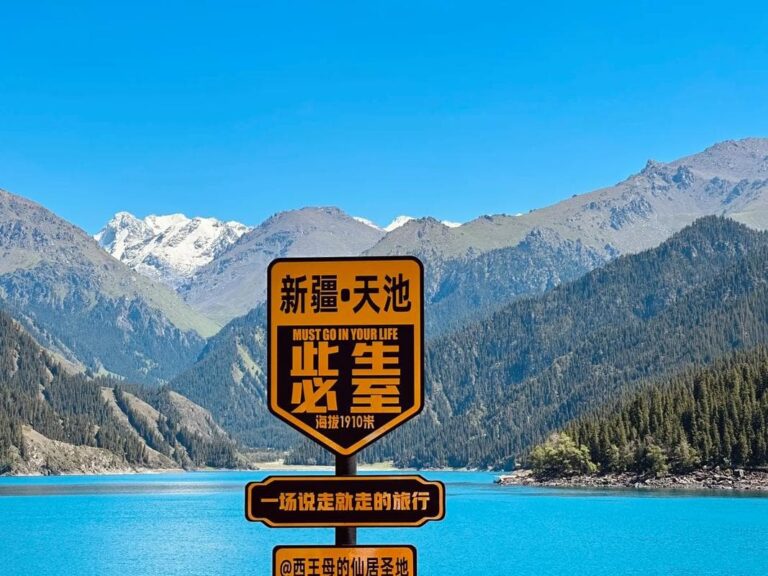
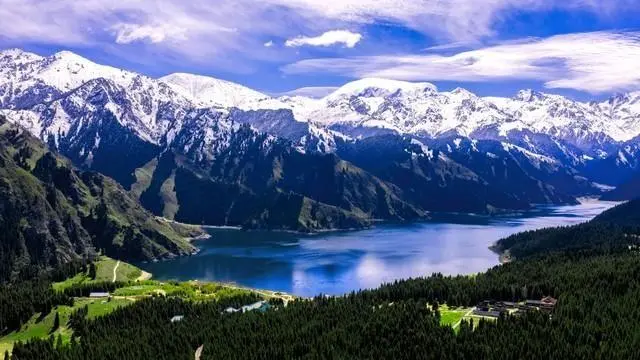
Tian Shan Tianchi Lake stands as the most compelling 5A-rated scenic spot near Urumqi. Located within Fukang City, it lies approximately 67 kilometres from the city centre. This glacial lake sits at an altitude of 1,980 metres, its crescent-shaped surface encircled by the snow-capped Bogda Peak. Visitors can admire eight signature vistas including the ‘Stone Gate’ and ‘Emerald Moon over Dragon Pool’, while the site also preserves the legendary tale of the Queen Mother of the West hosting King Mu of Zhou. The optimal visiting period spans May to October, though the lake transforms into an alpine ice rink during winter.
The International Bazaar, hailed as the ‘Window to Central Asia,’ stands as the world’s largest traditional market. Visitors can purchase diverse traditional handicrafts and local dried fruits, while enjoying ethnic song and dance performances and sampling authentic Xinjiang cuisine. The bazaar’s architecture, steeped in Islamic style, offers an exceptional venue for experiencing Xinjiang’s multicultural heritage.
Altay Prefecture: The Essence of Natural Splendour
Situated in northern Xinjiang, Altay Prefecture is renowned for its magnificent natural landscapes, particularly Kanas Lake and Hemu Village in autumn, which become a paradise for photography enthusiasts.
Kanas Lake stands as the region’s iconic landmark. Shaped like a crescent moon, it stretches 24 kilometres in length with an average depth of 90 metres and a maximum depth of 188.5 metres. The lake is celebrated for its four remarkable phenomena: the ‘lake monster’, ‘sea of clouds and Buddha’s light’, ‘colour-changing waters’, and the ‘deadwood embankment’. Visitors may take a cruise to admire the lake and mountain vistas or hike to explore attractions such as Wolong Bay, Moon Bay, and Fairy Bay.
Hemu Village, dubbed ‘God’s Private Reserve,’ is the primary settlement of the Tuvan people and the most remote and largest of the region’s three remaining Tuvan villages. In autumn, the intoxicating scenery of crimson mountains, complemented by wisps of cooking smoke rising from the village, creates a dreamlike tableau. Visitors may stay in traditional wooden houses to experience the unique Tuvan culture, and ascend the viewing platform at dawn to photograph the village shrouded in morning mist.
Ili Region: The Grassland Beauty of the “Jiannan Beyond the Frontier”
The Ili Region, hailed as the “Jiannan Beyond the Frontier”, is renowned for its magnificent grassland vistas and lake scenery, proving particularly enchanting during spring and summer.
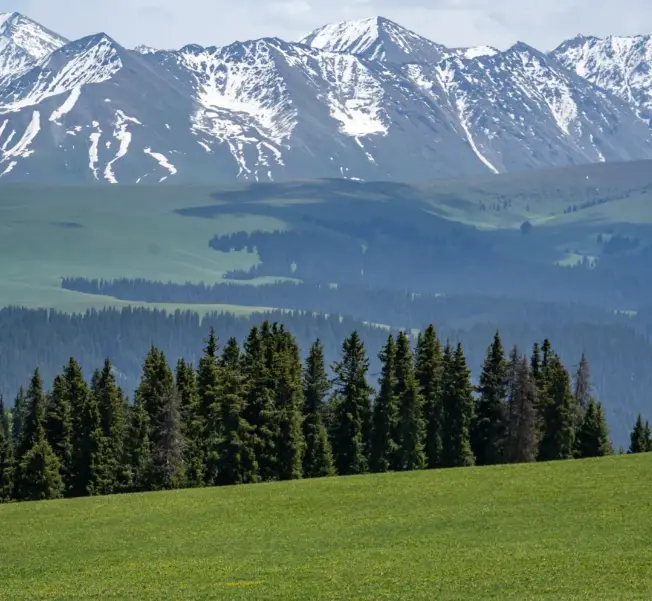
The Nalati Grassland stands as one of Ili’s most iconic grasslands, nestled on the northern slopes of the Chulute Mountains and famed as the “Sky Grassland”. Here, verdant grass carpets the land, herds of cattle and sheep graze, and distant snow-capped mountains appear and disappear amidst the mist. After June each year, large flocks of livestock migrate here, marking the golden season of the grasslands. Various gatherings of the pastoral people are often held here. Visitors can ride horses across the grasslands, experiencing the nomadic life of the Kazakh herders.
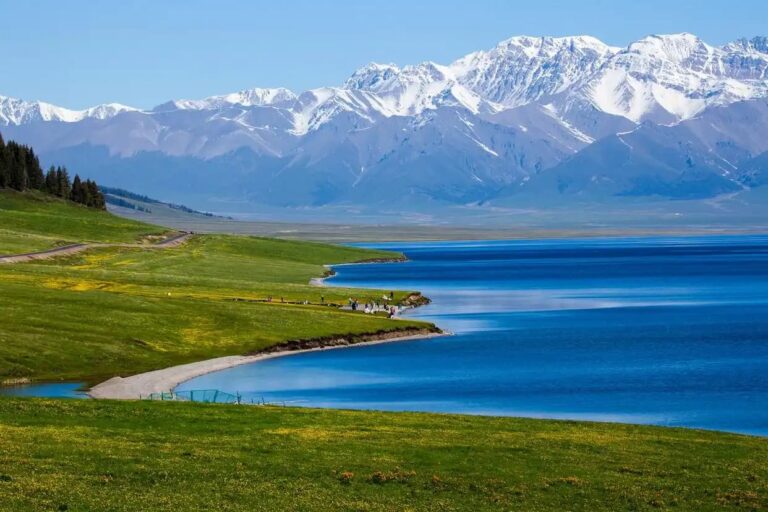
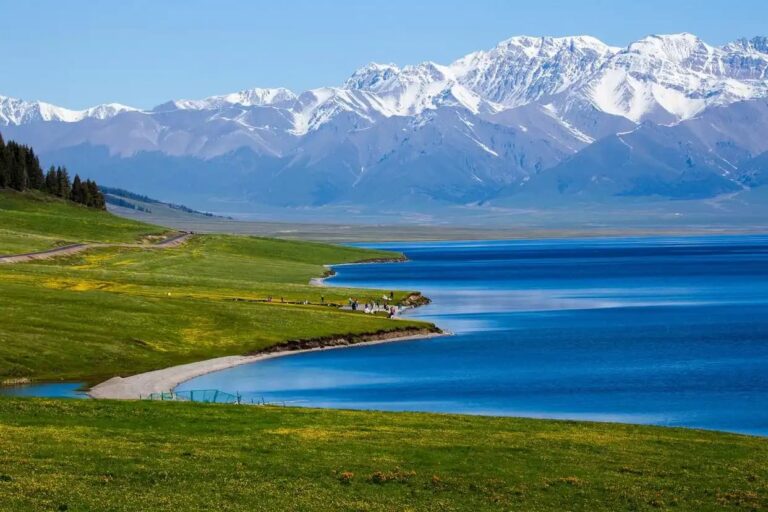
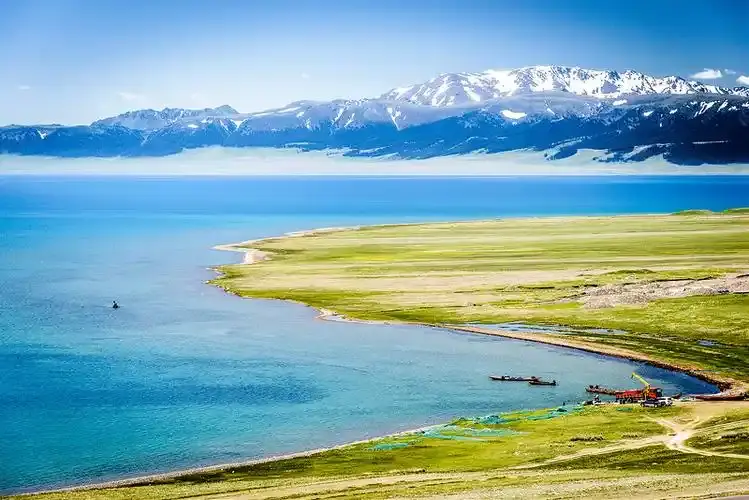
Sayram Lake, known as ‘the last tear of the Atlantic’, is a cold-water lake with calm, azure waters. During spring thaw, the ‘ice push phenomenon’ occurs, where massive ice floes collide and pile up in the azure waters, creating a breathtaking spectacle. The lakeside grasslands serve as prime summer pastures. From late July to early August each year, local Mongolian and Kazakh herders gather here for the grand Naadam Festival.
Kashgar Region: Immerse Yourself in Rich Uyghur Culture
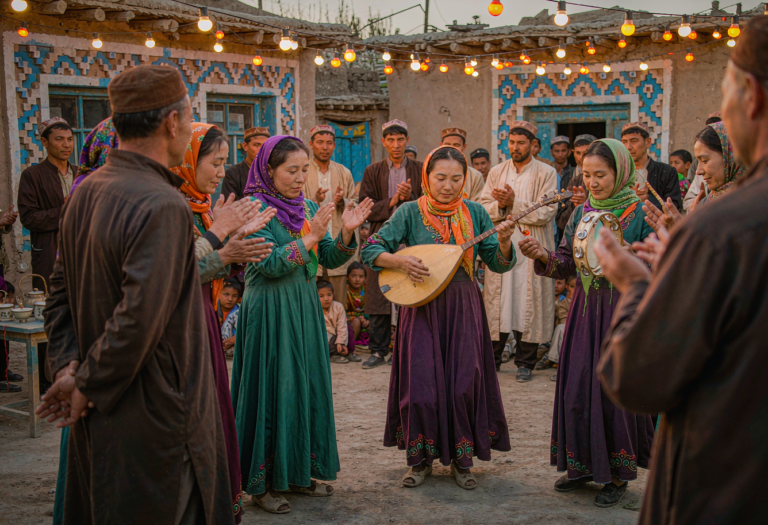
Kashgar stands as the cultural heart of Southern Xinjiang, preserving intact Uyghur traditions and offering an ideal setting to experience the region’s ethnic heritage.
Kashgar Old Town is China’s sole labyrinthine urban district characterised by Islamic culture, featuring buildings steeped in tradition and winding, secluded alleyways. Visitors may tour the Id Kah Mosque, stroll through the old quarter’s alleyways to admire traditional Uyghur architecture, and visit artisan workshops to witness the creation of earthenware, copperware and other traditional crafts.
The Pamir Plateau offers natural wonders surrounding Kashgar, including the majestic Muztagata Peak, known as the ‘Father of Ice Mountains’. Travellers may journey along the China-Pakistan Friendship Highway, admiring the reflections on Karakul Lake while experiencing the distinctive culture of the Tajik people. The Panlong Ancient Road has become a popular Instagrammable spot in recent years, featuring over 600 serpentine bends resembling a coiled dragon and spanning an elevation drop of 1,200 metres.
Turpan Region: A Remarkable Fusion of Oasis and Desert
The Turpan Region captivates visitors with its distinctive desert landscapes and oasis culture, serving as a window into ancient Xinjiang’s agricultural civilisation.
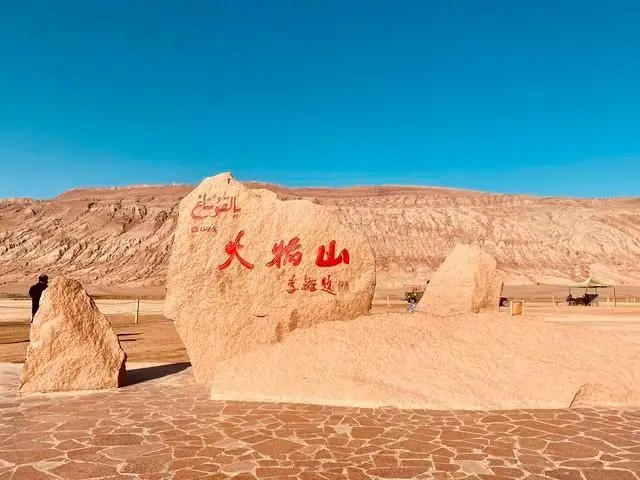
Flaming Mountain, famed through the legends of Journey to the West, sees summer temperatures soar to 47.8°C, with surface heat exceeding 70°C. The mountain’s crimson hue, resembling burning flames under sunlight, creates a distinctive geological spectacle. Visitors may explore sites associated with the Tang Monk’s journey, such as the Horse-Tethering Pillar, to learn of the region’s legendary tales.
Grape Valley, a 7-kilometre-long north-south river valley within the Flaming Mountains range, is densely planted with vineyards. It is home to fruit farmers from the Uyghur, Hui, and Han ethnic groups. Benefiting from the nourishment of Tianshan meltwater, the valley boasts lush vegetation and a pleasantly cool climate, offering a stark contrast to the scorching Flaming Mountains. Visitors can sample various grape varieties, tour raisin drying rooms, and learn about the raisin production process.
Practical Travel Advice
Best Time to Visit: Northern Xinjiang is best explored from September to October, when the autumn colours in Kanas and Hemu are particularly enchanting. The Ili region sees its most beautiful grassland blooms from May to August. Southern Xinjiang enjoys pleasant weather from April to May and September to October.
Transportation Recommendations: Given Xinjiang’s vast expanse and considerable distances between attractions, combining air travel with local private hire vehicles is advisable. Utilise Urumqi as a hub city, connecting via flights to regional centres, then hire or charter vehicles to reach destinations.
Cultural Respect: Xinjiang is home to diverse ethnic groups. Respect local religious beliefs and customs. Dress appropriately at religious sites such as mosques. Refrain from taking close-up photographs of locals without permission.
Equipment Preparation: Xinjiang experiences significant temperature fluctuations between day and night, necessitating warm clothing even in summer. High-altitude regions feature intense ultraviolet radiation, requiring thorough sun protection. It is advisable to carry essential medications for unforeseen circumstances.
Whether you are a nature enthusiast, cultural explorer, or photography aficionado, Xinjiang promises an unforgettable travel experience. May this guide assist you in planning your perfect journey through Xinjiang!
-
Do I need a visa to visit Xinjiang?
Yes, you need a valid Chinese visa. Some areas near borders may require additional permits.
-
What is the best time of year to visit Xinjiang?
The best time is from May to October. July and August are peak season with the best weather.
-
How many days do I need for a Xinjiang trip?
We recommend at least 7-10 days to see the highlights of both northern and southern Xinjiang.
-
Is it safe to travel to Xinjiang?
Yes, Xinjiang is safe for tourists. The region has extensive security measures and low crime rates.