Xinjiang Shoulder Season: The Best Low-Crowd Months to Travel
Everyone tells you the “best time” to visit Xinjiang is summer. That is true if your only goal is open roads and green grasslands – but it is also when every Chinese family with a car is doing the exact same loop, and the headline sights feel like theme parks. After three trips I now plan around the edges: the shoulder months when the light is still good, the roads are open, and I am not queuing for a lake. This is the month-by-month case for traveling Xinjiang off-peak, and how to do it without missing the snow or the color.
The Crowd Problem
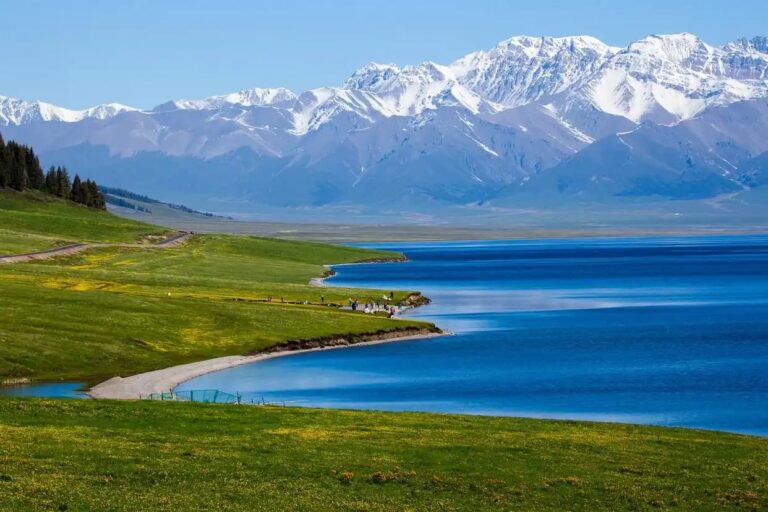
Xinjiang’s tourist infrastructure is built for a short summer peak (roughly June-August) plus the National Day week in early October. During those windows, Kanas, Sayram Lake, and the Duku Highway hit capacity, hotels triple, and patience runs thin. The fix is not to skip Xinjiang – it is to shift your dates by a few weeks, which keeps almost all of the upside and removes most of the pain.
Month-by-Month at a Glance
| Month | Weather | Crowds | What is good |
|---|---|---|---|
| April | Cool, windy | Low | Apricot blossoms, few tourists |
| May | Mild, greening | Low-Med | Best shoulder window; grasslands wake up |
| June-Aug | Warm, lush | High | Everything open, but busy |
| Sept | Crisp, golden | Med | Harvest, clear air, fewer crowds |
| Early Oct | Cold snaps | Very High (Nat. Day) | Autumn color, then a crowd spike |
| Mid-Oct | Cold, some closures | Low | Second shoulder window post-holiday |
| Nov-Mar | Very cold | Low | Snow scenery, ski, quiet – see winter guide |
The Two Shoulder Windows
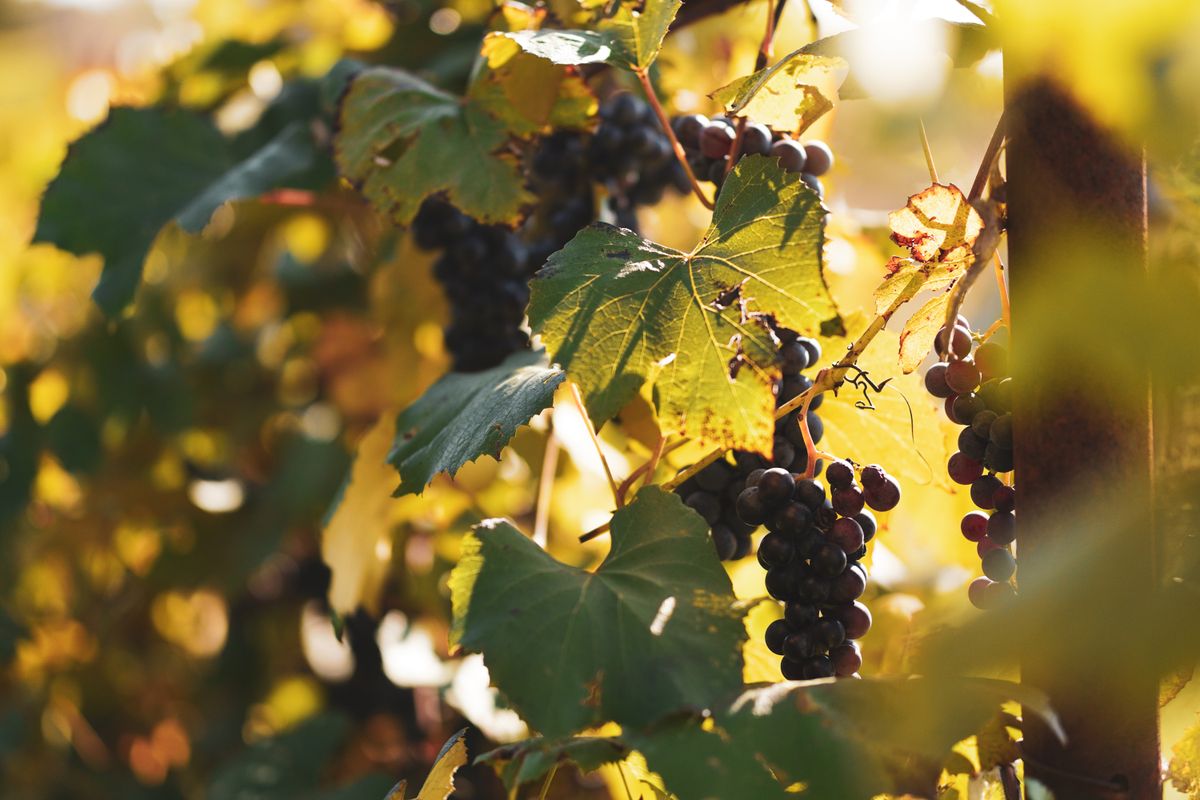
If I had to pick two windows, they are late April to mid-May and mid-September to mid-October (after National Day). Late spring brings apricot blossoms in the south and waking grasslands up north without summer’s crush. Mid-autumn brings harvest markets, golden poplars around the Tarim, and sharp light – then National Day dumps a week of crowds, and the week after it empties out beautifully. Both windows keep the high passes open while dodging the worst of the people.
Regional Timing Differences
North and south do not peak together. The Ili grasslands and the northern lakes are at their greenest from June to early September, so May there means “almost ready” rather than “peak.” The south – Kashgar, the Tarim, Hotan – is pleasant from April and superb in October when the poplars turn. The Pamir is best from June to September, with snow closing the high approaches by late October. So “shoulder” means different months depending on which Xinjiang you came for.
Packing for the Shoulder Season
The genius of the shoulder months is that you get summer’s open roads with spring or autumn temperatures – which means dressing for two seasons in one day. Pack a real layering system: a breathable base, a warm mid-layer (fleece or light down), and a windproof shell, because a calm Sayram morning can become a 30 km/h lake breeze by noon and a near-freezing dawn on the Pamir. Footwear matters more than people expect – you will walk uneven paths at scenic areas and wet grass at grasslands, so a grippy, ankle-supporting shoe beats a fashion sneaker. Bring a compact daypack for layers and water, a buff or mask for the April-May dust storms in the east, and a small umbrella that doubles as sun shade. The single most useful item I own for Xinjiang shoulder season is a packable puffer that lives in the daypack – it weighs almost nothing and earns its place at every cold dawn on a viewpoint.
One more shoulder-specific note: shoulder-season hotels and rental cars are easier to get and cheaper, but some seasonal services – certain lake ferries, high-pasture yurt stays, a few mountain restaurants – close outside July and August. Build a light buffer into the plan and confirm the specific opening dates of anything you are traveling specifically to do, rather than assuming it will be running just because the road is open. The quiet is the reward; a five-minute confirmation call is the insurance.
Festival Timing in the Shoulder
If you want culture with your quiet, aim for the Turpan Grape Festival in August (lively but not a national holiday) or the spring Nowruz celebrations in March-April around the Persian New Year, which fall squarely in the low season. The big Eid holidays move yearly and can land inside a shoulder window – check the dates, because a festival weekend is busy wherever it falls.
What Closes Off-Peak
The trade-off is real: some high mountain passes (including stretches of the Duku Highway) close with snow from roughly November to May, and a few remote guesthouses shutter in deep winter. Shoulder months mostly keep roads open while dodging the peak, which is the sweet spot. For the cold-season version, our winter travel guide covers what stays open and what you need to drive on ice.
A Sample Shoulder Itinerary (Mid-September)
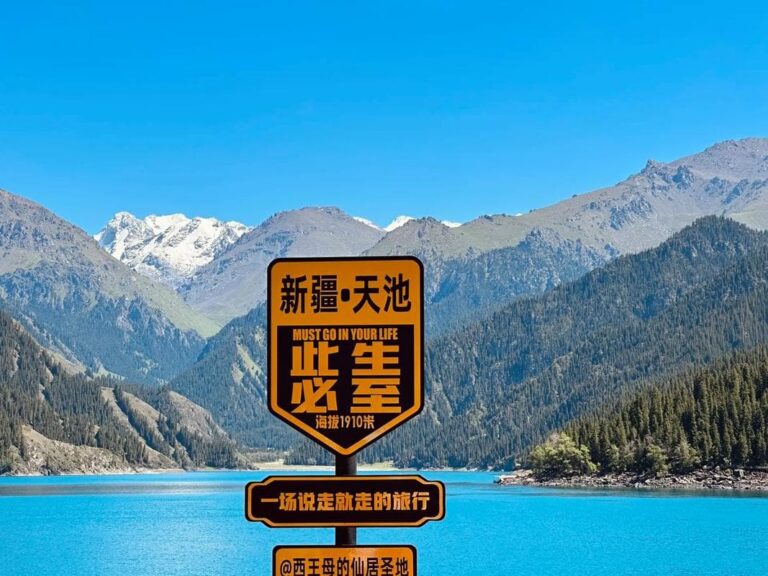
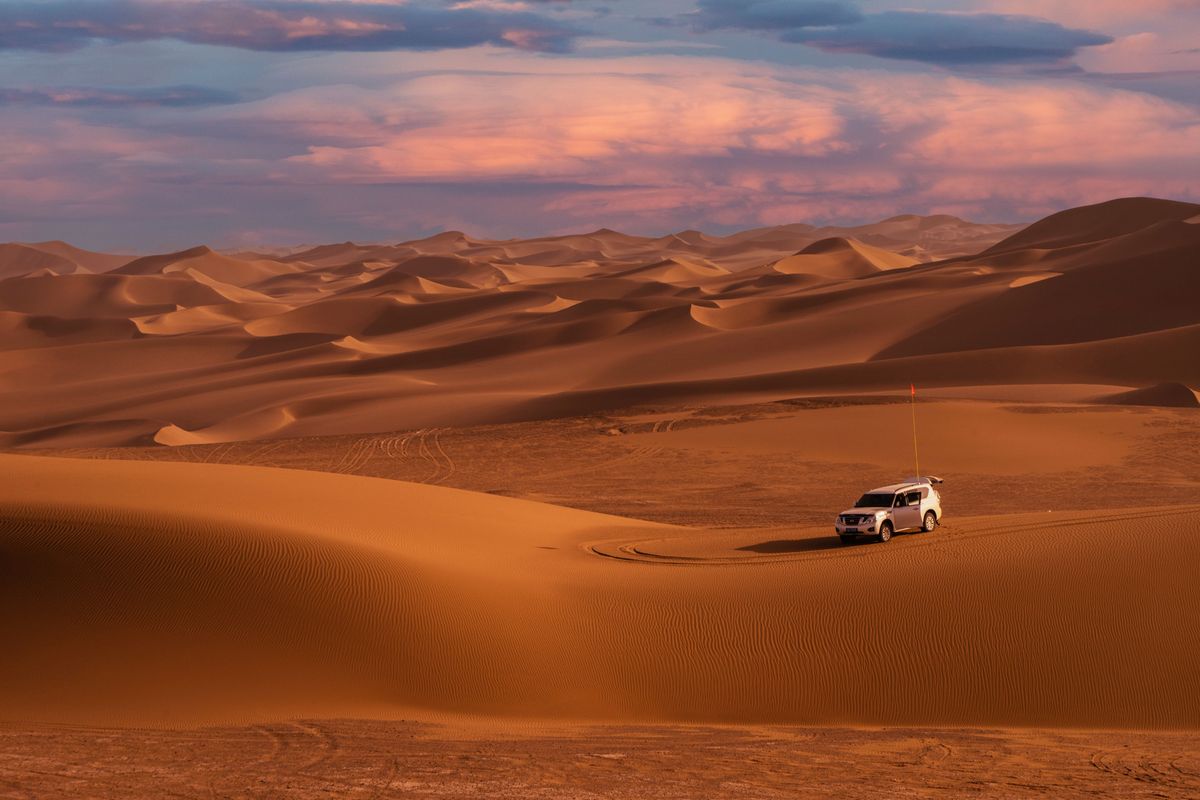
Ten days in September is close to ideal. Start in Urumqi, sweep the northern lakes (Tianchi, Kanas, Sayram) while the air is clear and the summer coaches have thinned, drop south via the Duku Highway before it closes, and finish in Kashgar as the poplars near their turn. You get the iconic lakes, the epic drive, and the old town – with maybe a third of the peak-season crowds and noticeably better light. Shift the same shape to May and you trade golden poplars for apricot blossom and empty grasslands waking up.
Pairing Shoulder Season With the Right Route
In May, favor the south and the waking Ili grasslands; in September-October, the northern lakes and the Pamir are at their most photogenic. The exact opening dates shift with snow, so check annually. Our full best-time breakdown maps weather and road status month by month in more detail, and is the companion to this shorter, crowd-focused argument.
Frequently Asked Questions
Is May too early – will roads be closed?
Most major roads are open by May, though high passes can lag after a heavy snow year. The low-elevation routes and the south are reliably open. Confirm the Duku opening date, which varies year to year and is announced locally.
Is September better than October?
September is reliably good and less crowded than the October holiday spike. Early October is gorgeous but busy; mid-to-late October is quiet again. September is the safer bet for balance, with the bonus of harvest markets.
Will I freeze in the shoulder months?
Nights get cold, especially at altitude and in the desert, but days are comfortable. Pack a real layer system – the temperature swing is the defining feature of Xinjiang weather, and a calm midday can become a freezing dawn.
Do prices drop off-peak?
Yes, outside National Day and the summer peak, hotels and some tours ease in price, and availability opens up. The savings are meaningful if you travel in May or mid-October rather than July or early October.
Can I still see snow?
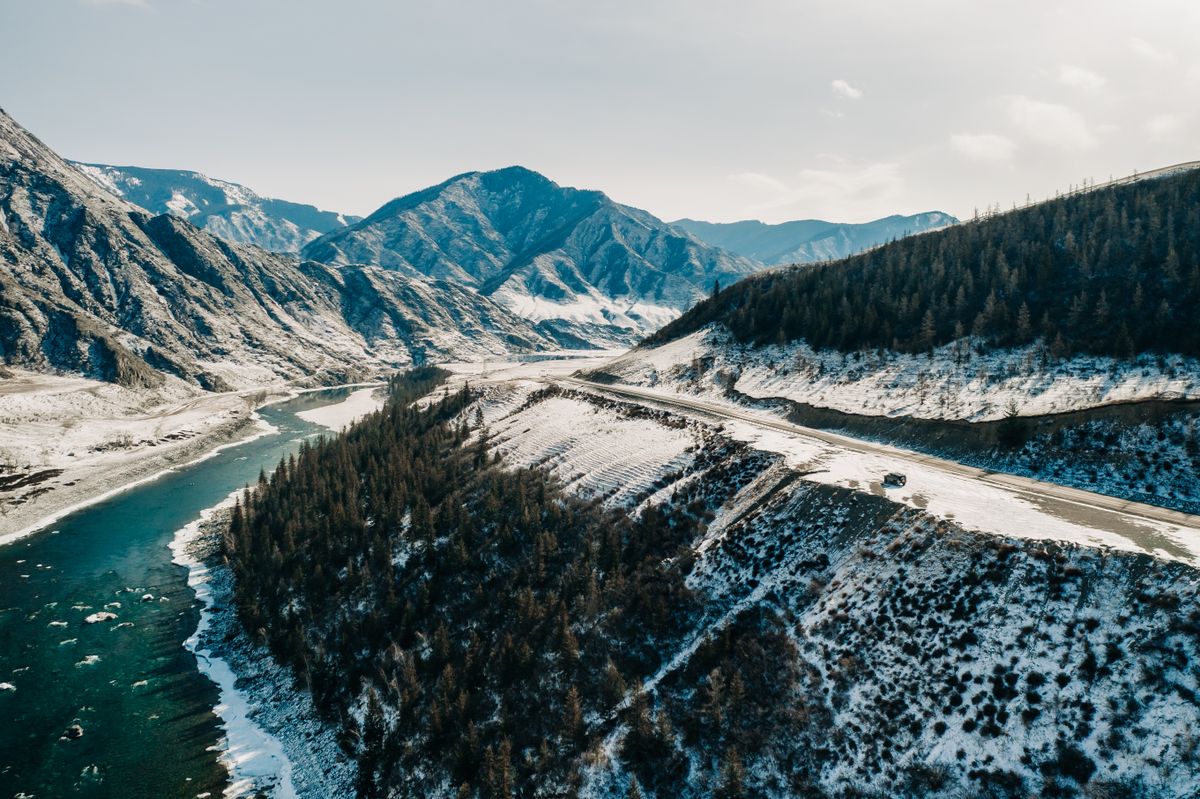
Mountain peaks hold snow well into summer, so you get snow-capped backdrops without winter’s road closures – ideal for photographers who want the drama without the cold or the chain requirements.
What about the wind in spring?
April and May bring the region’s famous wind, especially around Turpan and the eastern corridors – enough to sandblast a viewpoint some afternoons. It is manageable with flexible plans; build buffer days and treat a windy afternoon as a museum or market day instead.
The “best time” to visit Xinjiang is less a season than a timing choice. Slide your trip a few weeks off the peak and you trade crowds for the same mountains, cheaper rooms, and better photographs. Plan for the shoulder, and the region feels like it is yours.