Xinjiang with Kids: A Realistic Family Travel Guide
People told me Xinjiang was “too far, too hard, too high” for a trip with kids. Three summers later, I have taken my children — aged six, nine, and twelve on the different trips — across the region by train, by car, and on foot through old towns, and I would do it again tomorrow. It is not a theme-park kind of place, but for curious kids it might be the most interesting stretch of China they will ever see. Here is what actually works, from someone who has cleaned up altitude nausea at 3,000 meters and survived a ten-hour desert drive with a backseat full of complaints.
Is Xinjiang Hard With Kids? Honestly, a Bit
The region is enormous — you will spend time in vehicles. Distances between worthwhile stops are long, and some areas sit at real altitude. But the infrastructure is solid: clean high-speed trains, decent highways, and hotels that expect families. The trick is to plan for children’s stamina, not the guidebook’s.
Altitude, Heat, and Health
Most family routes stay below 2,000 meters, which is fine for healthy kids. The Pamirs and Tianshan passes are the exception. Watch for headaches and lethargy, hydrate aggressively, and build in a rest day. The safety and health guide covers the medical basics; for children, the headline is: go slow, drink water, and carry your own rehydration salts. For current entry and safety notices, see the U.S. State Department travel advisory; for health guidance and vaccination advice, also check the CDC travel page for China.
| Issue | Where it bites | What to pack | My fix |
|---|---|---|---|
| Altitude | Pamirs, Tianshan passes (>3,000m) | Rehydration salts, ibuprofen | Rest day + extra water |
| Dry heat | Turpan, Tarim Basin (40°C+) | Electrolytes, sun hat | Mornings out, afternoons in |
| Spicy food | Everywhere | Plain naan, yogurt | Order “laoshi” (mild) |
| Long drives | Desert highways | Books, offline shows | Break every 2 hours |
Food: Feeding Picky Eaters on the Silk Road
Good news — Xinjiang food is naturally kid-friendly. Hand-pulled noodles, roasted lamb skewers, fresh naan, and thick yogurt with honey are crowd-pleasers. The challenge is chili. Ask for laoshi (mild) and keep a stash of plain naan. Fruit is spectacular and cheap: melons in summer, grapes in Turpan, apricots in the south. Wash it yourself with bottled water.
Getting Around With a Family
Forget the idea that you must self-drive. The high-speed rail between Urumqi, Turpan, and Kashgar is clean, fast, and lets everyone lie down. For the northern lake loop (Sayram, Kanas), a private car with a driver costs more but saves sanity. We used trains for the long hauls and a car for the scenic bits, and it was the right call with three kids.
Best Family-Friendly Stops
Sayram Lake
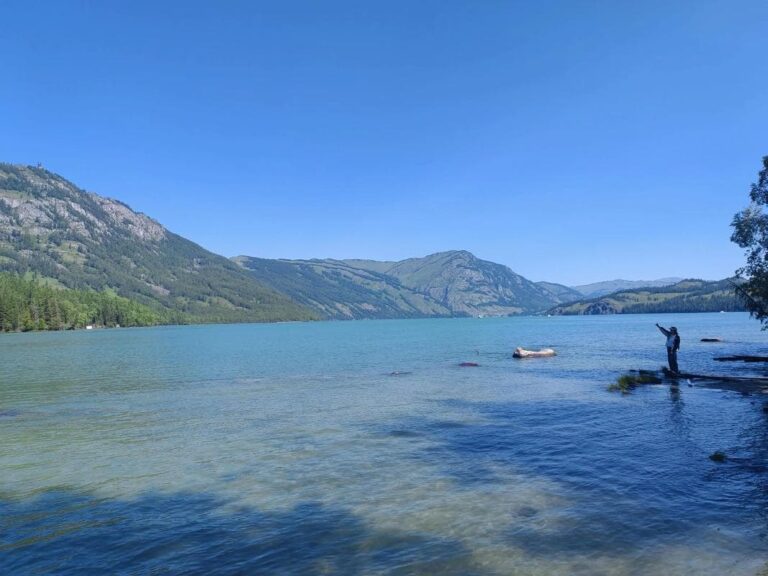
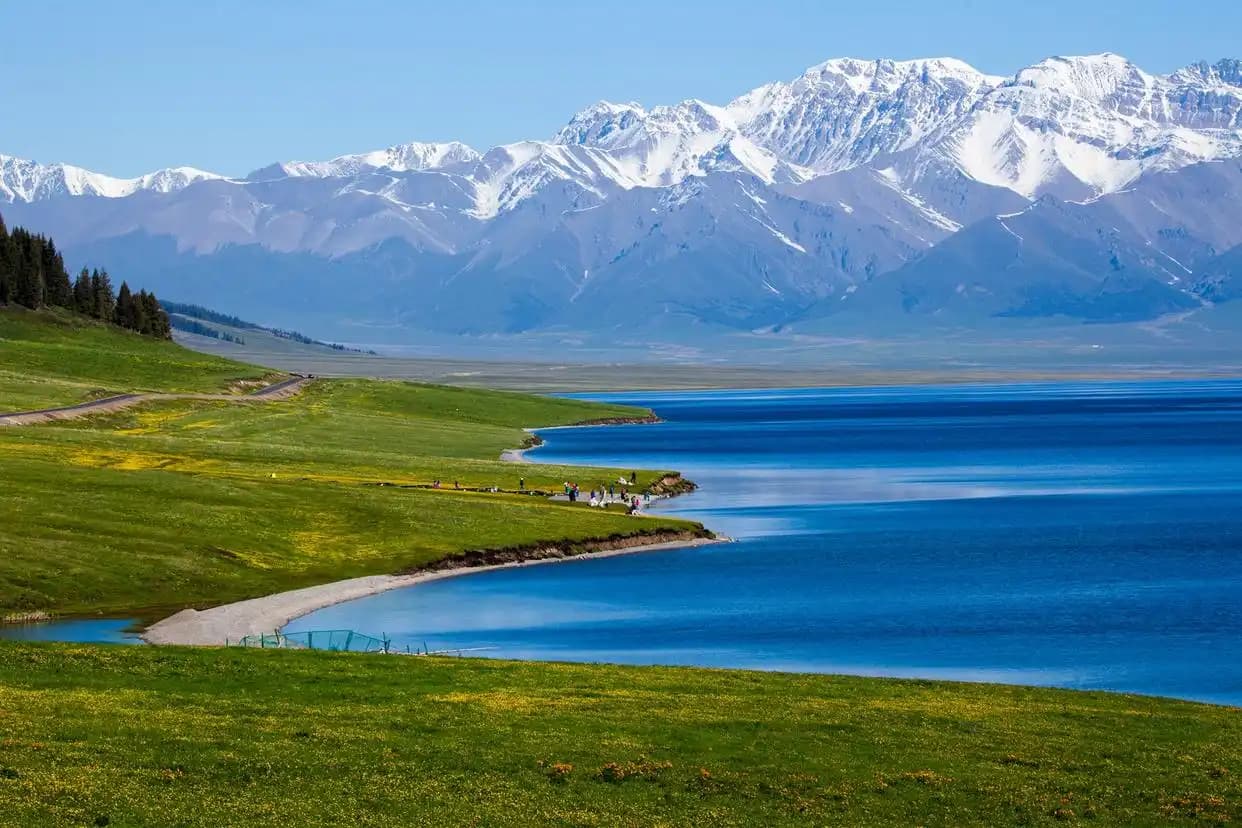
A vast alpine lake with a flat ring road — easy to walk, great for spotting horses, and cold enough that kids remember it. See the Sayram Lake Loop for a self-drive route that pairs well with a family visit. Rent a jacket at the gate; they will need it even in July.
Kashgar Old Town
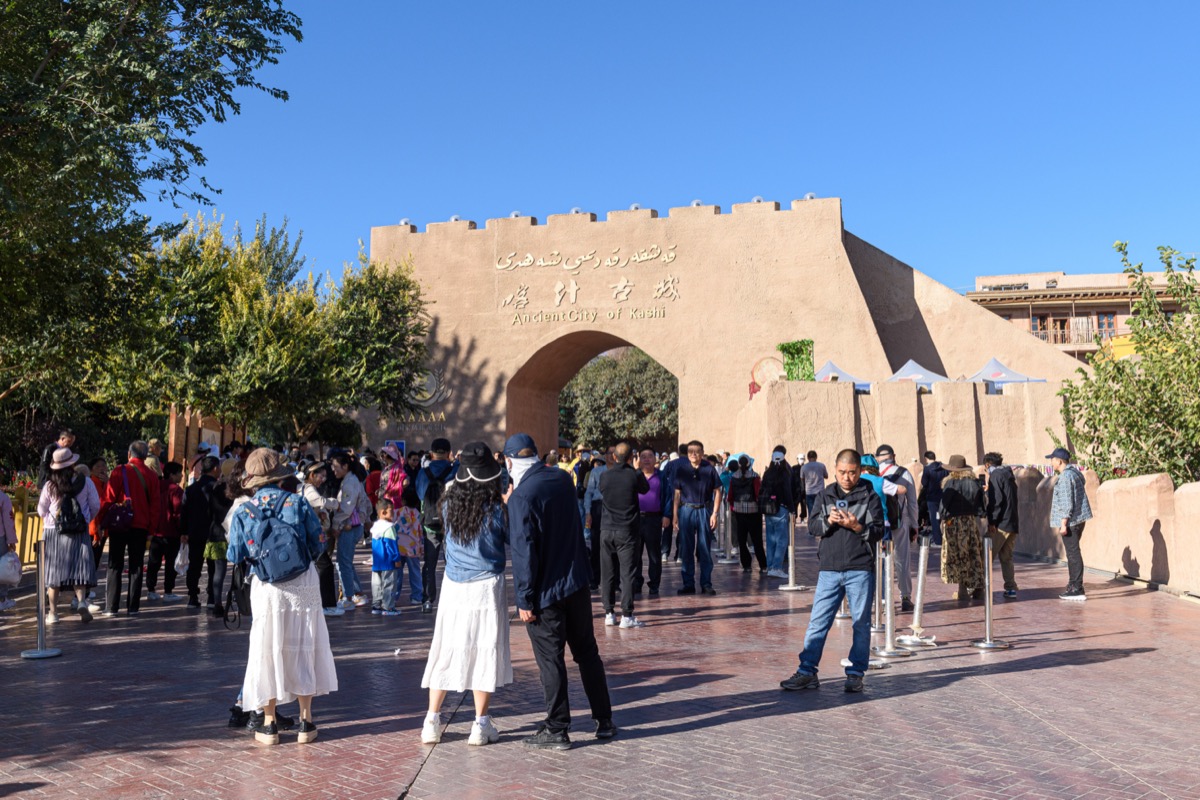
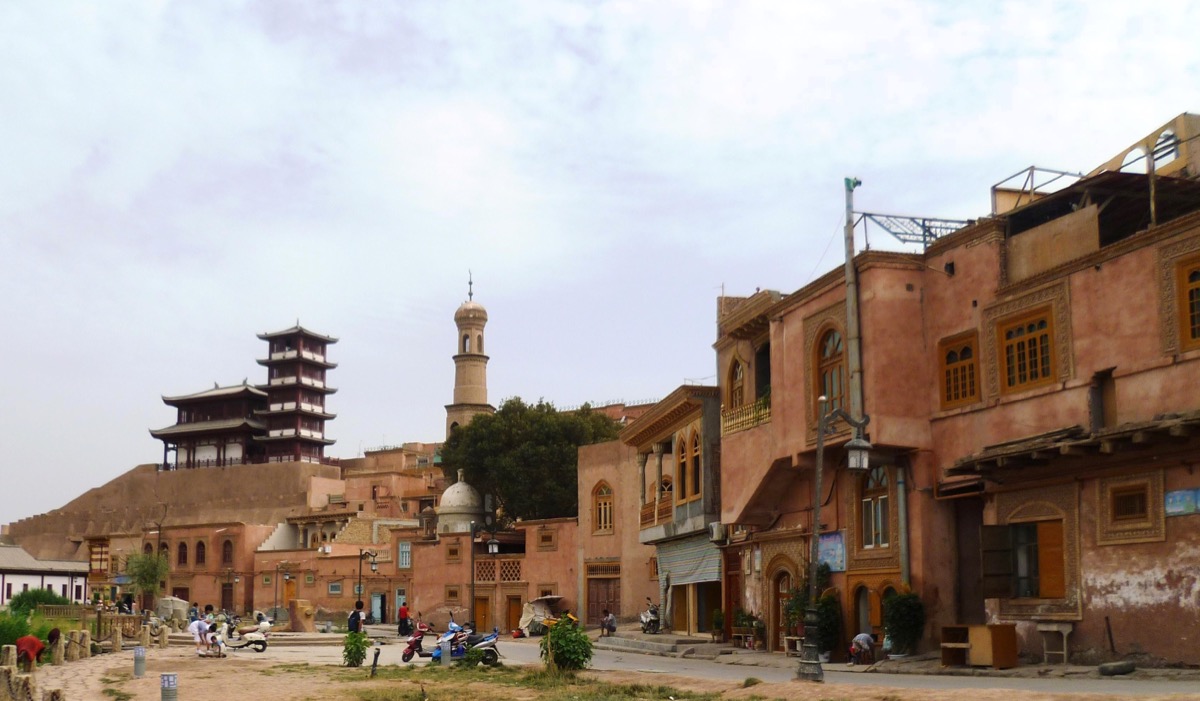
Children love the maze of lanes, the rooftop views, and the constant stream of snacks in Kashgar Old City. It is pedestrian, safe, and endlessly explorable in short bursts.
Urumqi’s Museums
The regional museum has mummies and silk-road artifacts that genuinely hooked my nine-year-old. Air-conditioned, free, and a good bad-weather backup.
When to Go
Summer (June–August) is the safest bet for families: schools are out, the weather is warm, and the grasslands are green. Avoid the deep winter unless you want skiing and empty roads. The season-by-season breakdown has the detail, but for kids, July and August win on daylight and warmth.
A Simple 7-Day Family Itinerary
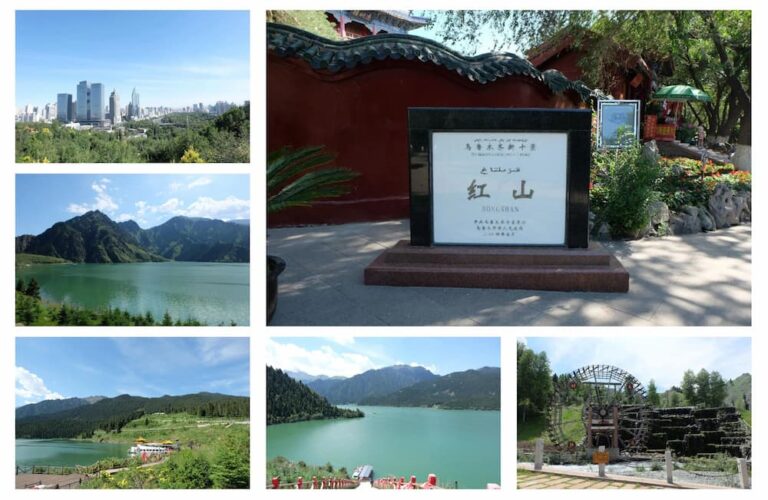
If you want a concrete shape, this is the loop we ran with a six- and nine-year-old and would run again: Day 1–2 in Urumqi (museum, bazaar, Red Hill Park); Day 3 on the high-speed train to Turpan for the earth ruins and the grape valley; Day 4 north to Yining, then the Sayram Lake loop; Day 5 on the Nalati grasslands; Day 6–7 in Kashgar for the old town and the Sunday bazaar. It balances wonder with rest and never asks for more than a half-day of transit at a stretch.
Why This Works for Kids
Each stop has a clear “wow” — a lake, a city built of earth, a maze of lanes — plus a low-stakes activity like eating melon or watching horses. We kept drives under three hours where possible and built a rest afternoon into every third day. The high-speed trains turned the long legs into part of the adventure rather than a penalty, and the children still talk about the train more than some of the sights.
Money, SIM, and Staying Connected
Bring a mix of cash and a foreign card that works at ATMs; in small towns cash beats apps. Get a local SIM at the airport for maps and translation — signal fades in the mountains, so download offline maps of every region before you leave each city. A portable hotspot keeps the backseat entertained on long drives. None of this is hard, but doing it on arrival day saves a week of friction later. We also carried a power bank per device; charging points are scarce on trains and in remote teahouses, and a dead phone with your only offline maps is a real problem, not a minor one.
Packing a Family Bag for Xinjiang
Layers beat bulk: mornings can be cold even in summer at altitude, afternoons blazing on the plains. Sunscreen, hats, and lip balm are non-negotiable. A small medical kit with rehydration salts, a child-safe painkiller, and bandages covers most issues. Pack a few familiar snacks from home too — the novelty of lamb wears thin for some kids by day four, and a known granola bar prevents a meltdown at a remote viewpoint.
Finally, bring passport copies and a phone full of offline entertainment, but also leave room for boredom. Some of our best family moments in Xinjiang came from doing nothing on a rooftop in Kashgar, watching the light move across the old roofs while the children invented games with pebbles. The region rewards slowness, and kids feel that faster than adults do.
The trick with children in Xinjiang is refusing to treat the distance between places as dead time. We sang, played the license-plate game, and stopped at every plausible-looking roadside picnic table, which turned four-hour transfers into the best part of the day. By the third day my daughter knew more about wheat harvests than I did, and she still asks about the camel rides. The itinerary survives the children; the children do not survive the itinerary.
Frequently Asked Questions
What age is Xinjiang good for?
School age, roughly six and up, is the sweet spot — old enough for long travel, young enough to be dazzled. Toddlers are harder because of the distances and altitude. Teens do great with the right itinerary.
Do hotels have family rooms or extra beds?
Most mid-range and above hotels offer triple rooms or rollaway beds. Book ahead in summer. Apartment-style hotels in Urumqi and Kashgar are ideal for families who want to cook a little.
Is the food safe for children’s stomachs?
Stick to hot, cooked food and peeled fruit you wash yourself. The yogurt and naan are safe staples. We had no stomach issues across three trips using those rules.
How do we handle bathroom stops on long drives?
Highway service areas are frequent and clean. Carry your own paper and hand sanitizer. In remote scenic areas, facilities are basic — plan accordingly.
Will kids get bored on the long trains?
Surprisingly no. The scenery changes constantly, and the high-speed trains have space to walk. Download shows offline; signal drops in the mountains.
Is it expensive to travel Xinjiang as a family?
Mid-range family travel runs roughly ¥600–1,200 per person per day including transport and a private car on some days. Trains and local food keep costs down; private drivers are the main splurge.