Chasing the Light in Xinjiang: A Golden-Hour Photography Guide to the Region’s Best Shots
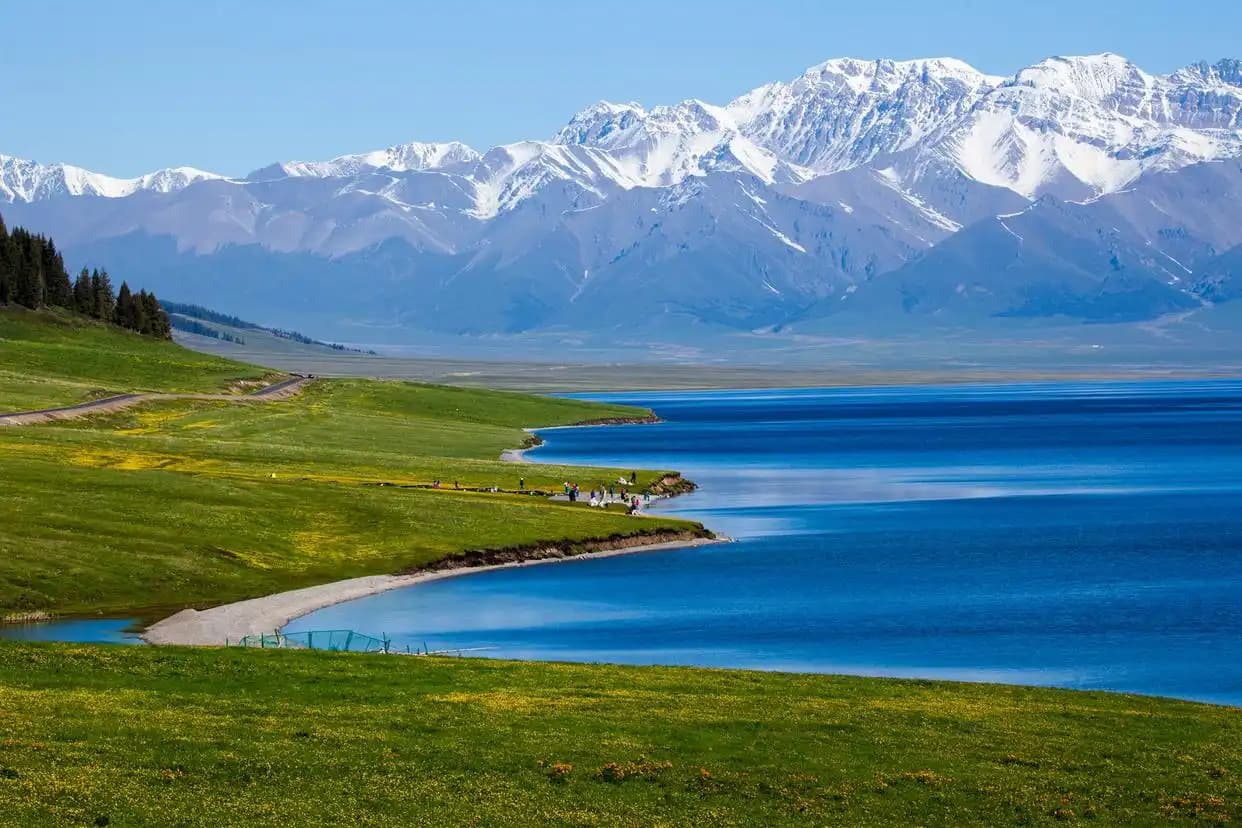
I once set an alarm for 4:40 a.m. to reach a Sayram Lake overlook before the sun cleared the ridge — and watched the whole basin flip from steel-grey to molten gold in about nine minutes. That is the deal with Xinjiang photography: the light is enormous, fast and unforgiving, and golden hour is the only time the landscape looks like the postcards. This is the field guide I wish I had before my first trip — where the light is best, exactly when to be there, and how to come home with frames instead of regrets.
Why Xinjiang Light Is Different
Xinjiang sits at 35–49°N and sits high — basins at 800 m, plateaus above 3,000 m. Two things follow. First, the sun rises and sets at a steep angle, so golden hour is long and raking in late spring and summer. Second, the air is dry and the sky is huge, which gives you saturated blues and clean shadows you simply cannot get in humid climates. The cost is contrast: midday is brutal, and only the first and last hour of light flatters the land. I learned this the hard way in Turpan, where a noon shot of the ruins came back as a white sky and a black wall with nothing in between.
The Best Golden-Hour Locations and Their Timing
Times below are rough summer figures for the named spots; add ~30–60 min at higher altitude and in early autumn. Arrive 40 minutes before the listed time to set up.
| Location | Best shot | Sunrise (summer, local) | Sunset (summer, local) | Notes |
|---|---|---|---|---|
| Sayram Lake | Mirror reflection + ridge alpenglow | ~6:10 | ~9:50 | West shore wins at dawn; wind picks up by 10 a.m. |
| Kanas Lake | Fog lifting off the water, pine silhouettes | ~6:30 | ~9:40 | Platform at Guanyu Pavilion; arrive before tour buses |
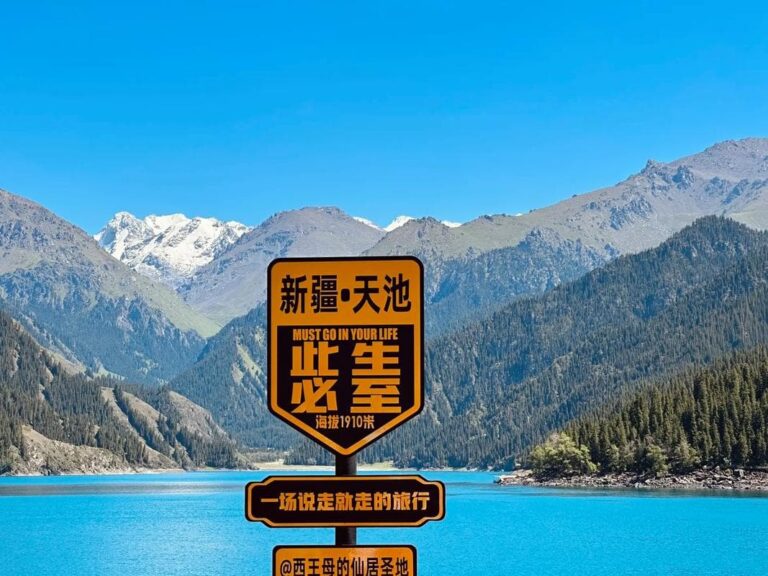
| Tianshan (Heavenly Lake) | Snow peak into still water | ~6:20 | ~9:30 | Cable car opens late; stay overnight to catch dawn |
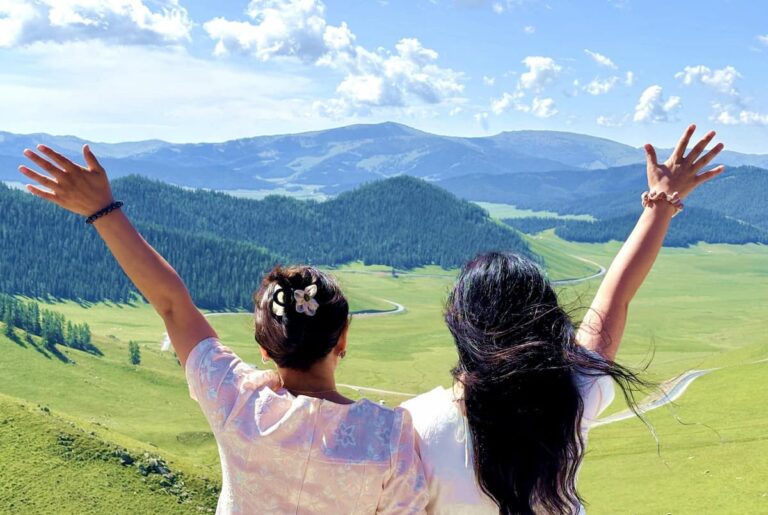
| Nalati Grassland | Side-lit rolling green, herders | ~6:40 | ~9:45 | Low angle after rain is magic; watch for cattle in frame |
| Kashgar Old City | Mud-brick lanes, long shadows | ~7:20 | ~10:10 | Blue-hour before sunrise on the gates is worth it |
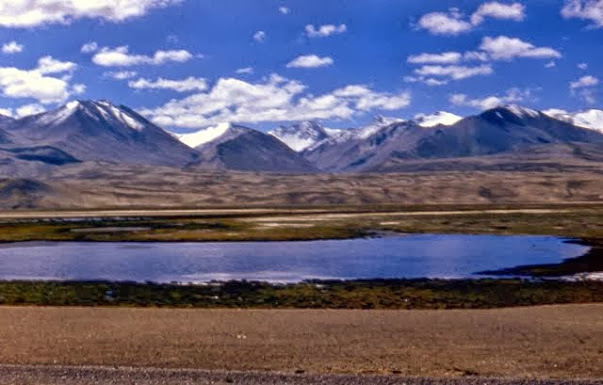
| Pamir / Karakul | Muztagh Ata pink at first light | ~6:50 | ~9:20 | Thin air; tripod essential, wind is constant |
Gear That Actually Earns Its Weight
You do not need a full frame, but you do need a tripod — dawn wind on the lakes will blur any handheld shot. A wide zoom (16–35 or 24–70 equivalent) covers 80% of frames; a light tele (70–200) earns its place for compressing the Tianshan or isolating a herder. Bring spare batteries (cold drains them), a blower for dust, and a neutral-density filter only if you shoot waterfalls. Phones are fine for scouting; they are not fine for the reflection shots. I carry a microfiber cloth per lens because the plateau dust finds every front element by noon.
Reading the Light on the Roof of Asia
The single biggest beginner mistake here is sleeping in. In June and July the sun is up by 6 and the good light is gone by 7:15. The second mistake is shooting at noon — the basins wash out to white. Plan your days around the edges: shoot at dawn, nap or drive midday, shoot again at dusk, and use the harsh middle for indoor bazaars, museums and food. Your Kanas Lake frames will thank you.
Composition Tips That Work Here
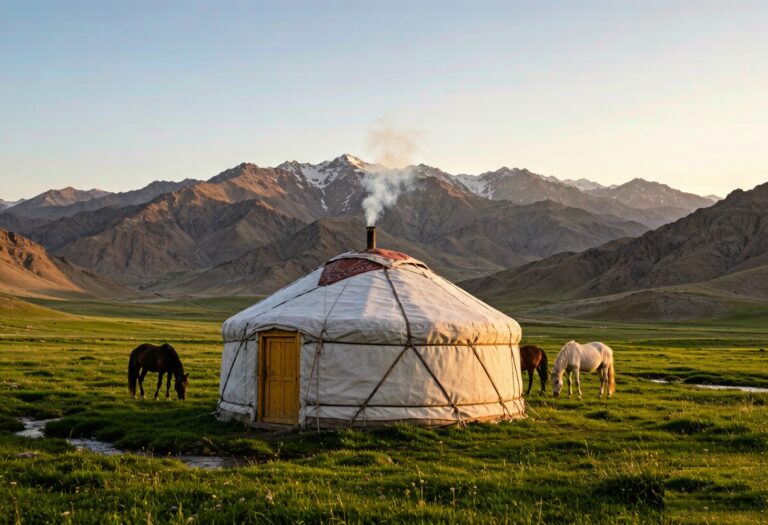
Use the scale. Xinjiang defeats wide lenses because everything is far; put a person, a horse or a yurt in the lower third so the viewer feels the size. For lakes, get low and close to the near shore so the reflection doubles the frame. For the Tianshan, shoot into the sun at the last five minutes for a rim-lit peak. And never center the horizon — a 60/40 or 70/30 split reads as intentional, not snapshot.
A Season-by-Season Shooting Plan
Different months hand you different light, and the smart photographer plans the route around it rather than fighting it.
Spring (April–May)
The Ili apricot blossoms around Yining are the headline — pink against bare brown hills, best in the last week of March through mid-April depending on snowmelt. Light is soft, skies often hazy, and the window is short, so track bloom reports before you fly. Lakes are still half-frozen, which gives you black-ice foregrounds at dawn.
Summer (June–July)
Longest golden hours and greenest grasslands, but also the most crowds and the most afternoon haze. Wake before 6 for the lakes; shoot the high passes (Duku, Pamir) in early morning before the tour buses. This is the season for Nalati and Bayinbuluk if you accept sharing the frame.
Autumn (September–October)
My favorite. The air is clearest, the grasslands turn amber, and the sun angle is low all day. Kanas and Hemu in early October are legendary for the birch-gold reflected in the river. Pack a glove you can operate the camera in — the dawns are near freezing.
Winter (November–March)
Brutal cold, shortest days, but empty parks and a monochrome world that rewards patient shooters. Only attempt it with proper cold-weather gear and a guide; many passes close and the light is gone by 5 p.m.
People and Portraits: Ask First
The best human frames in Xinjiang are in the bazaars and yurt camps, but this is a place where you ask before you raise the camera. A smile and a gesture toward the lens, then waiting for a nod, gets you ten good portraits for every one you sneak. Offer to show the screen — it breaks the tension and often leads to tea. In religious sites and near any checkpoint, lower the camera entirely; the disappointment of a deleted frame is smaller than the trouble of a misunderstanding.
Frequently Asked Questions
What month has the best light in Xinjiang?
Late September to early October is the sweet spot: the air is clearest, the grasslands turn amber, and the sun angle is low all day. June–July gives the longest golden hours but more haze and crowds. Autumn also means cold dawns, so pack a glove you can operate the camera in.
Can I fly a drone for golden-hour shots?
Restricted, and often banned near borders, lakes and military zones — which is most of the scenic belt. Assume no-fly unless you see an explicit permit zone, and never launch near the Pamir or any checkpoint. A tripod and a tele lens outperform a drone you are not allowed to lift anyway.
Is it safe to be out at 5 a.m. for sunrise?
In the scenic areas yes — they are patrolled and the early vendors know the regulars. In cities, stick to lit areas and tell your guesthouse where you are going. The real risk is the road: don’t drive an unknown pass in the dark; sleep at the lake instead.
How do I protect gear from the dust and cold?
Keep bodies in a closed bag between shots, swap lenses inside a vehicle or behind a body, and never let the lens fog by moving from cold to a warm room suddenly — seal it in the bag and let it equalize. A silica pouch in the bag is cheap insurance against the plateau condensation.
Do I need permits to photograph the scenic areas?
The parks themselves sell entry tickets; no special photo permit for casual shooting. The Pamir and border zones need the standard travel paperwork, and tripods on crowded platforms are fine but be considerate of other visitors and locals who may not want their picture taken.
Which lens should I bring if I can only pack one?
A 24–70mm equivalent standard zoom. It covers lakes, lanes and portraits well enough that you will not feel stranded, and it is light enough to carry on the dawn hikes. Add a tripod before you add a second lens — the tripod does more for your keeper rate than any extra glass.