Xinjiang Hammams: A Traveler’s Guide to the Uyghur Steam Bath
The first time I stepped into a Xinjiang hammam I expected a Turkish tourist show and got something closer to a communal laundry with poetry. A Uyghur hammam (hamam) is a working steam bath – part hygiene, part social club, part Sunday reset – and for travellers it is one of the cheapest, most grounding experiences in the region. After a week on the road, an hour on the marble slab fixed more than my muscles. Here is how to do it without embarrassing yourself.
What a Xinjiang hammam actually is
Unlike a hotel sauna or a natural hot spring, a hammam is a purpose-built stone bathhouse with a furnace-heated hot room, a warm resting area, and usually a cold plunge. The routine is: undress in the change room, wrap in the supplied cloth, sweat it out on the heated platform, get scrubbed (optional, for a few yuan), rinse, and nap with tea. It is separated by sex except in rare mixed tourist venues – assume single-sex unless signposted.
Etiquette that keeps everyone happy
Two things matter most. First, the supplied wrap (a thin pestamal-style cloth) stays on in the public areas – this is not a nude-friendly Western spa, and the same modesty rules that apply at mosques apply loosely here too. Second, tipping the kese scrubber (the attendant with the coarse mitt) is expected: ¥10-20 on top of the scrub fee is right. Don’t photograph anyone – the bathhouse is private space.
What to bring
Bring your own flip-flops if you’re fussy, a small towel, and a padlock for the locker (some venues only take old-style keys). Toiletries are sold at the desk. Leave valuables in your hotel; the locker is fine for a phone and wallet but I wouldn’t push it.
Hammam vs hot spring vs hotel sauna
These get confused, and they’re different experiences and price points. The table below is what I tell friends before they book.
| Option | Heat source | Social? | Typical cost | Best for |
|---|---|---|---|---|
| Hammam (steam bath) | Furnace-heated stone | Very – local crowd | ¥25-60 + scrub | Deep clean, culture, reset |
| Hot spring | Geothermal | Usually families | ¥50-150 | Soaking, scenery |
| Hotel sauna | Electric | Rarely | Free-¥80 | Convenience, privacy |
Where I’d actually go
Kashgar has the most atmospheric old-town hammams – small, tiled, and full of regulars who’ve been coming for decades. Urumqi has bigger, cleaner public baths near the bazaar district that are friendlier to first-timers. If you want the geothermal version instead, the hot-springs and bath-culture guide lists the spring towns worth the detour.
After the scrub: the tea ritual
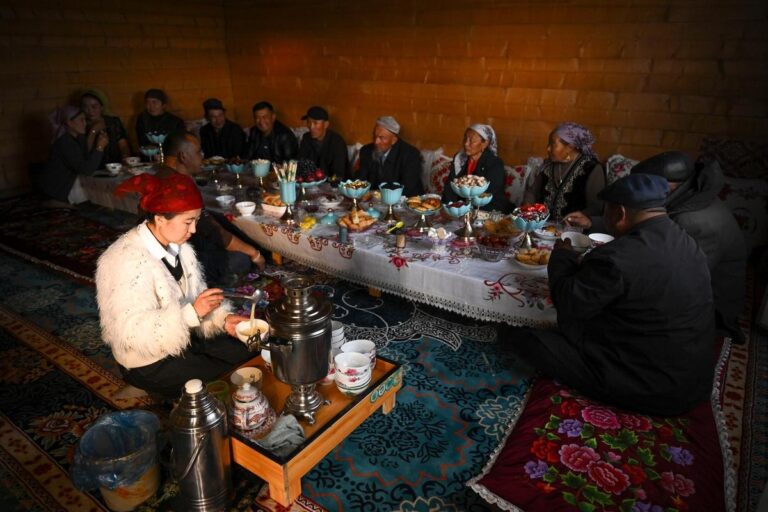
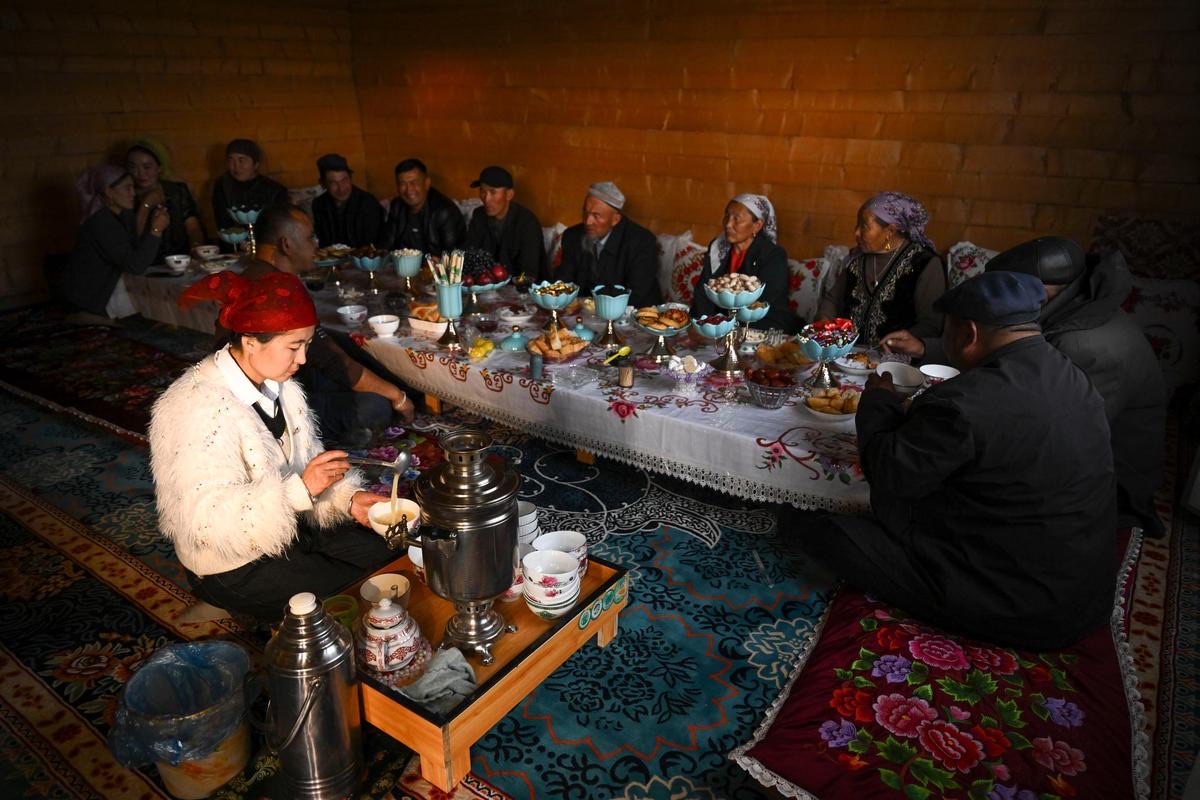
Most hammams end with a small glass of tea on the cool slab, and locals will often wave you over to share. Accept – it’s the cheapest cultural exchange in Xinjiang, and usually the part travellers remember. Don’t rush it; the point is the pause.
My first visit, hour by hour
Here is the actual rhythm so you know what you’re in for. I paid at the desk, got a token and a thin wrap, and changed in a tiled booth. The hot room hit like a wall – maybe 50°C with full steam – and I lasted four minutes before retreating to the warm platform to acclimatise. After fifteen minutes of sweating, the kese attendant motioned me onto a slab, poured warm water, and scrubbed me with a coarse mitt until a grey roll of dead skin came off (yes, that’s the point). A soap massage followed, then a cold plunge I did not enjoy but appreciated. Total time: just under two hours, ending with tea. I walked out feeling ten years younger.
The kese scrub, explained
The kese is a flat mitt of woven viscose that, dragged across soapy skin, lifts the top layer of dead cells in satisfying grey curls. It looks alarming the first time – that grey stuff is you – but it’s the single best part of the hammam and the reason locals go weekly. You can decline it, but don’t; just signal yes when the attendant mimes the scrub. Tip on top of the scrub fee, not instead of it.
How hot is too hot?
If you feel dizzy or your heartbeat spikes, leave the hot room immediately and sit on the cool slab with water. The heat is real and the staff have seen every reaction; they’ll wave you out without fuss. First-timers should treat the hot room like a sauna: short bursts, long rests, and a hard stop at thirty minutes.
Health notes
If you’re pregnant, have heart trouble, or arrived at altitude in the last 48 hours, skip the intense heat – the Pamir and parts of the Tian Shan put you high enough that a long steam session can drop your blood pressure uncomfortably. Hydrate before and after, and cap your first visit at 30 minutes.
Finding a hammam in a new town
When I roll into an unfamiliar town, I ask at the hotel desk or a taxi driver for the “hamam” or “yu chi” (bathhouse) rather than trusting map apps, which often only show hotel spas. Neighbourhood hammams sit in tiled storefronts with steam fogging the windows and a row of shoes at the door – that shoe row is your quality signal. If the entrance looks like a working local spot, it probably is; if it looks like a lobby, expect resort pricing. In smaller towns the hammam may close between lunch and late afternoon, so aim for the evening, when the regulars show up.
After the bath: rehydrate and rest
The scrub flushes you more than it looks like it does. Drink a litre of water in the hour after, eat something, and skip alcohol that night – the combo of heat and dehydration sneaks up. I learned this the hard way in Turpan, where the post-bath wobble met 40°C outside and I needed a long shady sit before I was useful again. Treat the hammam as the reset it is, not a box to tick.
Frequently Asked Questions
Are Xinjiang hammams mixed or separate?
Almost always single-sex, with separate entrance times or entirely separate buildings. A few resort venues are mixed, but assume separate unless you see clear signage in English or Chinese.
How much does a hammam cost?
Entry runs ¥25-60. A kese scrub and soap massage adds another ¥30-80, and tipping the attendant ¥10-20 is expected. All-in, budget ¥60-150 for the full experience.
What do I wear?
A wrap cloth is provided and stays on in public areas. Bring your own flip-flops and a small towel; lockers usually take a padlock you supply. Swimwear is not the norm and isn’t necessary.
Can women go?
Yes – women’s hours or women-only hammams are standard. In conservative areas, women’s sections are often busier and more social than men’s. Ask at the desk for the women’s schedule.
Is it safe for solo travellers?
Very. Hammams are everyday local institutions, not tourist traps, and staff are used to first-timers. The only real risk is overheating, so pace yourself and drink water.
Do they speak English?
Rarely at neighbourhood hammams, but the routine is visual – follow the locals, hand over the entry fee, and point at the scrub mitt if you want the works. A translation app covers the rest.