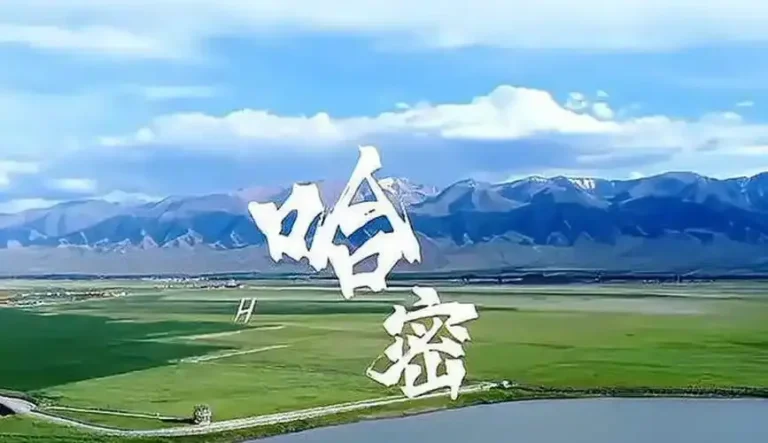
Street Photography in Xinjiang: Capturing Bazaars, Old Towns, and Everyday Life
There is no better way to understand a place than to stand still on a street corner and let it move around you. In Xinjiang that corner might be a mud-brick alley in Kashgar’s old town, a Sunday-morning livestock pen in a southern oasis, or a mountain highway pull-off where herders pause to trade news. I have spent three trips doing almost nothing but walking with a camera, and the street photography here rewards patience more than any expensive lens. This guide collects what actually worked: where to point the camera, when the light is honest, and how to do it without becoming the ugly tourist.
Why Xinjiang Is a Street-Photography Destination
The region crams several cultures into one frame. Within a single day you can shoot Uyghur bakeries, Kazakh horsemen, Han noodle stalls, and Russian-influenced facades in the north. The light is ferociously clean because the air is dry and the distances are huge. That clarity is a gift for documentary work, but it also exposes clutter, so composition matters more than gear.
The Golden Hours Are Longer Than You Think
In summer the sun rises before 7 a.m. and sets after 9 p.m., giving you two long soft windows. Midday is harsh and best avoided for faces. I plan market mornings around 8-10 a.m. and old-town wandering around 6-8 p.m.
Best Locations for Candid Street Shots
Below are the spots I return to, with the subjects that make them worth the walk. Pair this with our best photography viewpoints in Kashgar for exact vantage points.
| Location | Best time | What to shoot |
|---|---|---|
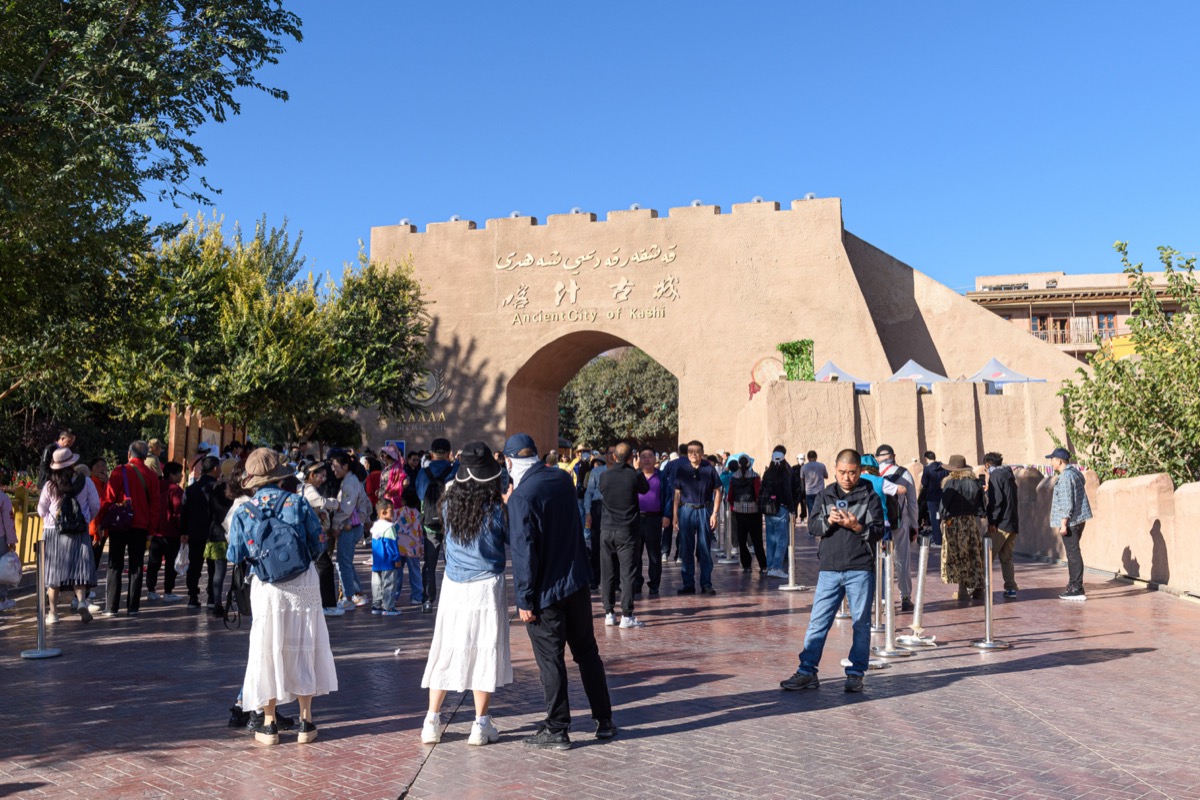
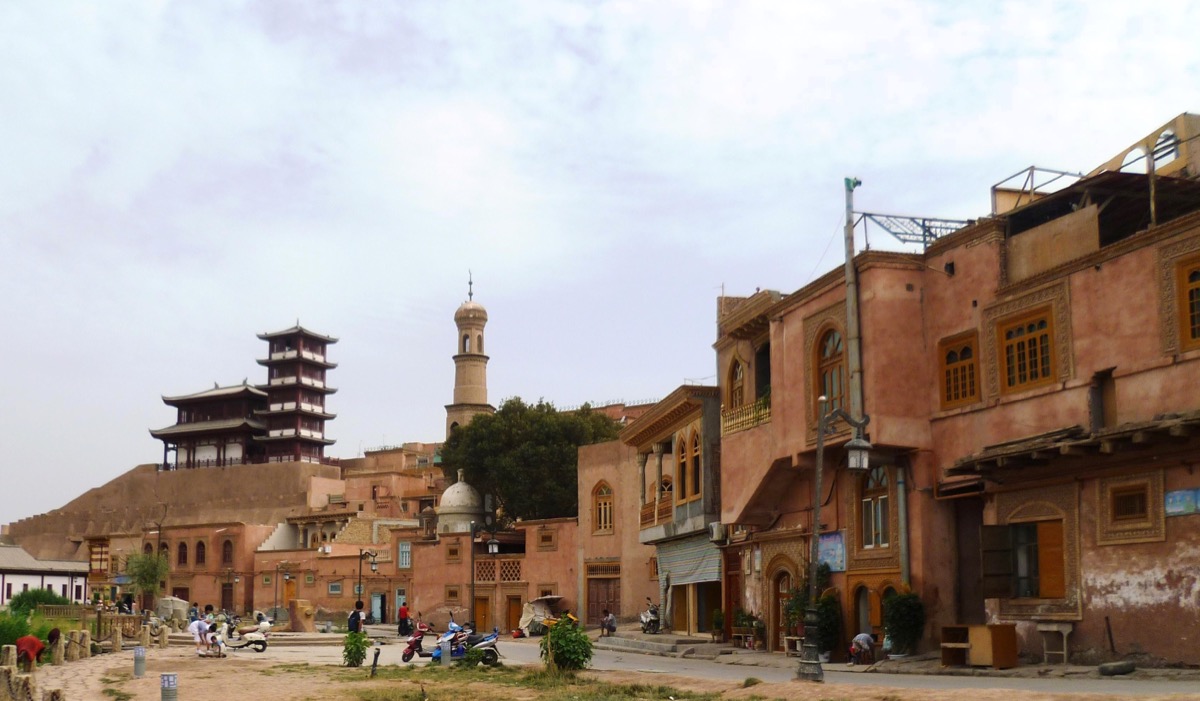
| Kashgar Old Town alleys | 8-10 a.m., 6-8 p.m. | Doorway bread sellers, kids, cats on walls |
| Sunday bazaars (Kashgar, Hotan) | Market morning | Livestock, spice piles, faces in crowds |
| Urumqi metro exits & night markets | Dusk | Commuters, skewer smoke, neon |
| Ili valley towns (Yining) | Late afternoon | Horse carts, tree-lined streets, tea houses |
A Practical Street Kit
You do not need a pro body. A quiet camera and a short prime lens keep you invisible. The table is what I actually carry.
| Gear | Why | Note |
|---|---|---|
| 35mm or 40mm prime | Natural perspective, small | Avoid big zooms that scare people |
| Extra battery | Cold drains fast | Keep one in an inner pocket |
| Microfiber cloth | Dust is constant | Wipe nightly |
| Small sling bag | Fast access, low profile | Don’t look like a paparazzo |
People, Consent, and Respect
This is the part most guides skip. Xinjiang is not a costume museum. Before you frame a face, make eye contact and smile; if you want a portrait, gesture to the camera and wait for a nod. Buying a round of naan or a cup of tea after a shot turns a transaction into a meeting. For the full etiquette framework read our guide to photographing people in Xinjiang. Some areas near borders and military sites are off-limits for photography entirely; when in doubt, put the camera down.
Reading the Room
If someone waves you off, thank them and move on. A missed photo is cheaper than a ruined afternoon. Children are delightful subjects but ask the parent first; a thumbs-up from a grandfather is the best permission you can get.
North vs South: Two Different Streets
In northern Xinjiang the street life has a pastoral edge. Around Yining and the Ili valley you photograph horse carts, riverside dancers, and the long blue hour over poplar lines. The pace is softer and the crowds thinner, which suits a longer lens and a patient stance. Southern Xinjiang is denser and more theatrical: Kashgar’s old town is a maze of mud-brick lanes where every doorway is a frame, and the Sunday bazaars are sensory overload in the best sense. There the wide 35mm and a willingness to wade into crowds pays off. I shoot the north in the calm early morning and the south in the chaotic market hours because the energy of each place demands a different tempo. Don’t try to force one style on both; the region rewards travelers who read the room.
Southern Oasis Towns Up Close
Down in Kashgar, Hotan, and Turpan the palette is mud, dust, and intense color, and the photography is about proximity. Step into a courtyard bakery, accept the offered piece of naan, and the owner will likely pose proudly with his tandoor. That exchange produces better frames than any stealth shot from the alley. The south teaches you that access, not zoom, is the real tool.
Editing and Backing Up on the Road
Card failure is not a question of if but when on a dusty route. I travel with two cards and dump to a small SSD every evening, then upload a low-res set to cloud storage the first time I hit hotel Wi-Fi. That triple copy has saved two failed cards and one dropped phone. Editing on the road should be light: a quick contrast and clarity pass, a crop to fix the horizon you rushed, and a gentle pull on highlights blown out by Xinjiang’s noon sun. Save heavy retouching for home. Keep a spare battery charged and a power bank in the bag; cold mountain mornings and hot lowland afternoons both drain faster than the specs suggest. The goal is to return with usable files, not a portfolio finished at a guesthouse table.
My Minimal Workflow
Shoot RAW plus small JPEG, review on the camera, and cull the obvious misses each night so the keepers are easy to find later. Label folders by town, not by date, because a year from now you will remember “Kashgar” and not “June 14.”
Mistakes I Made So You Don’t
My first trip I shot everything at noon and wondered why faces looked like wax. My second I waved a big zoom in a bazaar and got glared at until I put it away. The recurring errors are predictable: chasing the “exotic” frame instead of the honest one, forgetting to check the horizon, and burning a whole roll on one subject while the better moment walked past. Slow down. Shoot fewer, better frames. Talk to people before you point. And resist the urge to stage a “traditional” scene for the camera; that is the fastest way to lose the trust that makes street work sing. The best image I have from Xinjiang is a woman laughing at my terrible Uyghur greeting, not any landmark.
What to sort out before you leave
- Needing a permit to photograph on the street — For ordinary streets, markets, and old towns, no permit is required.
- Rude to photograph strangers — Not if you ask or clearly get consent.
- Camera is best for xinjiang streets — A small mirrorless or advanced compact with a 35mm-equivalent lens.
- Photograph inside mosques and homes — Only where explicitly allowed.
- Protect gear from dust — Keep the camera in a sealed bag between shots, change lenses in a sheltered spot, and blow off the sensor weekly if you shoot in open desert areas.
- Light best for street work — Summer mornings (8-10 a.m.) and evenings (6-8 p.m.) offer long, soft golden windows.
Work through that list a few days before departure, not on the morning you fly. Most of the grief I have seen on this route comes from leaving it until the last minute.