Camping in Xinjiang: Lakes, Deserts, and Star-Filled Skies
There is a particular silence you only find by a Xinjiang lake at 2 a.m., when the wind drops and the stars come down so thick they seem close enough to touch. After two weeks of hotels and long drives, the night I pitched a tent beside a high-altitude lake was the moment the trip finally slowed down. Camping here is not always easy, but it is unforgettable — and far more possible than most first-time visitors expect.
Is Wild Camping Allowed in Xinjiang?
The short answer: often yes, informally, but with rules. Xinjiang has vast state-owned grasslands, deserts, and roadside pull-offs where travelers freely pitch tents, especially near scenic areas. Formal campgrounds are rare outside the big parks, so most camping is “dispersed” — you find a flat, legal, and safe spot and set up. Inside national parks and nature reserves, follow the posted rules; some restrict open fires and off-trail camping to protect the land.
Practically, the safest approach is to camp at designated areas near the major lakes and passes, or to ask at a nearby village guesthouse where locals permit overnight parking and tents. Rangers in the busiest parks are used to tents and generally helpful.
Best Camping Regions
The region’s scale means the camping experience varies wildly by terrain. Pick your landscape and you pick your trip.
| Area | Terrain | Best season |
|---|---|---|
| Kanas & Hemu (north) | Taiga forest, alpine lake | Jun–Sep |
| Sayram Lake (Ili) | High alpine lake, grassland | May–Sep |
| Duku Highway corridor | Mountain passes, valleys | Jun–Oct (road open) |
| Taklamakan edge | Desert, oasis | Apr–May, Sep–Oct |
Lake-Side Camping: Kanas and Sayram
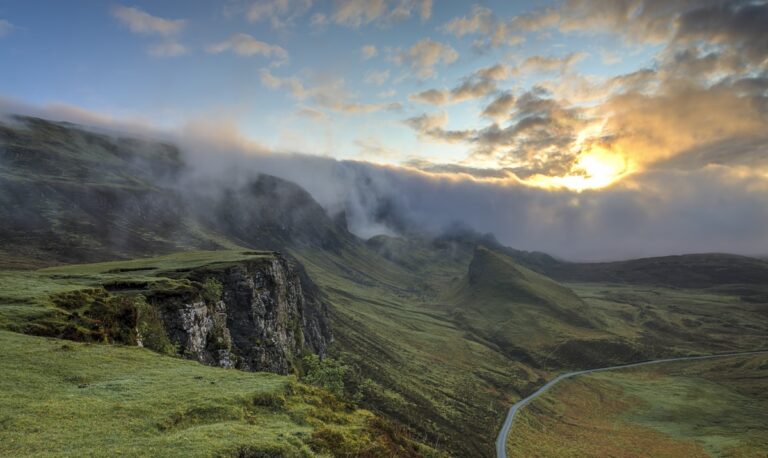
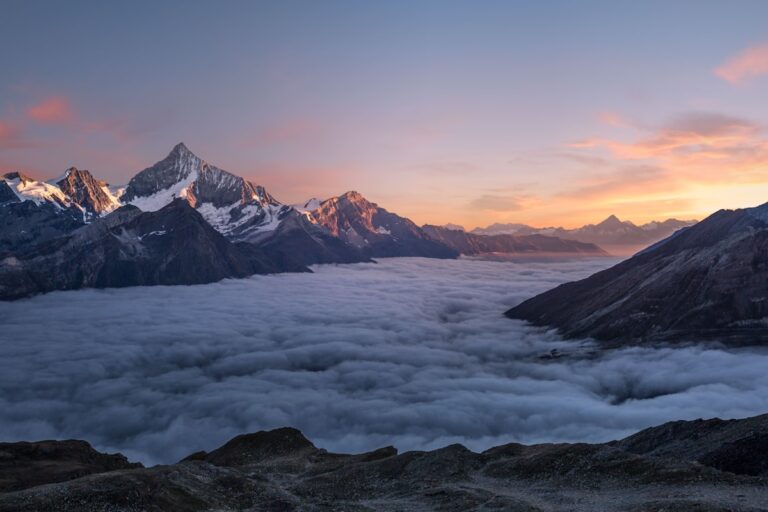
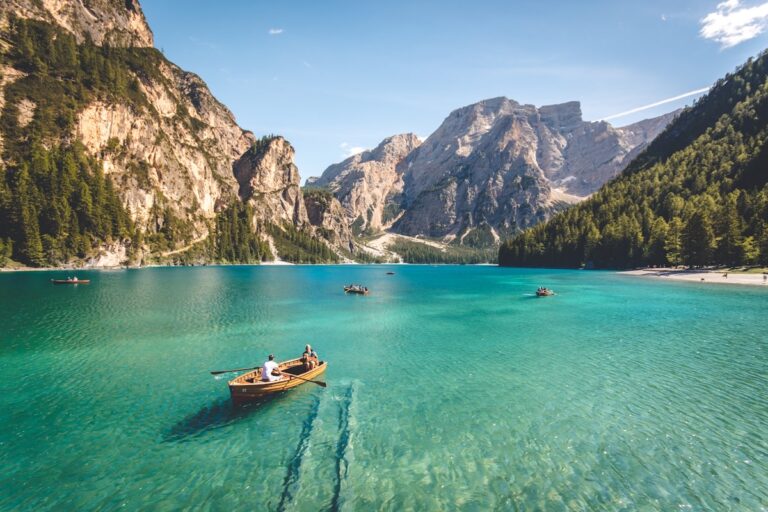
The crown jewels for tent campers are the alpine lakes. Kanas Lake sits in a forested basin where mornings fill with mist and the water turns from jade to steel blue. Sayram Lake is higher and windier, ringed by grassland where you can camp within sight of snow peaks. Both get cold at night even in summer — pack for near-freezing temperatures regardless of the daytime heat.
Permits and Park Rules
Kanas is a managed scenic area; you typically enter on a ticket and shuttle, and free camping inside the strict core zone is limited. The village of Hemu, just beyond, is more relaxed and a classic base for tent and yurt stays. Always check the current park policy at the gate, since rules tighten in peak season to limit impact.
Desert and Grassland Camps
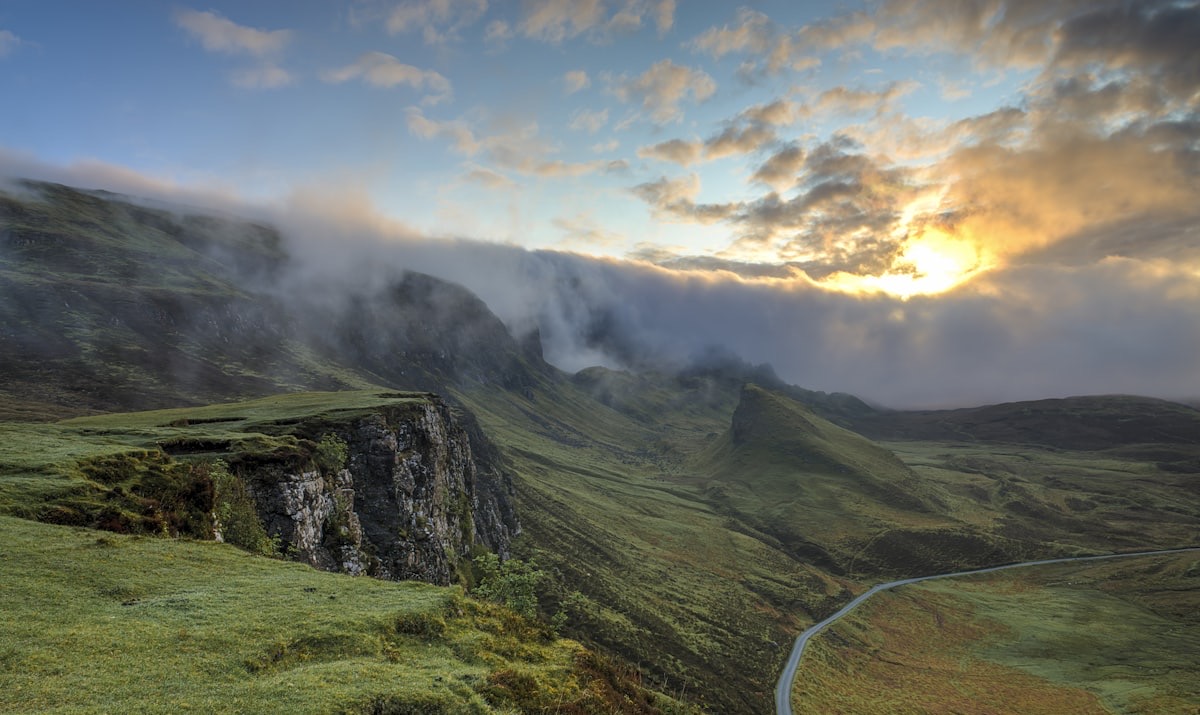
Away from the lakes, the grasslands of Ili and the edge of the Taklamakan offer a different kind of night — open sky, distant camel bells, and total quiet. These spots are best reached by your own vehicle, and they demand more self-sufficiency.
Along the Duku Highway
The Duku Highway climbs from the dry south to the Tianshan heart in a single day of switchbacks. Several pull-offs and valley mouths along the route are popular with self-drivers who sleep in roof tents or by the river. The road is only open roughly June to October, and at altitude the temperature swings are dramatic — a warm layer is not optional.
What to Pack for Xinjiang Camping
This is not a place to travel light and hope. The distance between towns means you carry your own safety net.
| Item | Why you need it |
|---|---|
| Sub-zero rated sleeping bag | Nights are cold even in July at altitude |
| Windproof tent | Lakes and passes are exposed and gusty |
| Plenty of water + filter | Remote stretches have no shops |
| Sun protection | High elevation UV is intense |
| Offline maps / GPS | Signal drops in valleys and desert |
| Extra food | Markets are far apart |
Safety, Weather, and Leave-No-Trace
Xinjiang’s drama is also its risk: sudden storms, fast-dropping temperatures, and long gaps between services. Tell someone your route, check the forecast for the specific pass or lake, and never rely on mobile signal. Bears and roaming livestock are rare nuisances rather than dangers, but food storage matters. Above all, pack out everything — the pristine sites stay pristine only because travelers leave no trace.
Cell coverage is the exception, not the rule, once you leave the highway, so download offline maps before you leave the last town and share your planned campsite with your hotel. A small power bank and a headlamp are non-negotiable, and a whistle or satellite messenger turns a scary situation into a manageable one. The goal is to be bored by how uneventful your night is — that is what a well-planned camp looks like.
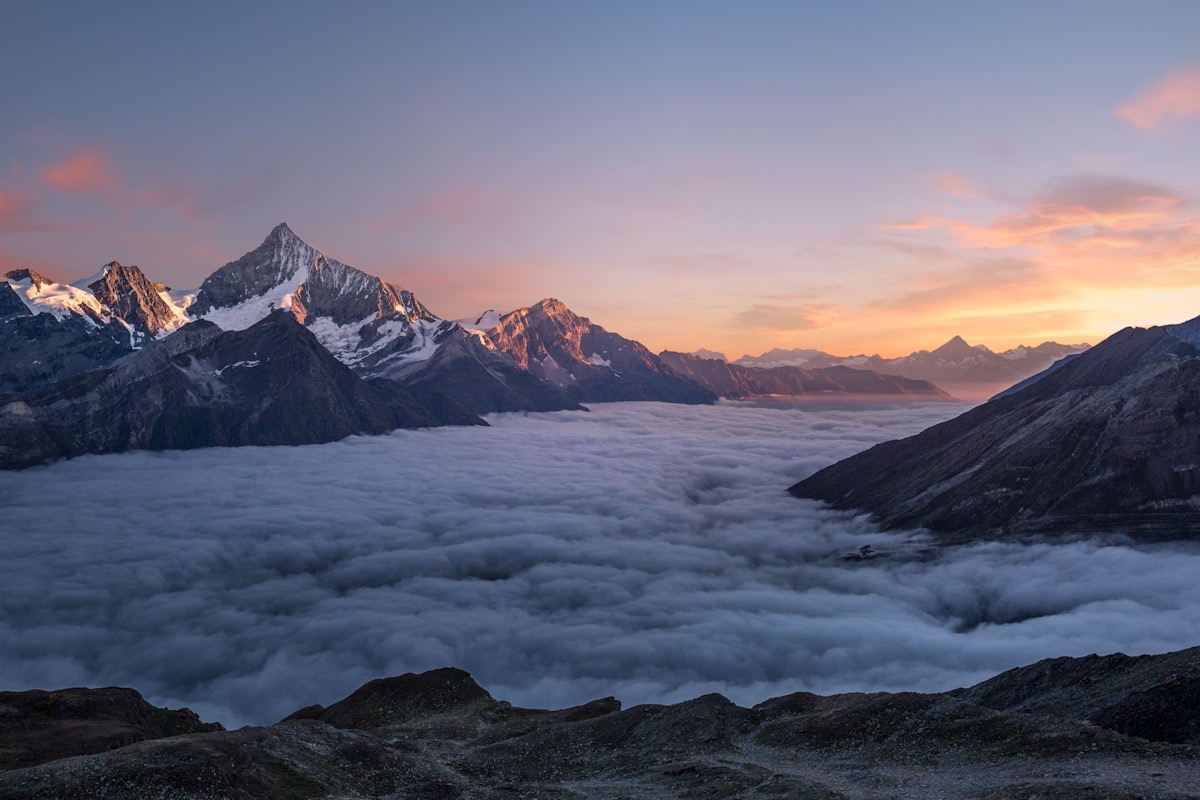
If a tent feels like too much, many of the same landscapes offer yurt stays and guesthouses as a soft introduction to a night under the stars.
Yurt Stays: Camping Without the Gear
If lugging a tent feels like too much, the yurt camps around Kanas, Sayram, and the Ili grasslands are a perfect middle ground. You get the lake-at-night experience, a warm stove, and often a home-cooked dinner, without carrying anything. Prices are modest in shoulder season and they book up fast in July and August. Treat a yurt night as your introduction, then decide later whether you want to go fully wild the next time.
Camping With Kids or Older Travelers
Families do travel this route, but comfort matters more at altitude. Choose lower-elevation lakes like Sayram over high passes, keep nights short, and prefer established yurt or guesthouse bases over remote dispersed sites. Altitude sickness is rare below 2,500 m but real above it; ascend gradually and watch for headaches. A warm layer per person is the single most important item you can pack, followed by a reliable light source and spare power for your phone.
Leave the Stars for the Next Traveler
The landscapes that make Xinjiang camping special are also fragile. Burn no unsupported fires, bury or pack out all waste, and never drive off established tracks — the desert crust and alpine meadows take years to recover. The unspoken rule among local overlanders is simple: arrive quiet, leave no mark, and the next person finds the same silence you did. That restraint is what keeps these places worth the long drive in the first place.
When to go, and when to stay home
Spring and early summer
For ordinary dispersed camping outside reserves, usually not — but border counties near international frontiers can require the Xinjiang travel permit, and formal nature reserves set their own rules. Carry your passport and any permit you already hold for the region.
Summer
Many travelers do, but the remoteness argues for at least a partner and a charged satellite communicator. The main hazards are weather, not people. Register your plan with someone and avoid camping in dry riverbeds during storm season.
Autumn
July and August are warmest but busiest; June and September are excellent — green landscapes or golden grasslands with fewer crowds and tolerable nights. The Duku Highway and high passes are only snow-free roughly June through October.
Winter
In Urumqi and the gateway towns to Kanas or Sayram you can rent or buy basic gear, but selection is limited and quality varies. For anything technical, bring your own. Roadside yurt stays are an easy alternative if you lack equipment.
4
Often restricted, especially in forested and protected areas during dry months. Use a gas stove instead, and never leave a fire unattended. Many scenic zones ban open flames entirely in peak season.