Camping and RV Road-Camping in Xinjiang: Where You Can Sleep Under the Stars
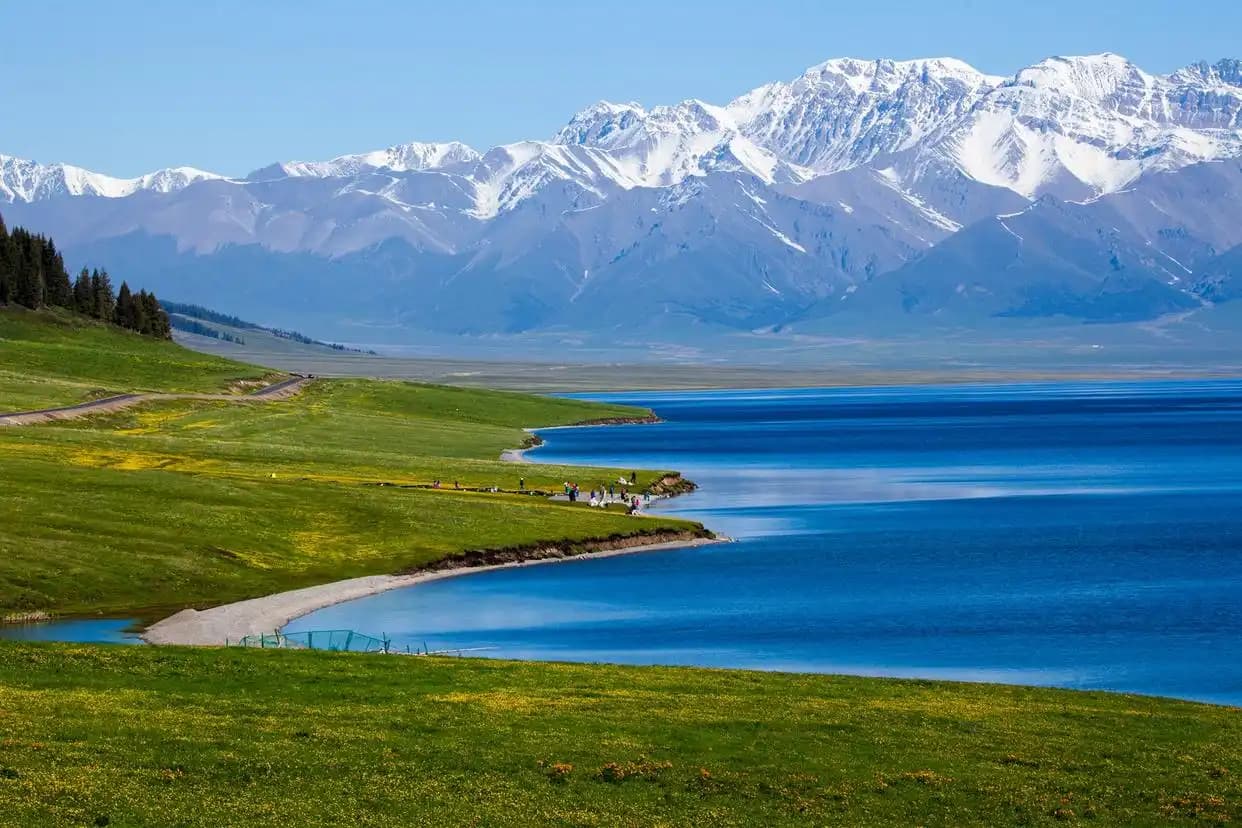
There is a moment on the Duku Highway where the road crests a pass and the whole Tian Shan unrolls below you, and the only reasonable response is to want to sleep right there. I have car-camped across Xinjiang three times, from lakeside pullouts to paid ranch yards, and the freedom is unmatched — but the region’s size and dryness mean camping here follows rules that don’t apply in Europe or the US. This is the practical brief I hand to friends before they roll out.
Is Wild Camping Legal in Xinjiang?
Short answer: it is complicated. China has no broad “right to roam,” and many scenic areas are managed by tourism bureaus that require you to stay in designated zones. In practice, informal roadside camping on non-protected land is often tolerated if you are discreet, self-contained, and gone by sunrise. Inside national parks, nature reserves, and near military or border areas, it is restricted or forbidden — and those boundaries are real. When in doubt, ask at the nearest ranger post or stay at a paid campground.
I learned this the practical way near a lake that looked open but turned out to be a reserve edge: a polite ranger woke me at 7 a.m., explained the boundary, and pointed me to a paid site ten minutes away. No fine, no drama — just a reminder that the land is managed and the managers are local people doing a job. The lesson stuck: the freedom of Xinjiang camping is real, but it is freedom with etiquette, not freedom from rules.
Where You Can Actually Camp
| Option | Typical Cost | Best For | Notes |
|---|---|---|---|
| Paid lakeside / grassland campgrounds | ¥30–80 pp | Families, first-timers | Toilets, sometimes showers; book summer |
| Ranch yards (homestay + tent) | ¥50–150 | Cultural stay | Kazakh yurts nearby, meals available |
| Highway service area pullouts | Free | Overnight drivers | Safe, lit, but noisy; Duku has several |
| Discreet wild pullout (non-reserve) | Free | Experienced self-sufficient | Tolerate at your own risk; leave by dawn |
The Duku Highway itself has service areas and a couple of managed camp spots; pair camping with our what-to-pack guide so you are not caught short on the long, fuel-sparse stretches.
The Gear That Earns Its Place
| Item | Why it matters in Xinjiang |
|---|---|
| 4-season or 0°C-rated bag | Nights at altitude drop near freezing even in July |
| Insulated mat (R-value 4+) | Cold ground steals heat fast on the steppe |
| Windproof tent with good pegs | Steppe and plateau winds are no joke |
| 20L+ water per person/day | Many sites have no tap water; carry more than you think |
| Power bank + 12V inverter | Long drives between charges; phones are your maps |
| Bear/stock-proof food storage | Herder dogs and wildlife; never leave food out |
Water, food, and safety
Xinjiang is arid, and “I’ll filter from the stream” is a bad plan — many streams are seasonal or livestock-fed. Carry bought water and top up at towns. For food, a gas stove beats a campfire (fire bans are common in dry months). Tell someone your route, and keep a paper map: signal vanishes in gorges and on the Pamir.
Toilets, signal, and backup plans
Outside paid campgrounds there are no toilets, so carry a trowel and go at least 50 m from water and camp, packing out toilet paper. Signal is the bigger planning issue: download offline maps for the whole region before you leave Urumqi, because “no service” can mean 200 km of it. I carry a small offline GPS and a paper backup of the Duku and Pamir routes. If a vehicle breaks down on a remote pass, stay with it — the road is the thing rescuers will follow. A whistle and a headlamp weigh nothing and have ended more than one bad night.
Leave No Trace, Seriously
The empty feeling is exactly why we come, and it survives only if we protect it. Pack out every scrap, bury nothing, and never drive off existing tracks — the fragile crust (biological soil) takes decades to heal and is visible from space once destroyed. Herders judge travelers by how they leave a site; a clean camp earns you a wave next time.
Camping Styles: Tent, Rooftop, or Yurt
| Style | Comfort | Best use | Cost |
|---|---|---|---|
| Ground tent | Low–Medium | Lightweight, flexible spots | ¥0 if you own it |
| Rooftop tent (on rental 4×4) | Medium–High | Off-road, away from damp | Part of vehicle rent |
| RV / camper-van | High | Long hauls, families | ¥400–900/day |
| Yurt at a ranch | Medium | Cultural, social, meals | ¥80–200/pp |
I have done all four. The rooftop tent is the sweet spot for solo travelers who want to stop anywhere without pitching in the dark; the yurt is the most memorable but the least “wild.” Match the style to your route: a tent on the Pamir, a yurt in Ili, an RV if you are covering 300 km days.
What a Camp Evening Actually Looks Like
Arrive before sunset so you can pitch in light and scout a flat, wind-sheltered spot. Boil water for dinner and a hot drink, secure food in the vehicle, and watch the temperature drop fast once the sun is gone. On clear plateau nights the stars come out in ridiculous numbers — I have lain awake just looking. Quiet hours matter: keep music off and voices low; the next pullout may hold another traveler who came for the same silence.
Dealing with cold and wind
Steppe wind picks up in the afternoon and dies at dusk, so pitch with the door away from the prevailing southwest flow and weight the guy lines with rocks if you lack pegs for hard ground. Wear dry layers to sleep — damp from a day’s sweat is the fastest route to a cold night. A hot-water bottle (or a filled bottle from your boiled water) at the feet works wonders.
Before you go: the things that matter
- Renting an rv in xinjiang — Yes, RV and camper-van rentals exist in Urumqi and Yining, usually as part of a self-drive package.
- Safe to camp alone — Generally yes in managed campgrounds and service areas.
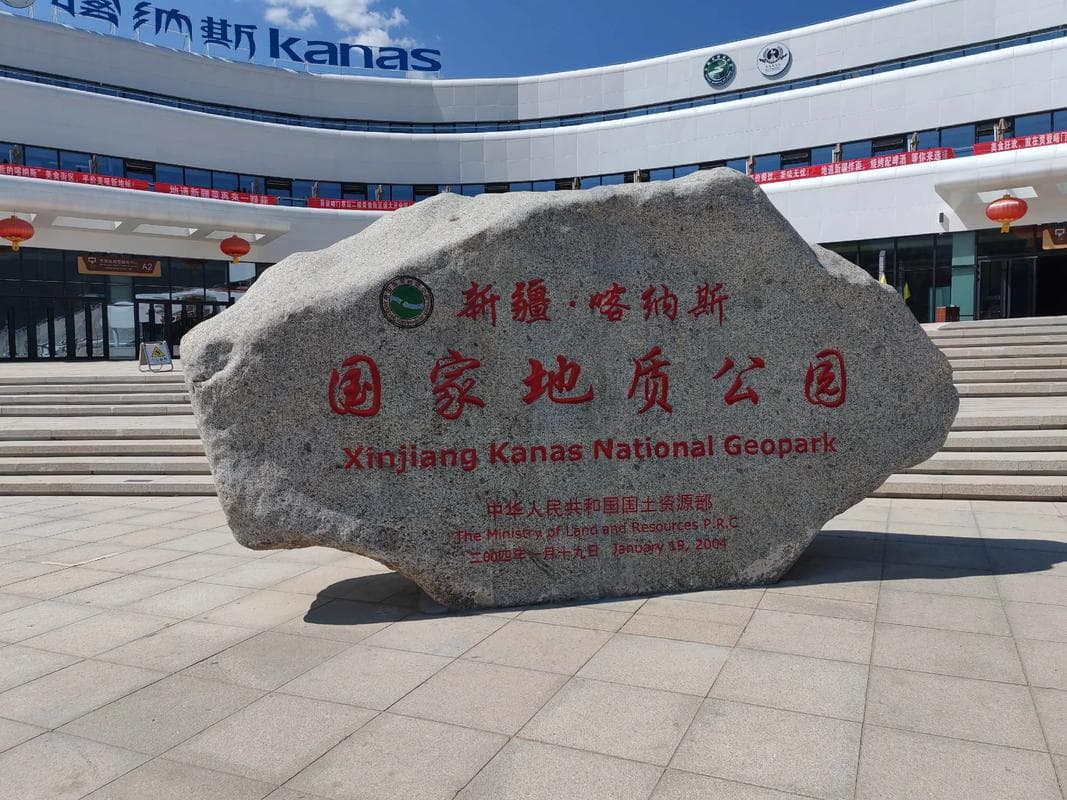
- Best stargazing camp — The Altay (near Kanas/Hemu), the Pamir plateau, and the open Ili grasslands have the darkest skies.
- Needing a border permit to camp near the pamir — Yes, the Tashkurgan border permit covers Karakul and the Pamir stops; camping there without it is not possible.
- Bears — Large predators are rare near campgrounds but present in remote mountains.
- Camping season — Best is June through September.
Work through that list a few days before departure, not on the morning you fly. Most of the grief I have seen on this route comes from leaving it until the last minute.