Staying Clean on the Road in Xinjiang: Toilets, Laundry and Hygiene for Long Drives
Nobody puts “toilets” on their Xinjiang bucket list, and yet on my first long drive — Urumqi to Kashgar, three days, two mountain passes — it became the thing I thought about most. Xinjiang is enormous, and the gaps between proper facilities can be long. Learn the rhythm and the trip is a joy; ignore it and you’ll spend the pretty stretches squirming. This is the unglamorous guide I wish I’d had.
The Reality of Distance
Xinjiang is about the size of Western Europe, with towns spaced hours apart. Between them you’ll pass service areas, truck stops, and the occasional wa cán (washing/rest) station, but not always when you need them. The rule I now follow: use a real toilet whenever you see one, even if you don’t think you need to. The next one might be 90 minutes away.
Toilets: What to Expect
Highway service areas
The big G-series highways have modern service areas with sit-down toilets, soap, and sometimes paper. These are your best bet — use them. They’re cleanest in the morning and get busier (and rougher) by midday.
Scenic areas and small towns
Outside the highways, facilities range from decent squat toilets to basic pits. Carry your own tissue and a small hand-sanitizer; do not assume either will be provided. A pack of pocket tissues is the single most useful item in my daybag.
Nature stops
On open grassland or desert, you’ll need to be discreet and leave no trace. Walk well off the road, away from water sources, and pack out what you bring. Respect that some land is pastoral or protected.
Laundry on Multi-Day Drives
Most travelers underestimate how fast clothes accumulate dust and sweat. Here’s the pragmatic approach:
| Option | Best for | Effort | Note |
|---|---|---|---|
| Hotel sink wash | Underwear, socks | Low | Quick-dry fabrics only; hang overnight |
| Laundromat in cities | Full loads | Medium | Urumqi, Yining, Kashgar have them |
| Guesthouse service | Yurt / homestay stays | Low | Ask first; some offer washing for a fee |
| Pack enough | Short trips (<5 days) | None | Simplest if luggage allows |
Staying Fresh Without a Shower
On long drive days a full shower isn’t always possible, but you can stay decent with less. Wet wipes for the essentials, a small microfibre towel, and a change of shirt do most of the work. The goal isn’t to feel showered — it’s to avoid the slow creep of grit and staleness that wears you down by day four. Travelers who skip this step are the ones who cut trips short; the ones who pack the kit keep going. I keep a “refresh kit” — wipes, deodorant, a flannel, dry shampoo — in the door pocket of the car. Planning transport around overnight stops with real bathrooms makes this easier.
Hand Hygiene and Food Safety
You’ll eat with your hands more than you expect — staying healthy starts with clean hands. Carry sanitizer for before meals, especially at roadside noodle stops where sinks may be occupied. A small bottle of hand soap travels better than relying on a restroom’s supply. Drink bottled or boiled water; the tap water is treated but not meant for visitors’ stomachs.
Packing the Hygiene Bag
My non-negotiables: pocket tissues (×2 packs), hand sanitizer, wet wipes, microfibre towel, small soap, a spare shirt, and a sealable plastic bag for dirty laundry. None of it is heavy, and all of it earns its place by day three.
Public Baths and Showers
In bigger towns you’ll find public bathhouses — sometimes attached to hotels — where for a small fee you get a hot shower and a quiet break from the road. On long plateau or desert stretches these may be the only real showers for days, so use them when you see them. I treat a hot shower in a county town as a small celebration rather than a given; it resets the whole mood of a trip and makes the next drive leg far easier.
Managing Periods on Multi-Day Drives
For travelers who menstruate, the long gaps between stops are the real planning challenge. Pack more supplies than you think you’ll need, keep them in an easy-access pouch, and remember that guesthouses usually have private bathrooms where you can change. Discreet disposal matters in remote areas — carry a small sealable bag for used items until you reach a proper bin. Don’t rely on buying specific brands on the road; what’s available in a small town may not be what you’re used to, so arrive self-sufficient.
Water, Drinking and Staying Hydrated
Dry air and long drives dehydrate you faster than you notice, and dehydration makes everything — fatigue, altitude, irritability — worse. Carry a refillable bottle and top it up at every service area; use boiled or bottled water only. I keep a one-liter bottle in the car door and finish it between stops. Proper hydration also keeps your skin and eyes comfortable in the dust and wind, which is half the battle of simply feeling clean on a dusty highway.
When Things Go Wrong: Tummy Troubles
Even careful travelers sometimes get a stomach bug, and the hygiene kit earns its keep here: hand sanitizer before every meal is the single best prevention. If something hits, rest, drink boiled water or rehydration salts, and don’t push a long drive that day. Most bouts pass in a day or two; if you spike a fever or can’t keep fluids down, head to the nearest town clinic. Knowing basic health precautions before you leave saves panic later, and it’s worth reading up before you’re standing in a pharmacy with a phrasebook.
A Sample Day-Pack Hygiene Checklist
| Item | Why it earns its place |
|---|---|
| Pocket tissues ×2 | Toilets rarely supply paper |
| Hand sanitizer | Before every meal on the road |
| Wet wipes | Quick refresh without a shower |
| Microfibre towel | Dries fast, packs small |
| Small soap | Restroom supplies unreliable |
| Sealable laundry bag | Contains dirty clothes and odors |
| Spare shirt | Cheap morale boost mid-drive |
When the plan falls apart
If this happens: There toilets at the major attractions
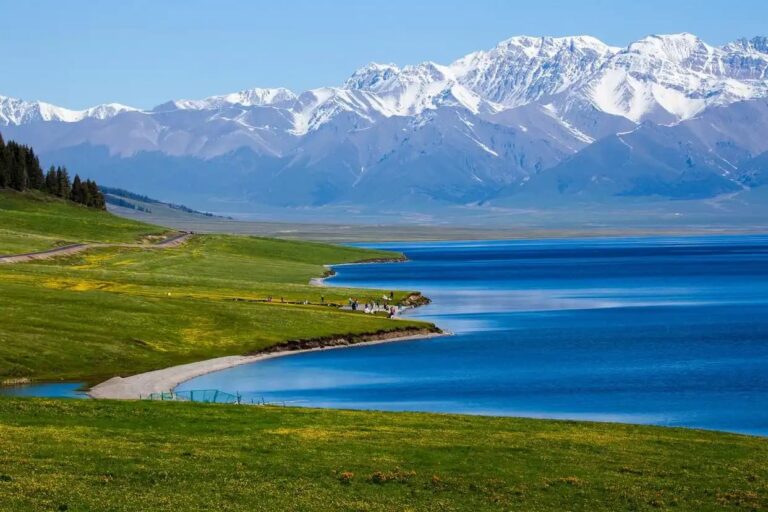
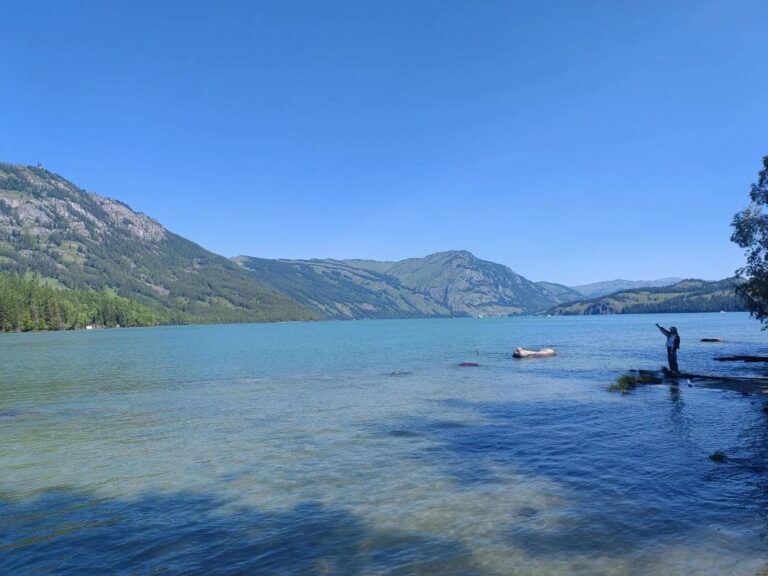
Yes — Kanas, Sayram, Tianchi and similar ticketed sites have managed toilets near entrances and key viewpoints. The quality drops the further you get from the main hubs, so go before you start a long walk.
When it goes sideways: Finding laundry in smaller towns
Not always. The big cities and prefecture capitals have laundromats; county towns may not. If you’re going deep into the south or the plateau, either pack enough or plan a wash in a hotel sink.
If you run into this: Tap water safe to brush teeth with
Most travelers brush with it without issue, but if you’re cautious use bottled water for brushing — it removes the only real variable. Don’t swallow it either way.
On the ground: Handle toilets on a pamir
Plan around service areas and your guesthouse. Carry full supplies (paper, sanitizer, wipes) and treat open-country stops as last resorts, not routine. Tell your driver or group your needs early so you can pull over at the right moment.
If this happens: One item i shouldn’t skip
Pocket tissues. Followed closely by hand sanitizer. Together they solve 90% of the discomfort on a long Xinjiang drive.