Xinjiang Photography Permits: What You Need to Shoot Legally
Xinjiang rewards photographers like few places on earth, but it also has real rules, and ignoring them can end a shoot—or a trip. I have been stopped twice (both times politely), and learned exactly when a permit matters. This is the practical permit picture, so you spend time behind the lens instead of at a checkpoint.
Border Areas: The Pass You Usually Need
To photograph the Pamir (Tashkurgan, Karakul Lake, Khunjerab approach) you need a border pass (边境管理区通行证), obtainable in Kashgar with your passport. No pass, no entry, no photos. Plan a day for it. This overlaps with the general Xinjiang photography guide planning, and the pass is free but requires your original passport and a few hours of waiting.
How the Pass Process Actually Goes
You take your passport to the border-management office in Kashgar, fill a form, and usually receive the pass the same day. Hotels and drivers know the building. Without it, the G314 control points simply turn you back—there is no arguing past them.
Drones: Banned in Most Sensitive Zones
Drone flight is restricted or banned around borders, military areas, and many scenic parks; some parks confiscate drones at the gate. Always check on arrival and register if a local app requires it. The drone rules breakdown lists the no-fly zones in detail, and I strongly recommend reading it before you even pack a drone.
Tripods, Monasteries, and Military Objects
Tripods are fine in open landscapes but may be discouraged inside mosques and museums (no photography inside religious interiors). Never photograph military installations, police checkpoints, or border fences—even from a distance. When in doubt, lower the camera; the cost of a mistake is far higher than a missed frame.
Permit and Rule Summary Table
| Scenario | Need permit? | Note |
|---|---|---|
| Pamir / Tashkurgan | Yes (border pass) | Get in Kashgar |
| Drone near border | Banned | Confiscation risk |
| Mosque interior | No, but no photos | Ask first |
| Open landscape | No | Tripod OK |
People and Portraits
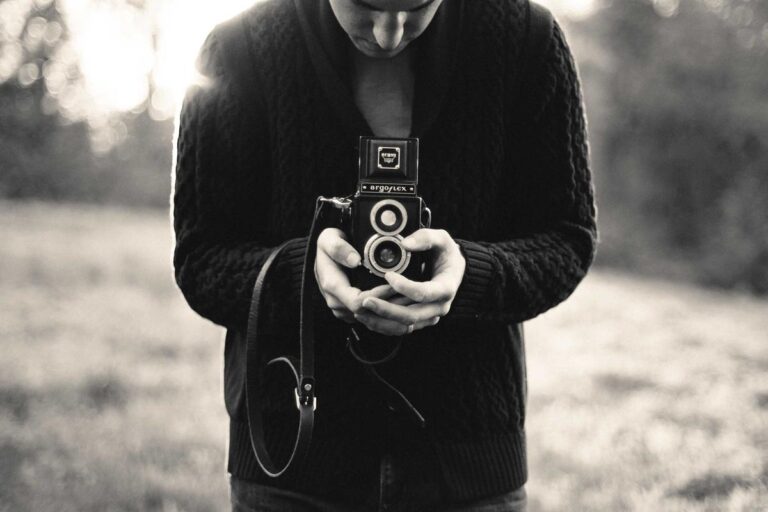
Always ask before photographing people, especially in villages and markets. A smile and showing the photo usually earns a nod; sneaking shots builds distrust. A few yuan or a printed photo given back goes a long way in remote areas, and I have made genuine friends this way after showing someone the picture on my screen.
What I Carry to Stay Compliant
A paper copy of my border pass, my passport, and a note in my camera bag listing the no-fly zones I plan to avoid. Being organized means any checkpoint encounter lasts two minutes instead of twenty, and officers appreciate travelers who know the rules.
Building a Compliant Shoot Plan
Before any trip I map my route against the two triggers: borders and drones. If the route touches Tashkurgan, I build in a Kashgar day for the pass. If I want aerials, I pick open, non-border zones and register where required. This five-minute planning step has prevented every problem I have seen other travelers hit, and it keeps the focus on making images instead of explaining myself at a gate.
Carry a Paper Trail
Keep a printed copy of your border pass and a note of your registered drone (if any). Officers appreciate a traveler who is organized, and it turns a potential 30-minute interview into a wave-through. I store these with my passport in one zip pocket so nothing is ever “back at the hotel.”
Border Pass Step-by-Step
The Kashgar border-management office asks for your passport, a form with your Pamir itinerary, and sometimes a hotel confirmation. Processing is usually same-day but can slip on busy Mondays, so I build in a buffer day and never schedule the Pamir drive for the day after arrival. A calm timeline is the cheapest insurance against a missed permit.
Drones: Ask Before You Fly
Even outside the Pamir, some scenic parks ban drones at the entrance and will hold yours until you leave. I now ask the ticket booth explicitly and note the answer; pretending ignorance does not help if you are caught. The drone rules guide is my pre-trip read so I know the no-fly zones before I even pack the case.
Checkpoints: What to Expect
On sensitive roads you will pass police checkpoints where officers scan your passport or ID. Stay calm, window down, and have documents ready. Photography is not permitted at the booth itself. These stops are routine and polite; treating them as normal keeps everyone relaxed. I keep a dedicated pocket for passport so I am never fumbling.
Drones and the “Gray Zones”
Some areas are not explicitly banned but are clearly sensitive (near military bases, border rivers). When in doubt, don’t launch. The cost of a mistake—confiscation or a fine—far outweighs one aerial frame. I keep the drone packed in such zones and console myself with the ground-level shots, which are often better composed anyway.
Portrait Permits and People
There is no formal “portrait permit,” but respect is the rule. In villages, ask the elder or family first; a nod or a small gift smooths it. I carry a few printed photos of my own family to show I am a person, not just a lens, which consistently warms encounters and yields more natural, joyful portraits.
Final Permit Takeaways
Xinjiang photography is generous but governed. A border pass for the Pamir, drone bans near sensitive zones, and simple respect for people and checkpoints cover 95% of what you need to know. Plan the pass day, ask before flying, and ask before shooting faces, and you will photograph the region freely and legally without a single awkward encounter.
Carry the Paperwork
The photographers who get stopped are usually the disorganized ones. A printed pass, a note of registered drones, and a calm manner turn any checkpoint into a thirty-second formality. I keep these with my passport in one pocket, and that small habit has made every border-region shoot smoother than the paperwork suggests it should be.
Before You Shoot
Download an offline map of your border-region route before you lose signal; permits do not help if you cannot find the office. I keep a screenshot of the Kashgar border office location as backup. The regions worth photographing are exactly the ones with thin connectivity, so prep beats reliance on live data every time.
The short version
Xinjiang photography is generous but governed: a border pass for the Pamir, drone bans near sensitive zones, and basic respect for people and checkpoints. Plan the pass day, ask before flying or shooting faces, and carry the paperwork. Do that and you will photograph the region freely, legally, and without a single awkward encounter.
Questions people keep asking me
Can I fly a drone at all?
Yes in many open, non-border areas, but register and avoid parks that ban them.
How do I get the border pass?
Take your passport to the Kashgar border-management office; allow a few hours.
Are professional cameras flagged?
No, but big lenses near sensitive sites draw attention; carry ID.
Can I photograph checkpoints?
No. Never photograph police, military, or border infrastructure.
What if I am stopped?
Stay calm, show your permit/ID, and delete the file if asked; it is usually routine.