Medical Emergencies in Xinjiang: Hospitals, Helplines and What to Do
Xinjiang’s size makes people fear being far from help. In practice, every prefecture city has a modern hospital, and the emergency system works. Here is the plan I keep in my head on every trip, because panic is the enemy when something goes wrong.
The numbers to know
Across China, 120 is the ambulance, 110 the police, 119 fire. Program them now. In a city, an ambulance reaches you fast; on a remote highway, the checkpoint officers (see our checkpoint guide) are often your fastest link to help, because they have radios and authority.
Tiers of care
- 药店 / clinic — minor issues, everywhere, cheap.
- 县医院 (county hospital) — solid for common problems.
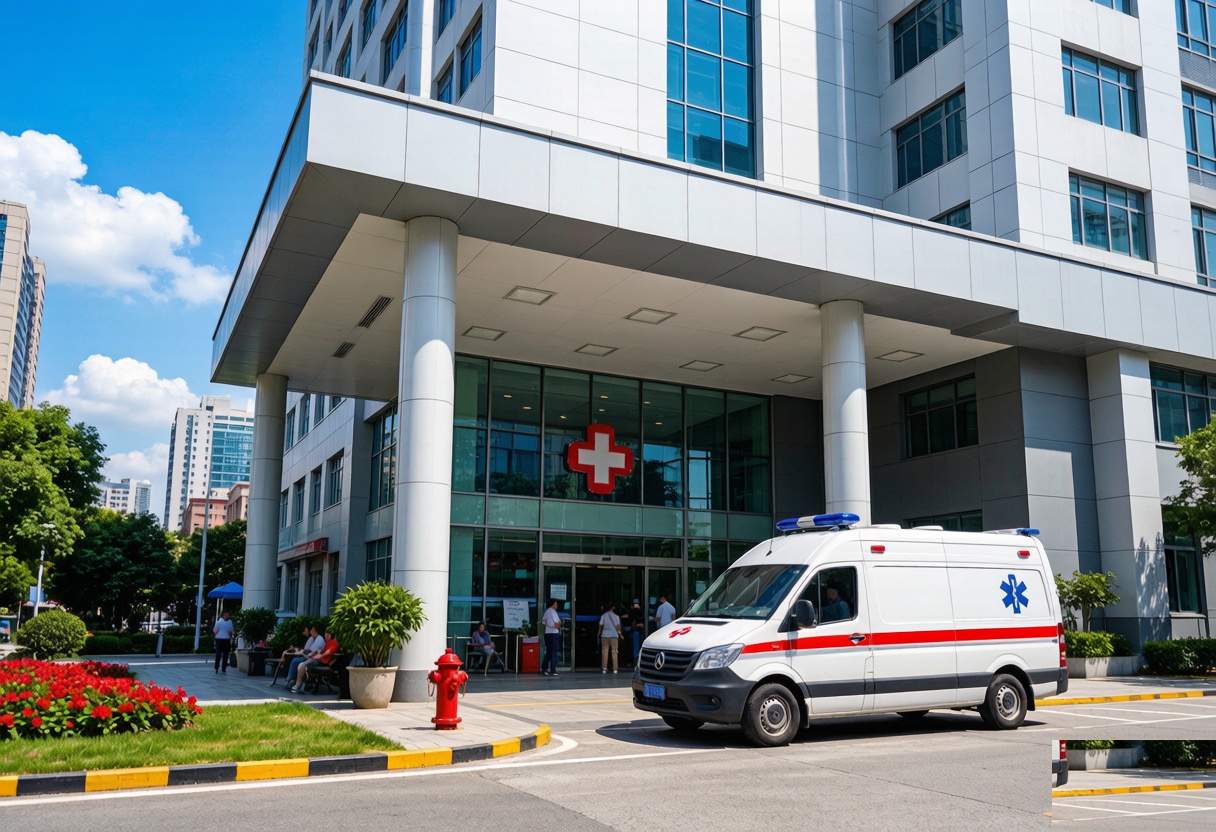
- 地区医院 / 人民医院 — prefecture-level, equipped for serious cases.
- Urumqi third-tier hospitals — the highest level, for anything critical.
Language and payment
Bring your passport for registration; expect cash or Alipay/WeChat at the desk. English is limited outside Urumqi, so a translation app and our health overview notes help. If you have insurance (see our insurance guide), call the hotline before you pay large bills — many policies want to direct you to a network hospital.
Remote-area reality
On the Pamir or deep in the Taklamakan, the nearest hospital may be hours away — which is exactly why our senior-travel guide and altitude notes matter, and why conservative driving pays off. The system works; the distances are the variable. Plan for them and you stay safe.
For travellers who want a plan B
Urumqi has international-friendly facilities and, for routine matters, clinics used to foreign patients. In smaller towns, the county hospital is competent for common issues; for anything serious, get to the prefecture capital. I keep the 30 tips open and the emergency numbers in my phone contacts before I leave wifi, so panic never delays the first call.
A calm checklist
- Dial 120 (ambulance) or 110 (police) — say where you are, slowly.
- Show your passport at registration; have insurance details ready.
- Keep all receipts for the claim later.
- If remote, flag down the nearest checkpoint officer — they have the radio.
The system is built for residents but works for visitors who stay calm and prepared.
The money, line by line
On top of it comes a shuttle or sightseeing bus inside the site, and if you want a far viewpoint rather than the main one that is another leg. Parking, a printed map, and a guide are the other three places the number moves. Two of us covered the whole thing for well under what a single hotel night in Xinjiang costs, but only because we shared the car and shared the entry between us. Prices at the gate are reasonable by European standards, which is exactly why they are easy to underestimate. On your own the same afternoon comes out at maybe half again as much.
Ask once at the ticket office what the full circuit costs before you commit. The admission is cheap, the internal transport is what adds up, and a family of four in one car turns a small ticket into a real line in the budget. Staff there are used to it, and the answer takes ten seconds. The headline entrance ticket is only the first line. Where most people get the logistics wrong is covered in our [[how-to-go-to-xinjiang|How to Get to Xinjiang: Entry Requirements…]].
What goes in the day pack
A wind shell. The temperature drops fast once you stop moving and the drop is not hypothetical on an exposed pass. A fleece covers most of the year, a real jacket covers shoulder season. Water, more than you think, a power bank and some cash. Sunscreen and a brim. Cards work at the gate and in the shops, but the stalls on the approach road and the drivers waiting at the turnoff want cash, and coming up short at the moment you want a lift is the classic way to lose an hour. The light here is serious and the shade is intermittent, so the sunscreen goes on before you leave the hotel, not at the gate.
What to do in the moment
If something serious happens, get to a city hospital — every prefecture capital has a proper people’s hospital (人民医院) with an emergency department, and Urumqi has the big regional ones. In a remote area, the practical move is to drive or get a lift to the nearest town and ask at your hotel to call help; don’t count on ambulance English. I keep a translation app ready and photograph my insurance card and passport, because the front desk will want both. For altitude, the Tianshan passes and the Pamir (Kashgar upward) are high enough to wind you — ascend slowly, drink water, and don’t shrug off a bad headache.
Insurance and a paper trail
Before you need it: photograph your policy number and the emergency line, and know your insurer actually covers remote China. At the hospital, ask for a stamped receipt (发票) and a diagnosis note — you’ll need both for any claim, and clinics won’t back-fill them later. I keep all of it in one photos album. Most scares I’ve had were minor and solved at a pharmacy or a city clinic; the plan is mainly so the rare bad one isn’t also a paperwork disaster.