Pharmacy and Medicines by Chinese Name Every Traveler Should Know
You will eventually need a pharmacy on a long Xinjiang trip — for the stomach, the altitude, or the common cold at altitude. Knowing the Chinese name saves a confused conversation at the counter and gets you the right box fast.
Finding a pharmacy
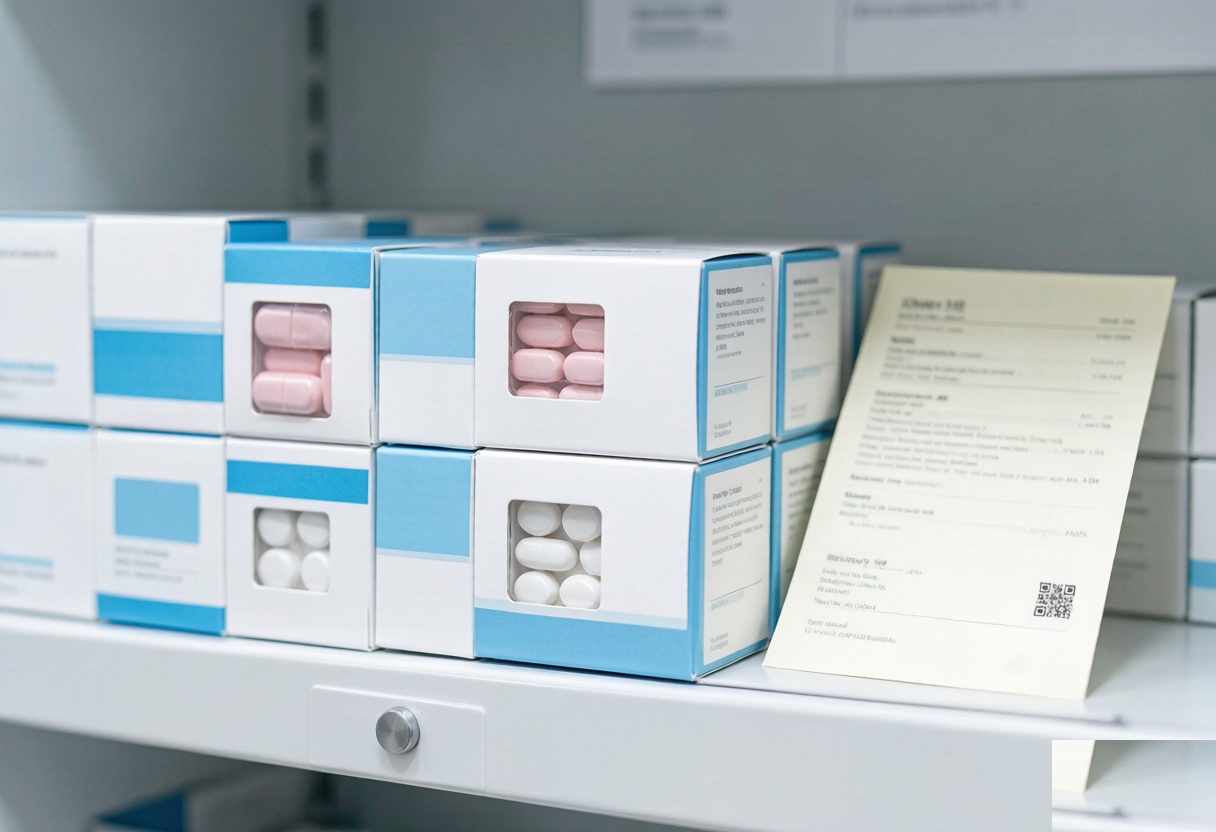
Look for 药店 (yàodiàn) or 大药房; they are everywhere in cities and towns, often with a green cross. Many have a clerk who speaks little English, so show the characters on your phone. Our health overview has the bigger picture of the medical system you are tapping into.
Useful names to save in your notes
- Diarrhoea: 蒙脱石散 (méngtuōshí sǎn) — a safe binder, gentle on the gut.
- Rehydration: 口服补液盐 (kǒufú bǔyè yán).
- Fever/pain: 布洛芬 (bùluòfēn, ibuprofen).
- Cold: 感冒灵 (gǎnmào líng).
- Motion sickness: 晕车药 (yùnchē yào) — essential on mountain passes.
- Altitude: 红景天 (hóngjǐngtiān, rhodiola) — start days before the Pamir, not on arrival.
What I carry
A small kit: rehydration salts, ibuprofen, a binder, altitude support, and any personal prescription in its original box with a copy of the script. Our food-safety guide explains avoiding the stomach issues that make this kit necessary in the first place — prevention beats cure on a remote road.
When to skip the pharmacy
High fever, breathing trouble at altitude, or anything severe — go to a clinic. Our 30 tips include the basics of getting help, and a pharmacy fixes the minor; it is not a hospital. Know the line, and you will use both well.
Pharmacy etiquette
Show the Chinese name from your notes on your phone; the clerk will point to the box. Pay at the counter (cash or WeChat; cards are less common in small shops) and keep the receipt — useful if you later see a doctor. Most pharmacies have a licensed pharmacist on site who can suggest the right over-the-counter option if you describe symptoms simply.
What to avoid self-treating
Do not guess at antibiotics; they are prescription-only and a pharmacist will flag this. For persistent diarrhoea with fever, or any breathing issue at altitude, skip the pharmacy and go to a clinic — our health overview explains the tiers of care. The pharmacy is for the small, familiar problems, not the serious ones.
The mistake I made the first time
There is a shuttle, a walk, sometimes another shuttle, and the stretch everybody underestimates is between the second gate and the thing you crossed the country to see. So: work out how far it is from where the vehicle drops you to the feature, then double it. That is the number of hours the visit needs. It was, in the sense that I saw everything, and it was ruined in the sense that I saw everything at the same hour with the same crowd, and I spent the drive home meaning to come back and never did. I assumed two hours would be plenty.
What I would tell the version of me who planned it: put the slow hours in, not the fast ones. The whole point of coming this far is to have the place to yourself for a while, and that only happens if you are willing to be there when it opens or when it is nearly shut. I did come back the following trip, at seven in the morning, and it was a different site. The other mistake is about distance on the map. The gate is not the site.
A second look on day two
If your itinerary has a spare morning, spend it here again rather than at the bigger name on the far side of town. The second time you can skip the obligatory viewpoint and walk along the base of the ridge where the light comes in sideways, and that is the photograph you keep. I did, and the second visit was better, because the first had been spent working out where to stand. Almost nobody does Pharmacy Medicines Chinese Name twice.
The short list I actually use
A Chinese pharmacy (药店) is easy to find but the labels are all Chinese, so I keep a phone note of the basics: 感冒 (gǎnmào, cold), 发烧 (fāshāo, fever), 腹泻 (fùxiè, diarrhoea), 过敏 (guòmǐn, allergy), 止痛 (zhǐtòng, pain relief), 肠胃 (chángwèi, stomach), 创可贴 (chuāngkětiē, plasters). Show the note or just say the word — pharmacists recognise them instantly. For something specific, point to the part of your body and they’ll usually walk you to the shelf.
Etiquette and what to avoid
Pharmacists here can hand you medicine directly without a doctor, which is handy — but I don’t self-prescribe antibiotics. If it sounds like they’re offering strong pills, ask “need doctor?” (要不要看医生) and use your judgement. Keep the receipt and the box; if a reaction happens, the label is your only record. I also photograph the box so I can show it to a clinic later if needed. Most ordinary travel tummy and cold issues are solved at the counter in five minutes.