Xinjiang Internal Travel Permits: Which Attractions Require Prior Approval
What you come for
Most of Xinjiang is open to visitors with just a passport and a standard Chinese visa, but a surprising number of the region’s best places sit in controlled zones that require an extra permit. Unlike the border pass for Tashkurgan, these are attraction-level approvals tied to specific scenic areas, military regions, or nature reserves. Knowing which sites need prior paperwork saves you from a locked gate hours from anywhere. This guide lists the common ones and how to get them, so the only surprise on your trip is a good view and not a turned-back car at a barrier in the middle of nowhere.
Plan permits as part of your itinerary, not an afterthought. Some take a day, some are same-day at the gate, and a few need a local agent who knows the current procedure. Build them into the calendar and the remote corners of Xinjiang open to you smoothly and legally, instead of becoming the story of the trip you almost took but could not, because the form was missing and the officer would not bend.
The good news is that the system, while bureaucratic, is consistent. Once you understand that Xinjiang layers its permissions, a national visa, then a regional permit, then a site pass, the logic becomes clear, and you stop resenting the paperwork and start treating it as the price of admission to places most travelers never see. That shift in attitude makes the whole process feel less like an obstacle and more like a key.
Closer to the entrance
Permits are usually arranged in the nearest gateway city. For northern reserves, base in Urumqi, Burqin, or Altay; for southern controlled zones, base in Kashgar or Hotan. Many permits require you to enter with a licensed vehicle or tour, so a driver or agent often handles submission while you relax with a tea. This is normal and usually cheaper than the alternative of being turned back at a checkpoint fifty kilometers from the gate with no way to appeal.
Bring passport, visa, and a passport photo; some offices still want paper even in a digital age. Have your route and hotel list ready, since officers ask where you are going and for how long, and vague answers slow everything. A printed itinerary in hand signals you are organized and shortens the interview, which can otherwise drift into a long and curious conversation about where you are really from and why you came so far.
What each season brings
Permit offices keep roughly the same hours year-round, but remote areas close in deep winter, making some permits moot and the drive impossible anyway. Summer is peak and lines are longer; autumn is efficient and scenic, with clear roads and cooperative weather. Avoid applying on the eve of a public holiday when offices close early and the queue stretches around the block with everyone else who forgot to plan and now blames the system for their own delay.
Check ahead whether a site is open, as closures for weather or security are common on short notice in border-adjacent areas. A phone call to your guesthouse the day before saves a wasted four-hour round trip to a shut gate high in the mountains, where the only view is the one you cannot enter and the only lesson is to ask before you drive, not after.
The main sights
Kanas and the Altay border villages such as Baihaba often require a border-area permit obtained in Burqin or Altay, especially near the Kazakhstan and Mongolia frontier. The Pamir passes toward Tashkurgan need the well-known border pass from Kashgar. Some nature reserves and military-adjacent viewpoints require day permits from the local scenic administration, issued at the ticket office with your passport and sometimes a quick photograph against a plain wall that ends up in a folder you will never see again.
Ask at every ticket office whether your next stop needs approval; front-desk staff know current rules better than any website that may be months out of date. Build buffer days so a delayed permit does not sink your plan, and treat the buffer as bonus exploration time in the gateway town rather than lost hours. A free day in Kashgar or Burqin is never actually wasted, because both towns reward a slow afternoon with food, history, and conversation you did not schedule.
Keep a small folder of every permit you collect, since you may be asked to show the same one at multiple checkpoints along a single road. Organization here is the difference between flowing through and being pulled aside for questioning, and a tidy plastic sleeve with your papers reads as someone who knows the system, which makes officers relax and wave you on instead of motioning you to the side.
Helpful little details
Start permit requests the day you arrive in the gateway city, not the morning you intend to travel. Use a local agent for anything complex; the fee is small versus a ruined route and the peace of mind is large. Keep digital and printed copies, since checkpoints along the road also ask for them and a dead phone is not an excuse they accept at the barrier, where the decision is made in seconds and rarely revisited.
Carry your passport always in controlled zones; a photocopy will not satisfy an armed checkpoint, and arguing the point wastes your day. Be polite and patient; officers are doing a job, and cooperation speeds everything. Never photograph military sites or border markers, permitted or not, as the consequences range from deleted photos to detention, and the risk is never worth the frame, no matter how striking the silhouette against the dusk.
If traveling with a driver, confirm they hold the correct tourism license for the zone, since your permit is only valid inside an authorized vehicle in many restricted areas. The detail is easy to overlook and impossible to fix at the gate, where a friendly nod will not override a license mismatch in the system and the only remedy is a long drive back to town to sort it out.
One more practical point that catches even careful travelers: permits are tied to the vehicle and the people named on the form, not to you alone. If you share a car with strangers you met at a guesthouse, confirm everyone’s documents are in order before you leave the gateway town, because a single missing paper can turn the whole car back at the first checkpoint and sour the day for everyone aboard. Keep the permit visible, not buried, and hand it over without fuss when asked; officers respond well to travelers who make their job easy. The travelers who treat the paperwork as a small formality rather than a hurdle move through Xinjiang’s controlled zones smoothly, and they are the ones who reach the far lakes and quiet villages that reward the effort with views no screenshot can quite capture.
Runs from this base
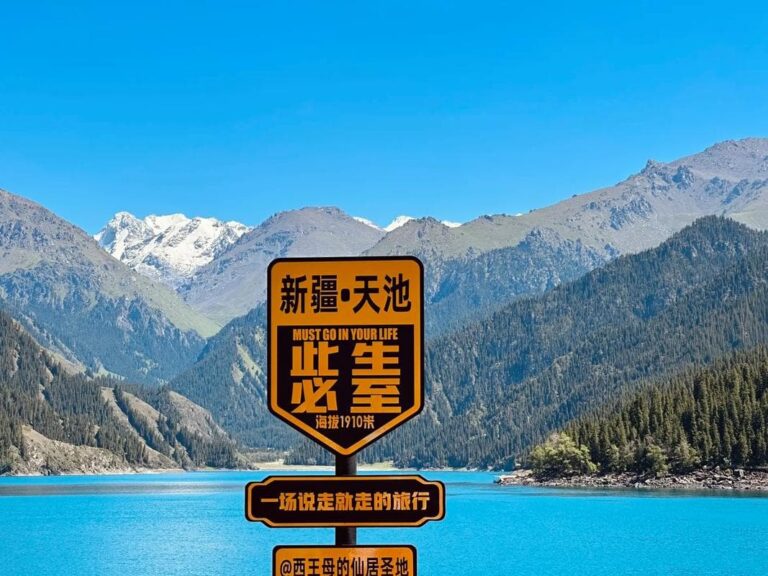
Near Urumqi, Heavenly Lake needs only a standard ticket, a good contrast for testing the system before you tackle controlled zones. Near Kashgar, pair your Pamir permit trip with the Karakul Lake day run, which sits inside the same restricted corridor and makes the paperwork doubly worthwhile. In Altay, combine the Kanas permit with a Baihaba village visit in one application to avoid duplicate trips to the office and the duplicate fees that come with them.
Use gateway towns as permit hubs and stack approvals when possible; a single morning of paperwork can unlock a week of remote driving if you think one step ahead of the map. The travelers who plan permits like reservations, not afterthoughts, are the ones standing at the far lakes while others queue in confusion, and the few hours of admin buy them days of freedom in return.
Keep these, skip that
Internal permits sound intimidating but are mostly routine with the right prep. Know which sites need them, start early, and use local help when unsure. The reward is access to Xinjiang’s most remote and beautiful corners, legally and stress-free. The paperwork is a small price for standing at a border village or a restricted lake that most visitors never reach, and the memory outlasts the form, the fee, and the minor inconvenience of the morning spent in an office.
Plan the paperwork with the same care you give the itinerary and the hardest part of the trip becomes a formality, leaving you free to focus on the landscapes that justified the long journey in the first place, and on the quiet satisfaction of having done it properly.