Koktokay (Keketuohai): Xinjiang’s Hidden Gem in the Altai Mountains
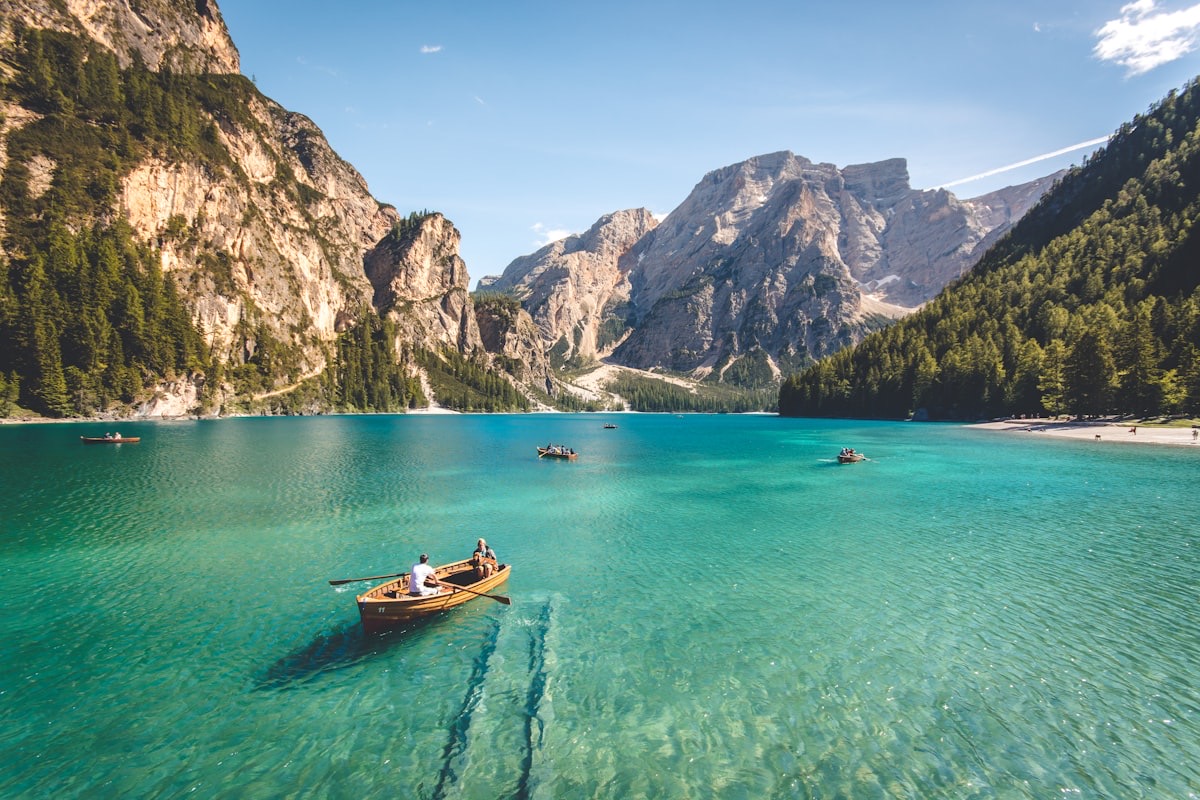
Tucked away in the remote Altai Mountains of northern Xinjiang, near the border with Mongolia and Kazakhstan, lies one of China’s most spectacular — and least visited — national parks: Koktokay (可可托海, also spelled Keketuohai). A UNESCO Global Geopark, Koktokay is a landscape of dramatic granite peaks, crystal-clear mountain rivers, deep canyons, and birch forests that turn brilliant gold in autumn.
Last updated: July 15, 2026 · Written by Karl Huang, a Xinjiang travel specialist who has spent time across the region. Practical details are cross-checked against official tourism, transport, and border-regulation sources.
Despite its extraordinary beauty, Koktokay remains off the radar for most international travelers. Those who make the journey are rewarded with some of the most dramatic mountain scenery in Xinjiang — without the crowds that characterize Kanas Lake. If you are looking for raw, unspoiled mountain landscapes, Koktokay should be at the top of your list.
This guide covers everything you need to plan a visit to Koktokay: how to get there, what to see, when to visit, and where to stay.
What Is Koktokay?
Koktokay National Park covers an area of 788 square kilometers in Fuyun County, Altai Prefecture. The name “Koktokay” means “blue river valley” in the local Kazakh language — a reference to the Irtysh River (额尔齐斯河), which flows through the park (one of the few rivers in China that flows into the Arctic Ocean).
The park is famous for:
- Granite peak formations — most famously “Shenzhong Mountain” (神钟山, Bell Mountain), a 365-meter granite monolith
- The Irtysh River canyon — a deep, winding canyon with emerald-green water
- Autumn birch forests — in September-October, the valleys turn brilliant gold
- Rare minerals — the area is rich in gemstones (it was once a major source of colored gems in China)
Quick Facts
- Location: Fuyun County, Altai Prefecture (530km from Urumqi)
- Elevation: 1,200-2,400 meters
- Entrance fee: ¥126 (includes shuttle); Oct-Apr: ¥63
- Best time to visit: June-October (autumn is spectacular)
- Time needed: 1-2 days
How to Get to Koktokay
Koktokay is remote. The nearest city is Urumqi (530km away), and the nearest airport is Altay City (200km). Here is how to get there:
Option 1: Train + Bus (Budget)
Take an overnight train from Urumqi to Fuyun (¥150-250 for a sleeper). From Fuyun town, take a local bus or taxi to the park entrance (40km, ¥80 by taxi).
Option 2: Rental Car (Most Flexible)
The drive from Urumqi takes about 7-8 hours on the G216 highway. The road passes through stunning mountain scenery. This is the best option if you want to stop for photos along the way.
Option 3: Tour
Some Urumqi travel agencies offer 3-day tours to Koktokay and the surrounding Altai region. These typically include transport, accommodation, and a guide.
What to See in Koktokay
1. Shenzhong Mountain (Bell Mountain)
The park’s most iconic landmark — a massive granite peak that rises 365 meters straight up from the Irtysh River. There is a hiking trail to the base of the mountain (1-2 hours round trip). The view of the mountain reflected in the river is spectacular.
2. Irtysh River Canyon
A deep canyon carved by the Irtysh River. A walking trail follows the river for about 8km. The water is an incredible emerald green, and the granite cliffs tower above you. This is the most scenic walk in the park.
3. Keketuohai Geopark Museum
A small museum at the entrance that explains the park’s geology, flora and fauna, and mining history. Worth a quick visit to understand what you are looking at.
4. Hot Springs
There are natural hot springs near the park (separate entrance fee). After a day of hiking, soaking in the warm mineral water while surrounded by mountain scenery is pure bliss.
When to Visit Koktokay
Summer (June-August)
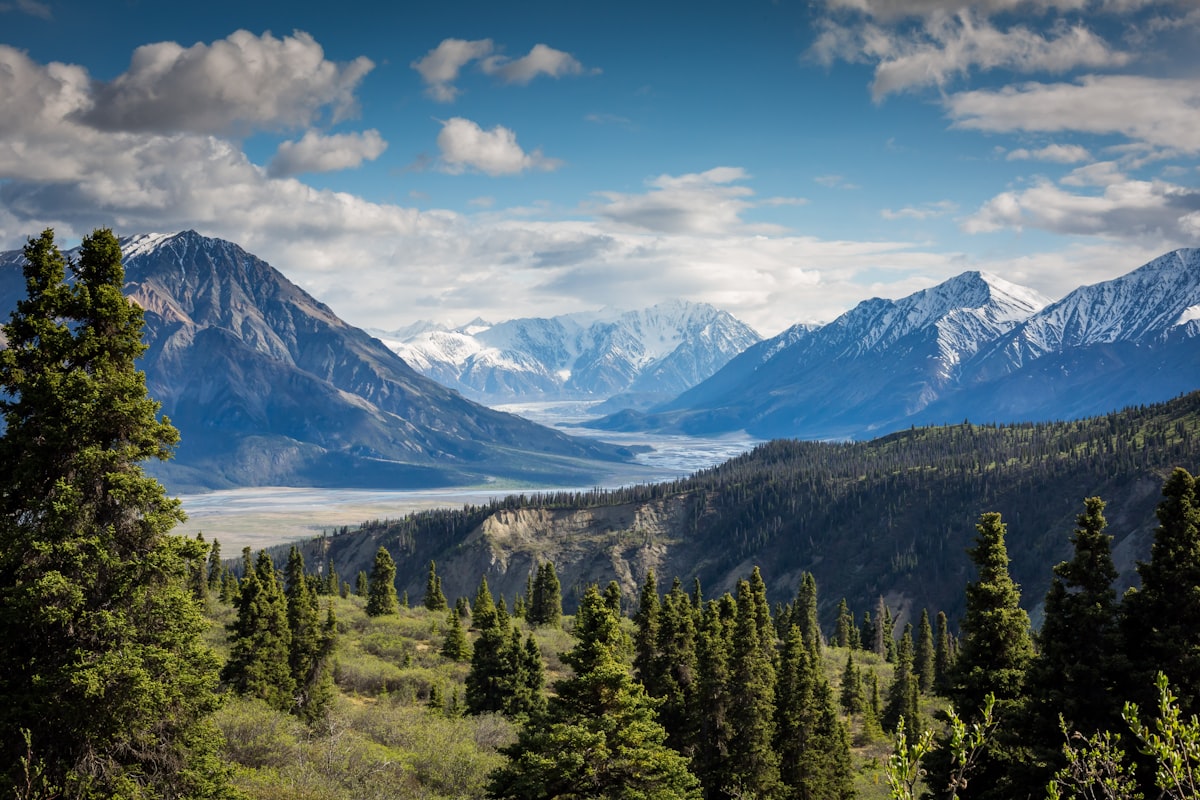
The valleys are lush and green, wildflowers are in bloom, and the weather is pleasant (15-25°C). This is the best time for hiking. Crowds are moderate.
Autumn (September-October) — Best Time
This is when Koktokay is at its most spectacular. The birch forests turn brilliant gold, the sky is an intense blue, and the granite peaks provide a dramatic backdrop. late September to early October is the sweet spot — the colors are at their peak, and the crowds have thinned.
Winter (November-March)
The park is often closed or partially closed due to snow. If you do visit, it is a winter wonderland — but only for the well-prepared.
Spring (April-May)
The snow melts, rivers swell, and wildflowers begin to appear. The weather can be unpredictable. A peaceful time to visit.
Where to Stay Near Koktokay
- Inside the park: There is basic guesthouse accommodation near the entrance (¥150-300/night). Book in advance during peak season.
- Fuyun County (40km): More options, from budget guesthouses to mid-range hotels (¥200-500/night).
- Altay City (200km): If you are doing a broader Altai trip, base yourself in Altay and visit Koktokay as a day trip.
What locals know
- Altitude: Most of the park is between 1,200-2,400m. Altitude sickness is rare but possible. Take it easy on the first day.
- Weather: Mountain weather changes fast. Bring layers, a rain jacket, and sturdy hiking shoes.
- Cash: There are limited ATMs in Fuyun. Bring enough cash for your stay.
- Food: Basic Chinese and Xinjiang dishes are available at the park entrance. Prices are higher than in the cities.
What to Combine with Koktokay
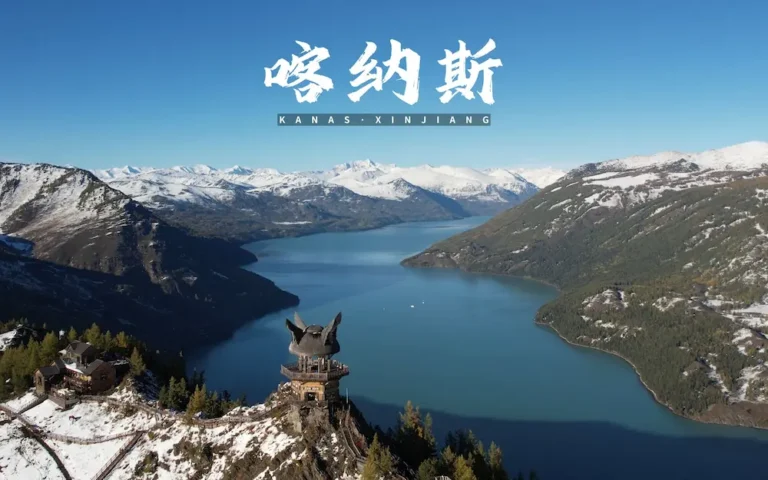
- Kanas Lake (300km) — The most famous destination in the Altai region
- Hemu Village (250km) — The fairy-tale wooden village
- Altay City — A charming city with a strong Kazakh cultural presence
What is worth carrying home
Koktokay is the Xinjiang that most travelers never see — raw, dramatic, and profoundly beautiful. It does not have the fame of Kanas or the accessibility of Heavenly Lake, and that is precisely its charm. If you have the time to venture off the beaten path, Koktokay will reward you with some of the most spectacular mountain scenery in all of China.
Just make sure you time your visit for autumn. The sight of those golden birch forests against the dark granite peaks, reflected in the emerald waters of the Irtysh River, is something you will remember for the rest of your life.