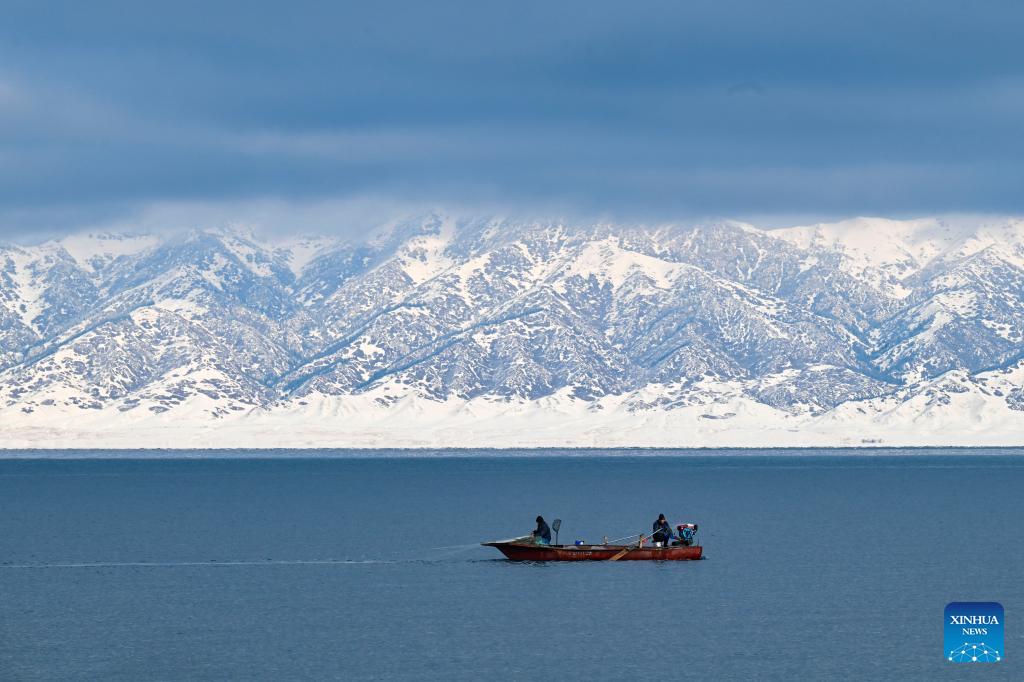
Winter in Xinjiang: Is it Worth Visiting? (Spoiler: Yes!)
Why Visit Xinjiang in Winter? (Spoiler: Yes!)
Last updated: July 15, 2026 · Written by Karl Huang, a Xinjiang travel specialist who has spent time across the region. Practical details are cross-checked against official tourism, transport, and border-regulation sources.
Most travelers think Xinjiang is only worth visiting in summer. They’re completely wrong. Winter in Xinjiang is magical—imagine ice fishing festivals dating back thousands of years, world-class powder skiing at the scientifically-recognized birthplace of human skiing, frozen lakes with spectacular ice bubble formations, and snow-covered landscapes without the oppressive summer crowds. If you’ve been wondering whether Xinjiang is worth visiting in winter, here’s your definitive answer: absolutely yes, and here’s why it might actually be the best time to go.
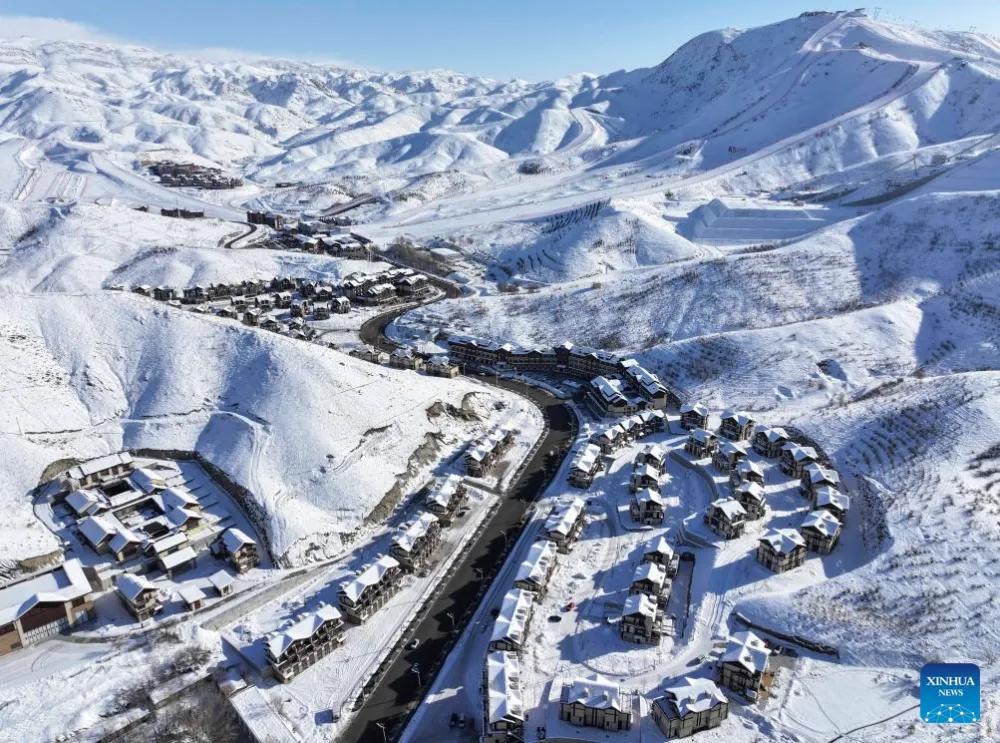
The Magic of Xinjiang’s Winter: A Hidden Wonderland
Winter in Xinjiang transforms this vast region into an entirely different world. From November through March, temperatures across northern Xinjiang regularly drop to -20°C or even -30°C, but that extreme cold is exactly when the magic happens. The Xinjiang travel experts who know the region best will tell you that winter offers experiences you simply cannot get during the peak summer season—authentic cultural encounters, pristine snowy landscapes, and festivals that have been celebrated for generations.
Heavy snow begins falling in November, gradually transforming the famous Silk Road landscapes into a pristine white wonderland. The province hosts some of China’s most spectacular—and least known—winter festivals, including the famous Fuhai Winter Fishing Festival at Ulungur Lake. This isn’t just tourism—it’s a living tradition practiced by local fishing communities for thousands of years, recently recognized as an Intangible Cultural Heritage of Xinjiang. Winter is when Xinjiang’s authentic cultural traditions truly come alive, unobscured by tourist crowds and commercial performances.
Fuhai Winter Fishing Festival: An Ice Fishing Spectacle Like No Other
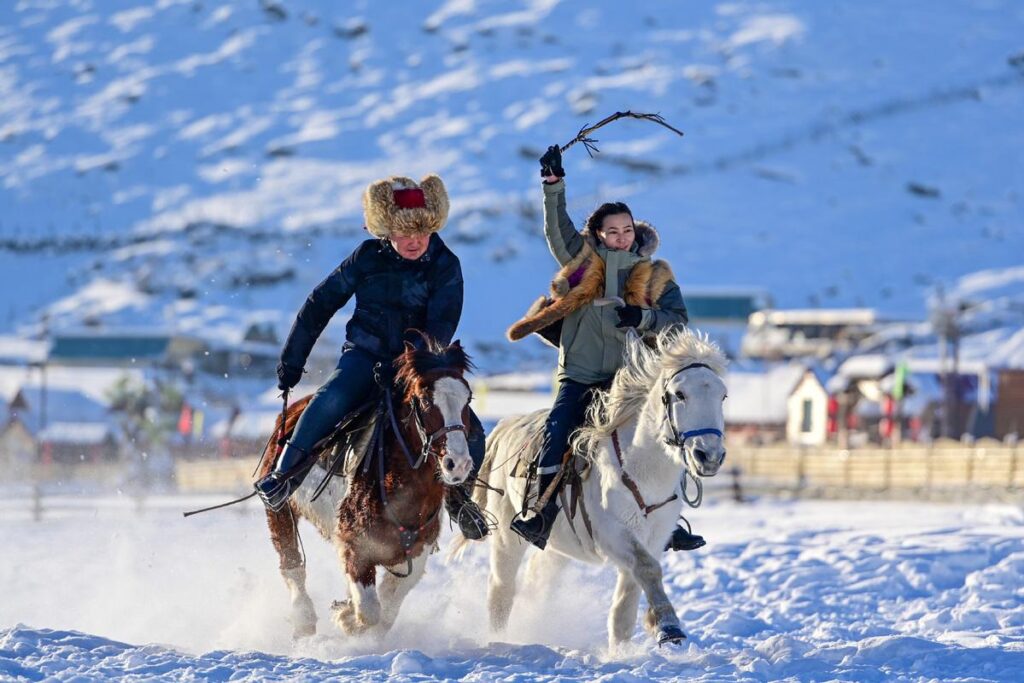
The ultimate Xinjiang winter experience is undoubtedly the Fuhai Winter Fishing Festival (乌伦古湖冬捕文化旅游节). Held every January at Ulungur Lake in Fuhai County, Altay Prefecture, this extraordinary event attracts nearly 100,000 visitors on opening day alone. What makes it truly special is that it’s not staged for tourists—it’s a genuine fishing tradition that local communities have practiced for thousands of years, passed down from generation to generation.
The Sacred “Awakening the Nets” Ceremony
The festival’s emotional and spiritual centerpiece is the “Jinghu Xingwang” (敬湖醒网) ceremony—the “Awakening the Nets” ritual. At dawn, dozens of fishermen dressed in traditional sheepskin coats gather in solemn formation on the frozen lake surface. They light a sacred fire on the ice, pour liquor as an offering to the lake spirit, and chant ancient fishing songs that have been passed down through generations. The atmosphere is profoundly moving, connecting you to thousands of years of fishing tradition and spiritual connection to nature.
Then comes the thrilling practical moment: using ice drills, the fishermen bore through more than one meter of solid ice. They carefully lower hundreds of meters of fishing nets through the ice holes into the dark waters below. After several hours of patient waiting, the moment of truth arrives—the nets are slowly hauled up through the ice, and thousands of fish come leaping and thrashing onto the frozen surface in a spectacular display of abundance. It’s raw, authentic, and absolutely unforgettable.
In 2026, the 19th Winter Fishing Festival set a remarkable new record: 97,755 visitors on the first day alone, generating over 37 million yuan in comprehensive tourism revenue. The festival has rightfully earned its place as one of China’s two most famous ice fishing events, standing alongside Jilin’s renowned Chagan Lake winter fishing tradition.
What to Expect at the Festival: A Complete Cultural Experience
- Ice Fishing Demonstration: Watch master fishermen pull massive pike (狗鱼, literally “dog fish”) and perch (五道黑, “five-black stripes”) from beneath the thick ice. These cold-water fish are prized for their firm, flavorful flesh and are dramatically different from fish you’d catch in summer
- Fresh Cold-Water Fish Tasting: Buy fresh fish directly from the ice seconds after they’re caught, and have them grilled on the spot over open fires. The taste of truly fresh fish in the crisp winter air is an experience you’ll never forget
- Ice Sports Extravaganza: Participate in or watch ice dragon boat racing (yes, on ice!), snow football matches, and exhilarating horse-drawn sled rides across the frozen lake surface
- Cultural Performances Under the Stars: Enjoy vibrant Kazakh and Mongol dances, witness the breathtaking “iron flower” fireworks where molten iron is flung into the air creating spectacular sparkling displays
- Bonfire Party on Ice: As night falls, massive bonfires are lit directly on the frozen lake surface. Dance with locals and fellow travelers while fireworks explode overhead, reflecting brilliantly off the ice
Find more detailed Xinjiang winter travel tips to make the most of your winter festival experience.
Altay: The Birthplace of Human Skiing—12,000 Years of History
Here’s a fact that will completely blow your mind: Altay is scientifically recognized as the birthplace of human skiing. Ancient rock paintings discovered in the Hondorbrak (墩德布拉克) area depict skiers hunting on wooden planks—and these paintings have been scientifically dated to approximately 12,000 years ago. That remarkable discovery makes Altay the earliest known skiing site on planet Earth, predating Scandinavian and Russian claims by thousands of years. The International Skiing History Association officially recognizes this fact, and Altay now hosts an annual “World’s Earliest Skiing Commemoration” event every January.
Today, Altay has brilliantly transformed this ancient heritage into some of the world’s most exciting skiing destinations. The region now boasts three major internationally-caliber ski resorts that are rapidly gaining international recognition:
- Jiangjun Mountain (将军山) International Ski Resort: Remarkably situated right within Altay city itself, making it China’s most accessible urban ski resort. It offers excellent night skiing with the city lights twinkling below—a magical experience that’s extremely rare globally. The resort has more than 50 ski runs suitable for all levels
- Hemu Jikepulin (禾木吉克普林) International Ski Resort: Currently Asia’s largest ski resort by total terrain area, featuring world-class powder snow that rivals—and many enthusiasts argue exceeds—the famous powder of Japan’s Hokkaido or the European Alps. The tree-skiing through birch forests is particularly spectacular and unique
- Koktokay (可可托海) International Ski Resort: Boasts one of the world’s longest ski seasons, typically running from early October all the way through late May. The resort features challenging slopes, breathtaking mountain scenery, and significantly fewer crowds than equivalent resorts in Europe or North America
Winter sports enthusiasts should definitely check the comprehensive Xinjiang adventure travel guide before planning their ski trip to ensure they don’t miss any lesser-known stops.
Heavenly Lake in Winter: Frozen Beauty Beyond Imagination
Heavenly Lake (天池, Tienchi) is undoubtedly stunning in summer, but in winter it becomes positively otherworldly. The alpine lake completely freezes into a vast, mirror-smooth ice sheet, dramatically surrounded by towering snow-capped peaks and frozen waterfalls. The annual “Ice-Sealed Snow Lake” Festival (冰封雪湖) typically launches in January, featuring an exciting program of winter activities that transform the lake into a natural amusement park:
- Ice Skating and Ice Cycling: The frozen lake surface becomes a natural ice rink stretching for kilometers. Skate rentals are available, or try the uniquely Chinese activity of “ice cycling” on specially designed bicycles with metal blades instead of wheels
- Snow Volleyball Tournaments: Watch or join energetic volleyball matches played in knee-deep snow on the lake shores—it’s hilariously difficult and harder than it looks!
- The Famous “Big Pot Mutton Festival” (大锅羊肉节): Perhaps the most enjoyable event—massive communal meals featuring whole mutton stewed in giant iron pots over open fires. The steam rising from the pots against the snowy backdrop is quintessential Xinjiang winter
- Hot Spring Experiences: Several natural hot springs near Heavenly Lake remain open in winter. Soaking in steaming mineral water while snow falls gently around you is pure bliss and an experience unique to Xinjiang
Sayram Lake: The Ice Bubble Wonder of Xinjiang
In winter, Sayram Lake (赛里木湖)—often called “the last tear of the Atlantic Ocean”—offers one of nature’s most spectacular and photogenic phenomena: ice bubbles. As the lake gradually freezes from the shores inward, methane gas produced by decomposing organic matter at the lake bottom gets trapped in successive layers of ice, creating stunning bubble patterns and ice tunnels visible through the crystal-clear ice surface. On sunny winter days, these bubbles glow with an ethereal blue light that photographers describe as “magical.”
It’s a landscape photographer’s absolute dream, but capturing the perfect shot requires patience and timing—the best photographs are typically taken in early morning or late afternoon when the low-angled sunlight hits the ice at exactly the right angle to illuminate the bubble chambers. Many professional photographers consider Sayram Lake’s ice bubbles to be even more spectacular than the famous ice bubbles of Alberta’s Abraham Lake in Canada.
Is Winter Xinjiang Worth It? The Definitive Verdict
Absolutely, without any hesitation whatsoever. Here’s a comprehensive summary of why winter might actually be the best time to visit Xinjiang:
- Profoundly unique experiences: Winter fishing festivals dating back thousands of years, spectacular ice bubble lakes, the recognized birthplace of human skiing—these are genuinely once-in-a-lifetime experiences that simply don’t exist in most other destinations
- Dramatically fewer crowds: You’ll frequently have world-famous sites like Heavenly Lake, Sayram Lake, and even parts of the Kashgar Old City almost entirely to yourself. No jostling with tour groups, no waiting in lines for photographs
- Significantly lower costs: Hotels, flights, and tour packages are substantially cheaper during winter months (except during the Chinese New Year holiday period and festival weekends)
- Profoundly authentic cultural experiences: Winter is when local communities truly live their traditions—it’s not performed or staged for tourists. You’re witnessing genuine winter life in Xinjiang, from ice fishing to snow preparation
- World-class skiing without the world-class prices: Altay’s powder snow quality is genuinely world-class, yet lift tickets and accommodation cost a fraction of what you’d pay in Europe, Japan, or North America
- Spectacular winter photography opportunities: From ice bubbles to frozen waterfalls to snow-covered mosques and traditional architecture, winter Xinjiang is a landscape photographer’s paradise
For more detailed inspiration and practical planning advice, explore our comprehensive Xinjiang travel guide and start planning your unforgettable winter adventure today.
Final Thoughts: A Winter Journey Like No Other
Winter in Xinjiang isn’t just a consolation prize for not being able to make it in summer. It’s a completely different world—quieter, more mystical, deeply peaceful, and profoundly connected to ancient traditions that have survived for thousands of years. Whether you’re watching massive fish leap from ice holes at the Fuhai Winter Fishing Festival, carving through pristine powder at Altay’s world-class ski resorts, warming your frozen hands around a bowl of salty milk tea in a Kazakh yurt, or photographing the ethereal ice bubbles of Sayram Lake at sunrise, winter in Xinjiang will fundamentally change how you think about this remarkable region.
Yes, you’ll need to pack your warmest coat, invest in quality cold-weather gear, and embrace the challenges of extreme winter travel. But the rewards—in terms of natural beauty, cultural authenticity, and sheer uniqueness of experience—are immeasurable. Pack your warmest coat, bring your sense of adventure and your camera, and discover why those in the know consistently say that winter is actually the absolute best time to visit Xinjiang.
- When is the best time to visit?
The best time to visit Xinjiang is from May to October, with July and August being the peak season.
- Do I need a permit to visit this area?
Most tourist areas in Xinjiang do not require special permits. Check specific destination requirements before traveling.
- How do I get to this destination?
You can reach most destinations by flight to major cities like Urumqi, then by car, bus, or train.
- What should I pack for my trip?
Pack layers for temperature changes, sun protection, comfortable shoes, and any personal medications.