The Kizil Caves: Xinjiang’s Ancient Buddhist Art Treasury
Why the Kizil Caves Matter
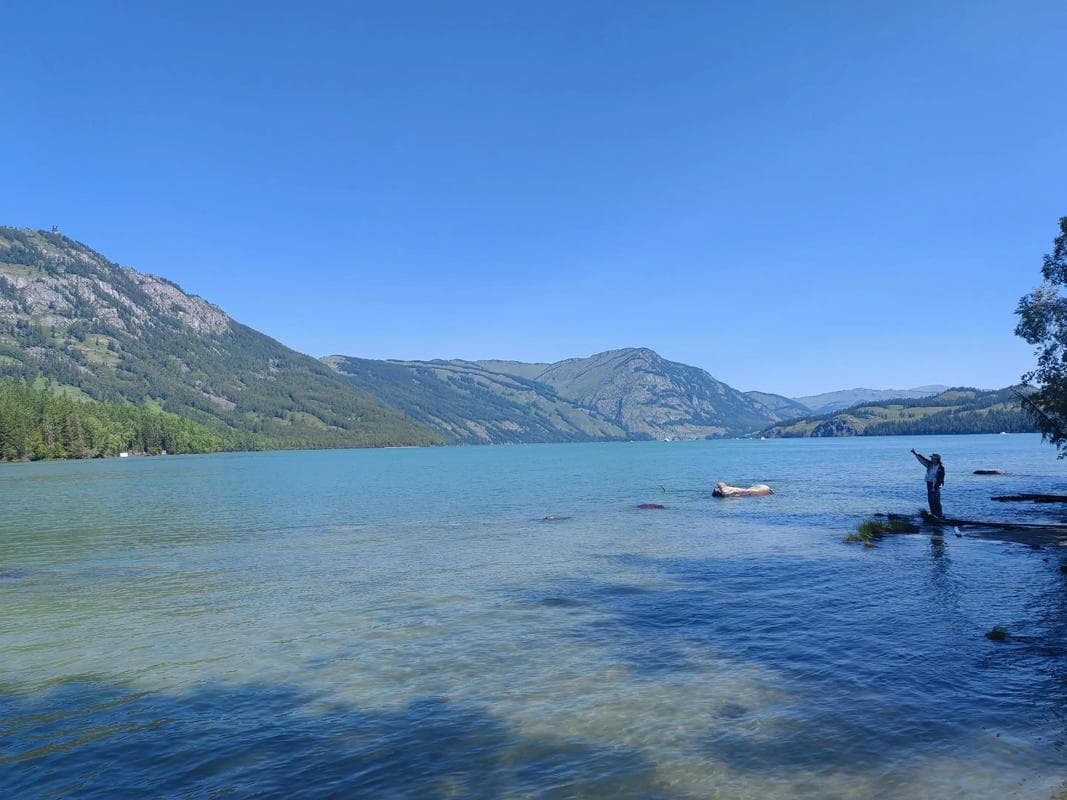
Most foreign travelers who make it to Xinjiang head straight for Kashgar’s Old City or the alpine mirror of Kanas Lake. Both are spectacular, but neither prepares you for the Kizil Caves (克孜尔千佛洞)—a haunting, humid, 1,700-year-old Buddhist rock-cut monastery complex carved into the cliff face of the Kucha River canyon that fundamentally rewrites what you think you know about the Silk Road’s cultural geography.
Last updated: July 15, 2026 · Written by Karl Huang, a Xinjiang travel specialist who has spent time across the region. Practical details are cross-checked against official tourism, transport, and border-regulation sources.
These aren’t just “caves with paintings.” They are the earliest major Buddhist cave art in China, predating the Mogao Caves at Dunhuang by 300 years. The paintings here—faded crimsons, lapis lazulis, and golds—tell the story of a time when Xinjiang was the center of the Buddhist world, when monks from Gandhara (modern Afghanistan/Pakistan) and India traveled north to translate sutras into the Tokharian languages that were spoken in the Kucha kingdom.
If you’re planning a southern Xinjiang cultural loop, read our South Xinjiang Cultural Tour guide to integrate Kizil into a broader Kucha-region itinerary.
The History: A 1,700-Year Timeline
The Kizil Caves were excavated between the 3rd and 8th centuries CE, during the peak of the Kucha Kingdom’s power. Kucha (modern Kuqa/库车) was one of the most important oasis city-states on the northern Silk Road—a place where Tocharian, Sogdian, Chinese, and Indian cultures converged.
Key historical milestones:
- 3rd–4th centuries: First caves excavated. The earliest paintings show strong Gandharan (Greco-Indian) influence—Buddha figures with Mediterranean facial features, draped in Toga-like robes.
- 5th–6th centuries: Peak period. The Kucha Kingdom is a major Buddhist center. Xuanzang (the famous Tang dynasty monk) passes through in 630 CE and records that Kucha has over 100 monasteries and 5,000 monks.
- 7th–8th centuries: Decline begins. The Tang dynasty expands into Xinjiang, then the Tibetan Empire briefly controls the region. The caves are abandoned as Buddhism loses ground to Islam (which arrives in Xinjiang in the 10th–11th centuries).
- 20th century: “Rediscovery” by European explorers. Aurel Stein (Britain, 1906), Albert von Le Coq (Germany, 1905–1907), and Paul Pelliot (France, 1907) all remove wall paintings and sculptures from Kizil. Many are now in Berlin, Paris, and London. What you see today is what they left behind—still extraordinary, but incomplete.
- 1985: Designated a National Key Cultural Heritage Site by China.
- 2014: Added to the UNESCO World Heritage List as part of the “Silk Roads: the Routes Network of Chang’an-Tianshan Corridor.”
What You’ll See: Cave by Cave
Of the 236 original caves, only 6 are open to visitors. This is standard for cave heritage sites in China (Mogao at Dunhuang also only opens a rotating selection). The 6 open caves change periodically for preservation reasons, but the following are representative of what you’re likely to see.
Cave 17 (Diamond Sutra Cave): The most famous. The rear wall depicts the Diamond Sutra narrative in a series of panels—a rare narrative painting style that shows direct influence from Gandharan stone reliefs. The ceiling has 500+ small Buddha figures in medallions, each with a slightly different posture.
Cave 38 (Main Shrine Cave): A classic central-pillar cave (center-pier cave). You walk around the central pillar (which represents the stupa) in a clockwise direction, viewing Buddha statues and paintings as you circumambulate. The wall paintings here show the “Six-Armed Mahakala” (a protector deity) and scenes of the “Hell” (karmic punishment scenes that are surprisingly graphic).
Cave 47 (Elephant Cave): Named for the large white elephant painted on the ceiling. This cave has some of the best-preserved “flying apsara” (feitian) figures—celestial maidens playing musical instruments while floating through clouds. The blue pigment here is lapis lazuli, imported from Badakhshan (modern Afghanistan) at enormous cost along the Silk Road.
Cave 63 (Story Cave): The paintings here depict Jataka tales—stories of the Buddha’s previous lives, when he was a bodhisattva (a being who delays nirvana to help others). One panel shows the “Pony Sacrifice” (the Buddha-to-be as a prince who gives away his prized horse). Another shows the “Deer King” (the Buddha-to-be as a golden deer who offers himself to save a man from drowning).
Cave 67 (Main Shrine Cave #2): Similar to Cave 38 but with better-preserved ceiling paintings. The four corners of the ceiling show the “Four Great Kings” (protectors of the four directions), each riding a different animal (elephant, horse, bull, bird).
Cave 77 (New Cave): Opened more recently. The paintings here are from the later period (7th–8th centuries) and show stronger Chinese influence—the Buddha figures have more Chinese facial features, and the landscape backgrounds include Chinese-style mountains and clouds.
The Art: What Makes Kizil Unique
If you’ve seen Buddhist cave art at Dunhuang (Mogao) or Datong (Yungang), you’ll notice immediately that Kizil is different. Here’s what to look for:
1. The “Kizil Blue”: The dominant pigment is a deep, almost electric blue made from lapis lazuli. This pigment was more expensive than gold in the ancient world—it had to be imported from mines in Badakhshan (modern Afghanistan). The fact that Kizil has so much of it tells you how wealthy the Kucha Kingdom was.
2. Tocharian Donor Figures: Many panels include small figures of donors (the people who paid for the cave to be excavated and painted). These figures have light skin, deep-set eyes, and wear tunics and capes that look Central Asian or Mediterranean. These are the Tocharians—an Indo-European people who spoke the Tocharian languages (now extinct) and ruled the Kucha Kingdom. They don’t look Chinese, Indian, or Turkic—they’re their own thing.
3. Narrative Panels (Not Just Iconic Figures): Unlike later Chinese Buddhist art (which focuses on iconic Buddha figures), Kizil has many narrative panels that tell a story across a sequence of frames. This is a Gandharan (Greco-Indian) artistic convention that came north via the Silk Road. You’re looking at the great-grandparent of Japanese manga and American comics—sequential visual storytelling.
4. The “Prunus Moth” Ceiling Pattern: Many cave ceilings have a distinctive diamond-grid pattern filled with small paintings of birds, flowers, and mythical beasts. The “prunus moth” (a decorative motif) appears repeatedly. Scholars think this represents the “Tree of Life” or the “Cosmic Mountain”—a Central Asian Zoroastrian symbol that was absorbed into Buddhist art.
5. The Central-Pillar Cave Architecture: Kizil’s most distinctive architectural feature is the “central-pillar cave” (中心柱窟). You enter a rectangular antechamber, then walk around a massive central pillar (which you can’t see around until you’re halfway through). This pillar represents the stupa (Buddhist reliquary). The circumambulation path is deliberately narrow and dark—you’re supposed to feel slightly disoriented, then emerge into the light at the back of the cave. It’s a spatial metaphor for enlightenment.
Practical Information
Location: 72 km northwest of Kuqa (库车) city, in Baicheng County (拜城县). The caves are carved into the cliffs on the north bank of the Kucha River (库车河).
Getting there:
- From Kuqa city: Hire a taxi or join a day tour (~¥300–500 for a private car round-trip). The drive takes ~1.5 hours each way on a paved but winding road through the Tian Shan foothills.
- Public bus: Kuqa Passenger Station has buses to Baicheng (¥25, ~2 hours), but they don’t stop at the caves. You’d need to walk ~5 km from the highway. Not recommended unless you’re a budget traveler with time to spare.
- Best combined with: Kucha Old Town (库车老城), the Kucha Royal Palace Museum (库车王府), and the Subashi Ruins (苏巴什佛寺遗址, an open-air Buddhist monastery ruin on the other side of the river from Kizil).
Tickets & hours:
- Entrance: ~¥70/person (includes mandatory shuttle bus from the visitor center to the cave entrance)
- Open: 10:00 AM – 6:00 PM (last entry 5:00 PM)
- Passport required at ticket gate
- Photography: NOT allowed inside the caves (this is strictly enforced). You can take photos of the exterior cliff face and the surrounding canyon.
Best time to visit: May–June and September–October. July–August is very hot in the Kucha region (40°C+). Winter (December–February) is cold but crowd-free.
What to bring:
- Passport (required for ticket)
- Wide-brim hat and SPF 50+ sunscreen (the canyon has no shade)
- Water (at least 1L/person—the walk from the shuttle bus drop-off to the caves is ~500m uphill)
- A small flashlight or phone flashlight (some caves are dimly lit)
- Respectful clothing (no shorts above the knee, no sleeveless shirts—this is an active religious heritage site)
How to Maximize Your Visit
1. Hire the official guide (¥100–200 per group, max 15 people): This is strongly recommended. The cave paintings are complex and the historical context is deep—you’ll get 10x more out of the visit with a guide explaining the narrative panels and artistic details. Guides speak Chinese and sometimes Uyghur; English-speaking guides are rarer (book ahead through your hotel or a travel agency).
2. Visit Subashi Ruins afterward: The Subashi Buddhist Ruins (苏巴什佛寺遗址) are ~30 km from Kizil, on the south bank of the Kucha River. They’re the remains of a massive Buddhist monastery complex (active from the 3rd to 10th centuries) with two pagodas still standing. The site is evocative and almost crowd-free. Xuanzang stayed here for 2+ weeks during his journey.
3. Stay overnight in Kuqa: Kuqa (库车) is worth 1–2 days. The Old Town has a different feel from Kashgar—less commercial, more local. The Kucha Royal Palace Museum (库车王府) explains the history of the Kucha Kingdom with artifacts and dioramas. The Kuche Aksu Grand Bazaar (阿克苏大巴扎) is a working market (not a tourist reconstruction) where you can buy dried fruits, nuts, and Uyghur crafts.
4. Read before you go: The caves are more meaningful if you understand the basic Buddhist iconography and the history of the Silk Road. Our Silk Road heritage guide has a section on Buddhist art that will prepare you.
The Looting Question (What’s Missing)
You’ll notice that some cave walls have rectangular patches where paintings were removed. In the early 20th century, European explorers (Stein, von Le Coq, Pelliot) removed thousands of square feet of wall paintings, sculptures, and manuscripts from Kizil and other Silk Road sites. Many are now in the Museum of Asian Art (Berlin), the Guimet Museum (Paris), and the British Museum (London).
Is this “looting” or “preservation”? The question is complicated and debated. What’s certain is that without these early 20th-century expeditions, many artifacts would have been lost to later conflicts and weather erosion. But the removal was also done without consent from local authorities (who at the time were weak or absent). Today, China and the holding museums are in discussions about loans and digital reproductions, but the originals haven’t been returned.
When you visit Kizil, you’re seeing what was left behind—still spectacular, but with visible gaps. The experience is melancholy but also profound: you’re standing in a place where the ancient world’s great civilizations (Greek, Indian, Chinese, Persian) all touched.
Sample 2-Day Kucha Region Itinerary
If you’re serious about the region’s Buddhist heritage, spend 2 days in Kuqa. Here’s a workable plan:
Day 1:
- Morning: Kizil Caves (3–4 hours, including shuttle bus rides)
- Late morning: Drive to Subashi Ruins (30 min), explore the open-air monastery site (1–2 hours)
- Afternoon: Return to Kuqa city, visit the Kucha Royal Palace Museum (1.5 hours)
- Evening: Dinner at the Kuqa Old Town night market (laghman noodles, samas, pomegranate juice)
Day 2:
- Morning: Kuqa Old Town walk (the Kuche Aksu Bazaar, the Id Kah Mosque of Kuqa—smaller than Kashgar’s but older)
- Afternoon: Drive to Dunhuang (no, just kidding—that’s 2 days away). Instead, visit the Kizilgaha Beacon Tower (克孜尔尕哈烽燧), a Han dynasty watchtower 12 km from Kuqa that’s 2,000 years old and still standing.
- Evening: Overnight train or flight to Kashgar (4–6 hours by train, 1 hour by flight).
The Bottom Line
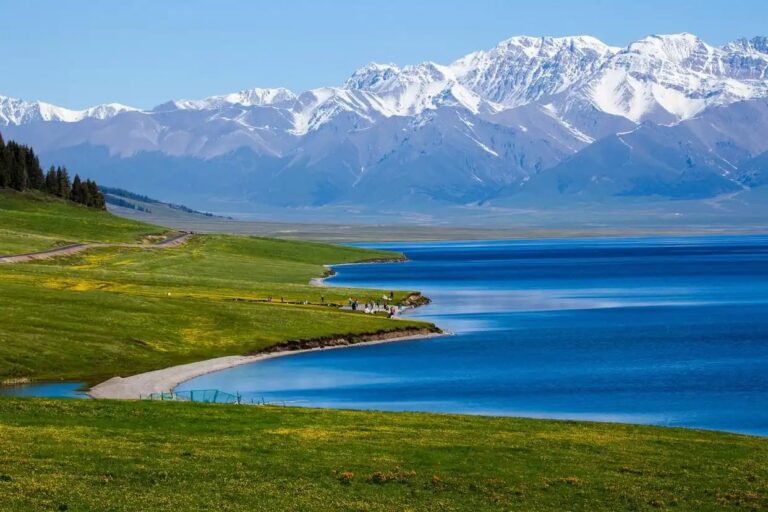
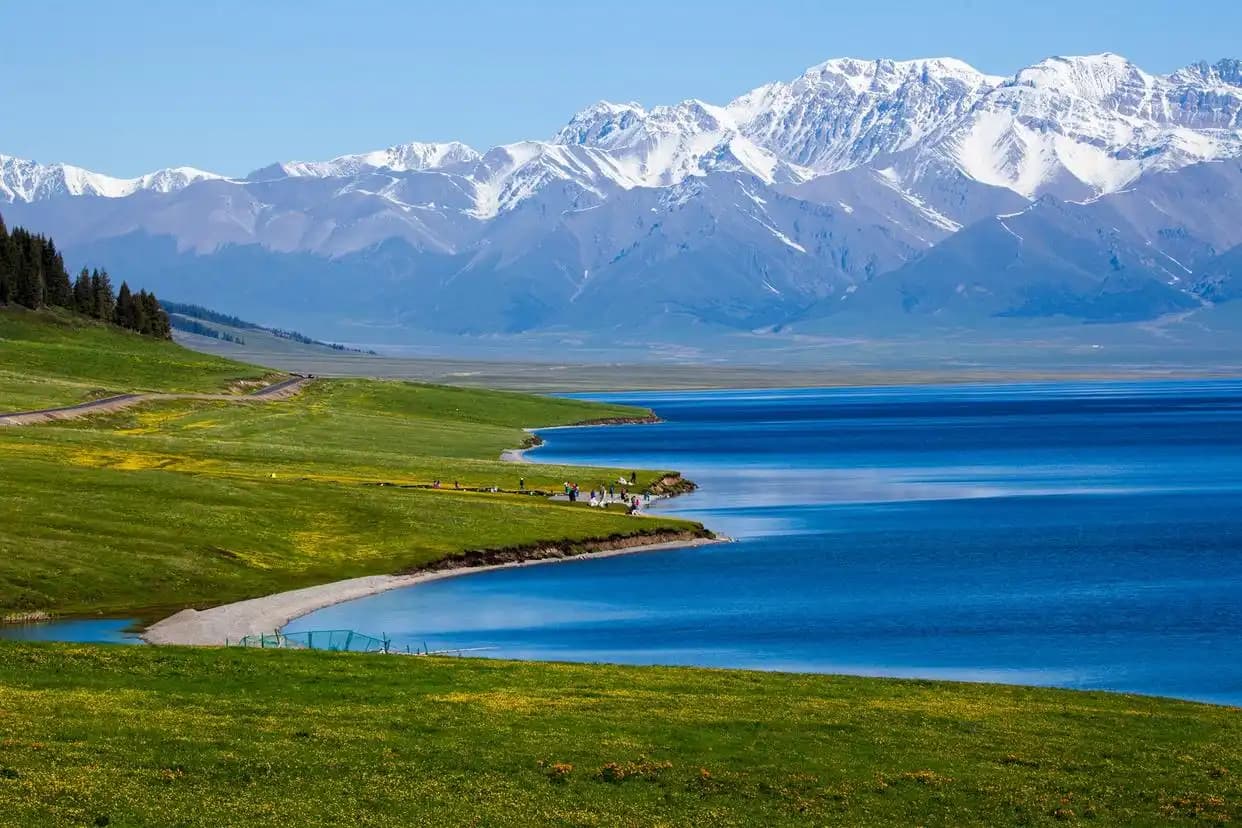
The Kizil Caves aren’t an “instagrammable” destination in the way that Sayram Lake or the Kashgar Old City are. They’re humid, requires a guide to appreciate, and the best paintings were removed a century ago. But if you’re the kind of traveler who cares about what happened 1,700 years ago at the crossroads of civilizations, Kizil will stay with you long after the trip ends.
This is where the Silk Road’s Buddhist soul is most tangible. Come for the lapis lazuli blues, stay for the realization that “China” (as a cultural sphere) once included a Tocharian-speaking Buddhist kingdom whose art looks like nothing else on Earth.
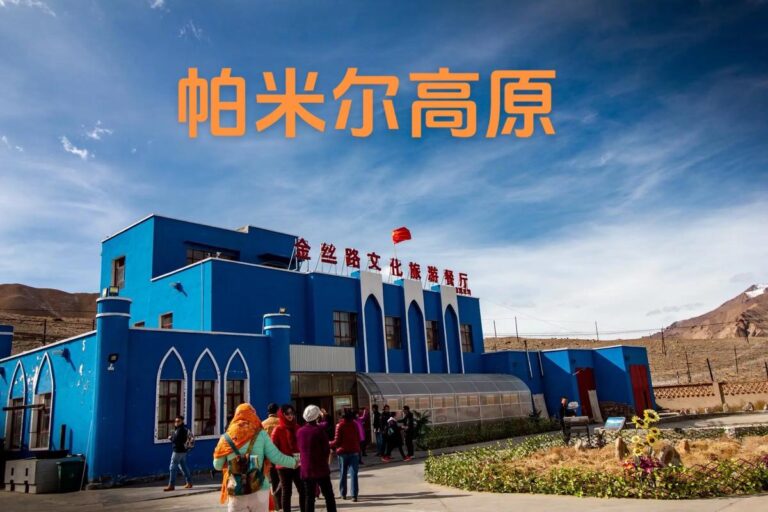
After Kizil, the natural next stop is Karakul Lake and the Pamir Highway—a completly different landscape but part of the same Silk Road story.
Frequently Asked Questions About Xinjiang Travel
What is the best time to visit Sayram Lake?
June through September offers the best weather with temperatures between 15-25°C and wildflowers in full bloom around the lake.
How do I get to Sayram Lake from Urumqi?
Sayram Lake is about 450km from Urumqi. You can drive via the G30 highway (5-6 hours), take a bus from Urumqi West Bus Station (6-7 hours), or hire a private driver for the most flexibility.
Is there an entrance fee for Sayram Lake?
Yes, the entrance fee is approximately 70 RMB per person. Additional fees may apply for the lake island boat tour (about 100 RMB) and the scenic area shuttle bus.
Can I camp near Sayram Lake?
Camping is allowed in designated areas around the lake. The best spots are on the eastern shore where you can wake up to stunning sunrise views over the water.
What should I pack for a trip to Sayram Lake?
Even in summer, temperatures can drop significantly at night. Bring layers, a windproof jacket, sunscreen (UV is strong at high altitude), and comfortable walking shoes.
For more Xinjiang travel guides and detailed information about the region’s most spectacular destinations, explore our comprehensive collection of attraction guides.