How to Get to Xinjiang: Flights, Trains, and Driving Routes
Why Getting to Xinjiang Is Part of the Adventure
Unlike Beijing or Shanghai, Xinjiang doesn’t reveal itself easily. It’s 1.6 million square kilometers of deserts, mountains, and oases straddling eight countries. Knowing how to get here—and what to expect when you arrive—saves you hours of confusion and potentially hundreds of yuan in avoidable detours.
Last updated: July 15, 2026 · Written by Karl Huang, a Xinjiang travel specialist who has spent time across the region. Practical details are cross-checked against official tourism, transport, and border-regulation sources.
This guide covers every realistic way in: international flights (with connections), domestic routes from major Chinese cities, the high-speed rail network that’s transformed access in the last five years, and the epic overland drive for those who want the Silk Road on their own terms.
Before you book, read our Xinjiang Travel FAQ for the practicalities that airlines won’t tell you.
By Air: The Fastest Way In
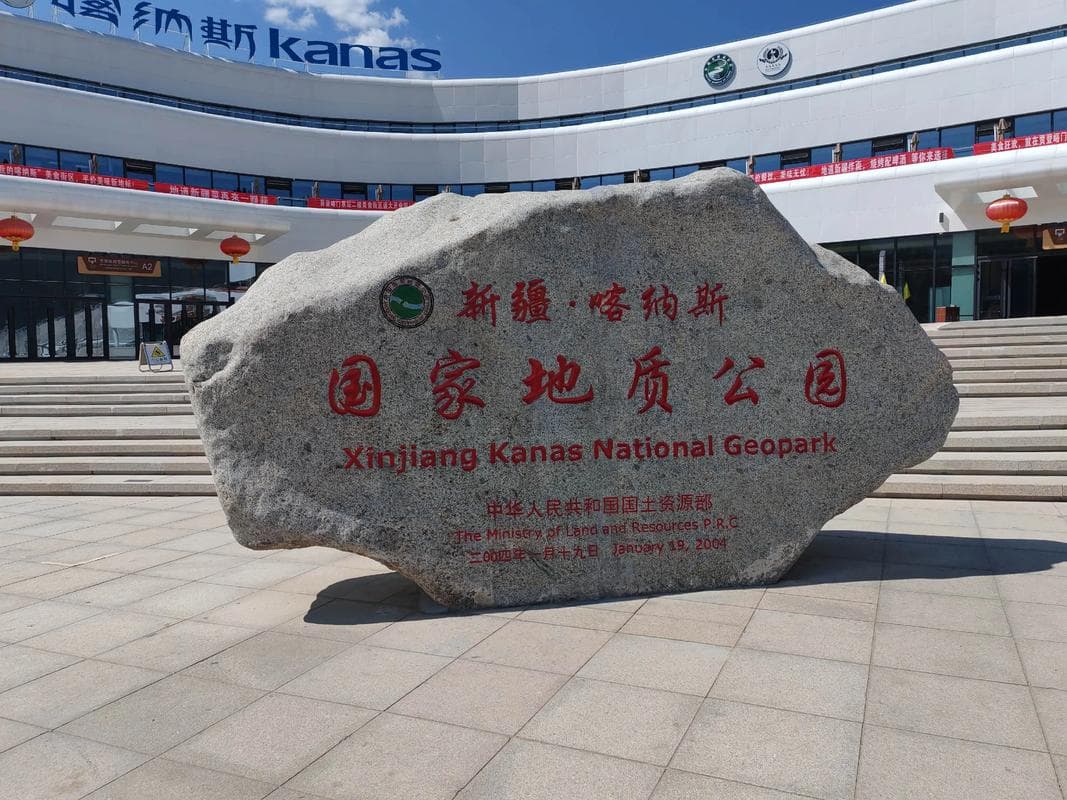
Urumqi Diwopu International Airport (URC) is the main gateway. It’s a modern, well-signposted facility about 25 km from the city center, with a growing roster of international and domestic connections.
International flights (as of 2026):
- Istanbul (IST) → Urumqi: Turkish Airlines, 2–3× weekly, ~7 hours nonstop. This is the most reliable international connection and the one most foreign travelers use.
- Almaty (ALA), Kazakhstan → Urumqi: Air Astana and China Southern, several weekly. Good if you’re overlanding Central Asia.
- Bishkek (FRU), Kyrgyzstan → Urumqi: Limited service, usually via Air Manas or charter. Check current status before planning.
- Tashkent (TAS), Uzbekistan → Urumqi: Seasonal or charter only. Most travelers connect via Almaty or Istanbul instead.
- Moscow (SVO) → Urumqi: China Southern and Aeroflot codeshare, ~5 hours. Operates year-round but check current political/travel advisories.
Domestic flights (the realistic way in for most):
- Beijing (PEK/PKX) → Urumqi: Daily, ~4 hours. Air China, China Southern, Hainan Airlines.
- Shanghai (PVG) → Urumqi: Daily, ~5 hours. China Eastern, Juneyao.
- Guangzhou (CAN) → Urumqi: Daily, ~5.5 hours. China Southern (hub advantage).
- Chengdu (CTU/TFU) → Urumqi: Daily, ~3.5 hours. Sichuan Airlines, Air China. A popular routing if you’re also visiting Sichuan.
- Xian (XIY) → Urumqi: Daily, ~3 hours. China Eastern. A logical add-on if you’re doing the Terracotta Army.
- Kashgar (KHG) → Urumqi: Multiple daily, ~2 hours. This is the key internal hop if you fly into Urumqi and immediately head southwest.
Booking tips: For international flights, use Skyscanner or Google Flights to find the route, then book directly with the airline or via Trip.com (which has an English interface and accepts foreign cards). For domestic flights, Trip.com is the most foreigner-friendly platform; Ctrip is the Chinese version with more inventory but requires a Chinese payment method.
Airport to city: Diwopu Airport has an airport shuttle bus (¥15, ~45 min to Renmin Road) and Didi (¥60–90 to city center). There’s no subway yet. Taxis are metered but agree on the fare beforehand—some drivers quote ¥150 for a ride that should cost ¥80.
By Train: The Scenic, Budget-Friendly Choice
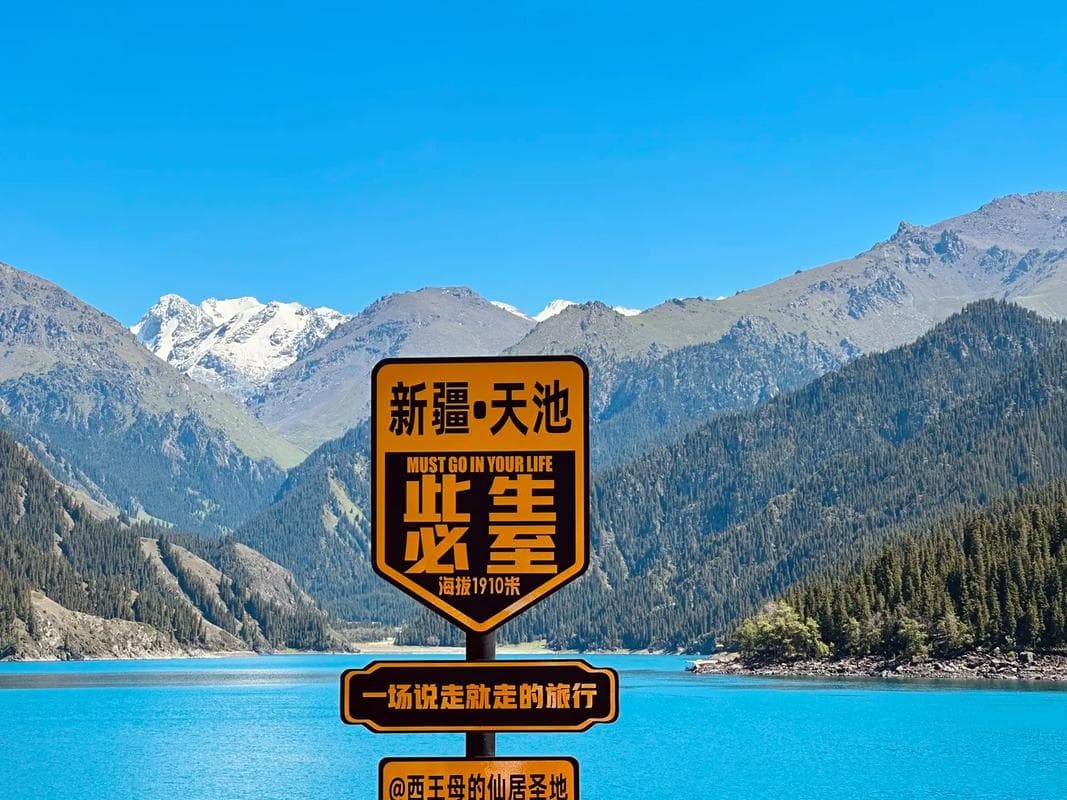
China’s high-speed rail (G-series) network reached Xinjiang in 2014 and has been expanding ever since. Today, you can reach Urumqi by train from most major Chinese cities—though “high-speed” here means 200–250 km/h (not the 350 km/h of eastern China), and journey times are still long.
Key routes:
- Beijing West → Urumqi: G-series, ~14 hours. Departs evening, arrives morning. Sleeper options available (soft sleeper ¥900+, hard sleeper ¥500+).
- Shanghai Hongqiao → Urumqi: G-series (via Nanjing/Xuzhou transfer), ~18 hours total. Usually requires a transfer in Xuzhou or Zhengzhou.
- Xian North → Urumqi: G-series, ~13 hours. A popular routing for the Silk Road thematic trip.
- Lanzhou West → Urumqi: G-series, ~10 hours. Lanzhou is a major transfer hub if you’re coming from Sichuan or Qinghai.
- Kashgar → Urumqi: D-series (regular express), ~14 hours. Overnight sleeper (¥350–600) is the standard way to connect southern and northern Xinjiang by rail.
Within Xinjiang: The high-speed network inside the region is growing fast. As of 2026:
- Urumqi → Turpan: ~1 hour, multiple daily. A no-brainer if you want to see the Karez and Grape Valley without a car.
- Urumqi → Kumul (Hami): ~2.5 hours. Useful if you’re doing an eastern Xinjiang loop.
- Urumqi → Yining (Ili): ~5 hours (regular express, not high-speed yet). The line through the Tian Shan tunnel is spectacular—book a window seat on the right side (southbound).
Booking: Use Trip.com (English, accepts foreign cards) or 12306.cn (Chinese, requires real-name verification and a Chinese bank card). For the 12306 app, you need to register with your passport number and have it verified at a station ticket counter (one-time setup).
Seat classes: For overnight trains, soft sleeper (软卧) is a private 2-berth compartment with a door—worth it for the privacy. Hard sleeper (硬卧) is an open compartment with 3-tier bunks—safe, social, and fine for solo travelers. Avoid hard seat (硬座) for anything over 6 hours—it’s cramped and the car gets smoky (smoking is allowed in the vestibule, not the cabin, but the smell travels).
By Road: The Epic Overland Route
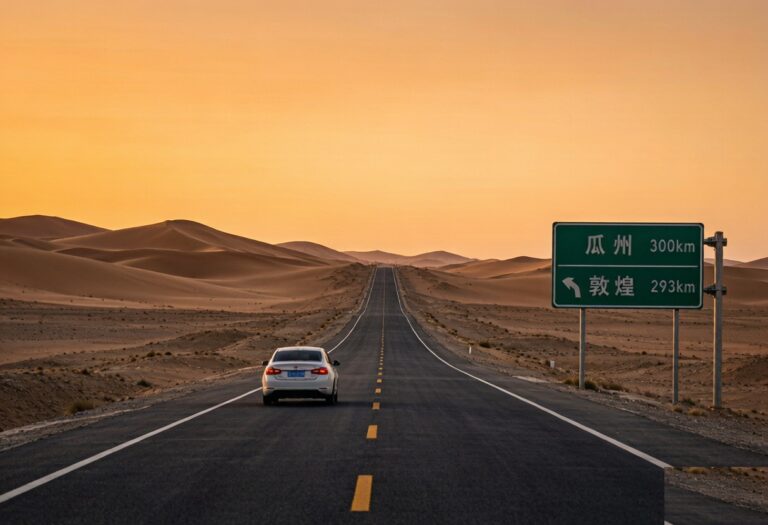
Driving to Xinjiang is a bucket-list adventure for overlanders. The main route is the G30 Lianyungang–Khorgos Expressway (连霍高速), which runs 4,200 km from Jiangsu Province on the east coast to the Khorgos border gate opposite Kazakhstan. It’s part of the larger Asian Highway 5 network.
Why drive? Because the G30 corridor passes through landscapes that no train or flight will show you: the Gobi Desert stretching to the horizon, the Tian Shan mountains through a 22-km tunnel, the ancient trading post of Hami where the melons are the size of bowling balls. If you have 10–14 days and a sense of adventure, this is the way to arrive.
Practicalities:
- Car rental: International chains (Hertz, Avis) operate in major Chinese cities but often prohibit cross-province travel. Your best bet is a local rental with a driver (¥600–1,200/day depending on vehicle and distance). This is what most foreign travelers do—you get the freedom without the stress of Chinese highway signage and toll booths.
- Cross-border driving: Driving in from Kazakhstan via Khorgos is theoretically possible but requires extensive paperwork (Carnet de Passages en Douane, Chinese visa, border permits). As of 2026, it’s not a realistic option for casual travelers. Fly to Almaty and rent a car there instead if you want a Central Asia overland start.
- The G218 and G217: These are the scenic alternates to the G30—passing through the Ili Valley and the northern Tian Shan foothills. Only attempt with a 4WD and a local driver who knows the passes. Some sections are at 3,000+ meters and unpaved.
- Fuel: Gas stations in Xinjiang require real-name registration—you need to show your passport (or your driver’s passport) at the station. This adds 10–15 minutes per stop. Plan accordingly.
- Police checkpoints: There are police checkpoints on all major highways in Xinjiang. Foreign travelers will be asked to show their passport. Stay polite, have your documents ready, and you’ll be waved through. This is normal and not a cause for concern.
Recommended overland itinerary (14 days, Urumqi circular):
- Day 1–2: Arrive Urumqi, acclimatize, pick up vehicle/driver
- Day 3: Drive to Turpan (180 km, 2.5 hours), explore Karez and Grape Valley
- Day 4: Drive to Kumul (480 km, 6 hours), overnight in the melon capital
- Day 5–6: Drive to Yining via the Tian Shan tunnel (700 km, 9 hours), rest day in Ili Valley
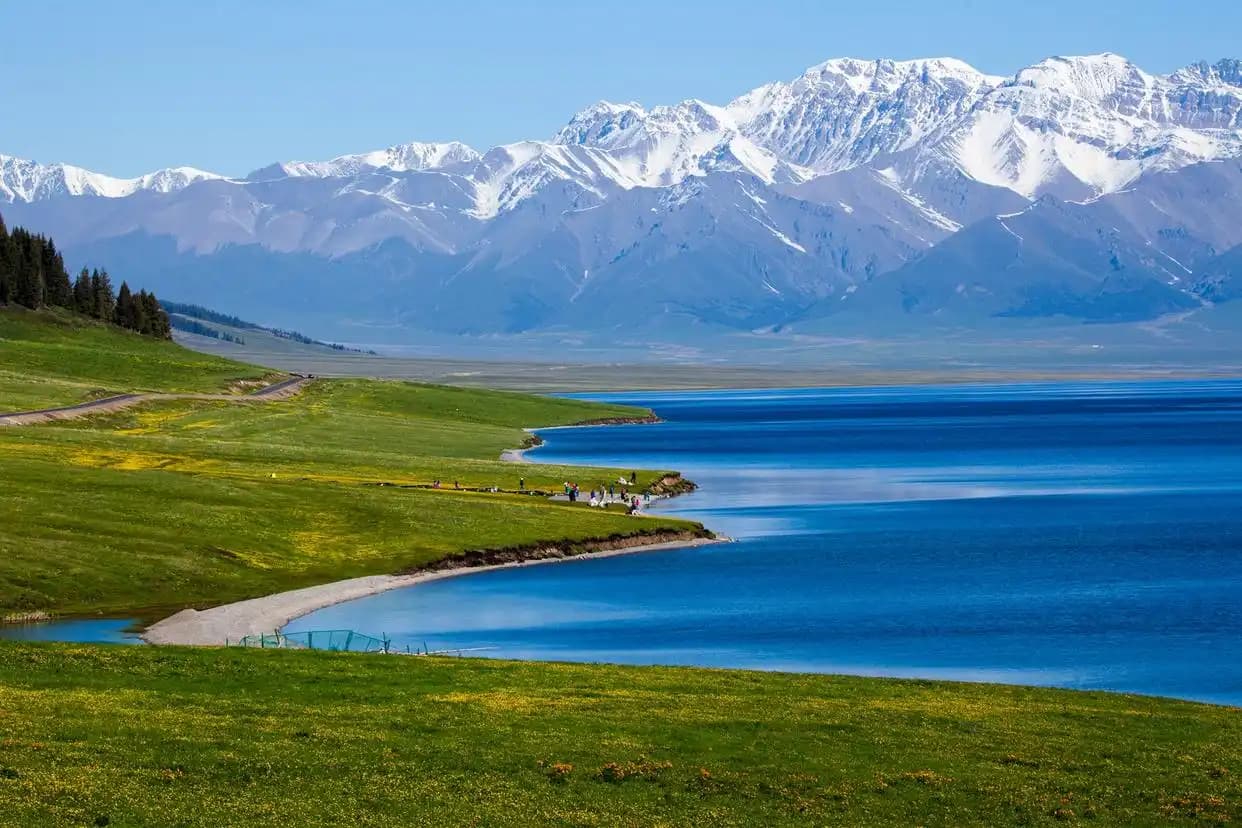
- Day 7–8: Drive to Sayram Lake and Bole (300 km, 4 hours), overnight in a yurt or lakeside guesthouse
- Day 9–10: Drive to Urumqi via the northern route (600 km, 8 hours)
- Day 11–14: Fly or drive to Kashgar, continue the southern loop
Getting Around Within Xinjiang
Once you’re in Xinjiang, the challenge shifts from “how to get here” to “how to get around.” The region is vast—Urumqi to Kashgar is 1,500 km (a 2-hour flight or 18-hour train). Here are your options:
Domestic flights: The backbone of in-Xinjiang travel. Urumqi connects to Kashgar (2h), Yining (1.5h), Aksu (1.5h), and Korum (1h, for Altun Shan access). China Southern has the densest network. Book on Trip.com.
Private charter: The most flexible option for groups of 2–4. A standard sedan with driver costs ¥600–900/day; an SUV (better for mountain roads) is ¥900–1,400/day. Fuel is extra (¥7–8/liter). Agree on the itinerary and daily distance cap before departing to avoid disputes.
Public buses: The budget option. Long-distance buses connect all county seats, but they’re slow (80 km/h avg), make frequent stops, and the signage is Chinese-only. OK for Urumqi→Turpan (¥50, 2.5h) but not for cross-region travel.
Organized tours: If you don’t speak Chinese and want zero logistics stress, join a small-group tour out of Urumqi or Kashgar. Prices range from ¥3,000–8,000 for a 7-day northern or southern loop, depending on hotel standard and group size. Verify that the operator has a foreign-tourist license (they should display it prominently).
For a detailed breakdown of costs, read our Xinjiang Travel Costs guide before you commit to a transport mode.
Best Season to Arrive
Your arrival timing affects both flight/train prices and what you’ll see on the ground:
- May–June: Shoulder season. Flights are cheaper (¥500–800 from Beijing vs. ¥1,200+ in July). Heavenly Lake is thawed but not yet crowded. The Ili Valley is lush. Turpan is hot (35–40°C) but manageable in the morning/evening.
- July–August: Peak season. Everything is expensive and crowded. But the weather is best for alpine areas (Kanas, Hemu, Sayram Lake). If you must travel now, book flights 2–3 months ahead.
- September–October: The sweet spot. Flights moderate, weather crisp, and the autum colors in Kanas and the Ili Valley are world-class. This is when the Silk Road looks like every photograph you’ve ever seen.
- November–April: Off-season. Cheap flights (¥400–600 from major cities), but many guesthouses and attractions close. Heavenly Lake is frozen (spectacular, but cold). Only recommend for experienced winter travelers.
Sample Budget: Getting to and Around Xinjiang (Per Person)
| Item | Cost (CNY) | Notes |
|---|---|---|
| Return flight (Beijing–Urumqi) | ¥2,000–4,000 | Peak vs. should season |
| One-way train (Beijing–Urumqi, soft sleeper) | ¥900–1,200 | Book 30 days ahead |
| Intra-Xinjiang flight (Urumqi–Kashgar) | ¥600–1,200 | Price varies by season |
| Private charter (per day, split by 4 people) | ¥150–350 | Plus fuel |
| High-speed rail (Urumqi–Turpan) | ¥50 | Book on Trip.com |
The Bottom Line
Xinjiang is not a weekend destination—it’s a frontier that rewards those who plan their approach. Fly in if you’re short on time; take the train if you want the journey to be part of the story; drive if you have the time and a sense of adventure. However you arrive, the moment the Tian Shan range comes into view, you’ll know the effort was worth it.
One last tip: book your outbound flight from Kashgar or Urumqi at least 3–5 days before you plan to leave. Flights out of Xinjiang fill up fast in peak season, and being stranded for an extra 3 days is a budgeting surprise you don’t need.
Now that you know how to get here, the next question is: what should you do once you arrive? Start with our 5-day itinerary if you’re short on time, or dive into the 14-day grand tour if you want the full Silk Road.
Frequently Asked Questions About Xinjiang Travel
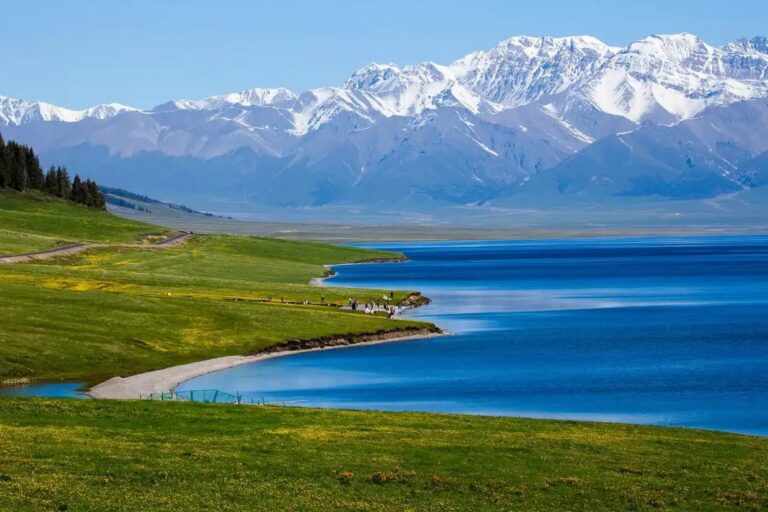
What is the best time to visit Sayram Lake?
June through September offers the best weather with temperatures between 15-25°C and wildflowers in full bloom around the lake.
How do I get to Sayram Lake from Urumqi?
Sayram Lake is about 450km from Urumqi. You can drive via the G30 highway (5-6 hours), take a bus from Urumqi West Bus Station (6-7 hours), or hire a private driver for the most flexibility.
Is there an entrance fee for Sayram Lake?
Yes, the entrance fee is approximately 70 RMB per person. Additional fees may apply for the lake island boat tour (about 100 RMB) and the scenic area shuttle bus.
Can I camp near Sayram Lake?
Camping is allowed in designated areas around the lake. The best spots are on the eastern shore where you can wake up to stunning sunrise views over the water.
What should I pack for a trip to Sayram Lake?
Even in summer, temperatures can drop significantly at night. Bring layers, a windproof jacket, sunscreen (UV is strong at high altitude), and comfortable walking shoes.
Discover more about traveling in Xinjiang with our expert Xinjiang travel tips and guides.