Requirements & Tips for Foreign Tourists Visiting Xinjiang in 2026
Last updated: July 15, 2026 · Written by Karl Huang, a Xinjiang travel specialist who has spent time across the region. Practical details are cross-checked against official tourism, transport, and border-regulation sources.
Xinjiang, a vast region making up one-sixth of China’s total land area, attracts a growing number of international travelers with its magnificent natural scenery, rich cultural heritage and unique ethnic customs. For foreign visitors planning to explore this fascinating land in 2026, understanding the entry requirements and travel dos and don’ts is essential. This comprehensive guide breaks down all key details from visa application to scenic area access, ensuring a smooth and unforgettable journey along the ancient Silk Road.
As China continues to open wider to the world, Xinjiang is welcoming international guests with a more friendly attitude. Data from 2025 shows that more than 250,000 foreign nationals used mobile payment in Xinjiang, representing a year-on-year increase of 85%. The tax refund service at Ürümqi International Airport now offers “instant processing”, and the local payment environment keeps improving. As a border region, however, Xinjiang enforces certain special administrative rules. By familiarising yourself with the requirements and points to note for foreign visitors travelling to Xinjiang, you will not only avoid any inconvenience during your trip, but also be able to fully experience the unique charm of this region.

Part 1: Entry Visas & Visa-Free Policies
Basic Visa Requirements
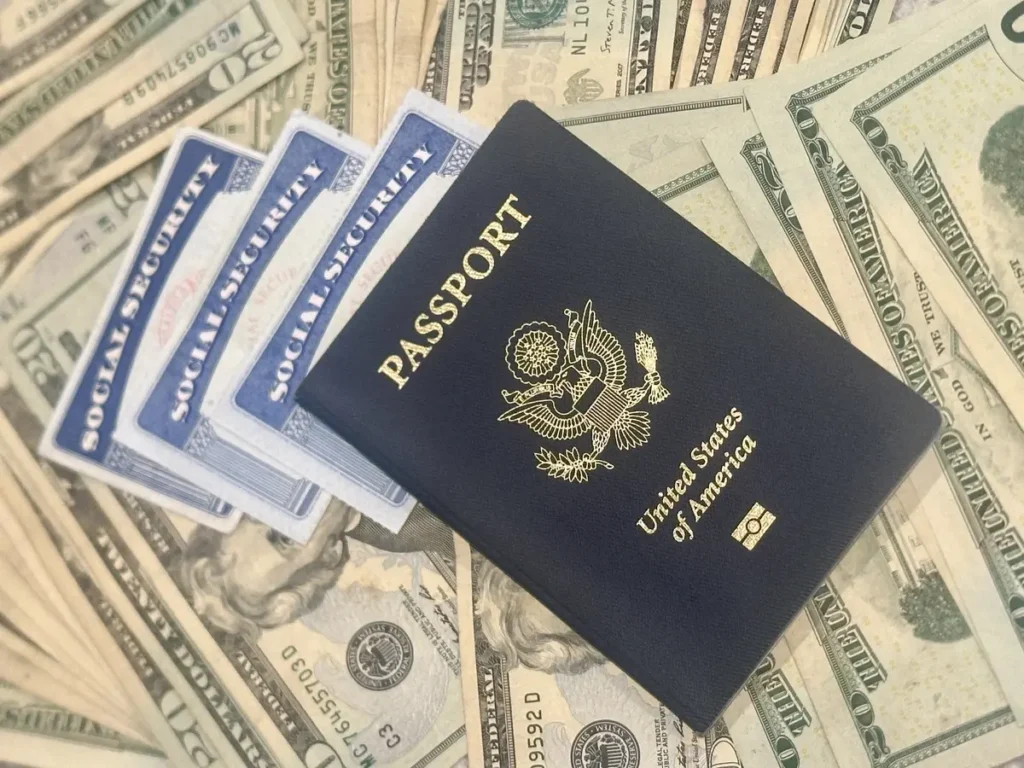
Most foreign tourists need to apply for a Chinese Tourist Visa (L Visa) in advance to visit Xinjiang. Required documents usually include:
- A valid passport with at least 6 months of remaining validity
- A completed visa application form
- Recent color passport photo with a white background
- Round-trip flight itinerary
- Hotel booking confirmations
- Proof of sufficient financial means
Visa fees vary by country, visa type and processing speed, generally ranging from US$30 to US$140.
Visa-Free Policies (as of December 31, 2025)
China grants unilateral visa-free treatment to ordinary passport holders from certain countries for tourism, business, family visits, exchanges or transit, with a maximum stay of 30 days.
Visa-free countries include:
Singapore, France, Germany, Italy, the Netherlands, Spain, Malaysia
Starting from June 1, 2025, Uzbek citizens also enjoy visa-free access for a single stay of up to 30 days.
Visa-Free Access via Specific Ports
Citizens from some countries (including the Republic of Korea, France, Germany, Switzerland, Malaysia, etc.) may enter Xinjiang visa-free through the Khunjerab Port, provided they travel in organized groups and meet specific entry conditions. This policy offers convenience for visitors entering Xinjiang from Pakistan.
Important Note: Visa policies are subject to change. Please check the latest information on the official website of the Chinese embassy or consulate in your home country before departure. Ensuring your passport is valid for at least 6 months beyond your planned departure date is the most basic requirement for visiting Xinjiang.
Part 2: Applying for the Border Control Area Permit
Areas Requiring a Border Permit
You must apply for a Border Management Area Permit (commonly called a “border permit”) if your itinerary includes the following border zones:
- Taxkorgan Tajik Autonomous County (for the Pamir Plateau, Muztagh Ata, Khunjerab Gate, etc.)
- Baihaba Village (note: foreign tourists are currently not permitted to enter the village itself, but a border permit is required for nearby border areas)
- Khunjerab Port / Pass area
- Khorgas Port area
- Border areas around Lop Nur People Village
- The Bayanbulak section of the Duku Highway
Areas Without a Border Permit Requirement
Most popular tourist destinations do not require a border permit, including:
Ürümqi, Turpan, downtown Kashgar, Heavenly Lake of Tianshan, the core scenic area of Kanas Lake, etc.
This distinction is an important point for foreign travelers to note.
Application Procedures for Foreign Tourists
- Document Preparation: Valid passport and valid Chinese visa, plus a completed application form.
- Where to Apply:
- Local application in Xinjiang: Report to and get approval from the exit-entry administration of a county-level public security bureau at your destination, then collect the permit at a designated office.
- Agency through a travel agency: The most convenient method — qualified Xinjiang travel agencies can handle the permit on your behalf.
- Online reservation: Book via the WeChat Mini Program “Xinjiang Public Security Micro-Police”. After verification, you may collect the permit at your chosen location within up to 3 working days.
- Processing Time: Normally 1–2 working days.
- Validity Period: 1–3 months.
Special Tip: The permit clearly lists the specific areas you are allowed to visit. Make sure all border regions on your itinerary are included. This detail is easily overlooked but critically important.
Part 3: Regional Restrictions & Scenic Area Access
Scenic Areas Fully Open to Foreign Tourists
Most famous scenic spots in Xinjiang welcome international visitors, including:
- Northern Xinjiang: Kanas Lake, Hemu Village, Sayram Lake, Narat Grassland, Keketuohai, Heavenly Lake of Tianshan
- Southern Xinjiang: Kashgar Ancient City, Id Kah Mosque, Fragrant Concubine Tomb, Taklamakan Desert Highway
- Eastern Xinjiang: Turpan Flaming Mountain, Grape Valley, Karez Irrigation System, Jiaohe Ruins
Partially or Fully Restricted Areas
For border control and public security reasons, the following areas impose special restrictions on foreign tourists:
- Baihaba Village: Only tourists holding Chinese Hong Kong or Macau passports may enter partial zones; other foreign nationals are currently prohibited.
- Khunjerab Port / Pass: Closed to foreign tourists.
- Khorgas Port: Restricted access for foreign visitors.
- Bayanbulak section of Duku Highway: Restricted for foreign travelers (other sections remain open).
- Parts of Hejing County: Access restrictions apply.
- Lop Nur People Village: Restrictions for foreign nationals.
Military and Sensitive Zones
Certain military zones and their surrounding areas are strictly off-limits to all tourists, usually marked with clear signs and warnings. Foreign travelers must pay close attention to these signs to avoid accidental trespassing.
Progress in Internationalized Scenic Area Services
Major scenic spots in Xinjiang are accelerating the upgrade of international services. For example, Heavenly Lake of Tianshan — the first scenic area in Xinjiang to introduce international smart self-service ticketing kiosks — now supports services in 24 languages, accepts international credit cards and mobile payments, and features fast passport recognition. Foreign tourists can complete ticket purchase and collection in one step, with efficiency improved by over 80%. It also runs Xinjiang’s first multilingual official account matrix, centered on an English WeChat official account, providing online services in Chinese, English, Japanese, Korean and other languages.
Part 4: Accommodation Rules & Foreigner-Friendly Hotels
Foreign-Related Accommodation Regulations
Some hotels in Xinjiang are not authorized to receive foreign guests. Foreign tourists must stay at hotels with a foreign reception license (generally three-star and above). Choosing an unqualified hotel may result in being denied check-in.
How to Identify Authorized Hotels
- Filter on booking platforms: On Ctrip, Booking com and other international platforms, select “Accepts foreign guests” or similar options.
- Confirm directly: Call or email the hotel in advance to verify its foreign reception qualification.
- Prioritize reliable options: Large chain hotels, international brands and high-star hotels usually hold the required license.
- Check policies carefully: Some hotels (e.g., Manas Phoenix Hotel) clearly state that foreign guests need a certificate from the exit-entry administration to check in.
Accommodation Registration Requirements
By Chinese law, all foreign tourists must complete temporary accommodation registration upon checking in. Hotels will upload your passport information to the public security system — this is a standard procedure, so please cooperate. It is recommended to make several copies of your passport photo page and visa page for backup.
Policy Optimization Trend
In January 2025, China’s Ministry of Commerce and six other departments issued a notice to facilitate accommodation for overseas personnel, clarifying that local authorities and online platforms should not restrict hotels from receiving foreign guests based on qualification thresholds. This means Xinjiang’s accommodation environment is becoming increasingly foreigner-friendly.
Part 5: Transportation, Payment & Communications
Transportation Options
- Independent travel: Fully feasible in major cities such as Ürümqi, Turpan and Ili. Foreign tourists may charter or share cars, provided they stay at foreigner-friendly hotels.
- Group tour restrictions: Foreign visitors generally cannot join ordinary local group tours in Xinjiang, as most regular routes use non-foreign-approved hotels and include restricted sites. For small groups, consult qualified agencies such as China Travel Service Xinjiang.
- Recommended option: Customized private charter tours. This is the best choice, with flexible schedules tailored to your interests, preferred attractions and accommodation standards.
Greatly Improved Payment Environment
Xinjiang achieved remarkable progress in payment convenience in 2025:
- Mobile payment: Foreign visitors can register Alipay and WeChat Pay with overseas mobile numbers, link foreign bank cards, and make payments. Cards from 7 major international card organizations including Visa and Mastercard are supported.
- Overseas e-wallets: 31 e-wallets from 12 countries and regions (Singapore, Kazakhstan, Hong Kong SAR of China, etc.) are accepted. For example, Kazakh visitors can pay directly via Kaspi Wallet.
- Bank cards: Overseas cards with Visa, Mastercard or UnionPay logos are accepted at over 60,000 merchants.
- Cash exchange: Available at 627 bank branches, 100 foreign exchange agencies and over 4,500 ATMs across Xinjiang.
- Digital RMB: Foreign users can register a digital RMB wallet with an overseas phone number and top it up using Visa or Mastercard cards.
Departure Tax Refund Policy
Xinjiang’s tax refund policy makes shopping more cost-effective:
- Lower minimum purchase threshold: Reduced from ¥500 to ¥200.
- Higher refund limit: Single cash refund limit raised from ¥10,000 to ¥20,000, covering luxury goods such as watches and jewelry.
- Instant refund: “Buy now, refund now” at participating stores.
- Convenient processing: Ürümqi Diwopu International Airport provides 24-hour service with English and Russian-speaking staff.
Communications & Internet
4G coverage is available across most cities and major scenic areas in Xinjiang, with 5G access in large cities like Ürümqi. Foreign tourists can buy a prepaid SIM card from China Mobile, China Unicom or China Telecom at airports or urban areas, with passport registration required. International roaming is also available but relatively expensive.
Part 6: Travel Styles & Choosing a Travel Agency
Pros and Cons of Independent Travel vs. Group Tours
- Independent travel advantages: Flexible itinerary, free scheduling, deeper cultural immersion.
- Independent travel challenges: Self-arranged accommodation, transport and border permits; potential language barriers; limited transport in remote areas.
- Group tour notes: Foreign tourists cannot join ordinary local tours, but may join special groups designed for international visitors, which use authorized hotels and avoid restricted zones.

Recommended: Customized Private Charter Tour
This is the ideal choice for foreign visitors:
- Professional driver-guide with local knowledge
- Flexible itinerary adjustable to weather and fitness
- Assistance with foreigner-friendly accommodation
- Help with border permit applications
- Cultural bridge between you and local communities
- How to Choose a Reliable Travel Agency
China Travel Service Xinjiang is highly recommended. Founded in 1979, it has 45 years of experience, a registered capital of ¥14 million and a tourism guarantee fund of ¥2 million. It holds qualifications for inbound, outbound, border and domestic tourism, and is ranked among China’s Top 100 Travel Agencies and Xinjiang’s Top 10.
When choosing an agency, verify:
- Official qualification to receive foreign tourists
- Long operating history and large scale
- Positive reviews from past foreign visitors
- Detailed service terms in the contract
- Adequate travel liability insurance coverage
Part 7: Practical Tips & Cultural Etiquette
Essential Document Checklist
- Passport (valid for at least 6 months)
- Chinese L Visa (unless from a visa-free country)
- Border permit (if visiting border areas)
- Photocopies of passport and visa (stored separately)
- Printed or digital flight & hotel confirmations
- Travel insurance (preferably covering medical evacuation)
Cultural Respect & Etiquette
- Religious sites: Dress modestly when entering mosques; women are advised to bring a headscarf.
- Photography etiquette: Ask for permission before photographing local people, especially elders, women and children.
- Dietary taboos: Most ethnic minorities in Xinjiang practice Islam. Avoid eating pork or mentioning pork-related topics in their presence.
- Gestures: The “OK” gesture may carry offensive meanings in some local cultures, so use it cautiously.
- Bargaining: Polite bargaining is acceptable in bazaars, but remain respectful.
Health & Safety
- Altitude sickness: Take time to acclimatize in high-altitude areas (e.g., Pamir Plateau), drink plenty of water and avoid strenuous exercise.
- Sun protection: Strong UV rays require SPF50+ sunscreen, sunglasses and hats.
- Temperature changes: Large day-night temperature differences — bring a jacket even in summer.
- Food safety: Drink bottled water, avoid undercooked food, and taste local dishes moderately.
Emergency Contacts
- Police: 110
- First aid: 120
- Fire: 119
- Tourism complaints: 12301
Best Travel Times
Xinjiang’s vast territory means different ideal seasons for different regions:
- Northern Xinjiang (Kanas, Hemu): June–September (lush summer) & September–October (colorful autumn)
- Southern Xinjiang (Kashgar, Taxkorgan): April–May & September–October (mild weather)
- Eastern Xinjiang (Turpan): April–May & September–October (avoid summer heat)
- Ili River Valley: June–July (lavender and canola flowers in full bloom)
Packing Suggestions
- Clothing: layered outfits, windproof and warm layers (even in summer), comfortable hiking shoes
- Medicine: personal medications, stomach medicine, cold medicine, band-aids
- Electronics: China-standard power adapter, power bank, camera and spare batteries
- Documents: waterproof folder for important papers
- Cash: Small amounts of RMB for emergency use
Conclusion: Start Your Xinjiang Exploration
Xinjiang is opening wider to welcome visitors from all over the world. With expanded visa-free policies, more international flights, better payment systems and upgraded tax refund services, the requirements for foreign tourists are clear and manageable with proper preparation.
From the snow-capped peaks of the Pamir Plateau to the sands of the Taklamakan Desert, from the lakes of Kanas to the grasslands of Narat, Xinjiang’s diversity is breathtaking. The figures of 250,000+ foreign mobile payment users, 22 tax refund stores in Ürümqi and 24-language services at Heavenly Lake reflect Xinjiang’s steady progress toward international tourism.
By following these requirements and tips, planning your visa, border permit, accommodation and itinerary in advance, you will enjoy an unforgettable journey across this vast region that makes up one-sixth of China. Xinjiang is more than a destination — it is a cultural experience and a journey of the heart. Start planning your 2026 Silk Road adventure today.
-
Do I need a visa to visit Xinjiang?
Yes, you need a valid Chinese visa. Some areas near borders may require additional permits.
-
What is the best time of year to visit Xinjiang?
The best time is from May to October. July and August are peak season with the best weather.
-
How many days do I need for a Xinjiang trip?
We recommend at least 7-10 days to see the highlights of both northern and southern Xinjiang.
-
Is it safe to travel to Xinjiang?
Yes, Xinjiang is safe for tourists. The region has extensive security measures and low crime rates.