Changsha Travel Guide: Top Sights, Food and a 3-Day Itinerary
Changsha is the capital of Hunan and one of the great eating cities of China — the home of stinky tofu, of spicy crayfish, and of a breakfast noodle culture that runs all morning. It also holds one of the most important archaeological collections in the country at the Hunan Museum, where the Mawangdui tombs produced a two-thousand-year-old corpse, silk and lacquer in almost impossible condition. Two days, and come hungry.

Why Visit Changsha
Changsha (长沙) earns its place among China’s essential stops because hunan’s spicy, youthful capital — mao’s birthplace region and a food scene.
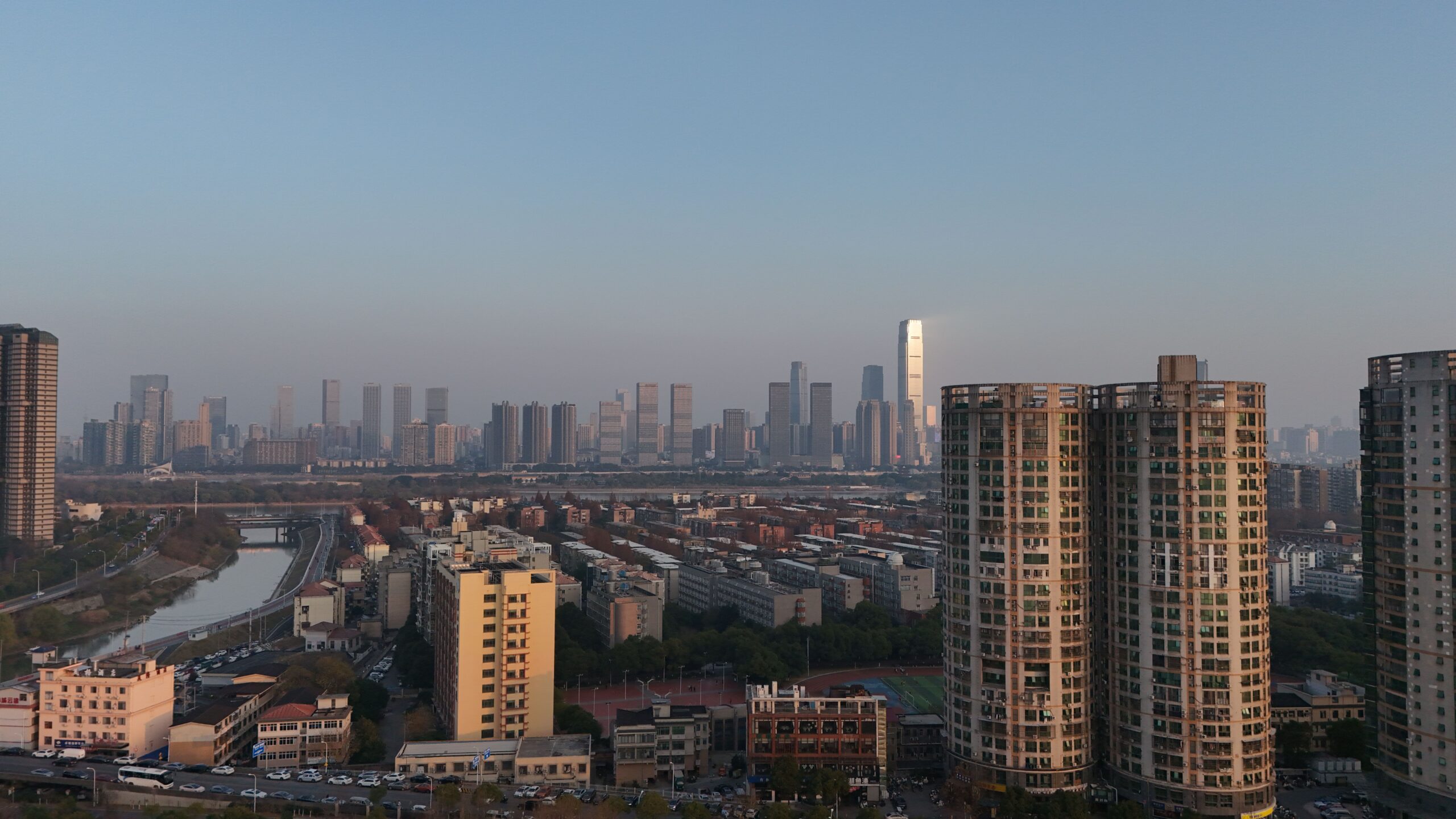
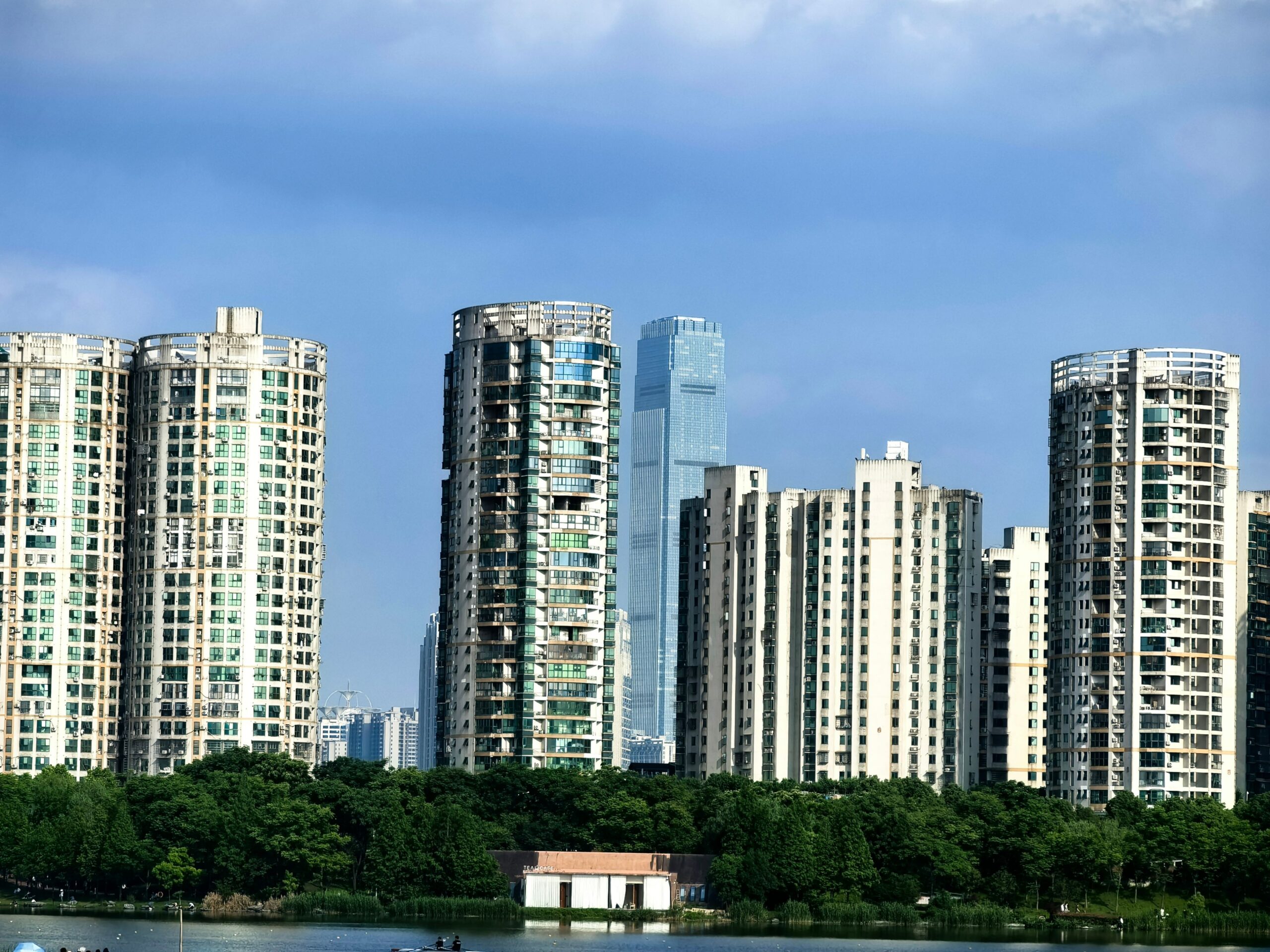
Changsha is loud, warm, informal and completely focused on food and entertainment — it is the home of one of China’s biggest television broadcasters, and the city feels like it. There is little monumental architecture; the appeal is the museum, the mountain across the river, and what you eat between them.
The Story Behind Changsha
The city has been a regional centre for more than three thousand years and was part of the Chu cultural world, which is why Hunan’s cooking, opera and temperament differ so sharply from the north. The 1970s excavation of the Mawangdui Han tombs on the outskirts was one of the great archaeological finds of the century. In the twentieth century Changsha was where Mao Zedong studied and organised, and the city was largely burned in 1938 during the war with Japan.
Top Things to Do in Changsha
The Hunan Museum and Mawangdui
The tomb of the Lady of Dai, buried around 168 BC and found almost perfectly preserved, together with her silk garments, lacquerware, manuscripts and the painted coffins. It is one of the most complete pictures of Han dynasty life anywhere. Free, book ahead, allow three hours.
Yuelu Mountain and Yuelu Academy
Across the river: a wooded hill with temples and the Yuelu Academy, founded in 976 and one of the four great academies of imperial China, still a working campus. The combination of a serious classical institution and a pleasant climb is the best half-day in Changsha.
Orange Isle
A long sandbar in the Xiang River with a huge young-Mao sculpture at the southern end, gardens and a riverside walk. Free, with a small tram if you do not want to walk the length.
Taiping Old Street and the food lanes
A rebuilt old street packed with snack shops — stinky tofu, sugar-oil cakes, skewers — and the clearest single place to understand what Changsha eats.
Fire Palace
A temple-turned-food-hall in the centre that has been selling Hunan snacks for a century or more. Touristy, but the stinky tofu here is the standard by which the rest is judged.
The old revolutionary sites
The First Normal School and other places connected with Mao’s early years, for anyone interested in the twentieth century. Modest, free or cheap and largely ignored by overseas visitors.
Best Time to Visit Changsha
March to May and September to November. Changsha is one of the traditional ‘furnace’ cities and July and August are brutally hot and humid; winter is damp and cold. Come in autumn if you want to eat crayfish and survive it.
At a Glance
| Detail | Information |
|---|---|
| Province | Hunan |
| Rail hub | ~2.5 hrs from Wuhan |
| Must-see | Yuelu Academy, Orange Isle |
| Local dish | stinky tofu |
| Best season | Mar–May, Sep–Nov |
Getting to Changsha
Changsha (CSX) is a major high-speed rail hub — ~2.5 hrs from Wuhan, ~3 from Guangzhou.
Getting Around Changsha
Changsha has a metro network reaching the museum, the river and the main shopping districts, and the city is compact enough that taxis are rarely necessary. High-speed rail puts Guangzhou about two and a half hours away, Wuhan ninety minutes and Shanghai about five.
What to Eat in Changsha
Stinky tofu
The Changsha version is the famous one: deep-fried until crisp, dressed with chilli, garlic and broth. The smell is serious and the texture is much better than the reputation suggests.
Rice noodles for breakfast
Changsha runs on rice noodles in the morning — broth or dry-mixed, with a dozen toppings and a chilli bar. The city’s cheapest and best meal.
Spicy crayfish and taste shrimp
Summer evenings in Changsha are largely about crayfish in heavy spice, eaten outside with beer. It is a genuinely local institution rather than a tourist thing.
Where to Stay in Changsha
Wuyi Square and the centre
Right on the metro, walkable to the food streets and the Fire Palace. The default base.
Across the river by Yuelu
Quieter, near the academy and the mountain — good if the classical side interests you more than the nightlife.
Near the museum
Practical for an early slot at Mawangdui, further from the food.
A 3-Day Changsha Itinerary
This 3-day plan covers the core of Changsha without rushing; if you have less time, take the first day and add the parts of the second that matter most to you.
Day 1 — Han dynasty Changsha
The Hunan Museum in the morning for Mawangdui, and three hours is not too many. Afternoon across the river for Yuelu Academy and the climb. Evening on Taiping Old Street.
Day 2 — the city and its food
Rice noodles for breakfast, Orange Isle in the morning, and a long afternoon and evening working through the snack streets. Crayfish for dinner if it is summer.
Optional — onward
An hour to Yueyang Tower, or the train to Zhangjiajie for the pillars.
Day Trips from Changsha
Shaoshan
About an hour and a half: Mao’s birthplace and the memorial complex around it. Busy with domestic tourism, and interesting for the twentieth-century history.
Yueyang
An hour by rail to Yueyang Tower, one of the great towers of Chinese literature, on Dongting Lake. Easy half-day.
Zhangjiajie
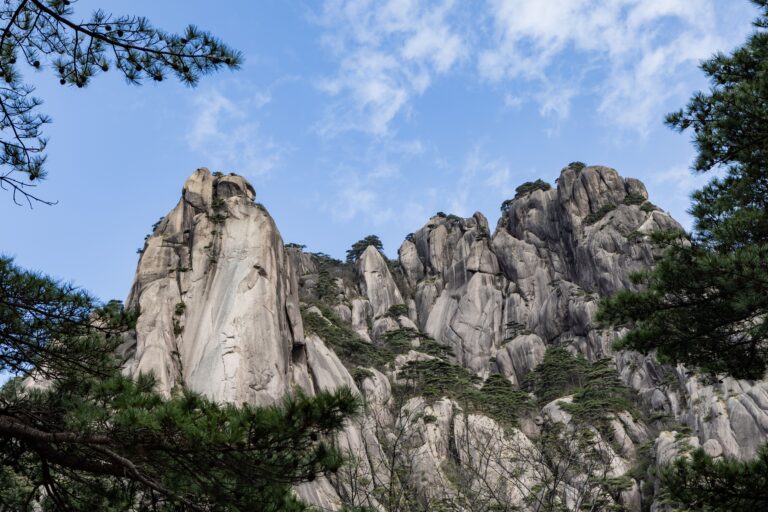
Roughly two and a half hours by rail to the quartzite pillars that are the reason many people come to Hunan at all. Not a day trip — go for two or three days.
What a Trip to Changsha Costs
| Item | Indicative cost |
|---|---|
| Hunan Museum | Free — book online in advance |
| Yuelu Academy | ¥50 (approx.) |
| Orange Isle | Free; tram around ¥20 |
| Yuelu Mountain cable car | ¥50–70 return |
| Street-food dinner | ¥40–100 per person |
| Mid-range hotel | ¥250–550 per night |
Changsha is cheap, and the food in particular is extraordinary value. The museum is free and is the best thing in the city — the only constraint is booking.
Practical Tips for Changsha
- Book the Hunan Museum online before anything else — it is free, popular and the Mawangdui material is the reason to be here.
- Eat breakfast out: rice noodles, from a shop that is busy.
- Be honest with yourself about chilli tolerance. Hunan heat is different from Sichuan’s — less numbing, more direct.
- Cross to Yuelu Mountain in the afternoon, when the light is better and the academy is quieter.
- Avoid July and August if you can; the furnace reputation is earned.
- Come for two days: one for the museum and the mountain, one for eating.
Mistakes to Avoid
- Not booking the Hunan Museum and missing Mawangdui entirely.
- Underestimating the chilli and ordering without asking for a milder version if you need one.
- Visiting in high summer and being defeated by the heat.
- Treating it purely as a transit point between Zhangjiajie and Guangzhou.
Is Changsha Right for You?
Two days. Changsha suits travellers who plan trips around food and who want one of the best museums in China; it is not a city of monuments and does not pretend otherwise.
Plan Your Trip
These official and reference sources help you verify opening hours and book ahead:
Frequently Asked Questions
What is Changsha famous for?
Food — stinky tofu, rice noodles, spicy crayfish — and the Mawangdui Han tombs, whose contents are in the Hunan Museum. It is also where Mao Zedong spent his formative years.
How many days do you need?
Two. One day gets you the museum and one eating session; two lets you add Yuelu Mountain and Orange Isle properly.
Is the food very spicy?
Yes. Hunan chilli is direct and relentless rather than numbing like Sichuan’s. Most places will adjust if you ask, but do not expect the default to be mild.
When is the best time to visit?
Spring and autumn. Changsha is one of China’s ‘three furnaces’ — July and August are extremely hot and humid.