Harbin Travel Guide: Top Sights, Food and a 3-Day Itinerary
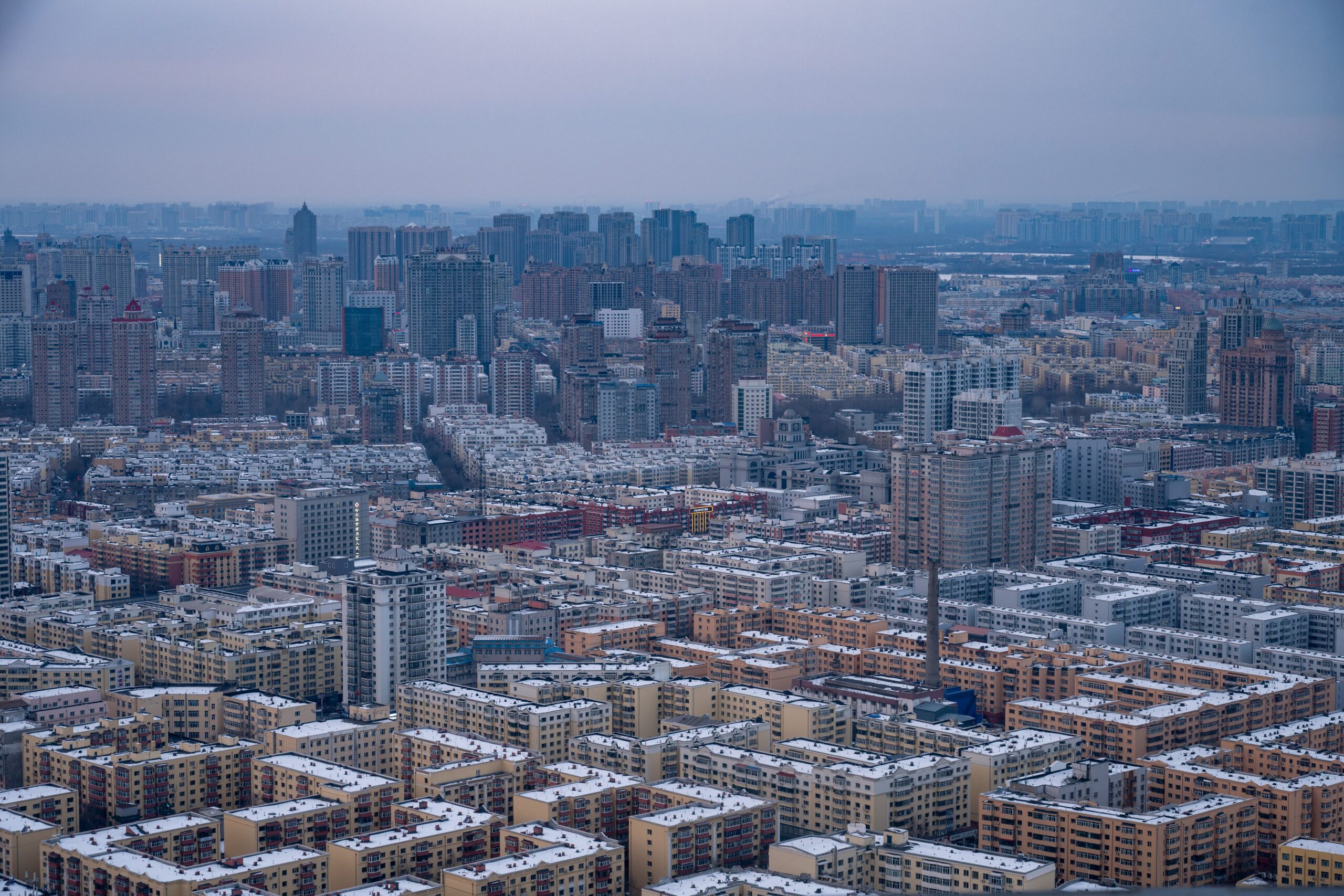
Harbin is a city built by a railway. The Chinese Eastern Railway was laid through here in 1898 and for the first half of the twentieth century the place was as Russian as it was Chinese — which is why the central church is Orthodox, the main street is cobbled, and the food includes sausage and rye bread. It is now best known for one thing: the ice festival, when the city builds a second city out of the Songhua River and lights it.
Why Visit Harbin
Harbin (哈尔滨) earns its place among China’s essential stops because the ice city — russian-flavoured winters and a frozen fairy tale.
Harbin has two seasons that matter. In January it is one of the coldest large cities on earth — regularly below minus twenty, and the festival is built for exactly that. In July and August it is a well-shaded, comparatively cool northern city and the Russian architecture reads better without five layers on. Either version is worth a trip; they are simply different places.
The Story Behind Harbin
The railway brought Russian engineers, merchants and, after 1917, a large émigré community; at one point tens of thousands of the city’s residents were Russian, with their own schools, churches and newspapers. Japan occupied Manchuria from 1931 and held the city until 1945 — the Unit 731 site on the southern edge is the darkest reminder of that period and is open to visitors free of charge. The ice lantern tradition dates to the 1960s and has grown into the Ice-Snow World.
Top Things to Do in Harbin
Ice-Snow World
The main event: enormous structures cut from ice blocks taken from the river, lit from inside with coloured light, rebuilt every year on a different theme. Go after dark, dress far more warmly than you think you need, and accept that it is expensive.
Central Street
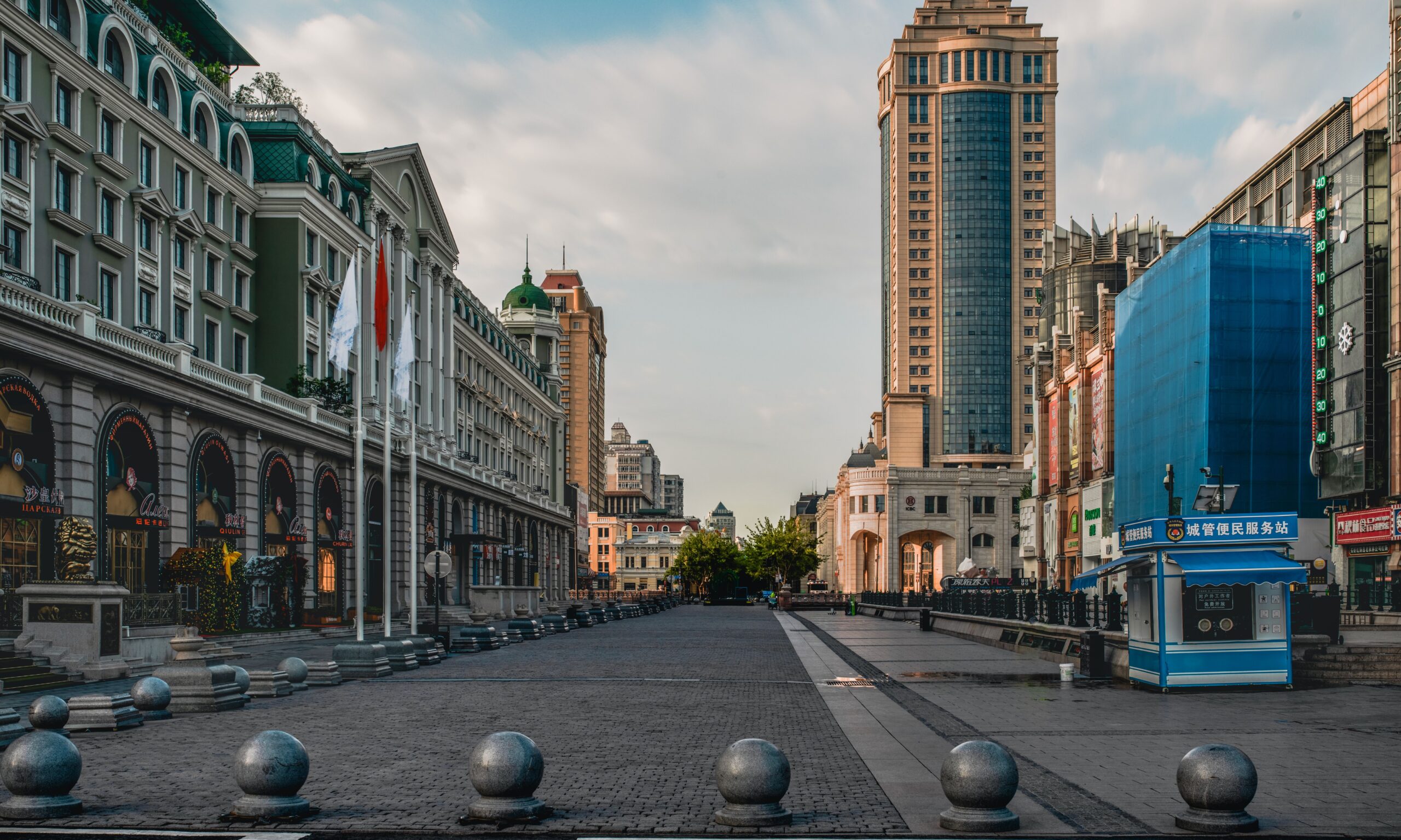
A pedestrian street laid with cobblestones in 1898 and lined with baroque, art nouveau and eclectic façades — Russian, Jewish and Japanese commercial architecture in one short walk. The best hour in the city, and free.
Saint Sophia Cathedral
A red-brick Orthodox church built in 1907 with an onion dome, now a museum of the city’s architecture and surrounded by a large square. It is the image on every Harbin poster.
Sun Island and the snow sculpture park
Across the river: large snow sculptures in daylight, which is a different and arguably more impressive art form than the ice work. Combine with the ice park in one long day.
The Siberian Tiger Park
A large reserve for Amur tigers and other northern animals, with a drive-through enclosure. Controversial in the way animal attractions usually are, but the scale of the animals in snow is memorable.
Unit 731 Museum
The former biological warfare site on the southern edge, preserved and open free of charge. It is grim and it should be — allow an hour and do not schedule anything cheerful afterwards.
Best Time to Visit Harbin
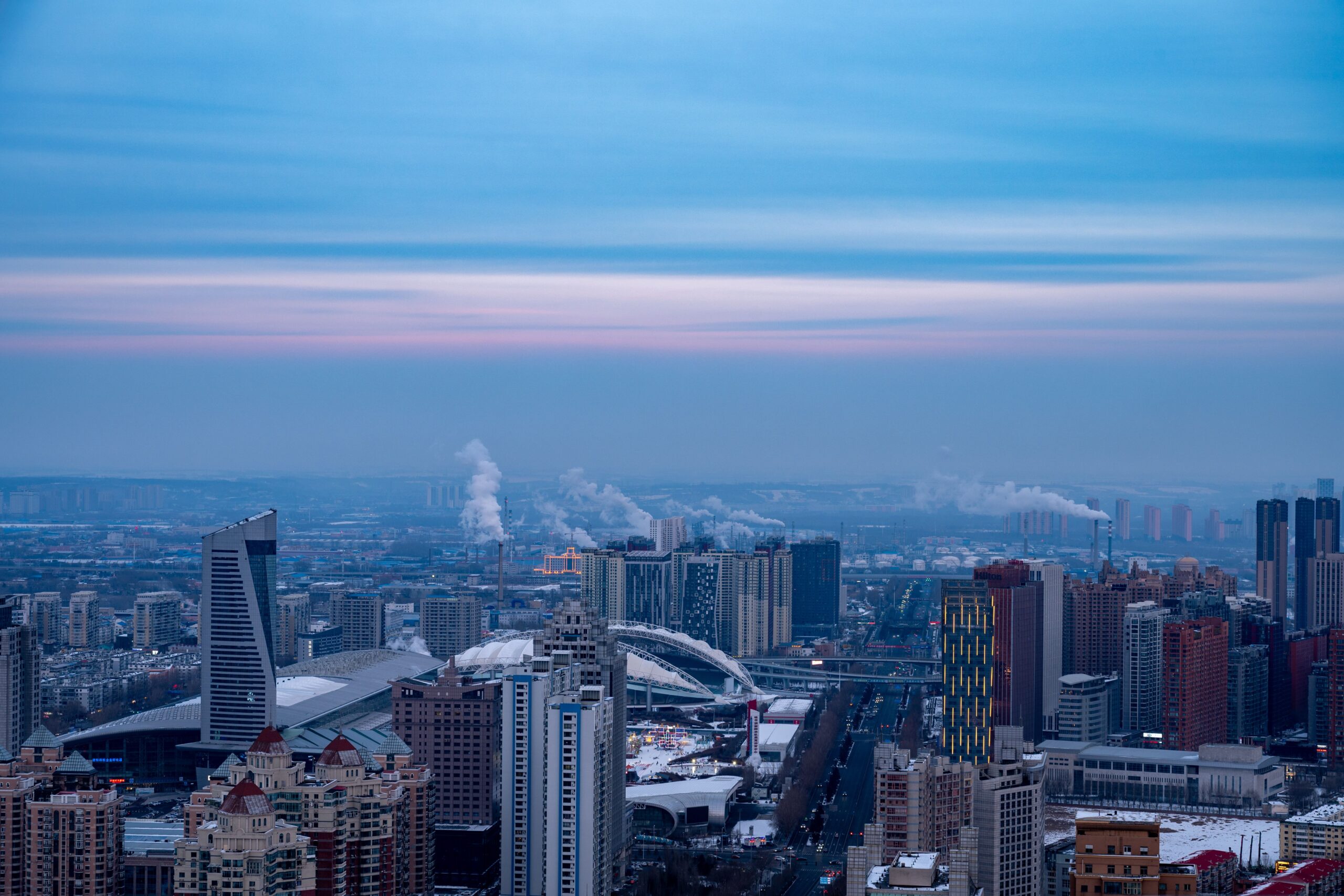
January for the ice festival, when the cold is the point. July and August for a cool summer city and comfortable walking. The shoulders — late November to before the festival opens, and March — offer neither and are best avoided.
At a Glance
| Detail | Information |
|---|---|
| Festival | Jan–Feb |
| From Beijing | ~5 hrs rail |
| Must-see | Ice and Snow World |
| Local dish | guo bao rou (sweet pork) |
| Winter temp | -20°C |
Getting to Harbin
Harbin (HRB) flies widely; high-speed rail from Beijing (~5 hrs).
Getting Around Harbin
Harbin has a metro network and plentiful buses, but during the festival taxis are genuinely hard to find in the cold and you should build in a long wait. The Ice-Snow World is served by a dedicated metro station and shuttle buses, which is the sane way to arrive.
What to Eat in Harbin
Harbin sausage and Russian bread
The city’s Russian inheritance: a coarse smoked sausage and a dense rye loaf, both sold in the old food halls off Central Street.
Guo bao rou
Crisp battered pork in a sweet-sour sauce — a northeastern classic done better here than almost anywhere, and the standard thing to order on a cold evening.
Russian restaurants and frozen treats
There are long-established Russian restaurants in the city, and in January you eat ice cream and frozen pears on the street because it is cold enough to make that normal.
Where to Stay in Harbin
Near Central Street
Walkable to Sophia, the river and the best food — the default choice and the most expensive.
Daoli district
Central, close to Central Street, with a wider range of mid-range hotels.
Near the Ice-Snow World metro
Practical for the festival itself, but a long way from anything else.
A 3-Day Harbin Itinerary
This 3-day plan covers the core of Harbin without rushing; if you have less time, take the first day and add the parts of the second that matter most to you.
Day 1 — the Russian city
Central Street in the morning, Saint Sophia Cathedral and the square, and a Russian lunch. Afternoon at the river, then the Unit 731 museum if you want the harder half of the story.
Day 2 — ice and snow
Sun Island’s snow sculptures in daylight, then the Ice-Snow World after dark. One very cold, very full day — this is the reason most people are here in January.
Day 3 — tigers or a ski day
The Siberian Tiger Park in the morning, or a train out to Yabuli for a day on the slopes.
Day Trips from Harbin
Yabuli
The main ski area, a few hours away by road or rail — the reason many visitors combine the ice festival with a couple of days on snow.
China Snow Town
A village in the mountains where heavy snowfall buries the wooden houses, roughly five or six hours away. Photographed constantly, and worth an overnight.
The Songhua River in winter
Not a day trip but worth mentioning: the frozen river becomes a road, with sledges, ice fishing and people walking across it.
What a Trip to Harbin Costs
| Item | Indicative cost |
|---|---|
| Ice-Snow World | ¥300+ per person — the single biggest cost in the city |
| Sun Island snow sculpture park | ¥100–200 depending on season |
| Saint Sophia Cathedral | ¥20–30 |
| Siberian Tiger Park | ¥90–130 |
| Unit 731 Museum | Free |
| Mid-range hotel | ¥250–600 per night, far higher during the festival |
Festival weeks are expensive and rooms sell out months ahead; everything else in Harbin is cheap. Prices here are indicative planning ranges.
Practical Tips for Harbin
- Dress properly: thermal base layers, a real coat, a hat that covers your ears, gloves and insulated boots. Minus twenty-five is not a challenge to tough out.
- Put hand warmers in your pockets and keep your phone inside your coat — batteries die fast in the cold.
- Book accommodation months ahead if you are coming for the festival; rooms sell out and prices multiply.
- Go to the ice park after dark and the snow park in daylight — they are built for different light.
- Visit Unit 731 in the morning, not after a long day; it is heavy going.
- Come in summer if you hate cold — the Russian architecture and the food are the same and the city is far more comfortable.
Mistakes to Avoid
- Underdressing for the festival and lasting twenty minutes at the ice park.
- Arriving during festival weeks without a hotel booking.
- Assuming your phone and camera will work normally in minus twenty-five — they will not; keep spares warm.
- Only visiting in winter: Harbin in July is a genuinely pleasant city and almost no one goes.
Is Harbin Right for You?
Two to three days. In winter, it suits people who will commit to the cold and want something they cannot get anywhere else; in summer it suits travellers interested in the Russian and Japanese architectural layers and cheap northern food.
Plan Your Trip
These official and reference sources help you verify opening hours and book ahead:
Frequently Asked Questions
When is the Harbin ice festival?
It opens in early January and runs while the cold holds, usually into February. The exact dates move each year with the weather, so check before booking.
How cold does Harbin get?
January nights regularly fall below minus twenty-five. It is survivable with proper clothing and genuinely unpleasant without it — dress for it rather than enduring it.
Is Harbin worth visiting in summer?
Yes. The Russian and Japanese architecture, the food and the river are all better in warm weather, the crowds are gone and prices are lower. It is a different city, not a lesser one.
How many days do you need?
Two in winter — one for the city, one for ice and snow. Three if you add Yabuli or the Snow Town.