xinjiang travel regulations for foreigners 2026
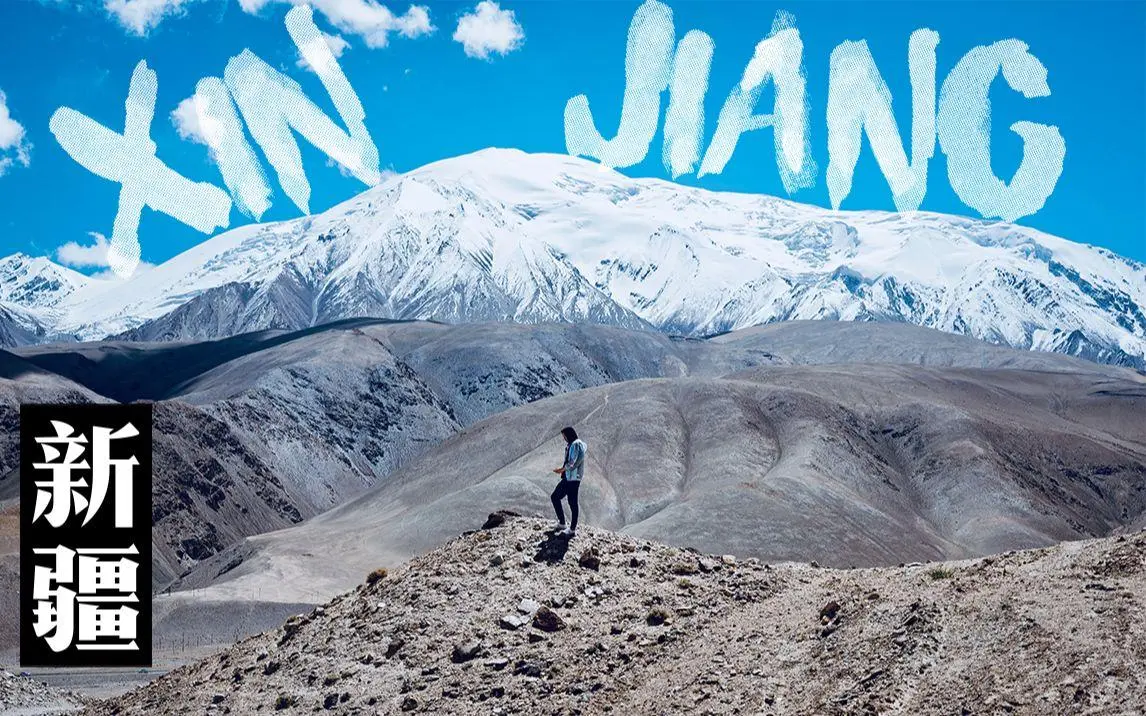
Xinjiang, historically known as the “Western Regions,” serves as the core hub of the Silk Road and is China’s largest provincial-level administrative region. It boasts not only the scenic beauty of Kanas Lake, the vast grasslands of Nalati, and the majestic snow-capped mountains of the Pamir Plateau, but also blends the unique cultures of 13 indigenous ethnic groups including Uyghur, Kazakh, Mongol, and Hui. For foreign travelers planning a trip to Xinjiang by 2026, understanding the latest travel regulations and mastering practical travel information is key to embarking on an unforgettable journey. This article provides a detailed overview of Xinjiang travel regulations for foreigners in 2026.
I. Historical Context: From Closed Frontier to Open Gateway
1. The Evolution of Tourism in Xinjiang
Modern tourism in Xinjiang began in 1978 with the establishment of the autonomous region’s tourism bureau. That year, it received fewer than 100 visitors, almost exclusively international tourists. At the time, tourism services primarily catered to diplomatic missions and a handful of international friends, making entry difficult for ordinary foreign tourists.
In 1987, as China’s reform and opening-up deepened, Xinjiang gradually began welcoming international tourists, though procedures remained cumbersome and restrictions numerous. It wasn’t until the early 21st century, following China’s accession to the WTO and the implementation of the Western Development Strategy, that Xinjiang’s tourism infrastructure saw significant improvement.
2. Key Policy Milestones
2005: Multiple Xinjiang scenic areas designated as National Geoparks, marking the integration of natural landscape conservation with tourism development
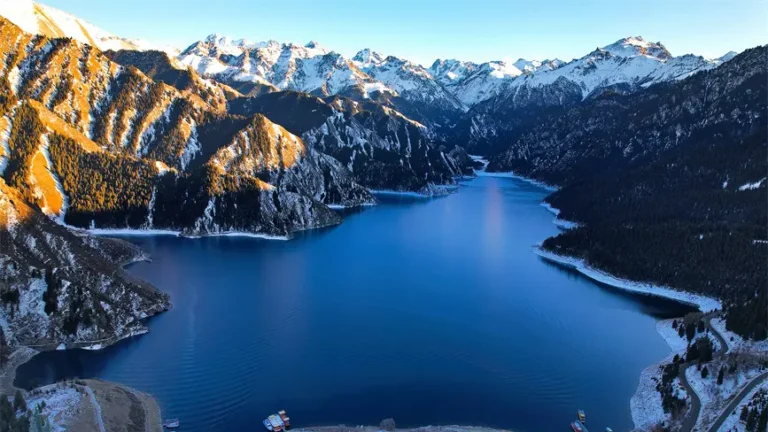
2007-2009: Kanas, Tianshan Tianchi, and Koktokay designated as National 5A-Level Tourist Attractions
2013: The Tianshan Mountains in Xinjiang were successfully inscribed on the UNESCO World Natural Heritage List.
November 2023: The China-Kazakhstan visa-free agreement took effect, facilitating tourism exchanges between the two countries.
October 1, 2025: The revised Regulations of the People’s Republic of China on the Entry and Exit of Foreigners (State Council Decree No. 814) officially took effect, further standardizing the management of foreign stays and residence in China.
3. New Opportunities in 2026
According to data from the Xinjiang Uygur Autonomous Region Department of Culture and Tourism, from January to October 2025, Xinjiang received a cumulative total of 2.1201 million international tourists, generating US$13.485 billion in international tourism revenue. This represents year-on-year increases of 6.06% and 6.55%, respectively. This indicates that Xinjiang is becoming an increasingly popular international tourist destination.
In 2026, Xinjiang will continue implementing the “Measures for Accelerating High-Quality Development of Inbound and Border Tourism,” focusing on optimizing visa clearance, promoting aviation-tourism integration, enriching product offerings, and strengthening overseas promotion to further enhance the international appeal of Xinjiang tourism.
II. Document Requirements: Essential Papers for Entering Xinjiang
1. Basic Documents
Passport: Valid for at least 6 months beyond the planned departure date from Xinjiang, with at least 2 blank visa pages.
Chinese Tourist Visa (L Visa): Most foreign visitors must apply in advance at the Chinese Embassy or Consulate in their home country. Required documents include itinerary plans, hotel reservation confirmations, and proof of funds (mandatory for some nationalities). The visa is typically valid for 3 months with a standard stay period of 30 days.
2. Visa-Free Policy (as of early 2026)
Under the latest policy, citizens of the following countries enjoy visa-free entry:
44 countries: Including France, Germany, Japan, South Korea, etc. Visa-free policy valid until December 31, 2026
Russia: Visa-free policy valid until September 14, 2026
Brunei: Visa-free policy with no time restrictions
Saudi Arabia, Oman, Kuwait, Bahrain: Visa-free policy valid until June 8, 2026
Visa-free stays typically do not exceed 30 days and apply to tourism, business, family visits, and similar purposes.
3. Border Pass (Required for Travel in Border Areas)
If your itinerary involves the following border areas, you must obtain a Border Management Area Pass in advance:
Tashkurgan Tajik Autonomous County (Pamir Plateau)
Baihabah Village (Kanas Scenic Area)
Hengqilap Port
Khorgos Port
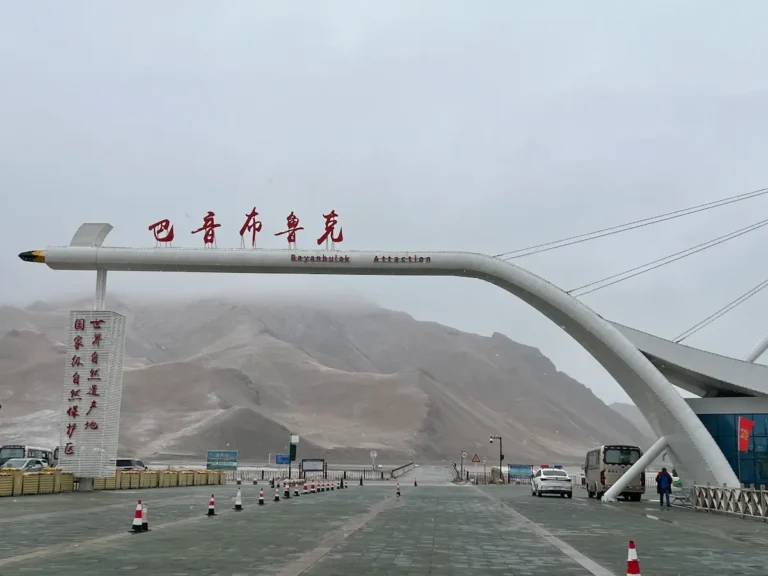
Bayinbulak Section of the Duku Highway
Application Methods:
Through authorized travel agencies (most convenient)
Apply in person at exit-entry administration departments in Urumqi, Kashgar, etc., with original passport and photos
Apply concurrently when obtaining a visa at Chinese embassies/consulates abroad
Processing Time: Typically 1-2 business days.
4. Special Notes for Hong Kong, Macau, and Taiwan Visitors
Hong Kong and Macau Visitors: Valid Hong Kong/Macau Resident Travel Permit to the Mainland (Home Visit Permit) is sufficient; no visa required.
Taiwan Visitors: Must hold a Taiwan Resident Travel Permit to the Mainland (Taiwan Compatriot Permit).
III. Seasonal Guide: Xinjiang’s Best Experiences by Season
1. Spring (March–May): Sea of Flowers and New Beginnings
Best Time: Late March to May
Recommended Destinations:
Yili Turgen Apricot Blossom Valley (Late March–Mid-April): Tens of thousands of acres of wild apricot trees bloom simultaneously, blanketing the valley with a sea of pink and white flowers
Pamir Plateau Apricot Blossom Village (Late March–April): Apricot blossoms bloom amidst snow-capped peaks and stone villages, creating Southern Xinjiang’s most dreamlike spring scene
Sayram Lake (April): The lake surface remains partially frozen, its waters a vivid blue, surrounded by newly awakening grasslands
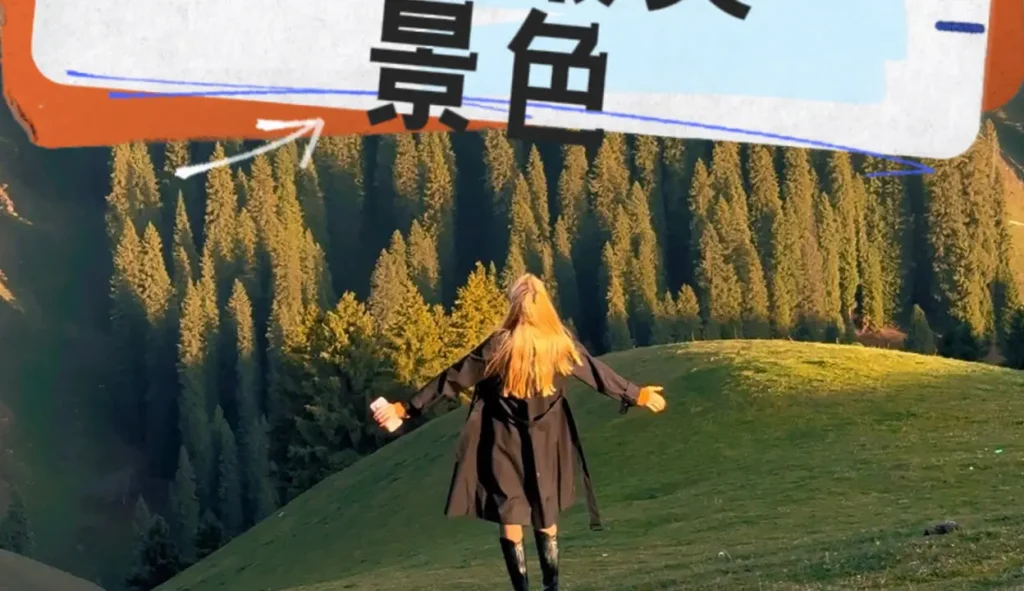
Nalati and Karajun Grasslands (May): The grasslands turn green, dotted with wildflowers, offering comfortable weather
Important Notes:
Blooming periods are highly weather-dependent; allow flexible scheduling.
Temperature swings of over 15°C between day and night—bring warm outerwear.
Mountain roads may not be fully open.
2. Summer (June–August): A Feast of Grasslands and Roads
Best Time: June to August
Recommended Destinations:
Nalati, Kuerdun, and Tangbula Grasslands (June): Wildflowers in full bloom, contrasting vividly with snow-capped peaks yet to fully melt
Duku Highway (June–September): Open only a few months annually, offering “four seasons in one day” with alternating views of snow mountains, gorges, grasslands, and lakes
Sayram Lake, Tianshan Tianchi (July–August): Crystal-clear alpine lakes and cool temperatures make these top choices for summer retreats
Kashgar Old Town (July–August):
Bustling night markets feature grilled buns, lamb skewers, and yogurt ice water as summer staples.
Important Notes:
– Peak travel season—book accommodations at least one month in advance.
– Intense UV rays—sun protection is essential.
– Northern Xinjiang stays cool (20–25°C), while southern regions like Turpan may exceed 40°C during daytime.
3. Autumn (September–October): Golden Fairytale
Best Time: Mid-September to early October
Recommended Destinations:
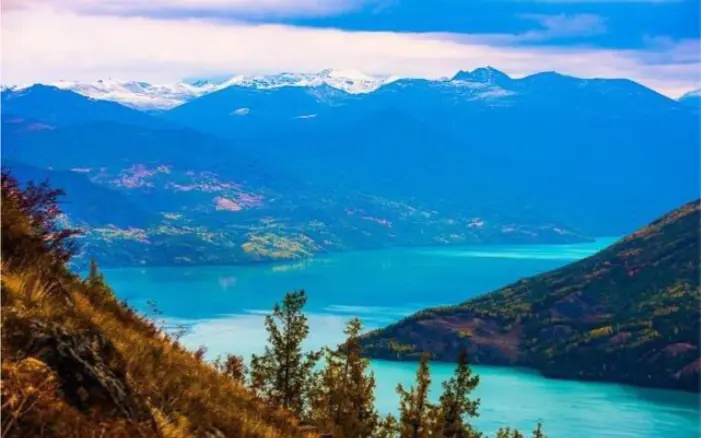
Kanas, Hemu, Baihabah (mid-September–early October): Golden birch forests, morning mist mingling with cooking smoke—a photographer’s dream.
Ocoa Sea Breeze Scenic (September): Azure lakes and layered forests create a hidden gem among autumn landscapes
Luntai, Shaya Poplar Forests (mid-October to November): Golden poplars along the Tarim River form a striking visual contrast with the desert highway
Notes:
Northern Xinjiang is cold in the mornings and evenings, with nighttime temperatures potentially approaching 0°C
Accommodation in Kanas peaks during the golden season, requiring advance booking
4. Winter (November–March): Frozen Wonderland
Best Time: December–February
Recommended Destinations:
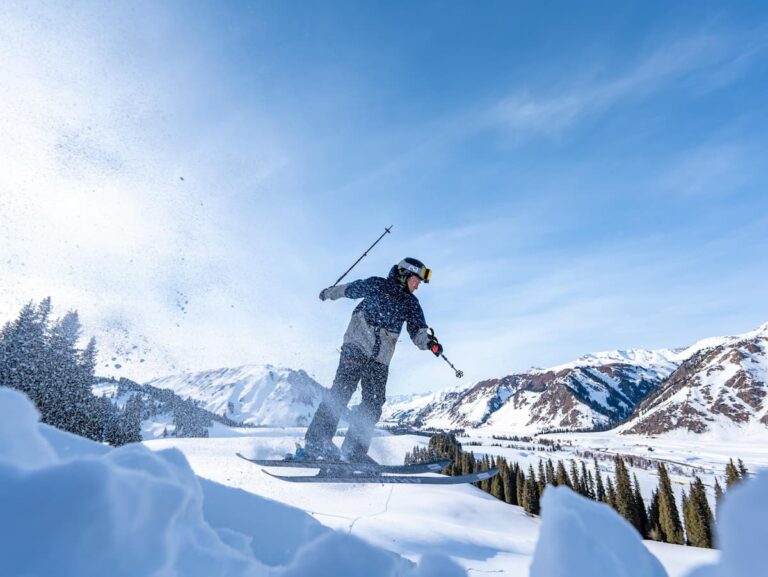
Altay Ski Resort (December–March): General Mountain and Hemu Jikepurin offer powdery snow, ranking among China’s premier ski destinations
Sayram Lake Blue Ice (January–February): The lake freezes completely, creating a spectacular display of blue ice and ice bubbles
Kanas Winter Scenery (December–February): Snow mushroom houses and rime-covered corridors evoke a Nordic fairy tale
Important Notes:
Some mountain roads are closed; verify traffic conditions before traveling
Temperatures can drop to -20°C; professional cold-weather gear is essential
IV. Recommended Routes: Combining Classics with Depth
1. Northern Xinjiang Natural Scenery Loop (8-12 days)
Route: Ürümqi → Tian Shan Tianchi Lake → Keketuohai → Burqin → Kanas → Hemu → Urumqi Devil’s City → Sayram Lake → Yining → Nalati → Duku Highway → Ürümqi
Best Season: June–September (grassland flower seas), September–October (autumn scenery)
Core Experiences:
Kanas Lake: Hailed as a “paradise on earth,” its waters change color with the seasons
Hemu Village Morning Mist: Traditional Tuvan settlement shrouded in autumn mists
Sayram Lake: The “last tear of the Atlantic,” with sapphire-blue waters
Duku Highway: Experience all four seasons in one day—snow-capped peaks in June, vibrant autumn foliage in September
2. In-Depth Cultural Journey through Southern Xinjiang (10-15 days)
Route: Kashgar → Tashkurgan (Pamir Plateau) → Shache → Hotan → Desert Highway → Kuqa → Korla → Turpan
Best Seasons: April–June (avoids sandstorms), September–October (golden poplar forests)
Core Experiences:
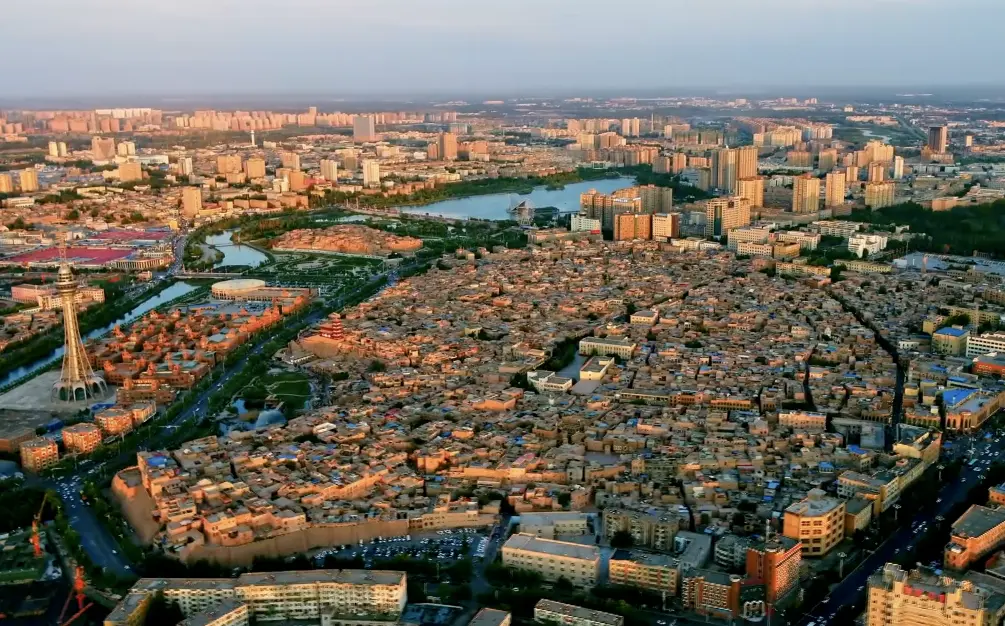
Kashgar Old City: China’s sole labyrinthine urban district showcasing Islamic cultural heritage
Panlong Ancient Road’s 600 Bends: 36 km with over 600 curves; road signs proclaiming “Today you’ve navigated every detour” offer life’s metaphor
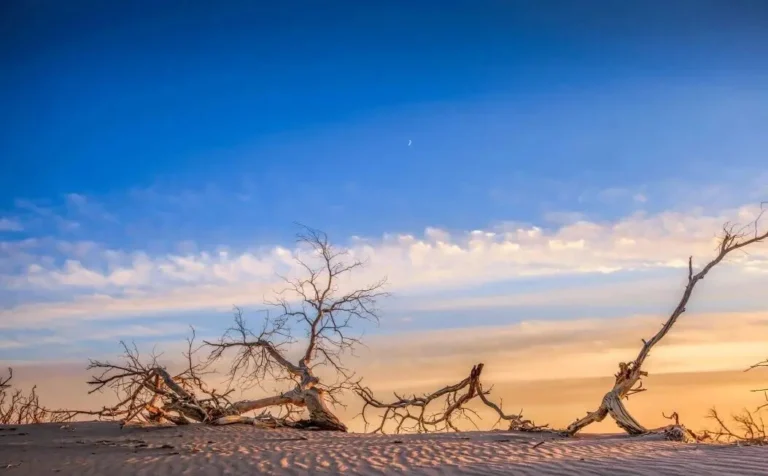
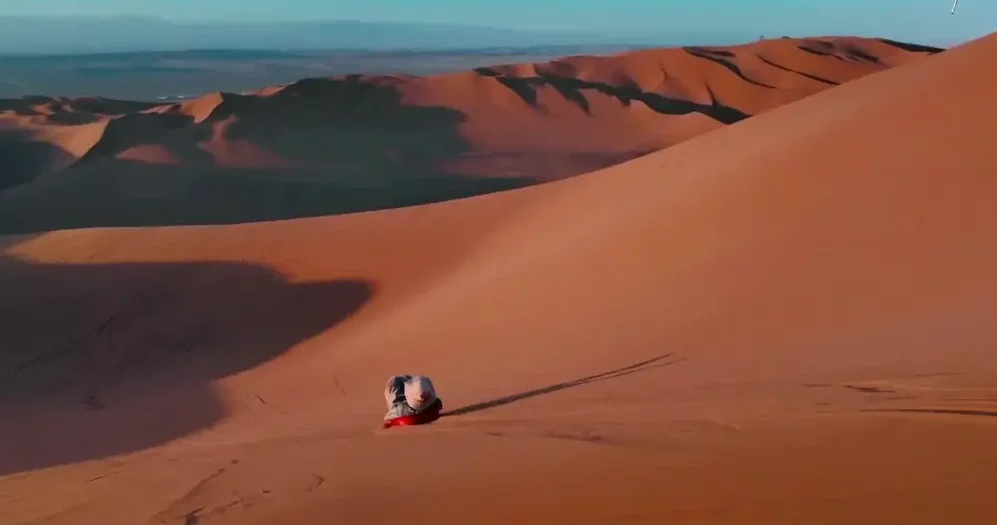
Taklamakan Desert Highway: Traverse the “Sea of Death” amid endless yellow sands where poplar forests stand resilient
Luntai Poplar Forest: Golden in October, a photographer’s paradise
3. Ili Grassland Special Route (6-8 days)
Route: Ürümqi → Sayram Lake → Fruit Valley Bridge → Huocheng Lavender Fields → Zhaosu → Tekes Bagua City → Karajun Grassland → Nalati → Duku Highway
Best Season: June-August (peak grassland blooming period)
Core Experiences:
Huocheng Lavender Fields: A sea of purple blossoms in June
Kara-Jum Grassland: “A carpet of flowers in the sky,” explored on foot or horseback
Nalati Grassland: Windows desktop-worthy pastoral vistas
V. Transportation Information: From International Arrivals to Scenic Areas
1. International Arrivals
Major Air Hubs:
Urumqi Diwopu International Airport: Xinjiang’s largest aviation hub, connecting major domestic and international cities
Kashgar Airport: Key aviation gateway in Southern Xinjiang
International Routes: By early 2026, Urumqi Airport plans to operate 17 routes to 14 countries/regions including Kazakhstan, Uzbekistan, Azerbaijan, Georgia, Kyrgyzstan, Armenia, Turkey, Russia, UAE, Belarus, Pakistan, Tajikistan, Turkmenistan, and Hong Kong, China.
2. Regional Transportation
Chartered/Shared Vehicles: Given Xinjiang’s vast expanse and dispersed attractions, chartered vehicles offer convenient travel. Itineraries can be customized to individual needs with flexible scheduling.
Trains: Xinjiang boasts a well-developed railway network. The high-speed rail journey from Urumqi to Kashgar takes approximately 5 hours.
Long-Distance Bus: Connects major cities and scenic areas, though travel times are lengthy.
3. Scenic Area Transportation
Shuttle Buses: Most scenic areas (e.g., Kanas, Tianshan Tianchi, Keketuohai) require shuttle buses to access core zones.
Self-Drive Restrictions: Some areas (e.g., Nalati) permit private vehicles, but require purchasing special permits with specific conditions.
VI. Accommodation and Dining: Special Notes for Foreign Tourists
1. Accommodation Options
Foreign-friendly Hotels: The number of hotels in Xinjiang capable of accommodating foreign tourists is limited. It is recommended to book foreign-friendly hotels in advance. Generally, three-, four-, and five-star hotels possess foreign-friendly qualifications.
Booking Recommendations:
Book through authorized travel agencies to ensure hotels possess foreign guest reception qualifications.
Avoid booking non-foreign-friendly hotels to prevent accommodation issues.
During peak season (July-October), book at least one month in advance.
2. Dining Experience
Xinjiang Specialties:
Grilled Lamb Skewers: Crispy exterior, tender interior, with an enticing aroma.
Hand-pulled rice: Grains perfectly separated, infused with lamb’s savory essence
Big plate chicken: Tender chicken, soft potatoes, rich gravy
Grilled buns: Crispy crust, juicy filling—a Kashgar Old City specialty
Dietary Notes:
Xinjiang primarily follows halal dietary practices; please respect Islamic dietary restrictions
Limited dining options in remote areas—consider bringing snacks
Prioritize food hygiene to prevent digestive issues
VII. Cultural Etiquette and Safety Tips
1. Cultural Respect
Ethnic Customs:
When entering mosques, dress modestly and remove shoes as required.
Avoid consuming alcohol, pork, or discussing related topics in public spaces.
Obtain prior consent before photographing local residents, religious sites, or ethnic customs.
Language Communication:
Mandarin is widely used in cities and tourist areas.
Remote ethnic minority regions may primarily use local languages.
Download multilingual translation apps (e.g., WeChat Translate, Baidu Translate) in advance.
2. Safety Regulations
Obey Local Laws:
Refrain from participating in any illegal activities.
Do not fly drones without official authorization.
Photographing military facilities, border checkpoints, and other sensitive areas is prohibited.
Security Checks:
Xinjiang implements comprehensive security measures. Security screenings are conducted at airports, train stations, bus terminals, and scenic area entrances.
Cooperate patiently with inspections to avoid delays.
Restricted Areas:
Certain border regions and military zones are off-limits to foreign tourists.
Verify destination accessibility beforehand through the Xinjiang Tourism Bureau or authorized travel agencies.
3. Emergency Response
Emergency Contacts:
Police: 110
Medical Emergency: 120
Fire Emergency: 119
Tourism Complaints: 12301
Embassy/Consulate Contact: Keep contact information for your home country’s embassy or consulate in China readily available to seek assistance in emergencies.
VIII. Practical Tips and Frequently Asked Questions
1. Currency and Payments
Mobile Payments: WeChat Pay and Alipay are widely accepted in Xinjiang, covering restaurants, hotels, tourist attractions, and small shops.
Cash Preparation: Cash (RMB) may be required in remote rural areas and at small vendors. It is recommended to carry 1,000-2,000 RMB.
2. Time Difference and Daily Routine
Time Zone: Xinjiang operates on Beijing Time (UTC+8).
Local Routine: Daily schedules run approximately 2 hours later than eastern China. Breakfast is typically 8:00–9:00, lunch 14:00–15:00, and dinner 20:00–21:00.
3. Internet & Communication
Network Coverage: Stable connectivity in most cities and tourist sites, but weaker signals in remote areas (e.g., grasslands, mountains).
International Websites: Some international websites and social media platforms may be restricted within China. If needed, use a VPN service compliant with Chinese laws and regulations.
4. Frequently Asked Questions
Q: When is the best time to visit Xinjiang in 2026?
A: The optimal period is June–September (Northern Xinjiang) or April–June and September–October (Southern Xinjiang).
Q: Can Xinjiang be visited year-round?
A: Yes, but many attractions close in winter. Suitable for snow enthusiasts but not ideal for general tourism.
Q: Is Xinjiang very hot in summer?
A: Northern Xinjiang remains mild (20-25°C), while southern regions like Turpan experience extreme heat (potentially exceeding 40°C).
Q: When should I visit Xinjiang for its flower seasons?
A: Apricot blossoms: March-April; Lavender: June; Grassland blooms: June-July.
Q: When is Kanas most beautiful?
A: Mid-September to early October marks the peak of the legendary “Golden Kanas” season.
Xinjiang, a land where natural wonders, diverse cultures, and ancient history converge, is embracing travelers from around the world with greater openness and hospitality. By 2026, with ongoing policy improvements and enhanced infrastructure, international visitors will enjoy more convenient and immersive access to Xinjiang’s captivating attractions.
No matter the season you choose to visit, whether you favor natural landscapes or cultural experiences, Xinjiang will meet your expectations. From the lakes and mountains of Kanas to the ancient city charm of Kashgar, from the flower-filled grasslands of Ili to the majestic snow-capped peaks of the Pamirs, every vista tells a unique story of this remarkable land.