Xinjiang Duku Highway Self-Drive Guide: A Scenic Route Spanning the Spine of the Tianshan Mountains
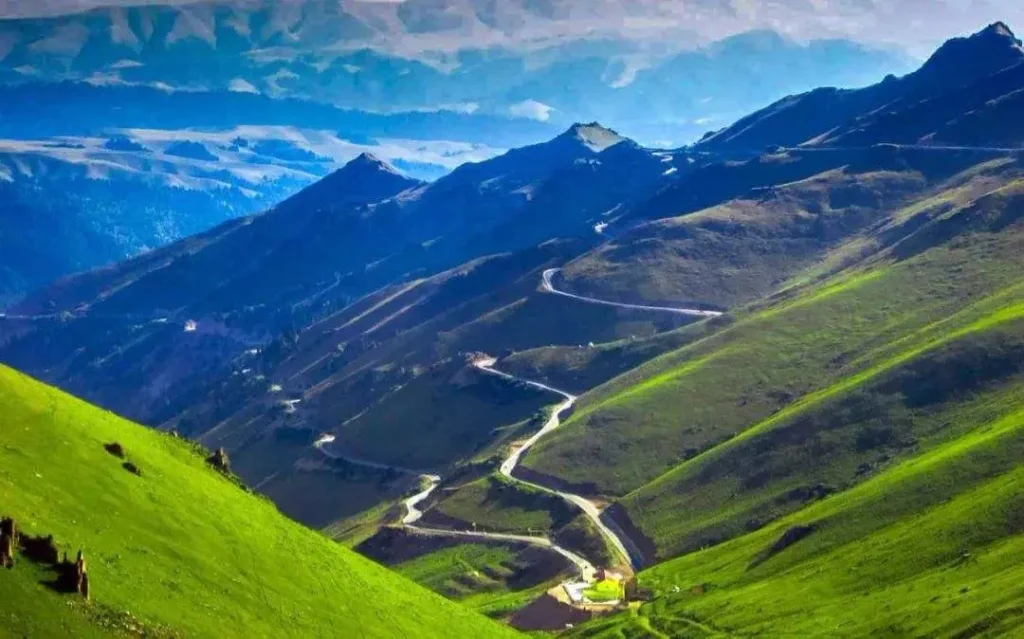
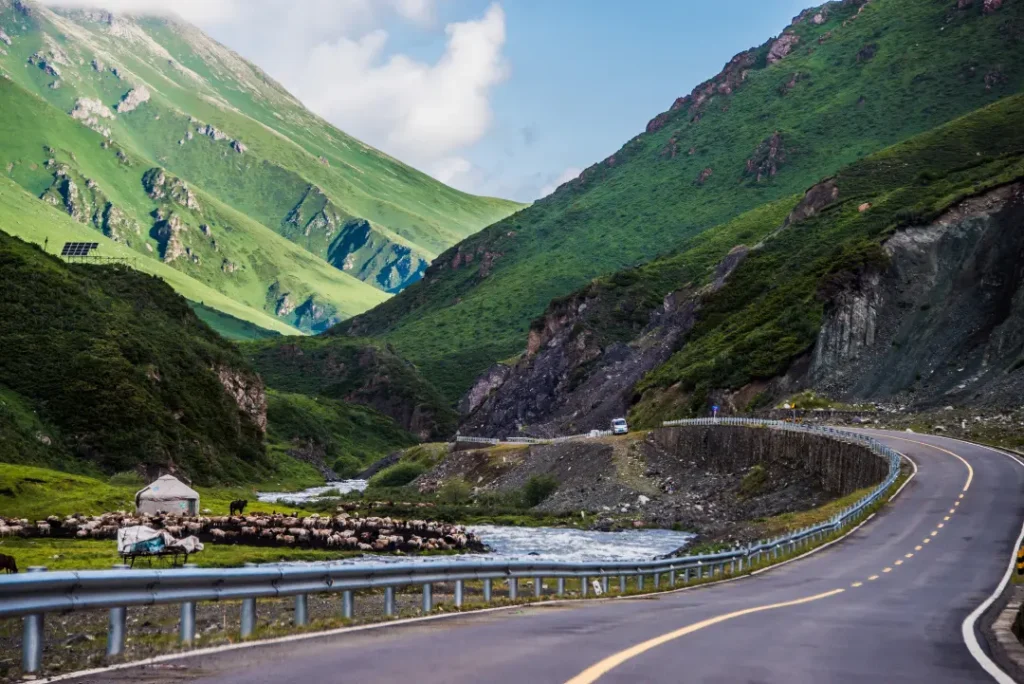
In China’s Xinjiang region lies the Duku Highway, hailed as “a scenic route traversing the backbone of the Tianshan Mountains.” This 561-kilometer road, open for only 4 to 5 months annually, encapsulates 80% of Xinjiang’s most spectacular landscapes. It stands as a “must-drive road in a lifetime” for self-driving enthusiasts.
The Duku Highway stretches from Dushanzi District in Karamay City in the north to Kuche City in Aksu Prefecture in the south, traversing the Tianshan Mountains and connecting the grasslands of Northern Xinjiang with the Gobi Desert of Southern Xinjiang. This road is not merely a transportation artery but a moving geography textbook—from snow-capped mountain passes to seas of wildflowers on the grasslands, from Danxia landforms in canyons to lakes and wetlands, every kilometer reveals a strikingly different natural landscape. For foreign travelers planning a road trip in 2026, Xinjiang Duku Highway Self-Drive offers the ultimate way to explore this magical land.
I. Essential Information: Must-Knows Before Departure
1. Road Opening Period and Seasonal Restrictions
According to the official announcement from the Xinjiang Uygur Autonomous Region Department of Transportation, the Duku Highway officially opened on May 31, 2025, with a planned closure date of October 10. This indicates that the optimal time window for self-driving on the Duku Highway in 2026 is expected to be from June to early October.
Seasonal Highlights:
June: Early grassland greening and wildflower blooms with relatively fewer tourists
July–August: Peak tourist season with grassland flower fields at their zenith, though accommodations are tight
September: Emerging autumn scenery as northern Xinjiang’s forests begin to change color, with pleasant weather
Early October: Golden poplar forests in southern Xinjiang, though northern sections may close early due to snowfall
2. Traffic Regulations and Vehicle Restrictions
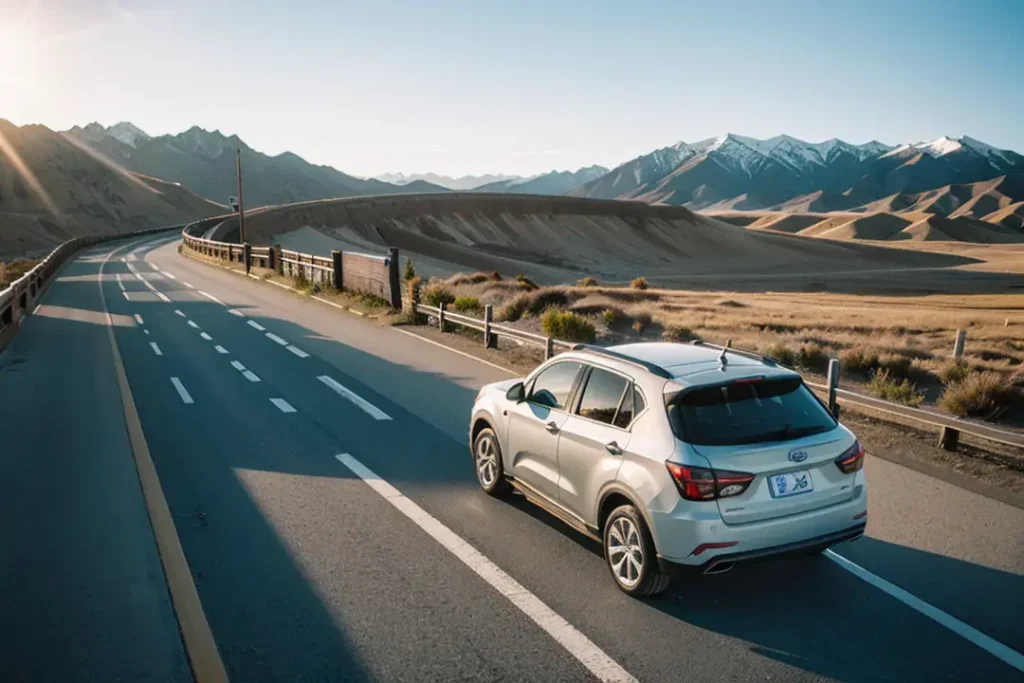
Vehicle Restrictions: Only passenger vehicles with 7 seats or fewer are permitted (including SUVs, off-road vehicles, and motorhomes). Motorhomes must not exceed 4.5 meters in height; trailer motorhomes are prohibited.
Speed Limits: Mobile speed cameras are in operation throughout the route. Mountainous sections have speed limits of 40-60 km/h, while some flat, non-mountainous sections have a maximum speed of 80 km/h.
Nighttime Restrictions: No traffic permitted daily from 8:00 PM to 9:00 AM (excluding the Nalati to Bayinbuluke section).
Toll Information: The Duku Highway itself is toll-free. A toll station is located approximately 10 kilometers from Kuche City, charging around 20 yuan.
II. Detailed Route Segments: North, Central, and South Sections Each Offer Unique Features
1. North Section: Dushanzi → Qiemo → Nalati (Approx. 230 km)
Driving Time: Approx. 5-6 hours (Mountainous terrain requires cautious driving)
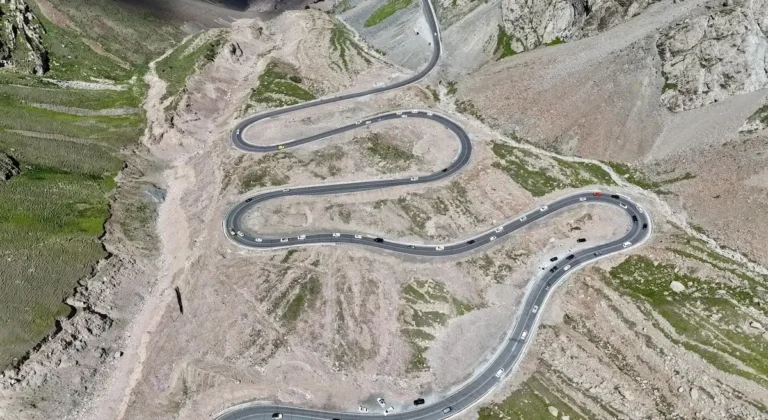
Road Conditions: The northern section experiences the most severe geological hazards along the Duku Highway, featuring numerous sharp curves and steep slopes, with one-third of the route bordering cliffs. Annual opening dates primarily depend on snow clearance progress in this section.
Must-Visit Attractions:
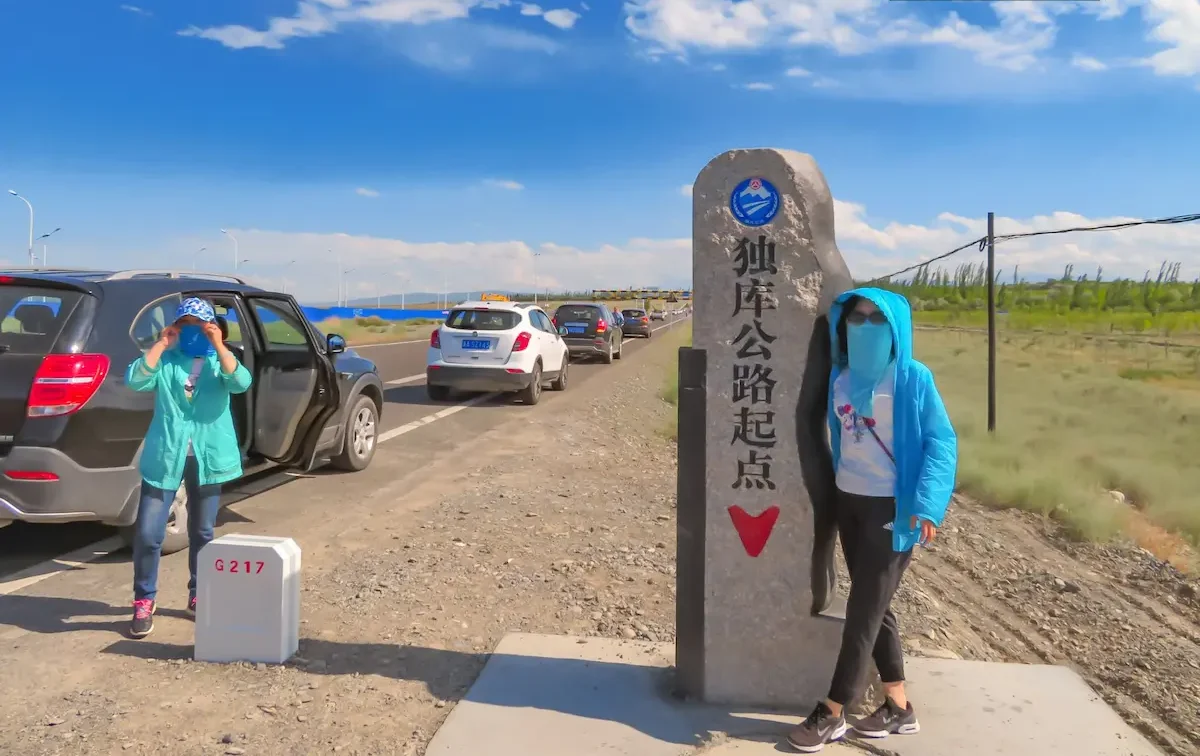
Dushanzi Grand Canyon: Landmark marking the start of the Duku Highway and filming location for the movie “Driving Life.” A breathtaking canyon landscape carved by millennia of flowing water, featuring cliffside walkways and a glass bridge.
Tianpu Waterfall: A glacial waterfall beside the winding mountain road. With abundant water flow in summer, the classic photo spot captures the road bend framed by the cascading falls.
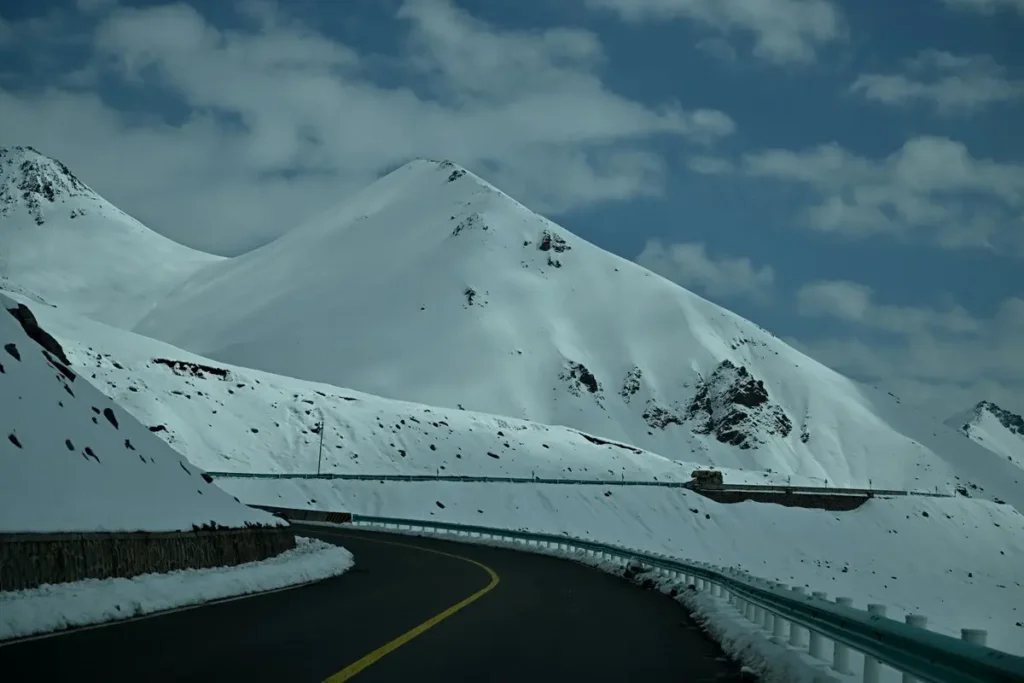
Hashilegen Pass: At 3,390 meters (11,090 ft), snow walls persist through June-July. The snow-proof corridor is an iconic photo spot. Be mindful of altitude sickness; carrying an oxygen tank is recommended.
Qiemo Martyrs’ Cemetery: Pay tribute to the 168 road construction heroes who sacrificed their lives building the Duku Highway, with an average age under 22.
Recommended Detour: North from Qiemo leads to the Tangbula Hundred-Mile Gallery—a free hidden grassland paradise where Fairy Lake, snow-capped peaks, and streams intertwine. Horseback riding costs around ¥50/hour.
2. Middle Section: Nalati → Bayinbuluke (approx. 60 km)
Driving Time: Approx. 1.5 hours
Road Conditions: Relatively flat terrain. Scenery transitions from rugged to picturesque between Nalati Kilometer Zero and Bayinbuluke.
Must-Stop Attractions:
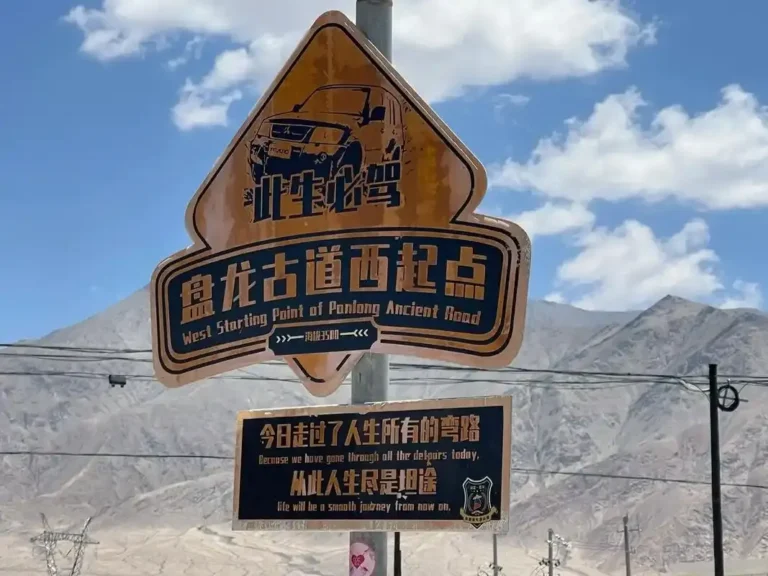
Nalati Grassland: One of the world’s four great grasslands, divided into three major areas: Sky Grassland, River Valley Grassland, and Panlong Valley. From June to August, a green carpet blankets the land, with wildflowers framed against snow-capped mountains.
Gongnasi River Valley: A tapestry of forests, streams, and grasslands. Wildflowers bloom profusely in summer, making it a paradise for photography enthusiasts.
Bayinbuluke Grassland: China’s second-largest grassland, renowned for Swan Lake and the sunset over the “Nine Bends and Eighteen Turns.” At dusk, witness the extraordinary reflection of “nine suns.”
Photography Tip: The prime sunset shooting window at Bayinbuluke begins after 9:00 PM. Secure your spot early and bring a telephoto lens.
3. Southern Section: Bayinbuluke → Kuqa (approx. 270 km)
Driving Time: Approx. 5-6 hours
Road Conditions: Gradually transitions from grassland wetlands to arid red mountains. The landscape dramatically changes after crossing the Tiemaiti Pass (3,200 m elevation).
Must-Stop Attractions:
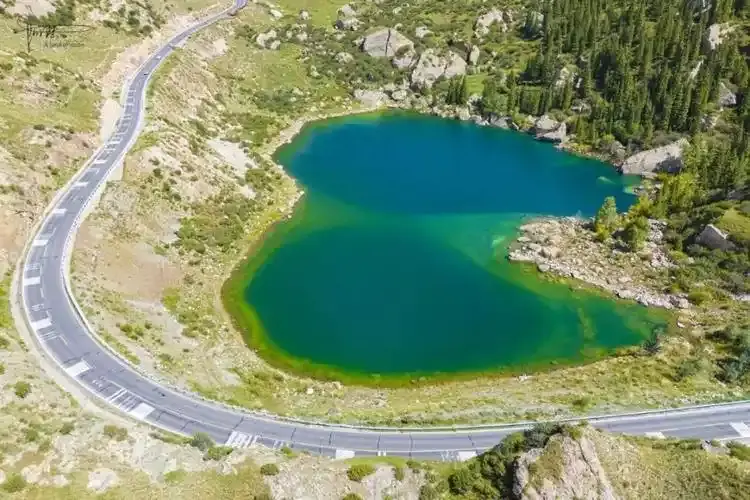
Big and Small Dragon Pools: Two alpine lakes deep within the Tianshan Mountains, fed by snowmelt. Their expansive, crystal-clear waters offer free parking for photographing reflections.
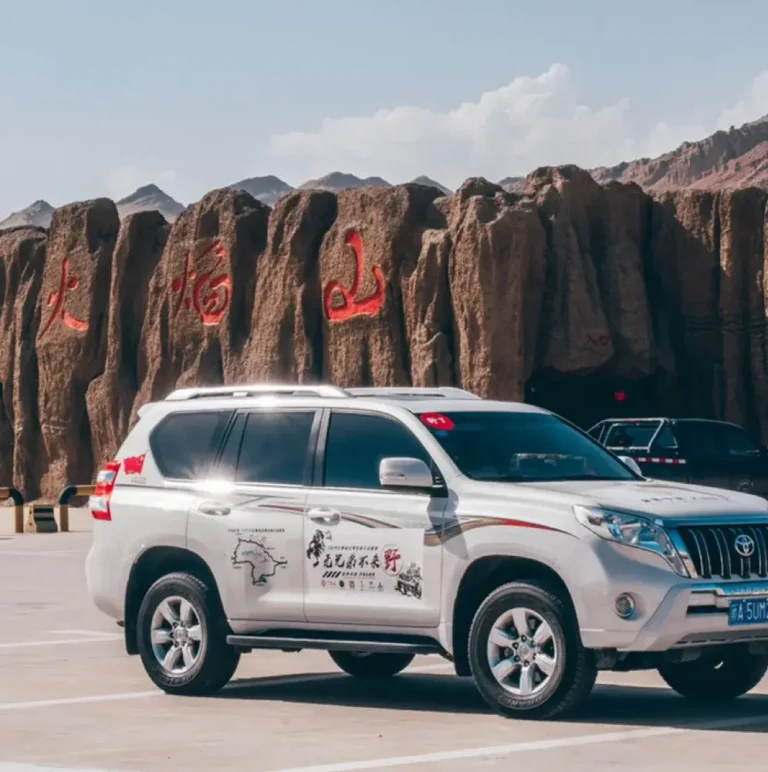
Mysterious Grand Canyon of Tianshan: Red-brown Yadan landforms. Hike to experience the “Flame Mountain” spectacle. Noon light creates the “Skyline” effect.
Kuche Old Town: The terminus of the Duku Highway, offering immersion in Kucha culture and the chance to savor Kuche naan.
Cultural Experience: Kuche, the ancient capital of the Kingdom of Kucha, features the Kizil Thousand Buddha Caves (a Silk Road cultural heritage site).
III. Essential Travel Guide: Ensuring a Smooth Self-Drive Experience on the Duku Highway
1. Gas Station Locations (6 Key Points)
Gas stations along the Duku Highway are limited. Refuel completely when fuel level drops below 1/3:
Dushanzi: Starting point gas station. Recommended to fill up (offers 92/95/98/0 octane).
Qiemo: Small gas station at km 694 on National Highway 217 (95/98/0 octane)
Nalati Town: Numerous gas stations near scenic areas
Bayinbuluke: Gas stations within town
Ketaikelik: Near Tianshan Mysterious Grand Canyon
Kuche City: Multiple gas stations in urban area; convenient electronic payments
Important Note: No gas stations between Qiemo and Bayinbuluke. Refuel fully at Nalati!
2. Charging Station Distribution (Essential for EVs)
Limited charging stations along the Duku Highway; pure electric vehicles are not recommended:
Dushanzi Zero Kilometer Marker: Refuel fully at the starting point
Maoliugou Service Area: Newly added in 2024
Nalati Service Area: Crowded, likely queues
Bayinbuluke Self-Drive Campground: Multiple charging stations
Kuche City Center: Multiple charging stations
Reality Check: Stations range from 10 to just 2-3, not all fast-charging, and crucially—you often can’t get a spot.
3. Restroom Locations
Permanent restrooms: Dushanzi, Qiemo Martyrs’ Cemetery, Nalati Visitor Center, Bayinbuluke Scenic Area, Kucha Grand Canyon entrance.
Temporary restrooms: Basic facilities at select viewpoints (e.g., Tianpu Waterfall, Haxilegen Pass), with rudimentary conditions.
Recommendation: Bring your own tissues and disinfectant wipes. In some areas, you may borrow from local herders.
4. Accommodation Recommendations & Price Reference
Budget Options:
Camping Area near Qiemo Military Post: Free, with electricity and water access (camping permitted)
Nalati Town Homestays: Clean and affordable, friendly to roommates, approx. ¥110/night
Government-designated self-drive campground: Secure and reliable, approx. 60 RMB/night
Comfortable Options:
Nalati Xinyi Self-Drive Campground: Well-equipped facilities, convenient location
Bayinbuluke Town Hotels: Higher peak season rates, advance booking required
Peak Season Note: Accommodation prices in Nalati and Bayinbuluke may double during July-August. Book at least one month in advance.
5. Food Map
Must-Try Along the Way:
Dushanzi: Tamarisk-grilled meat, large-plate chicken with belt noodles
Nalati: Wild mushroom noodles, wild onion scrambled eggs, Kazakh hand-pulled meat (¥80/kg)
Bayinbuluke: Black-headed sheep hand-pulled meat, lamb pilaf, mare’s milk wine (warmth-inducing)
Kuche: Intangible Heritage large naan (¥2/piece), naan pit-roasted meat, grilled buns (¥5/piece, bursting with juice)
Money-saving tip: Food prices inside scenic areas are 30-50% higher than outside. Bring your own snacks or dine in town centers.
IV. Cost Estimate: How Much Does a Self-Drive Trip on the Duku Highway Cost?
1. Budget Option (4 Days, 3 Nights)
Transportation: Car rental 800 RMB/day × 4 days = 3200 RMB (split between two people, 1600 RMB per person)
Fuel: Total distance approx. 560 km, fuel consumption 10L/100km, fuel cost approx. 500 RMB
Accommodation: Homestay 150 RMB/night × 3 nights = 450 RMB/person
Meals: 100 RMB/day × 4 days = 400 RMB/person
Admission: Nalati Grassland 162 RMB + Bayinbuluke 125 RMB = 287 RMB/person
Miscellaneous: Insurance, snacks, etc. 200 RMB/person
Total: Approx. 2,937 RMB/person
2. Comfort Budget (4 Days/3 Nights Small Group Tour)
Small group tour fee: Includes transportation, accommodation, and partial meals, approx. ¥6,800–8,800/person
Included: Full-time business van, 4 nights in heated accommodations, 3-day ski pass, basic instruction
Special experiences: Includes traditional yurt hotpot, hand-pulled meat, and other specialty meals
3. Money-Saving Tips
Off-Season Travel: June or September offer fewer crowds and stunning scenery, with accommodation prices 40% lower than peak season
Carpool Cost-Splitting: Pooling rides with 4-5 people reduces per-person transportation costs by 60%
Bring Your Own Snacks: Stock up on snacks and thermoses for the road to handle limited dining options in mountain areas
Select Attractions: Skip every paid attraction—some landscapes are best viewed from afar
V. Safety Tips and Precautions
1. Driving Safety
No overtaking on curves: Mountain roads feature numerous sharp bends; overtaking on curves is strictly prohibited.
Yield to livestock: Herders frequently move their flocks; if encountering sheep, turn off the engine and wait (compensation for collision with sheep ≥ ¥1,500 per animal).
Rockfall Zones: Areas like Tiger’s Mouth are prone to falling rocks. Pass quickly and honk your horn.
Tire Pressure Monitoring: Altitude changes can cause abnormal tire pressure. Carry an air pump.
2. Weather Preparedness
Four Seasons in One Day: Mountain weather is highly variable. Snow can fall suddenly even in June. Carry snow chains.
Heavy Rain Alerts: Flash floods common June-August. Abandon vehicle and evacuate if water level exceeds one-third tire height.
Sun Protection & Cold Weather: Extreme UV exposure (SPF 50+ sunscreen required). Day-night temperature swings up to 25°C.
3. Document Preparation
Essential Documents: Original ID card, driver’s license, vehicle registration certificate.
Border Pass: Required for Kucha section (apply at local public security bureau).
Drone Registration: Must be pre-registered via the “Xinjiang Public Security” app
4. Environmental Guidelines
Leave No Trace: Carry all trash back to towns for disposal (no trash bins at service areas)
Protect Ecology: Do not pick protected plants like snow lotus; avoid trampling grasslands (violators fined 500 yuan)
Respect Culture: Obtain consent before photographing ethnic minorities; do not enter yurts without permission
5. Communication Preparation
Offline Maps: No signal in parts of Qiemo and Bayinbuluke; download offline maps beforehand
Emergency Communication: Carry satellite phone (438.000MHz off-road universal frequency)
Cash Preparation: Some mountain shops accept cash only; bring 1000-2000 RMB
VI. Best Photography Spots and Techniques
1. Golden Shooting Hours
Dawn: Nalati Morning Mist (7:00-8:30), soft light with misty haze
Dusk: Bayinbuluke Sunset (after 21:00), “Nine Suns” reflection spectacle
Stargazing: Jiemalai with zero light pollution—use tripod + long exposure for Milky Way shots
2. Must-Shoot Scenes
Dushansi Grand Canyon: Cliffside “Dushansi Grand Canyon” sign, showcasing billion-year geological wonders
Hashilegen Pass: Snow wall highway + snow-capped mountain backdrop, perfect for summer snow play scenes
Nalati Sky Meadow: Aerial shots of the viral bridge, capturing grasslands and snow-capped mountains in one frame
Kuche Grand Canyon: Red rock walls + narrow-sky light patterns, best at midday
3. Equipment Recommendations
Drone: Ideal for aerial shots along the Duku Highway, but no-fly zones near checkpoints
Telephoto Lens: 200mm+ focal length required for Bayinbuluke sunset shots
Polarizing Filter: Reduces water reflections for clearer lake imagery
Spare Batteries: High-altitude drains power quickly—bring 2-3 extra batteries
A 2026 self-drive journey along Xinjiang’s Duku Highway is not merely a geographical odyssey but a profound spiritual awakening. From the breathtaking canyon vistas of Dushanzi to the grassland sunsets over Bayinbuluke, from the summer snow walls at Haxilegen Pass to the crimson Danxia landscapes of Kucha Grand Canyon—each scene narrates the awe-inspiring tales of the Tianshan Mountains’ northern and southern realms.
Tips for Foreigners Driving the Duku Highway in Xinjiang:
Best Time: Late June to August for stable weather; September for stunning autumn scenery
Vehicle Choice: SUVs or off-road vehicles are ideal. Inspect vehicle condition, especially brakes and tires.
Itinerary Planning: Allow at least 3-4 days, limiting daily driving to no more than 6 hours.
Accommodation Booking: Reserve 1 month in advance during peak season; camping is an option during off-peak periods.
Safety First: Obey traffic rules, monitor weather changes, and purchase travel insurance.
Eco-Friendly Travel: Carry out all trash to protect the fragile alpine ecosystem.
Pack your bags, check your vehicle, and bring a sense of reverence for nature—let the Duku Highway road trip become your most unforgettable travel memory of 2026. This “Road of Heroes,” forged with the lives of 168 road-building heroes, awaits every traveler who truly appreciates its grandeur.