South Xinjiang Tourism: An Immersive Journey Through Time and Space
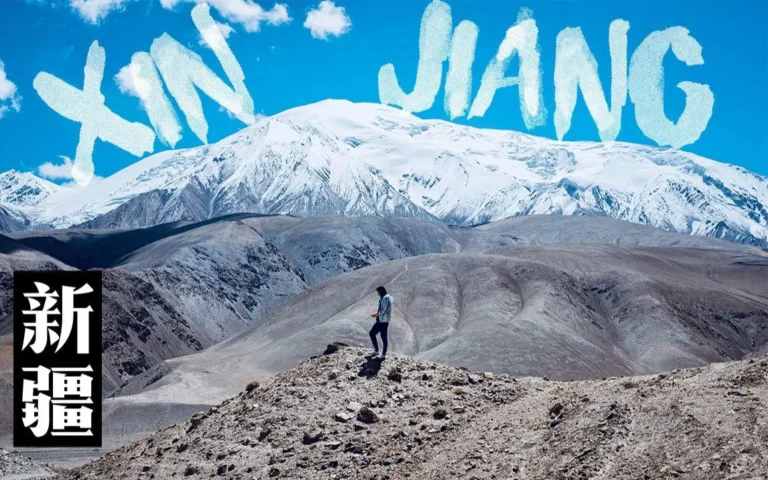
When planning a journey that allows you to touch upon millennia of history, marvel at natural wonders, immerse yourself in unique cultures, and savour authentic flavours, a trip to Southern Xinjiang is undoubtedly your ultimate destination. This vast expanse, situated in the southern part of China’s Xinjiang region, lies at the heart of the Silk Road, awaiting to unfold before you a panorama beyond imagination.
A journey through Southern Xinjiang is a feast for both the senses and the soul. Here, you’ll find no overdeveloped commercialism, only well-preserved ancient cities, some of the planet’s most spectacular geological wonders, hospitable ethnic groups renowned for their song and dance, and Western Region cuisine that lingers on the palate. For foreign travellers seeking profound experiences and cultural immersion, a journey through Southern Xinjiang offers an unparalleled opportunity to venture beyond conventional tourist routes and discover the most authentic and captivating facets of Asia’s heartland.
1. Why choose a trip to Southern Xinjiang? Four core experiences that are simply unrivalled.
1. Living Silk Road History
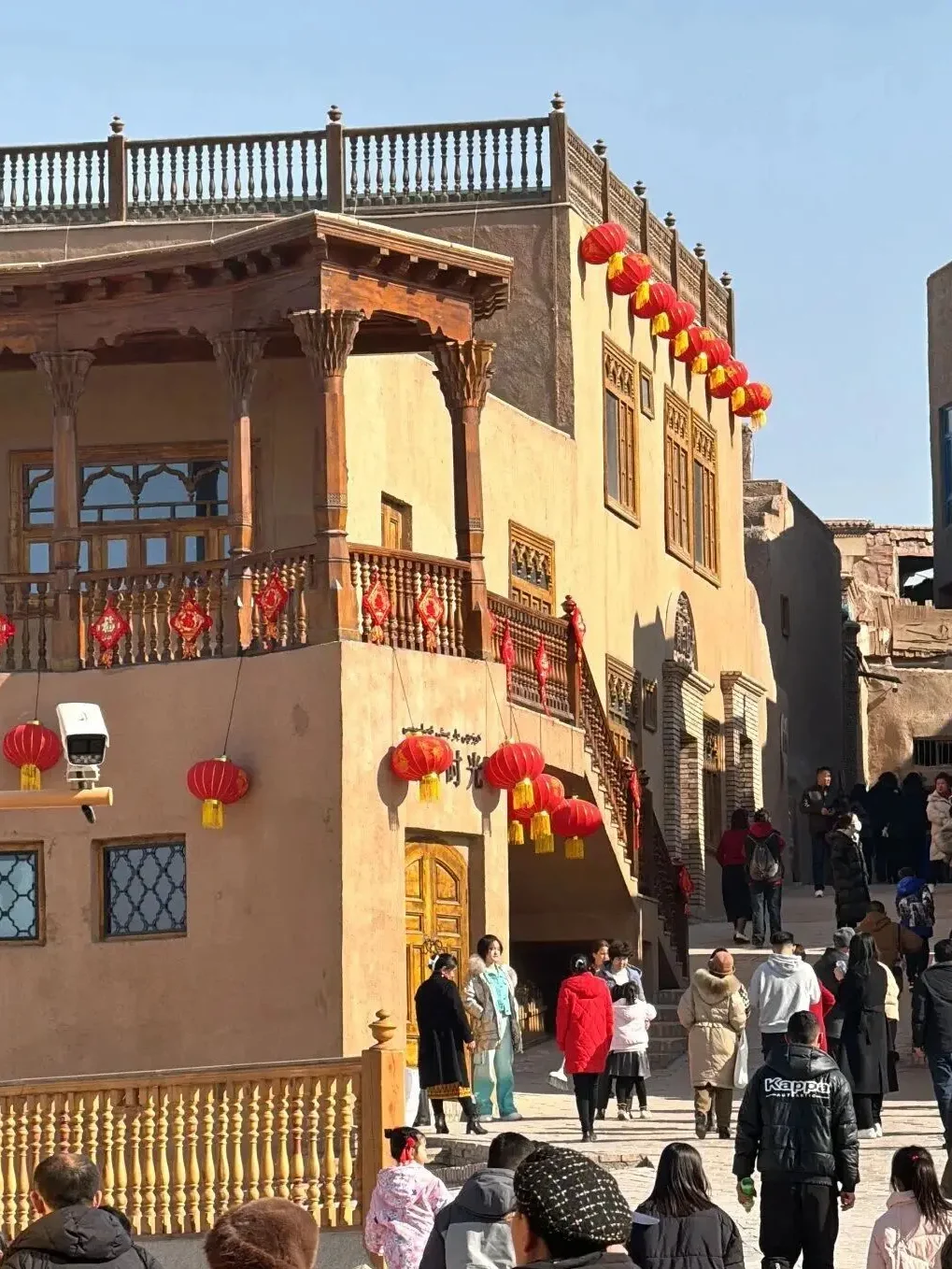
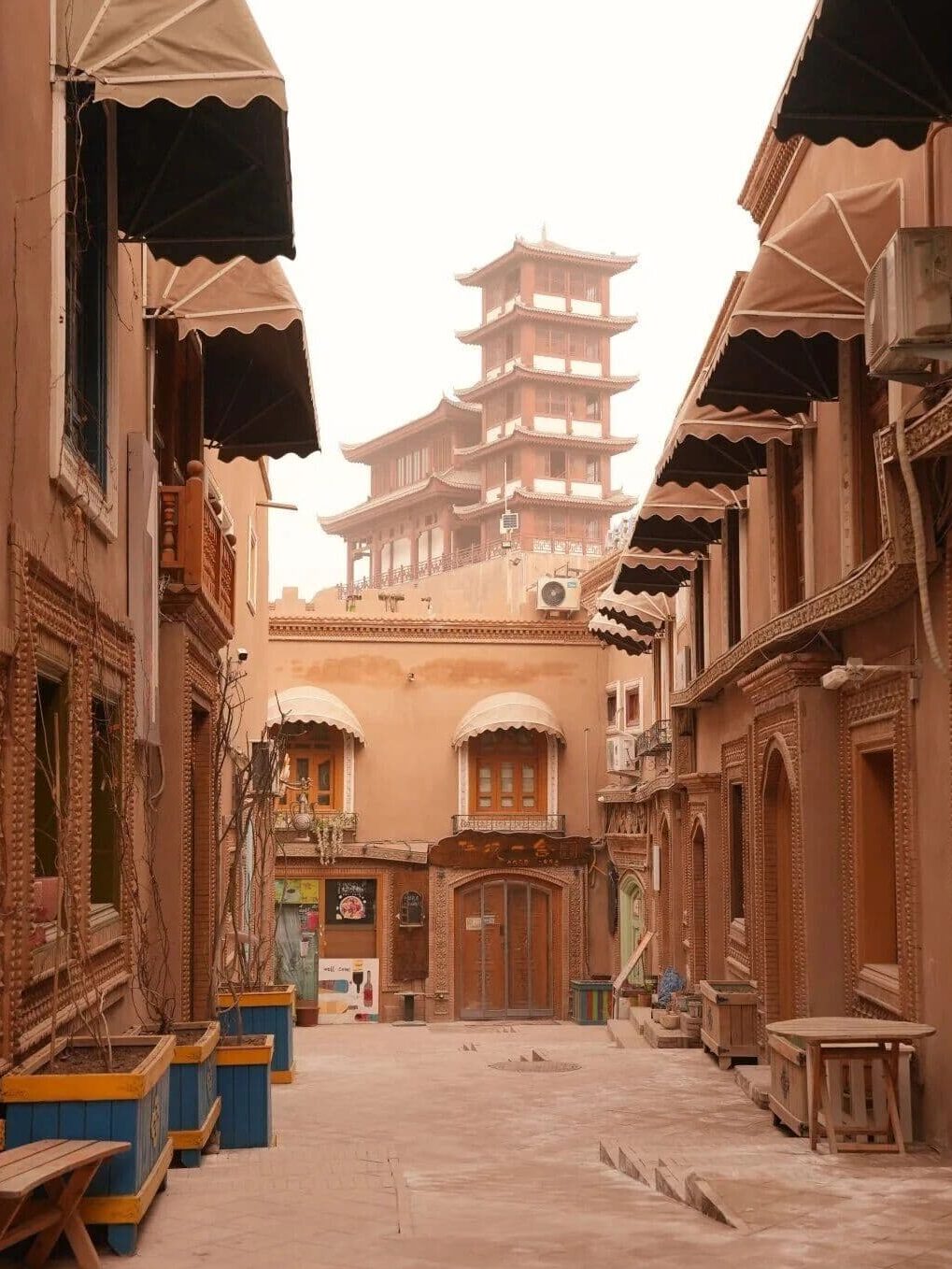
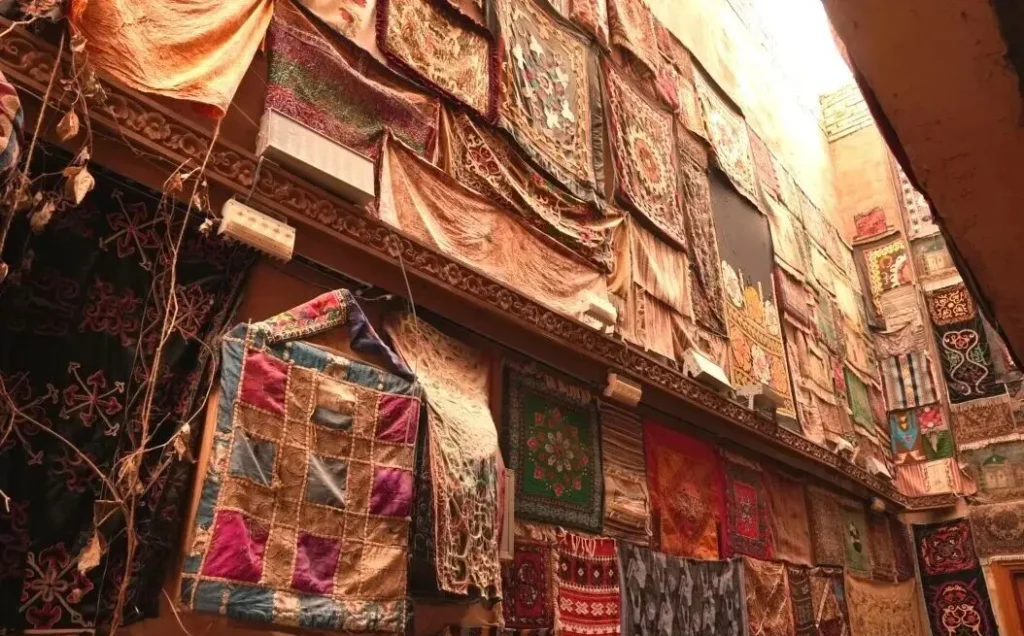
Travelling through Southern Xinjiang, you are not visiting a museum but walking through living history. The Old City of Kashgar, with its labyrinthine streets, earth-toned adobe buildings and bustling bazaars, seems frozen in time, spanning over two millennia. Witness traditional artisans at work, sip tea alongside locals in century-old teahouses, and feel the enduring vitality of ancient caravan stations.
2. Nature’s Most Diverse Spectacle
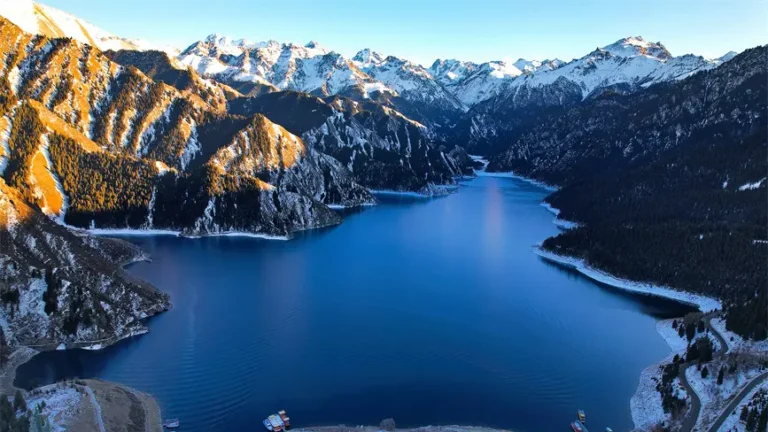
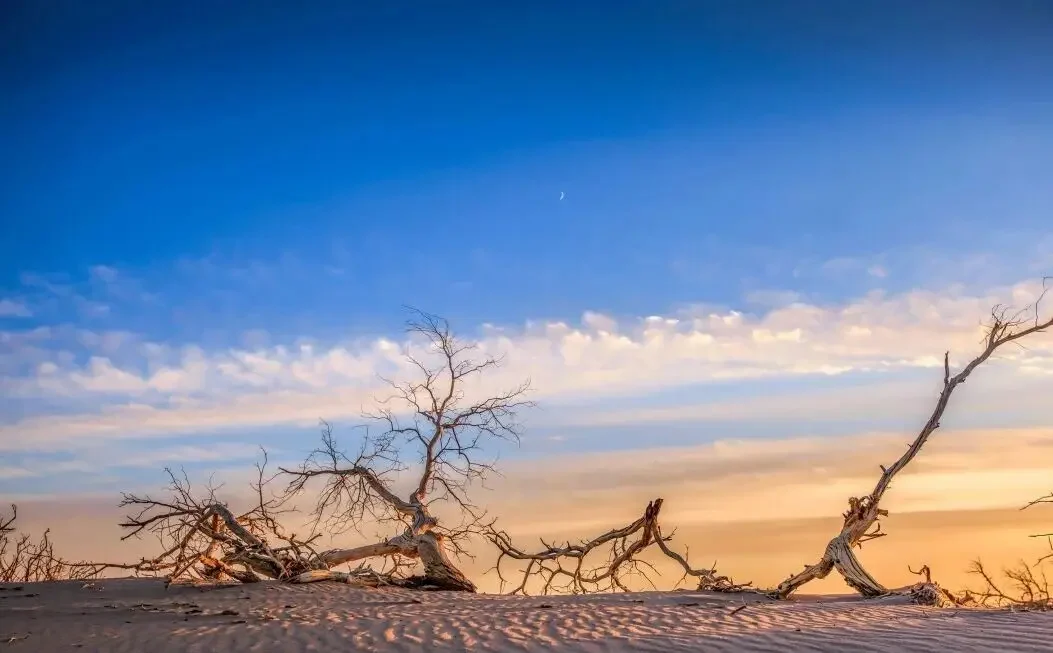
A journey through Southern Xinjiang reveals Earth’s most extreme natural contrasts. Within a single day, you may traverse from the boundless sands of the Taklamakan Desert—the world’s second-largest shifting desert—to the majestic snow-capped peaks of the Pamir Plateau. The imposing Tianshan Mountains, the emerald-hued Karakul Lake, and the Martian-like red canyons collectively compose this visual epic. Such concentrated diversity of landscapes is exceptionally rare worldwide.
3. Rich Multicultural Heritage
Southern Xinjiang is home to the Uyghur, Tajik, Kyrgyz and other ethnic groups. An in-depth journey through this region offers an immersive cultural exchange. You may be invited into local homes to share a homely meal, listen to the melodies of the Muqam, or even dance to the rhythm of the hand drum. The Tajik people of Taxkorgan, hailed as ‘the people of the colourful clouds,’ will leave a lasting impression with their culture of eagle flutes and dance, alongside their renowned hospitality.
4. Authentic Western Region Cuisine
For culinary enthusiasts, a journey through Southern Xinjiang is a gastronomic adventure worthy of a dedicated trip. From the sizzling lamb skewers and grilled buns at Kashgar’s night markets, to the warming yak meat hotpot in Taxkorgan, to the ‘Kuche naan’ larger than a washbasin in Kuche – every bite offers the most authentic flavours. The melons and fruits here are exceptionally sweet thanks to abundant sunshine, the yoghurt is rich and creamy, and the culinary experience is direct and brimming with the warmth of everyday life.
II. Essential Destinations Not to Be Missed in Southern Xinjiang
1. Kashgar Region: The Soul of Xinjiang
Kashgar Old Town: Spend a day getting lost here. Explore pottery workshops, the vibrant surroundings of the Id Kah Mosque, and the renowned handicraft bazaar. Don’t miss the daily morning gate-opening ceremony – the perfect introduction to the local warmth.
Pamir Plateau: Depart from Kashgar along the China-Pakistan Friendship Highway (Karakoram Highway) into the ‘Roof of the World’. The scenery en route is breathtaking.
Karakul Lake: The lake shimmers in shifting shades of blue-green under varying light, framed by the majestic ‘Father of Ice Mountains’, Muztagata Peak. A photographer’s paradise.
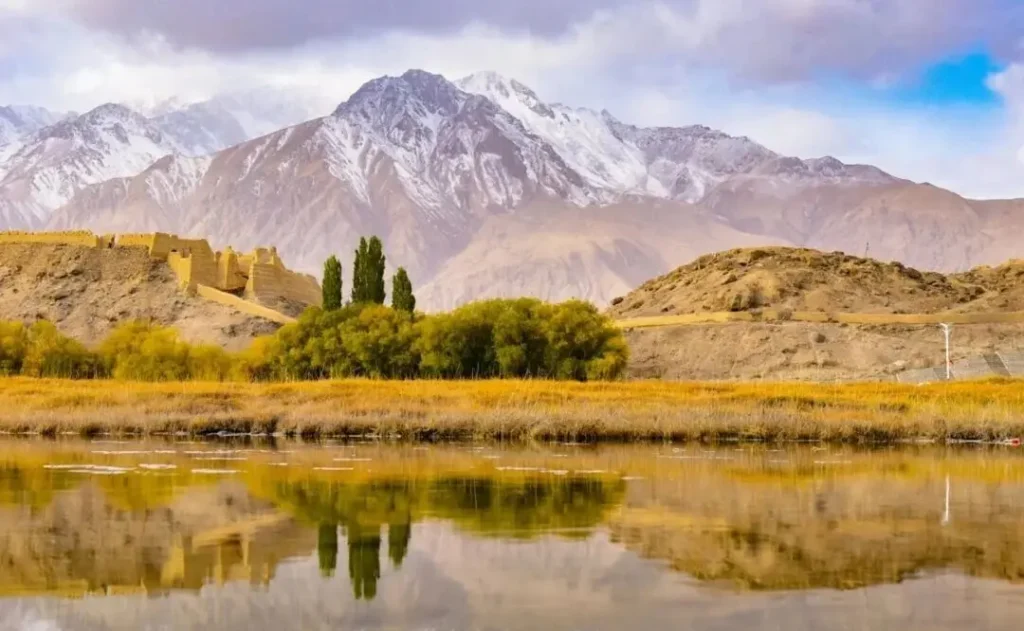
Tashkurgan County: Immerse yourself in Tajik culture, explore the Stone City ruins, and overlook the Golden Grass Marshes. This serves as the base for visiting the Khunjerab Pass (China-Pakistan border), where you can experience the solemnity of the frontier (Note: Advance confirmation of border opening status and formalities are required).
2. Aksu and Kucha Region: Echoes of History in the Gorges
Wensu Grand Canyon: A Martian landscape. Trek between colossal crimson rock walls, marvelling at the bizarre formations sculpted by wind and water over millennia.
Mysterious Tianshan Grand Canyon (Kuche Grand Canyon): Narrow passages and towering cliffs create mesmerising light and shadow effects when sunbeams pierce through, offering a profoundly awe-inspiring hiking experience.
Kuche Old Town: Delve into the history of the Kuche Princes’ Palace and observe traditional naan bread making at Kuche Naan City, sampling freshly baked delicacies.
3. Legends of Desert and Oasis
Taklamakan Desert Highway: Experience the feat of traversing the ‘Sea of Death’. This straight highway, flanked by endless sand dunes, offers an unparalleled way to experience the desert’s silence and vastness.
Zepu Golden Poplar Forest: Visit in autumn (late October) to witness the forest ablaze in brilliant gold. In other seasons, it presents a fresh green hue, with the Yarkant River winding through it, creating a serene and beautiful landscape.
Bosten Lake: China’s largest inland freshwater lake, dubbed the ‘ocean in the desert’. This oasis offers birdwatching, lotus viewing and water sports.
III. Recommended Classic Southern Xinjiang Itinerary for Foreign Travellers (11 Days)
This itinerary balances scenic diversity, cultural immersion and travel comfort, making it ideal for first-time foreign visitors to Southern Xinjiang.
D1: Arrival in Ürümqi
Adjust to the time difference, explore the International Bazaar and savour your first Xinjiang dinner.
Day 2: Ürümqi – Turpan – Transfer by Flight/High-Speed Rail
Morning: Visit the Flaming Mountains and the ancient irrigation marvel, the Karez system.
Afternoon: Visit a Uyghur family to experience local life.
Evening: Travel by flight or high-speed rail to Alar City in Southern Xinjiang.
Day 3: Crossing the Taklamakan Desert – Hotan
Full-day journey along the G580 Desert Highway, traversing the majestic landscapes of the Taklamakan Desert.
Evening arrival in Hotan, renowned as the jade capital.
D4: Hotan — Zepu Poplar Forest — Kashgar
Morning: Optional visit to Hotan Jade Bazaar.
Afternoon: Explore Zepu Golden Poplar Forest, savouring tranquil natural surroundings.
Arrive in Kashgar, the heart of Southern Xinjiang, by evening.
D5: Kashgar — Pamir Plateau — Taxkorgan County
Travel along the China-Pakistan Friendship Highway towards the Pamir Plateau.
Visit the Hongqilap Port Border Gate (exterior view), witnessing the grandeur of the world’s highest-altitude border crossing.
Explore the ruins of the Stone City and admire the sunset over wetlands and snow-capped mountains at Golden Grass Marsh.
Overnight stay in Taxkorgan County (Taxkorgan).
D6: Taxkorgan — Karakul Lake — Kashgar
Morning immersion in Tajik village culture.
En route back to Kashgar, admire the majestic vistas of Muztagata Peak and Karakul Lake once more.
Evening return to Kashgar for free time and exploration of the night market.
D7: In-depth Tour of Kashgar Old Town
Full-day immersion in Kashgar Old Town: witness the opening ceremony, explore the Id Kah Mosque, browse the Artisans Bazaar, and savour tea at a century-old teahouse.
Evening farewell dinner featuring authentic Kashgar cuisine.
D8: Kashgar — Wensu Grand Canyon — Kuche
Proceed to Wensu Grand Canyon for a breathtaking canyon hike.
Arrive in the historic city of Kuche by evening.
D9: Kuche — Tianshan Mysterious Grand Canyon — Korla
Morning tour of Tianshan Mysterious Grand Canyon.
Visit Kuche’s Grand Naan City to learn about naan culture.
Afternoon drive to Korla, the ‘Pear City’.
D10: Korla — Bosten Lake — Return to Ürümqi
Morning: Visit Bosten Lake to admire the lake and wetland scenery.
Afternoon: Take a domestic flight or high-speed train back to Ürümqi.
D11: Ürümqi Airport Transfer
Depending on flight times, you may purchase final souvenirs before heading to the airport, concluding your unforgettable journey through Southern Xinjiang.

IV. Practical Information and Tips for Travelling in Southern Xinjiang
1. Optimal Travel Periods
Recommended seasons (April–June, September–October): Most comfortable climate with stunning scenery. Spring blossoms and autumn’s golden poplar forests.
Summer (July–August): Hot, yet suitable for Pamir Plateau travel (relatively cooler).
Winter (November–March): Cold with some mountain passes closed, but fewer tourists offer unique experiences.
2. Visas and Documentation
Ensure your Chinese Tourist Visa (L visa) remains valid throughout your stay.
For border regions such as Tashkurgan County, Chinese citizens require a Border Pass. Foreign travellers typically enter via accredited travel agencies under group tours, with necessary travel documents processed in advance. Verify specific requirements with your agency before departure.
4. Transport Options
International Arrivals: Typically via Ürümqi Diwopu International Airport.
Within Southern Xinjiang: Due to significant distances between cities, a combination of transport is recommended:
Air: Between Ürümqi and destinations across Xinjiang, saving time.
Train/High-Speed Rail: Comfortable with scenic views.
Chartered Vehicle/Tour Bus: The optimal choice for reaching scenic areas and traversing desert highways, offering flexibility and freedom.
5. Accommodation and Dining
Major cities (e.g., Kashgar, Korla): Offer diverse options from international chains to comfortable hotels.
Smaller counties (e.g., Taxkorgan): Facilities are simpler but clean and tidy, forming part of the experience.
Dining: Savour local cuisine to the fullest. Most restaurants maintain good hygiene standards. Recommended dishes include pilaf, hand-pulled noodles, roasted buns, and chicken with potatoes. Drink bottled water.
6. Cultural Etiquette and Safety
Attire: Dress modestly when visiting mosques (avoid sleeveless tops, shorts or short skirts).
Photography: Smile and seek permission before photographing locals.
Religious customs: Respect Islamic practices. During Ramadan, refrain from eating or drinking in public during daylight hours.
Safety: Southern Xinjiang is exceptionally safe with friendly locals. As with any travel destination, simply safeguard personal belongings.
7. Pre-Trip Preparations
Clothing: Xinjiang experiences significant day-night temperature fluctuations; the layered “onion approach” is optimal. Even in summer, pack a warm jacket for the Pamir Plateau.
Sun Protection: UV rays are intense in highland and desert areas. Bring high-SPF sunscreen, sunglasses, and a hat.
Health: Some attractions are at high altitudes (e.g., Pamir Plateau above 3,000 metres). Reduce activity levels and drink plenty of water. We recommend purchasing travel insurance that includes emergency medical evacuation.
A perfect journey through Southern Xinjiang is far more than merely visiting attractions; it is a profound immersion through spectacular landscapes, ancient history, and warm human connections. From the melodious cries of vendors in Kashgar’s ancient city to the breath-taking silence of the Pamir Plateau; from the howling winds through the gorges to the genuine smiles within Uyghur households—every facet of Southern Xinjiang beckons you to experience, to feel, to connect.
As you savour piping-hot roasted buns while gazing upon the millennia-old snows of Muztagata Peak, you’ll understand why this land holds such profound allure. It not only fulfils every vision you’ve ever held of distant horizons but etches an enduring imprint of vastness, authenticity and warmth upon your soul.
Southern Xinjiang awaits your arrival.