Introduction to Xinjiang Clear-Stewed Lamb (Hand-Gripped Lamb)
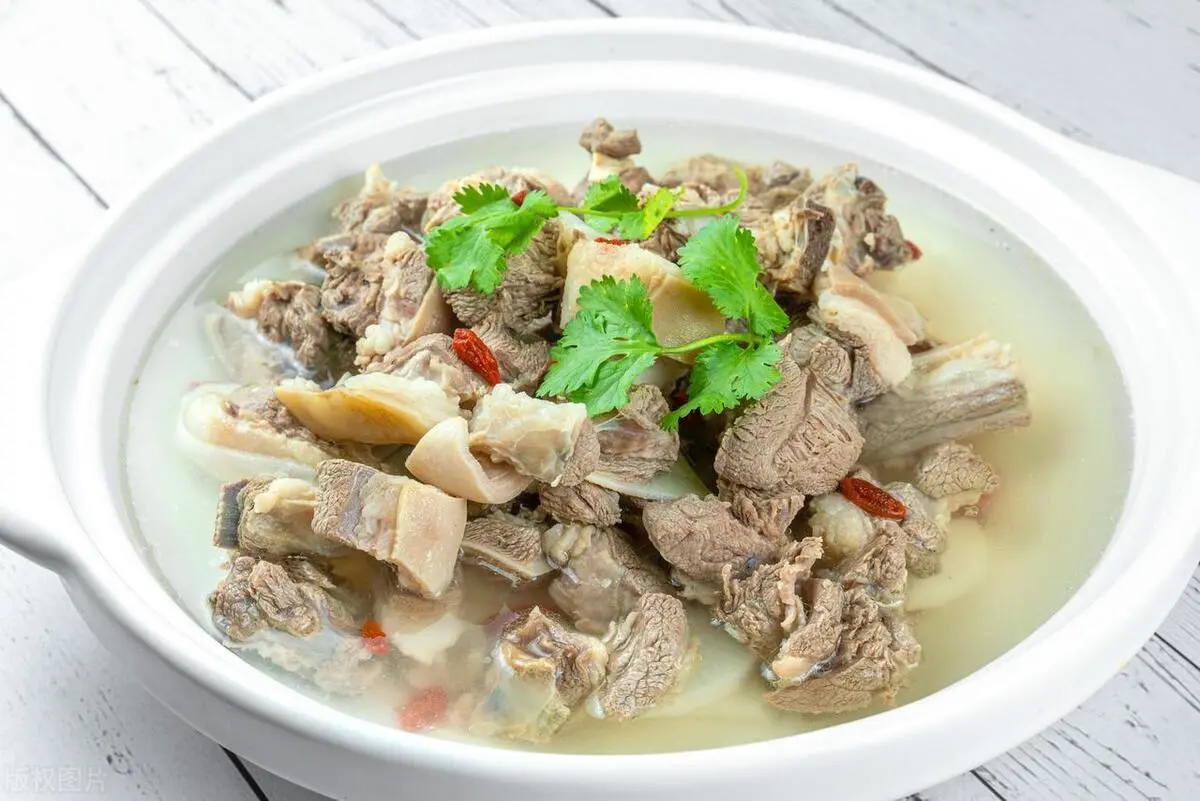
Clear-Stewed Lamb, known in Xinjiang as “Naren” or “Hand-Gripped Meat,” is a traditional Xinjiang delicacy that embodies the soul of the region’s culinary culture. Unlike lamb dishes from other areas, Xinjiang’s clear-stewed lamb seeks to capture the ingredient’s pure essence—using only water, salt, and a few spices, it is slowly simmered for hours to bring out the lamb’s natural savory flavor to its fullest. For foreign visitors to Xinjiang, savoring a bowl of authentic Xinjiang clear-simmered lamb is not only a culinary delight but also a window into the region’s rich cultural heritage.
I. History and Culture: The Wisdom of Nomadic Peoples
1. Origins: Survival Wisdom on the Steppes
The history of clear-broth mutton stew traces back to the daily practices of ancient nomadic peoples. Across the vast grasslands of Xinjiang, ethnic groups like the Kazakh, Uyghur, and Mongolian lived for generations by following water and pasture. Mutton served as their primary protein source, and the clear-broth cooking method maximized nutrient retention under resource-limited conditions while adapting to the nomadic lifestyle’s mobility.
In nomadic life, a large pot, a campfire, and a few chunks of salt could conjure nourishing meals for the entire family. This philosophy of simplicity without simplicity remains the essence of Xinjiang’s clear-simmered lamb to this day.
2. Cultural Significance: The Highest Form of Hospitality
In the traditions of Xinjiang’s ethnic groups, clear-simmered lamb transcends daily sustenance to become the ultimate expression of hospitality. When honored guests arrive, hosts select the most plump lambs and prepare them through traditional clear-simmering. The entire lamb is then presented at the table, with the most esteemed guest being the first to partake.
This custom embodies the Xinjiang people’s cultural traits of warm hospitality and deep regard for friendship. Each cut of lamb carries symbolic meaning: the head is offered to the most honored guest, the shoulder to elders, the leg to the young… This ritualistic sharing vividly reflects the fusion of Xinjiang’s diverse ethnic cultures.
3. Evolution: From Nomadic Yurts to Urban Restaurants
As times changed, braised lamb moved from grassland tents to urban restaurants, yet its core essence remains unchanged. In cities like Urumqi, Kashgar, and Yining, a new generation of time-honored restaurants specializing in braised lamb has emerged. By blending traditional techniques with modern culinary concepts, they breathe new life into this ancient dish.
II. Why Is Xinjiang Clear-Stewed Lamb So Special?
1. Unparalleled Advantages in Ingredients
The quality of Xinjiang lamb forms the foundation of its delicious clear-stewed preparation. Xinjiang sheep graze freely on natural grasslands, feeding on unpolluted pasture grasses and herbs while drinking snowmelt from the Tianshan Mountains. This natural grazing method endows Xinjiang lamb with the following characteristics:
Tender texture: Fine muscle fibers yield a soft, succulent mouthfeel
Minimal gaminess: Resulting from unique grazing conditions and breed characteristics
Natural creaminess: Many diners describe a subtle milky aroma
Nutrient-rich: High in protein, vitamins, and minerals
2. Minimalist Culinary Philosophy
The culinary philosophy behind Xinjiang Clear-Stewed Lamb can be summed up as “less is more.” Unlike the complex seasoning of French cuisine or the fiery, bold flavors of Sichuan dishes, Xinjiang Clear-Stewed Lamb pursues:
Only water: No added broth or sauces
Minimal spices: Typically just salt, onions, Sichuan peppercorns, and other basic seasonings
Extended slow-cooking: allowing time to act as the finest seasoning
Authentic flavor: ultimately revealing the lamb’s purest essence
This method demands exceptionally high-quality ingredients, as any imperfections cannot be masked by seasoning. It is precisely this “confidence in ingredients” that sets Xinjiang Clear-Stewed Lamb apart from other lamb dishes.
3. A Healthy and Nutritious Dietary Choice
For health-conscious foreign visitors, Xinjiang Clear-Stewed Lamb is an ideal option:
Minimal processing: Preserves the natural nutrients of ingredients to the greatest extent
Easy to digest: Long simmering makes proteins more readily absorbed
Warming and nourishing: Particularly suited to Xinjiang’s climate with significant day-night temperature differences
Balanced pairing: Typically served with vegetables and staple foods
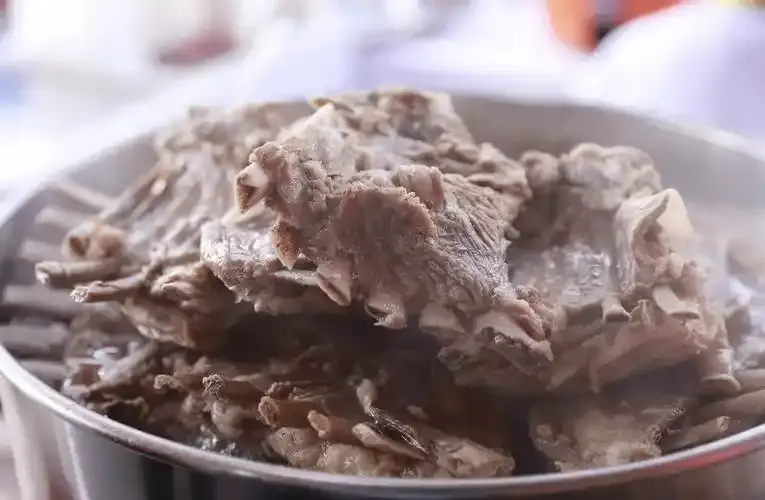
III. Main Varieties of Clear-Stewed Lamb
1. Hand-Pulled Lamb (Naren)
This is the most traditional and classic form of clear-stewed lamb. Large chunks of bone-in lamb are slowly simmered in clear water for hours until the meat becomes tender and succulent. Served with onions and naan bread, it is eaten by hand and remains the premier choice for experiencing authentic Xinjiang culinary culture.
2. Lamb Stew
Featuring lamb aged 3-6 months for exceptionally tender meat. Established restaurants like “Wuwuzi Lamb” and “Wei Family Lamb” specialize in this dish. With moderate fat content, the lamb melts in your mouth after stewing, carrying a subtle milky aroma.
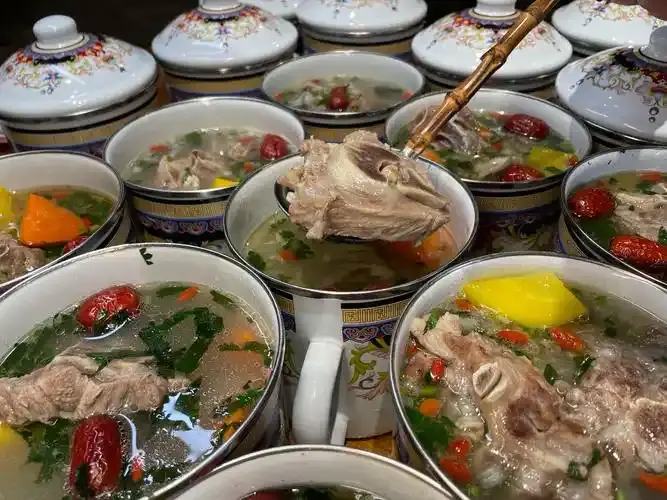
This Kashgar specialty involves stewing lamb and vegetables individually in personal enamel pots. While not strictly a traditional clear stew, it shares the core philosophy of highlighting the ingredients’ natural flavors. Served one pot per person, it offers hygienic convenience ideal for solo travelers.
4. Lamb Soup
The broth from braised lamb is served separately with chunks of lamb and vegetables. Clear and flavorful, it’s a common breakfast choice for Xinjiang locals. Especially in cold seasons, a steaming bowl of lamb soup quickly banishes the chill.
IV. Must-Try Clear-Stewed Lamb Restaurants in Xinjiang
1. Urumqi Area: Heritage and Innovation of a Time-Honored Brand
Wuwuzi Lamb Specialty Restaurant stands as a century-old legend in Xinjiang’s clear-stewed lamb cuisine. Established in 1907, this venerable establishment has been passed down through four generations, evolving into a culinary landmark of Urumqi. Stepping into the shop at 273 Heping South Road, the antique decor and wooden sign proclaiming “Century-Old Flavor, Artisan Legend” seem to whisper tales spanning generations.
Their braised lamb is truly exceptional. Sourced from premium Xinjiang lamb, it’s simmered in pure water with just a pinch of salt. The result is tender, juicy meat that melts in your mouth—completely free of gaminess, yet carrying a subtle milky fragrance. Many diners describe it as “the kind of flavor that makes you feel happy when you eat it.” With an average cost of about 85 yuan per person, their handmade shaozi noodles and lamb-stuffed pancakes are also worth trying.
Wei’s Lamb, another renowned establishment with over 50 years of history, blends founder Wei Liangqing’s Qinghai heritage with Xinjiang techniques to create distinctive braised lamb. Located at 210 Xinshi Road, the restaurant retains its old-school charm, greeting guests with a warm, homey atmosphere.
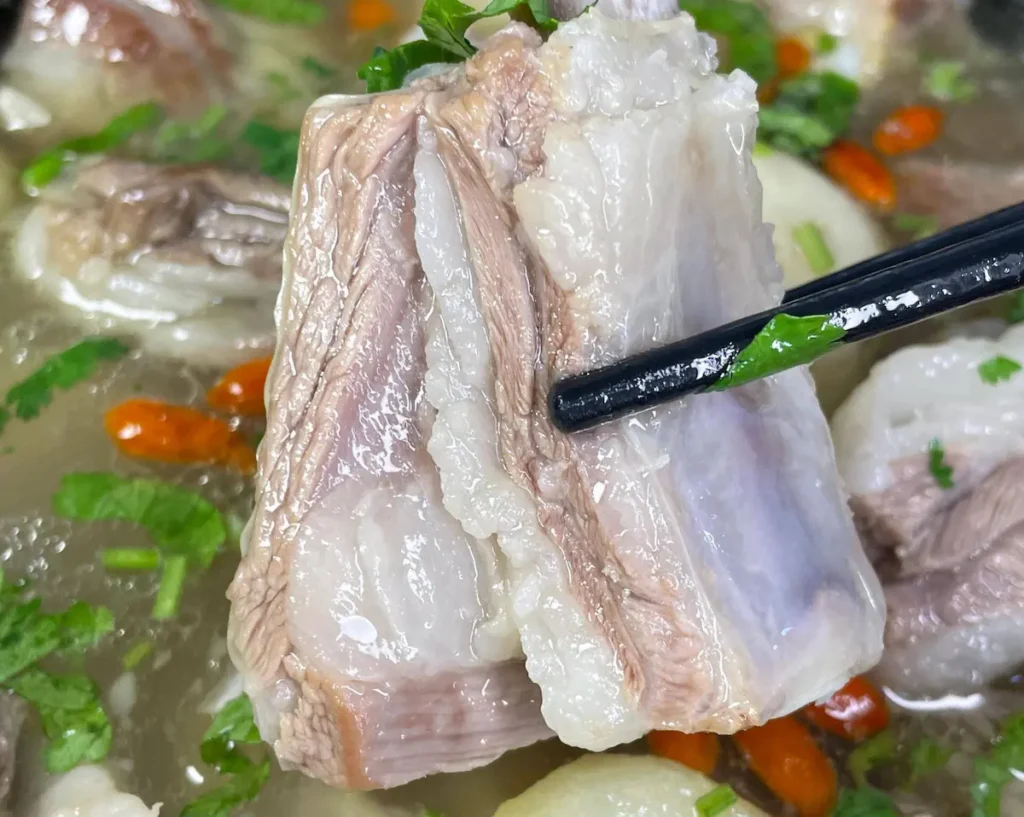
Wei’s braised lamb adheres to the most ancient cooking principle: “A bowl of good broth and a bowl of good meat are enough.” Freshly served lamb steams hot off the pot, with lean meat tender yet springy and fatty meat fragrant, glutinous, and never greasy. Many diners rave, “I’ve never tasted such delicious braised lamb,” with some even polishing off over a pound in a single sitting. Priced at around 67 yuan per person, it offers exceptional value.
Xiangyue·Yangcun Xiaoguan brings a modern twist to braised lamb. This restaurant on Daoxiang Middle Road specializes in braised lamb hotpot, featuring a creamy, milky broth that’s sweet and savory, paired with tender lamb that’s melt-in-your-mouth and free of gaminess. They offer an extensive selection of dipping sauces, including chive blossoms, dried spices, chili paste, and yellow mustard, allowing diners to unlock diverse flavor combinations.
The two-person set meal costs around 100 yuan, offering generous portions that include braised lamb, side dishes, and a main staple—highly cost-effective. The ambiance is more modern than traditional establishments, with warm service, making it ideal for foreign tourists seeking a comfortable dining experience.
Molu Xiang Northwest Fresh Lamb Restaurant stands as a rising star for charcoal-simmered lamb in Urumqi. Located on Changchun Middle Road, this eatery specializes in lamb hotpot slow-cooked over charcoal for two hours. Each pot features locally sourced fresh lamb, simmered to perfection for tender, flavorful meat without gaminess.
Start by savoring the pure, savory broth before adding mushrooms and other accompaniments. Pair it with their signature Pila Red (a cold salad of onions, chili peppers, and tomatoes) to cut through richness and stimulate the appetite. Moderate per-person spending, with a relatively new setting, makes it a good fit for younger travelers.
2. Kashgar Region: The Most Traditional Flavors
Abulimiti Claypot Lamb Restaurant, located at the intersection of Qasala Road and Arayala Road in the Old City, is an excellent choice for experiencing the most traditional clear-simmered lamb. Here, lamb is prepared using the oldest clear-simmering method, seasoned only with salt to highlight the premium quality of Xinjiang lamb.
Wusiliu Huo Mutton Soup Restaurant on Kashgar County Road 433 is part of the famed “Clay Pot Meat Street.” Its name symbolizes ethnic unity, and its clear-simmered mutton soup features tender meat infused with subtle aromas of yellow turnips and chickpeas. This spot offers an authentic glimpse into Southern Xinjiang’s daily culinary culture.
3. Ili Region: Grassland Authenticity
Ili’s clear-simmered lamb remains deeply rooted in nomadic traditions. At Kazakh herder homestays near grassland scenic areas, visitors can savor freshly slaughtered and simmered lamb, experiencing the most authentic cooking methods.
These homestays often feature simple settings, but the ingredients are unquestionably fresh. Feasting on steaming clear-simmered lamb while taking in the breathtaking grassland vistas creates an unforgettable highlight of any Xinjiang journey.
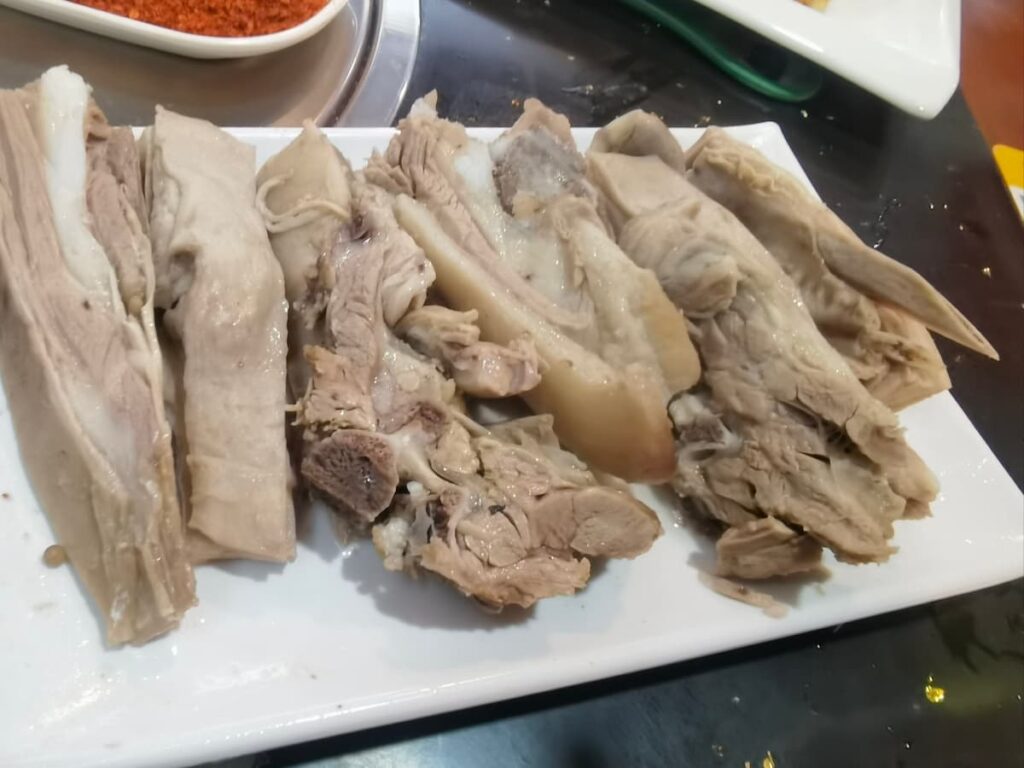
V. Home-Style Xinjiang Clear-Stewed Lamb: Recreating Authentic Xinjiang Flavors at Home
1. Ingredient Preparation
Lamb Selection: Opt for fresh Xinjiang lamb, preferably lamb leg or ribs.
Basic Seasonings: 1 onion, 3-4 slices ginger, 10-15 Sichuan peppercorns, salt to taste
Optional Vegetables: Root vegetables like carrots, daikon radish, potatoes, etc.
2. Cooking Steps for Clear-Stewed Lamb
Step 1: Prepare the Lamb
Cut the lamb into large chunks. Soak in cold water for 1-2 hours, changing the water 2-3 times to remove blood residue. This is crucial for reducing gaminess.
Step 2: Initial Blanching
Place lamb in cold water. Bring to a boil over high heat, skim off scum, then continue boiling for 2-3 minutes. Remove lamb and rinse thoroughly under warm water.
Step 3: Main Stewing
Add ample water to a stew pot, then place the blanched lamb inside.
Add a whole onion (peeled but not chopped), ginger slices, and Sichuan peppercorns.
Bring to a boil over high heat, then reduce to low heat and simmer for 1.5-2 hours.
Add salt to taste after 1 hour of stewing.
If adding vegetables, incorporate them during the final 30 minutes.
Step 4: Serve and Enjoy
Turn off the heat once the lamb is tender and falling apart. Remove the lamb and plate it. Reserve the broth separately as lamb soup.
3. Key Techniques
Start with cold water: This helps draw out excess blood.
Simmer gently: Maintain a light boil; high heat will cloud the broth.
Add salt late: Adding salt too early toughens the meat
Save the original broth: The first batch of broth is the most flavorful—do not discard it
4. Serving Suggestions
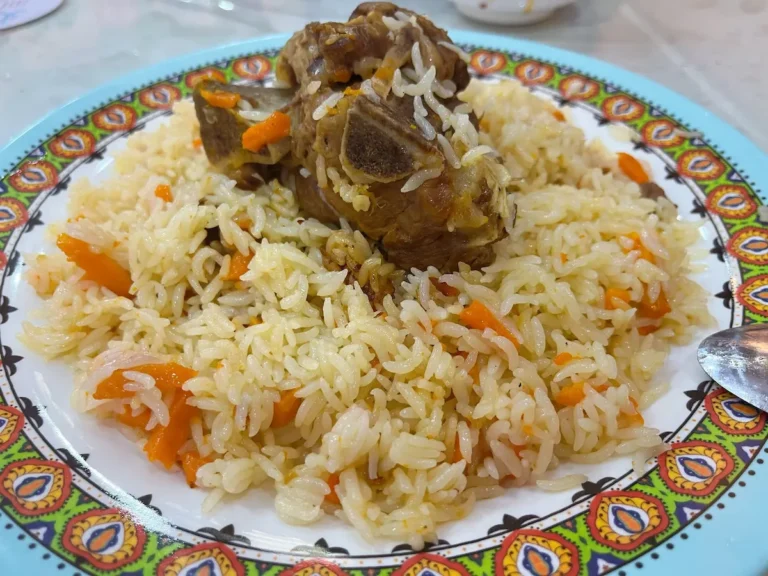
Main dishes: Xinjiang naan or rice
Side dishes: Sliced onions (piyazi), tomatoes, cucumbers
Beverages: Xinjiang milk tea or brick tea
Seasonings: Offer chili powder and cumin powder for guests to add to taste
VI. Tasting Guide: How to Enjoy Clear-Stewed Lamb Like a Local
1. Best Time to Savor
Clear-stewed lamb is enjoyed year-round in Xinjiang, though each meal time offers distinct characteristics:
Breakfast: A bowl of lamb broth with naan bread to start your day warmly
Lunch: Served as the main course for substantial energy
Dinner: A staple dish for family gatherings or hosting guests
For visitors, lunchtime offers the most suitable experience, allowing ample time to savor it slowly.
2. Proper Tasting Sequence
Step 1: Sip the Broth First
The broth distills the essence of the lamb. Begin by taking a sip of the pure, clear broth to appreciate its fresh, unadulterated flavor.
Step 2: Taste the Lamb Plain
Take a piece of lamb and savor it without any dipping sauce to experience the authentic taste of Xinjiang lamb.
Step 3: Pair with Accompaniments
Based on personal preference, you may:
– Pair with raw onions (piyazi) to cut richness and enhance aroma
– Dip in a small amount of salt or chili powder
– Eat with naan bread, using it to scoop up broth
Step 4: Enjoy Side Dishes
If you ordered vegetable sides, eat them after the lamb to refresh your palate.
3. Recommended Cuts
For first-time foreign visitors, we suggest:
Lamb ribs: Marbled with fat and lean meat for rich texture, though slightly greasy
Lamb leg: Primarily lean with firm texture, ideal for those who dislike fatty cuts
Lamb neck: Active muscle with dense, chewy texture
Lamb: The most tender cut with the mildest gaminess, perfect for beginners
4. Cultural Etiquette Guidelines
Respect tradition: When invited to dine at a local home, honor the host’s serving customs.
Hand-eating: The traditional method involves using hands to pick up food, though most restaurants now provide utensils.
Take in moderation: Xinjiang hosts are warm and may encourage you to take seconds; politely accept but serve yourself according to your appetite.
Express appreciation: Sincerely praising the host’s culinary skills is the best way to show gratitude.
VII. The Cultural Significance and Modern Value of Clear-Stewed Lamb
1. A Culinary Bridge Between Past and Present
Clear-stewed lamb transcends mere sustenance; it embodies the living heritage of Xinjiang’s history. Each bite connects us to ancient nomadic life, the commercial exchanges along the Silk Road, and the cultural fusion of diverse ethnic groups. Savoring clear-stewed lamb is to taste the millennia of historical accumulation in Xinjiang.
2. An Eastern Exemplar of the Slow Food Movement
In today’s world dominated by fast-food culture, the slow-cooking philosophy embodied by braised lamb holds special significance. It reminds us that true flavor requires time, and food’s value lies in quality, not speed. This concept aligns perfectly with the Western slow food movement, offering foreign tourists seeking healthy lifestyles a reference point of Eastern wisdom.
3. A Model for Sustainable Dining
Xinjiang’s traditional nomadic lifestyle embodies a sustainable ecosystem: sheep graze freely without damaging grassland ecosystems; slow-cooking minimizes energy consumption and seasoning use; and whole-sheep utilization reduces food waste. These practices offer valuable insights for environmentally conscious foreign visitors.
4. A Culinary Bridge for Cross-Cultural Understanding
For foreign visitors, braised lamb serves as an entry point to understanding Xinjiang culture. Through this dish, one can grasp Xinjiang’s natural environment, ethnic customs, and philosophy of life. Simple enough for anyone to grasp yet profound enough to merit repeated savoring, it stands as a perfect medium for cross-cultural exchange.
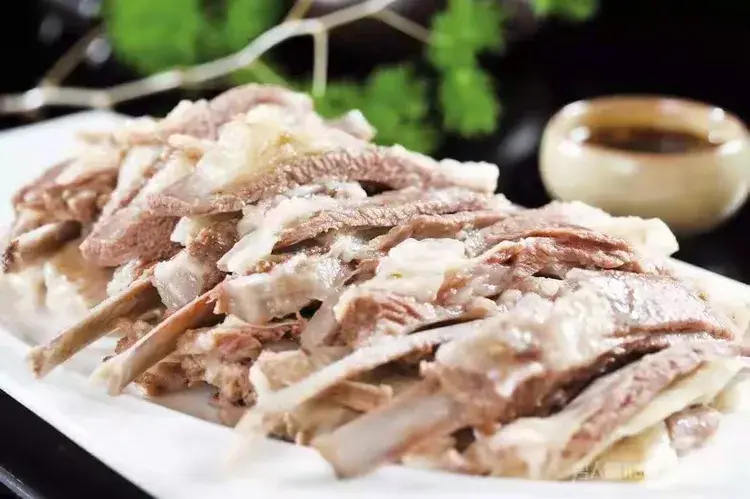
VIII. Special Tips for Foreign Visitors
1. Tips for Adjusting to the Flavor
If lamb tastes too strong on your first try, consider:
Starting with lamb meat, which has the mildest gaminess
Pairing it with onions
Drinking the broth before eating the meat to gradually acclimate your taste buds
Dipping it in a little chili powder or cumin powder to add depth of flavor
2. Practical Chinese for Ordering
清炖羊肉 (qīng dùn yáng ròu) – Stewed lamb
羊羔肉 (yáng gāo ròu) – Lamb meat
手抓肉 (shǒu zhuā ròu) – Hand-grabbed meat
Onion (pí yá zi)
Naan bread (náng)
Not spicy (bù là)
Less salt (shǎo yán)
3. Health Considerations
Consume in moderation: Lamb is warming in nature; overconsumption may cause internal heat.
Pair with vegetables: Ensure balanced nutrition.
Caution with Temperature: Freshly served lamb and broth are extremely hot; avoid burns
Special Dietary Needs: Communicate any dietary restrictions or allergies to the restaurant in advance
4. Photography and Sharing Tips
Natural Lighting: Midday offers optimal lighting for photos
Capture the Moment: Photograph the lamb being lifted from the pot
Ambience: Document the restaurant’s ethnic decor and dining atmosphere
Respect Privacy: Always ask permission before photographing other guests
Clear-Stewed Lamb, this simple dish distilling the essence of Xinjiang’s land and sky, awaits every distant traveler to savor with heartfelt appreciation. It boasts no complex seasonings, no elaborate presentation, yet possesses the most profound power to move the soul—a gift from the grasslands, the flavor of time, and the genuine hospitality of Xinjiang’s people.
When you visit Xinjiang, slow down your pace, find an old-established restaurant, and order a serving of clear-simmered lamb. As the steaming hot lamb arrives at your table and the pure aroma of meat fills the air, you’ll understand: sometimes, the simplest things are the most beautiful.