Flying a Drone in Xinjiang: Rules, No-Fly Zones, and Where to Get Stunning Aerials
I packed my DJI Mini mostly for the deserts and got stopped by a soldier within an hour of landing. Xinjiang is the most spectacular drone country I’ve ever flown — and the most regulated. The scenery rewards the effort, but the rules are not optional, and ignorance will get your memory card confiscated. This is the briefing I wish someone had given me at the airport.
The Short Answer: Yes, With Strings Attached
Recreational drones under 250 g are legal to bring in, but where and how you fly is tightly controlled. China’s airspace is state-managed, and Xinjiang sits next to multiple international borders and hosts military zones. That means far more no-fly areas than inland provinces. Fly smart and you’ll get shots no ground camera can; fly careless and you’ll meet the police.
Register Before You Fly
Any drone with a camera generally must be registered with the civil aviation authority (CAAC) UOM system, and real-name registration is the norm. Weighing under 250 g reduces some obligations but does not make you exempt from no-fly zones. Do the paperwork at home and screenshot your registration; officers may ask to see it.
Where You Absolutely Cannot Fly
This is the list that got me in trouble. Border regions, military areas, and airports are off-limits, often with a wide buffer you can’t see on the ground.
| Zone | Why | Penalty risk |
|---|---|---|
| Within ~10 km of any border | National security | Very high |
| Near airports / airfields | Aviation safety | High |
| Military and government areas | Restricted airspace | High |
| Large crowds / festivals | Public safety | Medium-High |
| Scenic areas with posted bans | Site rules | Medium |
Use the Apps, Not Your Gut
The DJI Fly app shows geo-zones, and the official UOM app maps restricted airspace. Always check on the ground before launch. I now check the map twice — once at the hotel, once at the spot — because zones near the Pamir and along the Karakoram corridor are broader than they look. Our Tashkurgan border permit guide explains why the southwest is especially sensitive.
Where the Aerials Are Worth It
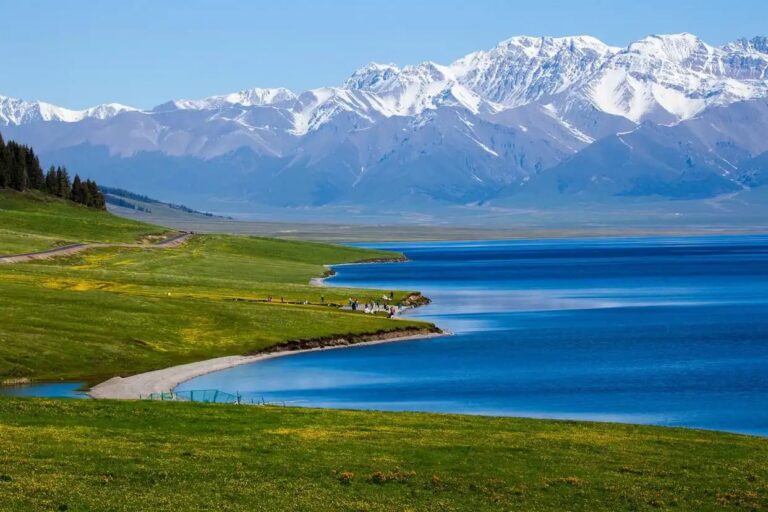
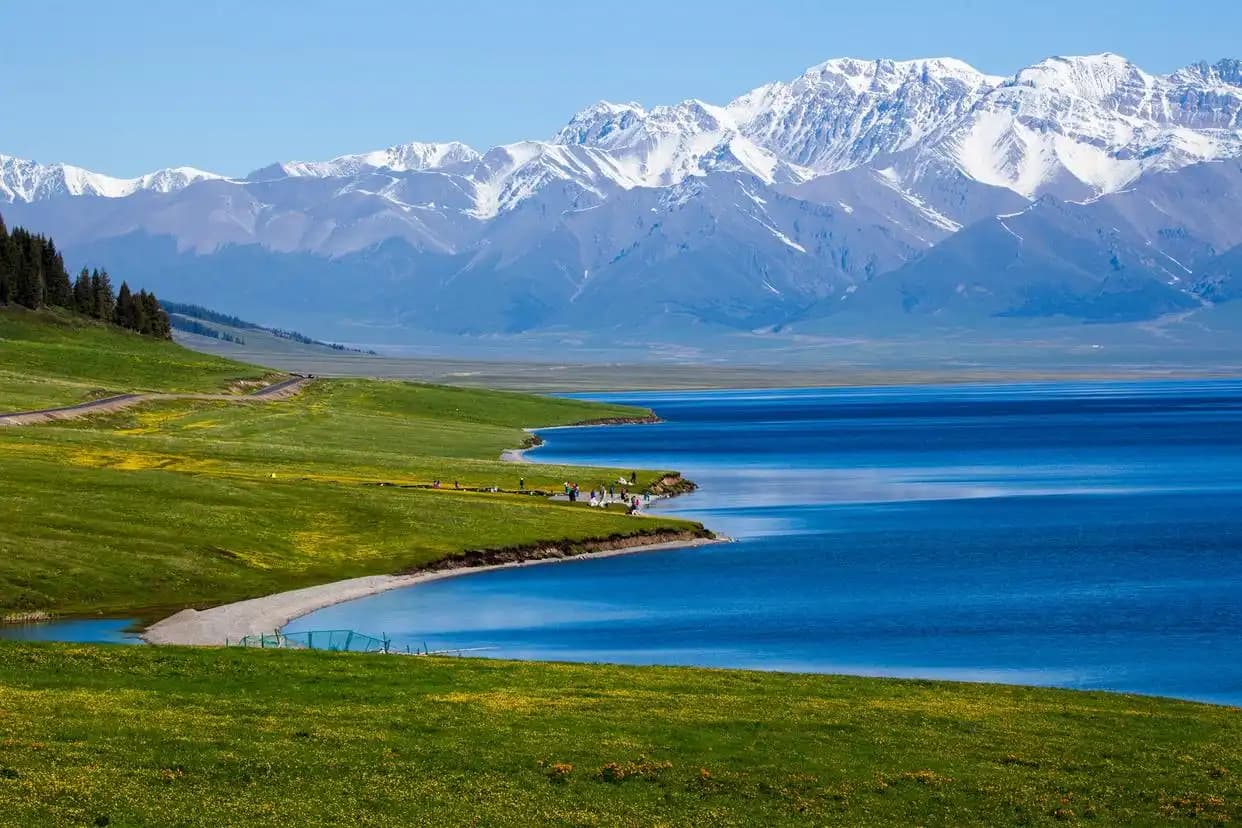
Skip the border zones and the rewards are enormous. The Taklamakan’s dune edges, the turquoise loops of the Kaidu River, the green ribbons of the Ili valleys, and the red rock of the Turpan basins all sing from above. Lakes like Sayram and the flaming mountains are legal and jaw-dropping at golden hour.
Best Light and Launch Spots
Launch from an open, legal area away from people — a quiet road pull-off or a designated viewpoint. Fly in the first hour after sunrise or the last before sunset; the low angle turns flat desert into sculpted relief. Wind picks up midday, so morning flights are calmer and safer for a light drone.
Battery, Wind, and Dust
Xinjiang is hard on drones. Wind is stronger than it looks, dust clogs gimbals, and cold drains batteries. Plan short, deliberate flights.
| Issue | Mitigation |
|---|---|
| Strong gusts | Keep flights low and short; abort if it struggles |
| Fine dust | Wipe gimbal and sensors nightly |
| Cold batteries | Keep spares in an inside pocket, warm before flight |
| Glare / haze | Shoot into the low sun, use a polarizer |
| Loss of signal | Set RTH altitude above terrain; avoid cliffs |
Respect People and Livestock
Don’t hover over villages, mosques, or herders’ camps. A drone scares sheep and annoys people, and unwanted attention can end your session. I always asked a nearby local with a wave before launching near any settlement — the nod usually meant go ahead, and it prevented every awkward encounter.

If You’re Stopped
Stay calm and cooperative. Officers are doing their job, and arguing makes it worse. Show your registration, offer to delete the footage if asked, and don’t claim ignorance of the rules. On the Pamir I was waved off politely once I showed the app’s green zone; another traveler who argued lost his drone for the trip. Compliance is the whole game here.
Insurance and Spares
Get DJI Care or equivalent before you fly — a downed drone in a remote county means no repair shop. Carry propellers and a battery hub. I also kept a micro-SD with the day’s footage on me (not in the drone) so a confiscation wouldn’t cost every shot.

Choosing the Right Travel Drone
Weight class decides your paperwork and your stress. Under 250 g (the DJI Mini line) is the sweet spot for travelers: light, pocketable, and the least bureaucratic. Heavier models (sub-1 kg and above) shoot better in wind but draw more official attention and stricter registration. I flew a Mini and never regretted the compromise — the windy Pamir days were the only times I wished for more thrust.
| Class | Example | Upside | Drawback |
|---|---|---|---|
| Under 250 g | DJI Mini series | Lightest rules, easy carry | Struggles in strong wind |
| 250 g – 1 kg | DJI Air series | Better camera, wind hold | More registration scrutiny |
| Over 1 kg | DJI Mavic Pro class | Best image, stability | Heavier, more restricted |
Storage and Backing Up Footage
Desert dust and cold are unkind to gear, and a lost drone means lost footage. I carried two micro-SD cards and rotated them, dumping each day’s clips to a small SSD every evening in the hotel. Cloud uploads are slow on hotel WiFi, so local backup first, cloud later. Label cards clearly — in the field, a mix-up between “Pamir” and “Turpan” clips wastes a whole edit session.
Editing and Sharing on the Road
You don’t need a laptop to make the footage usable. Phone apps like DJI’s own editor or CapCut handle trims and color grading well enough for social sharing, and they run fine on hotel WiFi for a quick export. I graded toward the real, slightly-desaturated high-altitude light rather than cranking saturation — Xinjiang’s landscapes read as fake the moment you oversaturate the already-unreal blue of Sayram. Keep clips short; the best aerial reels are 15–30 seconds of one perfect pass, not five minutes of hovering.
What you need to arrange first
- Bringing a drone into china at all — Yes, tourists bring them routinely.
- Sub-250 g drone exempt — It eases some registration steps but does not override no-fly zones.
- Needing a license — Recreational, registered flying of a small drone is generally tolerated without a formal pilot license, but rules tighten for heavier models.
- Safest place to practice first — An open desert or lakeside pull-off far from any border, airport, or town — check the app first.
- Confiscate my drone — Only if you fly in a restricted zone or refuse to comply.
- Flying at the popular lakes — Often yes, outside posted bans — Sayram and many viewpoints allow it.
Work through that list a few days before departure, not on the morning you fly. Most of the grief I have seen on this route comes from leaving it until the last minute.