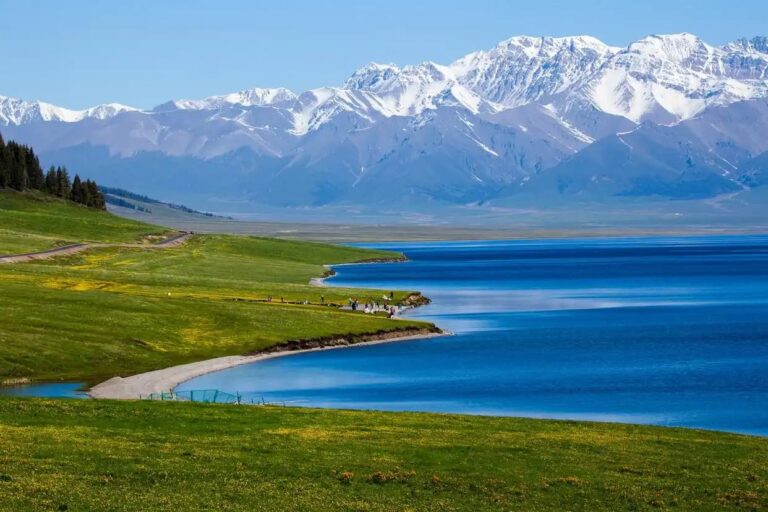

2026 Xinjiang Travel Restrictions
Blessed with snow-capped mountains, vast deserts, lush grasslands and diverse ethnic cultures, Xinjiang has been attracting travelers from all over the globe with its unparalleled charm. For foreign tourists planning a trip to this mysterious Western Region in 2026, getting well-informed about the latest and accurate Xinjiang travel restrictions is the first step to ensuring a smooth, safe and pleasant journey. Due to its special border location and multi-cultural background, Xinjiang imposes specific document requirements and regional access regulations different from other tourist destinations. This comprehensive guide elaborates on the latest official policies in 2026, covering essential documents, scenic area opening rules and accommodation registration rules, helping you plan your Xinjiang tour with complete peace of mind.
Last updated: July 15, 2026 · Written by Karl Huang, a Xinjiang travel specialist who has spent time across the region. Practical details are cross-checked against official tourism, transport, and border-regulation sources.
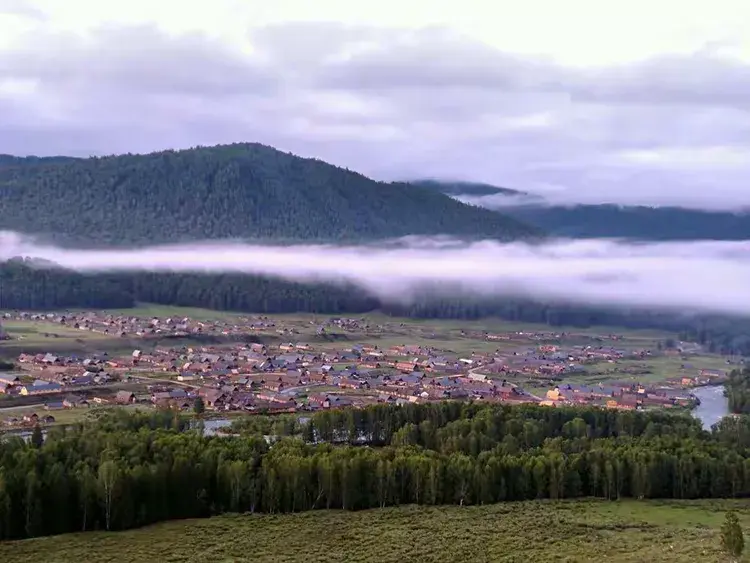
Part 1 Core Document Requirements — Visa & Border Pass
Two kinds of documents are indispensable for entering and traveling around Xinjiang: valid Chinese visa and Border Area Entry Permit (commonly known as border pass). Properly handling these core travel regulations will lay a solid foundation for your trip.
1. Chinese Visa — Basic Entry Document
Basic Requirement
All foreign visitors entering China including Xinjiang must hold a personal passport valid for no less than 6 months and corresponding valid Chinese visa. Tourist visa (L Visa) is the most commonly used type.
Visa Exemption Policy
As of 2026, China has implemented unilateral visa exemption policies for citizens of numerous countries including France, Germany, Italy, the Netherlands, Spain, Malaysia, Singapore, Japan, South Korea and more. Eligible visitors can enter China for tourism, business visit, family reunion and other purposes and stay for up to 30 days.
Important Notice: The visa exemption policy has a clear expiry date (most are valid until December 31, 2026) and is only applicable to holders of ordinary passports. Before departure, please verify the latest visa-free entry status of your nationality via official websites of Chinese Foreign Ministry or overseas diplomatic missions.
Application Suggestion
If you are not eligible for visa exemption, please apply for Chinese visa in advance at Chinese embassies or consulates in your home country. It is recommended to submit the application 1 to 2 months ahead of schedule to reserve enough time for official review.
2. Border Area Entry Permit — Essential for Borderland Visits
This is the most special and vital regulation among all Xinjiang travel restrictions. This permit is mandatory if you intend to travel to border administrative areas near national boundaries.
Popular Destinations Requiring Border Pass
- Partial zones within Kanas Scenic Area (e.g. Baihaba Village)
- Pamir Plateau regions (e.g. Tashkurgan Tajik Autonomous County, covering areas around Mount Muztagh Ata and Khunjerab Pass)
- Other designated border administrative zones
Major Policy Update in 2026: Full Electronic Implementation
Starting from April 15, 2026, China has fully launched electronic border passes and stopped issuing paper versions. Previously issued paper permits remain valid before expiration.
Application Rules for Foreign Nationals
In accordance with official announcements of National Immigration Administration of China, foreign citizens, overseas Chinese and Hong Kong, Macao and Taiwan residents can only submit applications in person at exit-entry administration departments of public security organs at county level or above, or designated local police stations. Online application via mobile apps or mini-programs is not available.
Required Application Materials
- Original valid personal passport
- Valid Chinese visa or residence permit
- Fully filled application form
- Valid travel purpose certificate (such as travel itinerary or agency certification for tourism purpose)
Application Venue & Processing Time
It is advisable to apply in major transit cities such as Urumqi and Kashgar. The application process usually takes 1 to 3 working days, please arrange your schedule properly.
Most Convenient Solution
Sign up for group tours or customized private trips through qualified formal travel agencies. Authorized local agencies can assist you with the whole border pass application procedure and save you plenty of time and trouble.
Part 2 Scenic Area Access Rules & Regional Travel Limits
Not all scenic spots are fully open to visitors without restrictions. A clear understanding of the following regional access policies can effectively prevent unexpected itinerary delays.
1. Classic Attractions Fully Open to Foreign Tourists (No Special Permits Needed)
Most major tourist cities and core scenic spots in Xinjiang warmly welcome foreign travelers without extra approval:
- Urumqi & Surroundings: Xinjiang International Grand Bazaar, Xinjiang Museum, Heavenly Lake of Tianshan
- Turpan Prefecture: Flaming Mountain, Grape Valley, Karez Wells, Jiaohe Ruins, Gaochang Ruins
- Ili Region: Narat Grassland, Kalajun Grassland, Sayram Lake, Huocheng Lavender Fields (seasonal opening)
- Kashgar Prefecture: Kashgar Ancient City, Id Kah Mosque, Fragrant Concubine Garden
- Bayingolin Mongolian Autonomous Prefecture: Bosten Lake, Luobu People Village (excluding restricted core Lop Nur zones)
2. Borderland Scenic Spots Accessible Only with Valid Border Pass
These top-tier travel highlights are under controlled access management:
- Altay Prefecture: Baihaba Village known as the No.1 Village in Northwest China inside Kanas scenic zone near national borders
- Kizilsu Kirghiz Autonomous Prefecture & Kashgar Prefecture: All destinations along Pamir Plateau. Travelers heading to Tashkurgan County to visit Mount Muztagh Ata, Karakul Lake, Panlong Ancient Road and Stone City Ruins must hold border passes clearly marked with accessible border areas including Tashkurgan or Kashgar.
Reminder: Always consult local travel agencies or tourism authorities in advance to confirm permit requirements before traveling to any border towns and townships.
3. Areas Closed or Strictly Restricted for Foreign Visitors
For national security, ecological protection and cultural relic preservation purposes, the following regions are generally off-limits to foreign tourists, which must be strictly observed:
- Military management zones and border outposts: All military facilities and core restricted sections of partial border ports such as surrounding areas of Khunjerab Pass Gate are closed to tourists.
- Core zones of nature reserves: Most parts of Lop Nur Wild Camel National Nature Reserve and uninhabited zones of Altun Mountains.
- Unofficially opened travel routes: Closed sections of Duku Highway during extreme weather or maintenance periods and undeveloped wild trails.
- Sensitive cultural relic protection zones: Core ruins such as Loulan Ancient City are only open to officially authorized scientific research teams.
Important Notice: Scenic area opening policies may be adjusted temporarily due to seasonal changes, weather conditions and safety assessments. It is highly recommended to check the latest updates via official website of Xinjiang Culture and Tourism Department or consult formal travel agencies before departure.
Part 3 Accommodation Registration Regulations
In accordance with Chinese national laws, all foreign nationals staying in China must complete official accommodation registration, which is not only a legal obligation but also an effective guarantee for personal travel safety.
Hotel & Guesthouse Check-in
When checking in at formal hotels qualified to receive foreign guests, hotel staff will complete accommodation registration procedures actively and submit relevant information to local public security organs. You only need to present your passport and valid visa.
Non-hotel Accommodation (Homestays, Apartments, Private Residences)
Travelers or local hosts must finish accommodation registration at local police stations within 24 hours after check-in.
New Convenient Policy in 2026
Foreign visitors can complete online accommodation registration via official service platforms including National Immigration Administration official app, WeChat and Alipay mini-programs instead of offline police station visits, which greatly improves travel convenience for overseas guests.
Required Registration Information
Basic personal information of travelers, host information and detailed residential address are mainly required.
Legal Consequences of Violation
In accordance with Exit-Entry Administration Law of the People’s Republic of China, foreign nationals or local hosts failing to complete accommodation registration on time will receive official warnings and may face fines.
Booking Tips
When reserving accommodation especially homestays and family inns, please confirm in advance whether the property holds official qualification to receive foreign guests. You can check marked labels on online booking platforms or confirm directly with property owners.

Part 4 Other Essential Travel Restrictions & Guidelines
Apart from document rules and regional access limits, the following regulations will help you enjoy a smoother trip.
Drone Flight Restrictions
Unauthorized drone flights are strictly prohibited over military zones, government buildings, airports, railway stations and other sensitive locations in Xinjiang. Even within scenic areas, travelers must confirm local flight bans in advance and abide by all civil drone flight laws and regulations in China. Any illegal flight behavior will lead to corresponding legal liabilities.
Photography Rules
It is strictly forbidden to take photos of military installations, border checkpoints, armed police sentry posts and any other places related to national security. Always obtain explicit consent from local residents before taking portrait photos, and ask for permission prior to shooting inside religious venues such as mosques out of due respect.
Cultural Etiquette & Local Customs
Xinjiang is a multi-ethnic inhabited region dominated by Islamic believers. Please respect local traditional customs: dress properly with decent outfits and avoid sleeveless clothes, shorts and mini skirts when entering mosques; refrain from talking about or consuming pork and alcoholic drinks in front of local Muslim residents; avoid sensitive topics related to ethnicity and religion.
Security Inspections
Security checkpoints are widely set up at airports, railway stations, long-distance bus terminals, major scenic area entrances and urban main roads across Xinjiang. Please cooperate patiently with official inspections and take the initiative to go through luggage scanning procedures for public travel safety.
Communication & Network Service
4G and 5G network signals are well covered in most cities and mainstream scenic spots in Xinjiang, while signal coverage is unstable or even unavailable in remote mountainous areas, deserts and deep grasslands. It is suggested to download offline maps and translation applications beforehand. Besides, partial international websites and social media platforms are restricted within Chinese mainland territory.
Part 5 Practical Tips to Deal with Travel Restrictions Wisely
Adequate preparation can greatly simplify your Xinjiang travel arrangements.
- Make advance plans and reserve sufficient preparation timeStart visa and border pass application procedures 1 to 2 months in advance, and sort out all destinations requiring border passes in your travel route.
- Choose reliable formal travel agenciesFor first-time visitors, borderland travelers and tourists who want to avoid complicated paperwork, choosing experienced local travel agencies proficient in receiving foreign guests is the optimal choice. Professional agencies can assist with document application, foreign-related hotel reservation, legal itinerary arrangement and provide bilingual tour guide services.
- Carry original documents all the wayAlways keep your passport, valid visa or visa-free entry stamp page, original copies and duplicates of relevant certificates, and electronic border pass accessible with fully charged mobile phones. Random identity inspections are more frequent in Xinjiang compared with eastern Chinese cities.
- Stay flexible and respectfulDue to vast territorial span, temporary itinerary adjustments may happen caused by policy updates or unexpected weather changes. Remain flexible and strictly abide by local laws, regulations and folk customs to gain better travel experience.
- Follow official authoritative informationKeep tracking the latest policy releases published by National Immigration Administration of China and Xinjiang Culture and Tourism Department to obtain first-hand official updates.
Conclusion Embrace Boundless Xinjiang Scenery within Standard Regulations
Understanding and abiding by official Xinjiang travel restrictions will never set barriers to your journey, but pave a safer and more unimpeded travel route for you. All relevant regulations are formulated to safeguard national security, border stability and local ecological environment, and ultimately protect the legitimate travel rights and interests of every visitor. Once you complete all document preparations, respect local folk customs and choose standardized travel services, you can fully appreciate stunning natural landscapes, sincere multi-ethnic local customs and profound ancient Silk Road historical heritage across Xinjiang.
In 2026, set off for your wonderful Xinjiang journey with this detailed official guideline. From misty early mornings in Kanas to brilliant starry nights on the Pamir Plateau, from ancient alleys in Kashgar Old City to vast boundless views of Taklamakan Desert, all fantastic travel experiences start with sufficient preparations. Feel free to contact us anytime if you need customized legal travel itineraries fully complying with all local regulations.
Is Xinjiang safe to visit?
Yes, Xinjiang is considered very safe for tourists with strong security presence throughout the region.
Do I need a visa?
Foreigners need a valid Chinese visa. No separate Xinjiang permit needed for most tourist areas.
What currency should I bring?
Chinese Yuan (RMB). Credit cards accepted in hotels; carry cash for markets and rural areas.
Can I find English-speaking guides?
Available in major tourist areas through hotels or travel agencies. Book in advance for best results.