Xinjiang Travel Tips 2026: Your Essential Guide for an Unforgettable Journey
Last updated: July 15, 2026 · Written by Karl Huang, a Xinjiang travel specialist who has spent time across the region. Practical details are cross-checked against official tourism, transport, and border-regulation sources.
| Best time | Spring, summer and autumn; avoid harsh winter except for skiing trips. |
|---|---|
| How long | 7–14 days for a balanced first visit. |
| Difficulty | Easy–Moderate with sensible pre-trip planning. |
| Cost level | Mid-range; savings come from local transport and food. |
| Tips focus | Pre-trip paperwork, on-the-ground logistics, cultural etiquette. |
| Don’t miss | Respecting local customs and the must-experience highlights section. |
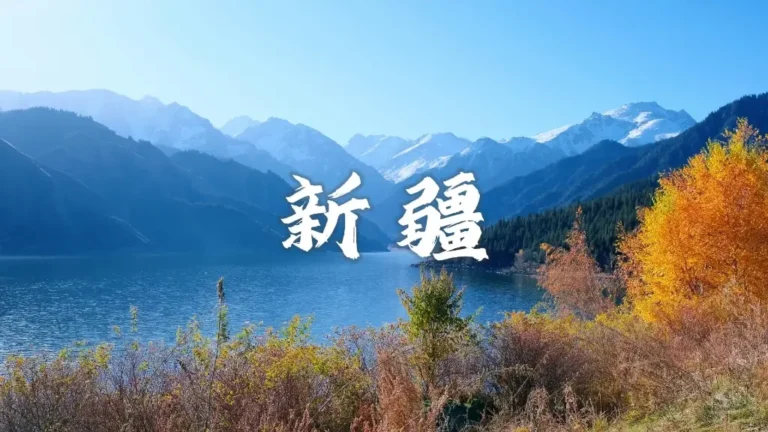
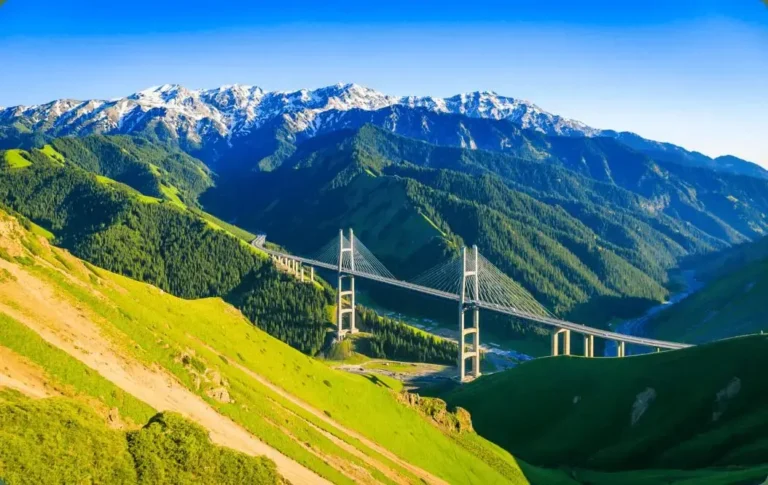
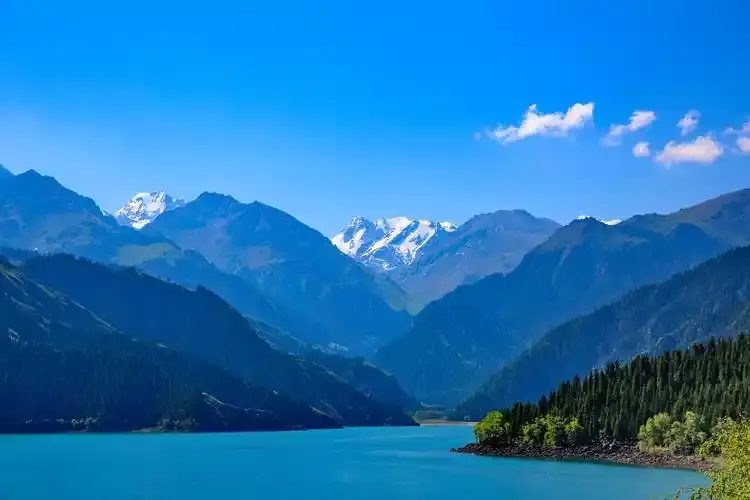
Planning a trip to Xinjiang, China’s vast and culturally rich northwestern frontier, is an exciting adventure. As 2026 approaches, this autonomous region continues to develop its tourism infrastructure while preserving its stunning natural landscapes and deep Silk Road heritage. This comprehensive Xinjiang Travel Tips 2026 guide is designed specifically for international travelers, providing you with all the practical advice, seasonal insights, and cultural know-how to plan a smooth, enriching, and unforgettable journey. Whether you’re drawn to the majestic Tian Shan mountains, the vast Taklamakan Desert, or the vibrant bazaars of Kashgar, these tips will help you navigate Xinjiang with confidence.
Why Xinjiang Should Be on Your 2026 Travel List
Xinjiang is not just a destination; it’s an experience of epic proportions. It offers a unique blend of geographic wonders—from the otherworldly desert landscapes and pristine alpine lakes to lush grasslands—and a fascinating mix of cultures, primarily Uyghur, Kazakh, and Han Chinese. In 2026, traveling here means witnessing a region that is becoming more accessible to foreign visitors while retaining its authentic charm. Following these Xinjiang Travel Tips 2026 will ensure you capture the essence of this incredible land.
Part 1: When to Go – Choosing Your Perfect 2026 Season
Your experience in Xinjiang is profoundly shaped by when you visit. The region’s continental climate creates four distinct seasons, each with its own magic.
Best Overall Time (Top Recommendation): Autumn (Mid-September to Late October)
This period is consistently highlighted in every Xinjiang Travel Tips 2026 guide for good reason. The weather is nearly perfect: sunny, dry days with cool, crisp nights. This is the prime time to witness the iconic golden Poplar (Euphrates) forests along the Tarim River, a photographer’s dream. The harvest season also means markets are overflowing with sweet grapes, Hami melons, pomegranates, and Korla pears. Crowds are manageable after the summer peak, making it ideal for both cultural and natural exploration across the entire region.
For Mountain & Grassland Lovers: Summer (June to August)
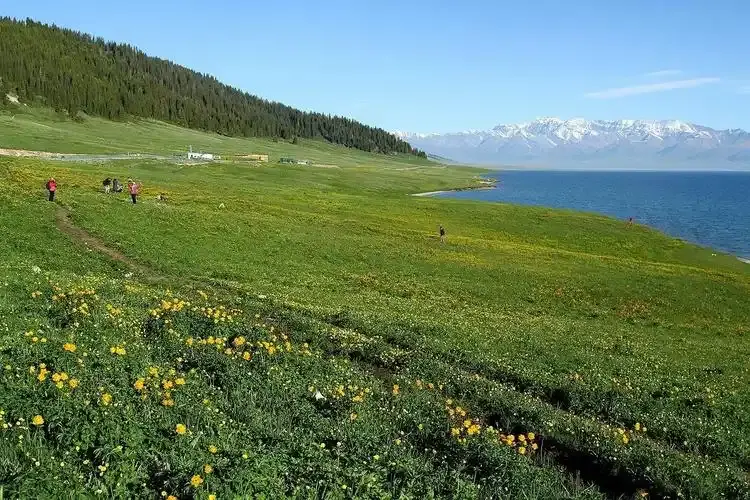
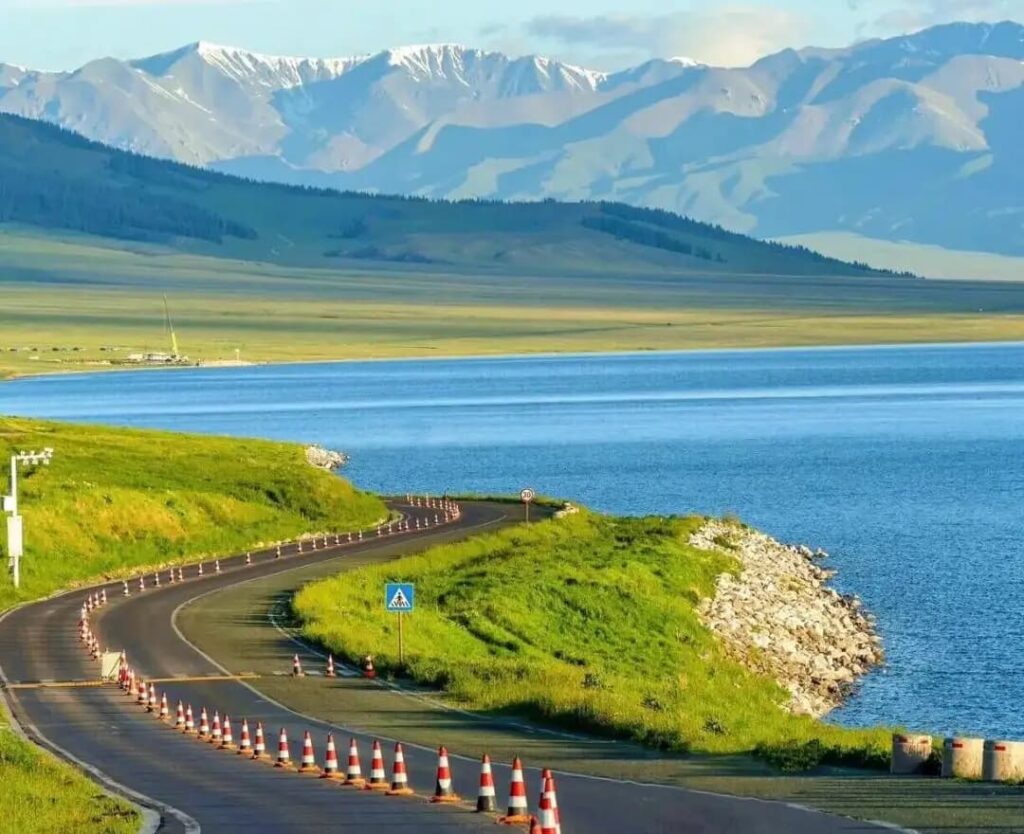
If your dream is to see the lush, flower-carpeted meadows of the Ili Valley or the deep blue waters of Kanas Lake, summer is your season. Northern Xinjiang is pleasantly cool, perfect for hiking and outdoor activities. This is the peak tourist season, so expect more visitors and book accommodations well in advance. Southern areas like Turpan and the desert can be extremely hot.
For a Cultural Focus & Fewer Crowds: Spring (April to May)
Spring brings mild temperatures and blooming fruit trees in the southern oases like Kashgar. It’s an excellent time for exploring ancient cities and cultural sites without the summer crowds. Be prepared for the possibility of occasional sandstorms, especially in the south.
For a Unique Winter Wonderland: Winter (November to March)
Winter transforms northern Xinjiang into a silent, snow-covered paradise. Kanas Lake becomes a frozen fairy tale, and you can experience local winter festivals. This season is for travelers seeking solitude, unique photography, and winter sports at resorts like the Silk Road Ski Resort. Temperatures can be bitterly cold, so pack accordingly.
Part 2: Essential Pre-Trip Planning Tips for 2026
Careful preparation is key to a successful Xinjiang trip. Here are the foundational Xinjiang Travel Tips 2026 for your planning phase.
1. Visa & Permits: The Non-Negotiables
- Chinese Tourist Visa (L Visa): You must obtain this from a Chinese embassy or consulate in your home country before travel.
- Alien Travel Permit (ATP): This is crucial. Travel to many parts of Xinjiang, including most areas outside major cities like Urumqi, requires this special permit. You cannot get it beforehand. Your local Xinjiang travel agency or sometimes your hotel can apply for it on your behalf after you arrive, using your passport and visa. It usually takes 1-2 business days. Never travel to restricted areas without it.
2. Money & Payments
- Cash (RMB) is King: While digital payments (Alipay/WeChat Pay) dominate in cities, international cards are rarely accepted. Withdraw or exchange enough Chinese Yuan (RMB) in Urumqi. Carry cash for markets, small restaurants, and remote areas.
- Notify Your Bank: Inform your bank of your travel plans to avoid your cards being blocked for suspicious overseas activity.
3. Connectivity & Communication
- Internet Access: Popular Western apps (Google, Facebook, Instagram, WhatsApp) are blocked in China. Purchase a local SIM card (from China Mobile, China Unicom, or China Telecom) upon arrival at the airport for mobile data. Consider downloading a reliable VPN beforeyou enter China if you need access to these services, but be aware performance can be inconsistent.
- Language Barrier: English is not widely spoken. Learning a few basic Mandarin phrases (“hello” – nǐ hǎo, “thank you” – xiè xie) is helpful. Download an offline translation app like Pleco (for dictionary) and Microsoft Translator (which can work with VPN issues).
Part 3: Smart Travel Tips for On the Ground in Xinjiang
1. Getting Around Xinjiang
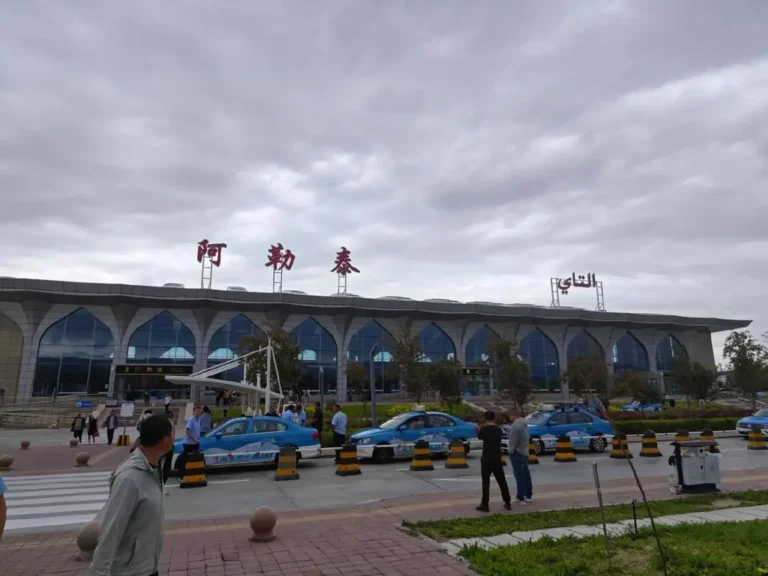
- Domestic Flights: The fastest way to cover vast distances between major hubs like Urumqi, Kashgar, Ili, and Hotan.
- Trains: A scenic and comfortable option, especially the high-speed rail connecting Urumqi to Turpan, Hami, and beyond. Overnight sleeper trains are an experience.
- Private Car with Driver: For maximum flexibility and access to remote sites, hiring a car with a local driver-guide is highly recommended. They know the roads, can help with permits and language, and enhance your experience.
2. Accommodation Choices
- Major Cities (Urumqi, Kashgar): You’ll find international hotel chains and comfortable business hotels.
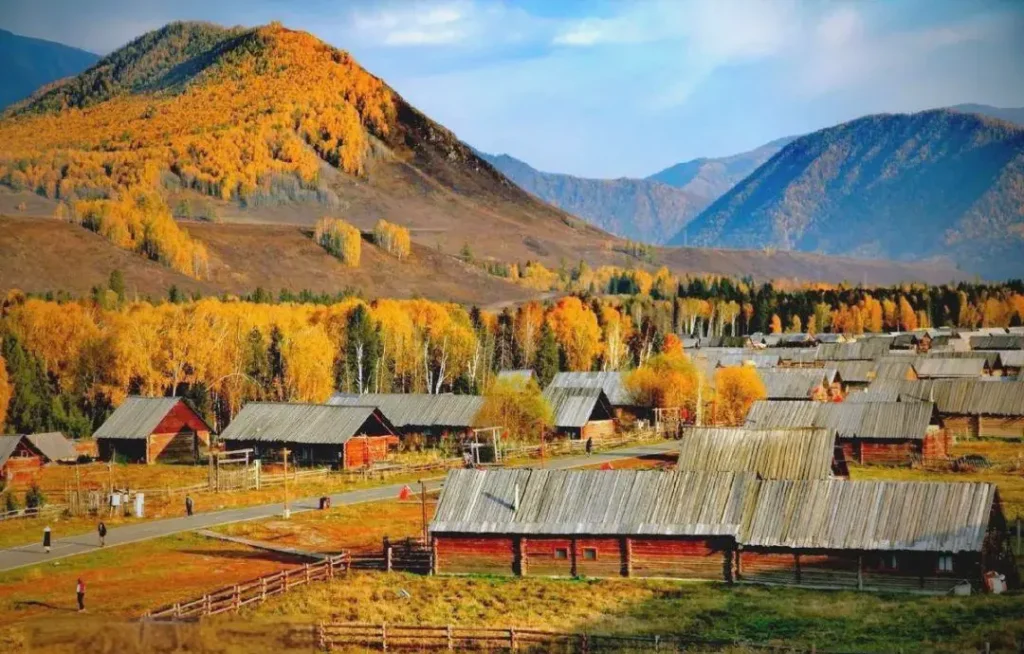
- Scenic Areas (Kanas, Hemu): Opt for local guesthouses or “yurts” (felt tents) for an authentic experience. Manage expectations regarding amenities in remote locations.
- Booking: Use Chinese platforms like Trip.com or Ctrip for the widest selection. Book well in advance for summer and autumn travel.
3. Health & Safety
- Altitude: Most tourist areas are not extremely high, but places like the Karakoram Highway can exceed 4,000 meters. Acclimatize slowly, stay hydrated, and be aware of symptoms.
- Sun & Dryness: The sun is intense, and the air is dry. Pack high-SPF sunscreen, lip balm, sunglasses, a hat, and a good moisturizer. Drink more water than you think you need.
- Food & Water: Xinjiang cuisine is delicious but can be oily and meat-heavy. Start slowly. Drink only bottled or boiled water. Street food is generally safe if it’s cooked fresh and hot.
- Safety: Xinjiang is statistically very safe for travelers. Standard precautions apply: be aware of your surroundings, keep valuables secure, and respect local laws.
Part 4: Cultural Etiquette & Respectful Travel
Being a culturally sensitive traveler enriches your experience and fosters positive interactions. These Xinjiang Travel Tips 2026 emphasize respect.
- Photography: Always ask for permission before taking photos of local people, especially women and elders. Avoid photographing military or police installations.
- Dress Modestly: When visiting mosques (like the Id Kah Mosque in Kashgar) or religious sites, dress conservatively (cover shoulders and knees).
- Religious Customs: Xinjiang has a significant Muslim population. Be respectful during prayer times. During the month of Ramadan, be discreet about eating and drinking in public during daylight hours in predominantly Muslim areas.
- Political Sensitivity: Avoid engaging in discussions about sensitive political or ethnic topics.

Part 5: Must-Experience Highlights & Itinerary Suggestions
Top Attractions to Build Your Trip Around:
- Kashgar’s Old City & Sunday Market: Feel the pulse of the ancient Silk Road.
- Kanas Lake & Hemu Village: Experience the stunning alpine scenery of Northern Xinjiang.
- Turpan’s Ancient Sites: Explore the ruins of Jiaohe and the ingenious Karez water system.
- The Taklamakan Desert & Desert Highway: Marvel at one of the world’s great deserts.
- Ili (Yili) Valley Grasslands: See rolling green hills and wildflowers in summer.
Sample 2026 Itinerary Ideas:
- The Classic Silk Road (10-12 Days): Urumqi – Turpan – Korla – Kuqa – Taklamakan Desert – Kashgar.
- Northern Nature Splendor (8-10 Days): Urumqi – Burqin – Kanas Lake – Hemu Village – Urho Ghost City – Sayram Lake – Urumqi.
- The Grand Xinjiang Tour (14-16 Days): Combine the north and south for the complete picture.
Conclusion: Set off on Your 2026 Adventure with Confidence
Xinjiang is a destination that promises awe-inspiring landscapes, profound cultural encounters, and a true sense of adventure. By following this detailed Xinjiang Travel Tips 2026 guide, you are well-equipped to plan a journey that is not only seamless but also deeply rewarding. From securing the right permits to knowing when to see the golden poplar trees, from navigating local markets to respecting cultural norms, these tips are designed to empower you. Start planning your 2026 expedition to this extraordinary corner of China today—an unforgettable experience awaits.
-
Do I need a visa to visit Xinjiang?
Yes, you need a valid Chinese visa. Some areas near borders may require additional permits.
-
What is the best time of year to visit Xinjiang?
The best time is from May to October. July and August are peak season with the best weather.
-
How many days do I need for a Xinjiang trip?
We recommend at least 7-10 days to see the highlights of both northern and southern Xinjiang.
-
Is it safe to travel to Xinjiang?
Yes, Xinjiang is safe for tourists. The region has extensive security measures and low crime rates.