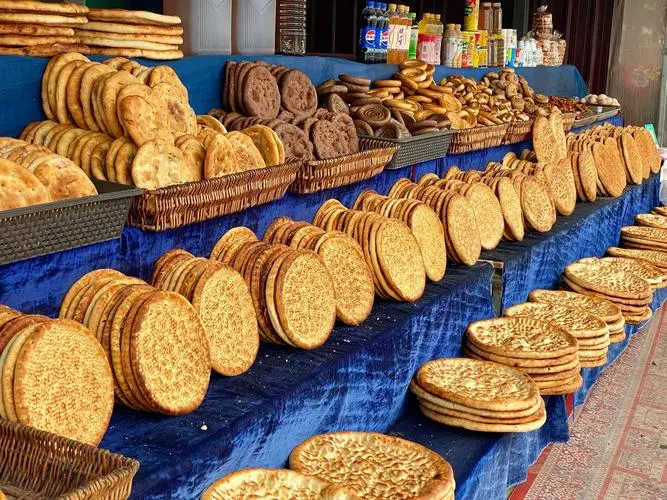
Introduction to Xinjiang’s Traditional Flatbread
Last updated: July 15, 2026 · Written by Karl Huang, a Xinjiang travel specialist who has spent time across the region. Practical details are cross-checked against official tourism, transport, and border-regulation sources.
In Xinjiang, there is a saying: ‘Better three days without meat than one day without naan.’ This round flatbread is not only the staple food of Xinjiang’s diverse ethnic groups, but also a cultural ambassador along the Silk Road, bearing over two millennia of historical memory.
Naan, this round flatbread whose name derives from the Persian word for “bread”, has long been deeply ingrained in the daily lives of Xinjiang’s diverse ethnic groups. Archaeological discoveries of naan in tombs at sites such as Wubao in Hami and Shanpula in Luopu County confirm that over two millennia ago, naan already constituted a staple food for Xinjiang’s inhabitants. Along the ancient Silk Road, naan’s long shelf life and portability made it the most dependable sustenance for merchants and travellers. Today, Xinjiang consumes 2.75 million naan daily, produced in over 10,000 traditional naan ovens across the region, forming a distinctive cultural and industrial chain.
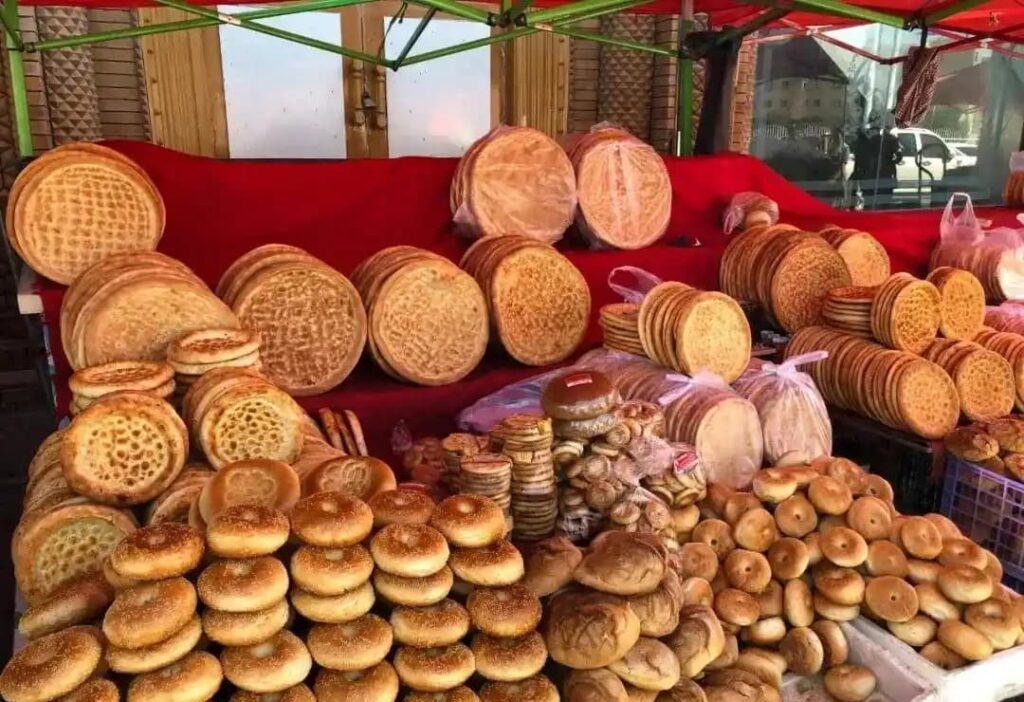
I. The History and Culture of Naan: From the Silk Road to the Modern Dining Table
1. A Culinary Legacy Spanning Millennia
The history of naan bread traces back to the Eastern Han Dynasty, with explicit references appearing in Tang Dynasty texts. Archaeologists have unearthed various forms of naan in tombs dating over 3,000 years ago at Wubao in Hami and over 1,800 years ago at Shanpula in Luopu County, demonstrating this food’s presence in Xinjiang for at least two millennia.
Ancient naan was termed ‘Hu bing’ or ‘lu bing’ (oven-baked flatbread). Tang poet Bai Juyi wrote in his poem ‘Sending Hu Bing to Yang Wanzhou’: ‘Sesame-seed buns, their form learned from the capital, crisp and fragrant with oil, fresh from the oven.’ Jia Sixie’s ‘Essential Techniques for the People’s Welfare’ also included technical details on naan-making, underscoring its significance in Chinese culinary culture.
2. The “Travelling Bread” of the Silk Road
Along the ancient Silk Road, where merchants and travellers passed ceaselessly, naan became an essential dry ration for wayfarers due to its resistance to spoilage and high caloric content. When Xinjiang men embarked on long journeys, the womenfolk would prepare large, basin-sized naan in advance, slice it into portions, and wrap them in cloth. This constituted their most dependable sustenance during desert traversals.
3. Modern Preservation of Intangible Cultural Heritage
In 2022, naan and its craftsmanship were inscribed as part of the fifth batch of National Intangible Cultural Heritage Representative Projects. The craft of making Kuche naan was recognised as regional intangible cultural heritage in 2010, and in 2024, its fifth-generation inheritor, Raxiti Yimiti, was nominated for the national intangible cultural heritage inheritor list. Today, Xinjiang has established multiple naan cultural industrial parks, adopting an ‘industry + tourism + culture’ model to produce innovative varieties such as rose naan and coffee naan.
II. The Comprehensive Guide to Naan Varieties: Over 300 Distinct Flavours of Circular Artistry
1. Classification by Ingredients: From Traditional to Innovative
Flour Naan:
Plain Flour Naan: The most fundamental variety, crafted from premium wheat flour with a simple, unadorned texture.
Cornmeal Naan: Made from maize flour, imparting a distinctive corn aroma.
Sorghum Naan: A speciality of Toksun County, Turpan, fashioned from white sorghum flour. Cut with a cross-shaped incision, it resembles a smiling emoji when baked.
Buckwheat Nan: A wholesome whole-grain option, ideal for those pursuing low-GI diets
Filled Nan:
Rose Petal Jam Nan: A Hotan region speciality, filled with locally abundant rose petal jam, exuding floral fragrance
Chilli Naan: Incorporates Xinjiang’s distinctive peppers for a mildly spicy, appetite-stimulating kick.
Meat-Filled Naan: Stuffed with lamb or beef blended with onions, cumin and salt, boasting a crispy crust and succulent filling.
Walnut Naan: Rich in nutty aroma and nutritional value.
2. Classification by Shape: From Practical to Artistic
Round Naan: The most common form, symbolising wholeness and unity.
Shaped Naan: Artisans mould naan into forms of birds, golden pheasants, celestial horses, crocodiles, gourds, grape clusters, sunflower heads, and hotap (traditional musical instruments). These artistic creations showcase Xinjiang’s cultural ingenuity.
3. By Size: From Teacup to Wheel-Sized
Largest naan: Kuche naan, measuring 40-50 centimetres in diameter and as large as a cartwheel. Requiring 1-2 kilograms of flour, the largest specimens reach 80 centimetres and demand 5 kilograms of flour, earning it the title ‘King of Naan’.
Smallest naan: Tokashi naan, comparable in size to a teacup rim or even a one-yuan coin, approximately 1 centimetre thick, crafted with meticulous attention to detail.
The thickest naan: Gegeid naan (hollow naan), 10 cm in diameter and 5-6 cm thick, featuring a central hollow. This is the thickest variety among all naan types.
The thinnest naan: Qapita naan, originating from Aksu region, less than half a centimetre thick. One can see a person’s silhouette through it, offering a light and delicate texture.
4. Classification by Preparation Method: The Art of Fermented and Unfermented Dough
Fermented Dough Naan: Most naan varieties utilise fermented dough, yielding a soft and fluffy texture.
Unfermented Dough Naan: Kakeqi naan and Biter naan are crafted from unfermented dough. Lamb fat or clarified butter is kneaded into the dough, which is then rolled thinly before baking. These naan possess a fragrant, crisp, and flaky character, with the added advantage of remaining fresh for extended periods.
Layered naan: Katram naan resembles the layered flatbread found in inland regions. The dough is brushed with clarified butter, rolled into a cylinder, then flattened into a naan base. Baking yields layers of flaky, tender texture.
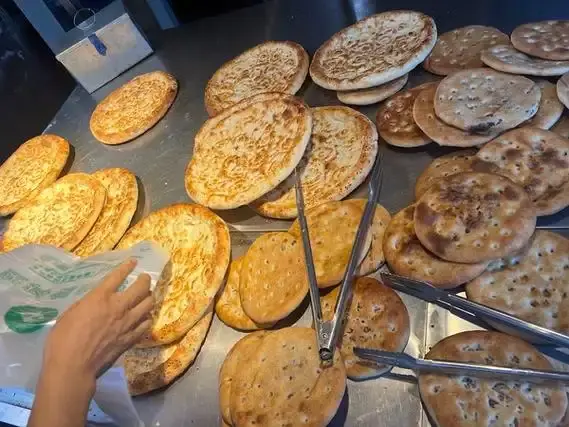
III. Representative Naan from Across Xinjiang: Each City Its Flavour, Each Region Its Distinctive Character
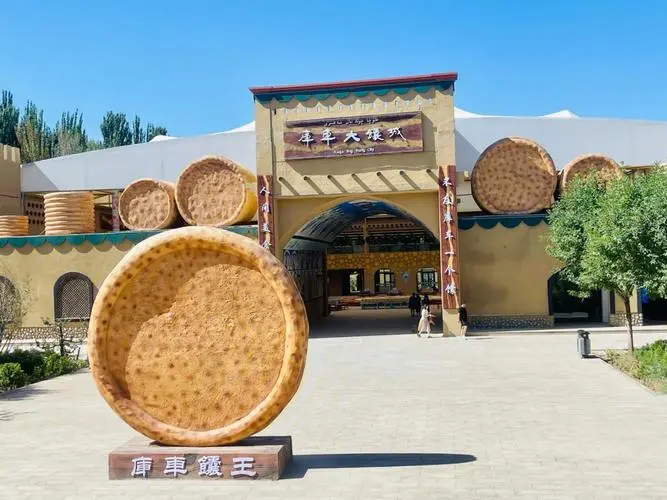
1. Kuche’s Grand Wheel-Shaped Naan: The Regal Grandeur of the King of Naan
Kuche Large Naan is famously described as ‘as large as a cartwheel.’ Locals call it ‘Qawuta,’ while outsiders refer to it as ‘Aimak’ naan. Typically measuring 40-50 centimetres in diameter, the largest specimens can reach 80 centimetres, yet remain no thicker than 1 centimetre.
Production Characteristics: Baking Kuche large naan demands exceptional skill. Firstly, the oven’s diameter and walls must be larger than standard naan ovens to allow the dough to adhere to the inner surface. Secondly, it tests the baker’s expertise; without masterful technique, crafting such colossal naan is impossible.
Cultural Significance: The Kucha Grand Nan embodies the magnanimity of its people—its grand size bestows honour upon guests, signifying their esteemed status.
2. Hotan Rose Jam Nan: A Sweet Gift from the Silk Road’s Floral Fragrance
Hotan, renowned for its roses, has a longstanding tradition of crafting rose jam. Originally, rose jam was spread upon the naan for consumption; later, it was ingeniously incorporated into the dough itself, yielding the refreshingly fragrant rose jam naan.
Innovative Variations: Building upon the rose jam naan, local artisans have developed innovative varieties such as patchouli naan, fig jam naan, and red date jam naan.
Market Performance: In recent years, Hotan’s rose jam naan has become a market sensation, gaining popularity across the entire Xinjiang region.
3. Turpan Sorghum Naan: A Wholesome Choice Beneath the Flaming Mountains
Turpan is renowned for its white sorghum, and the local white sorghum naan enjoys considerable fame. The naan features a cross-shaped incision, appearing substantial before baking, which transforms into a distinctive, smiling expression upon cooking.
Health Benefits: Sorghum flour is rich in dietary fibre and minerals, making it an ideal choice for healthy eating.
Industry Expansion: Building on sorghum naan, Turpan has also developed multigrain varieties such as buckwheat naan.
4. Atushi Wowo Naan: Sweet Aftertaste from Snowmelt Irrigation
Atushi’s Wowo Naan uses locally grown wheat flour. Cultivated at high altitudes and irrigated by snowmelt, this wheat imparts a naturally sweet aftertaste to the naan.
Physical Characteristics: Wowo Naan is fist-sized, with a reddish-brown crust after baking and a distinct hollow centre.
Production Process: The preparation of Wowo Naan is meticulously crafted. Each dough is kneaded over a hundred times, then sprinkled with sesame seeds or ‘Xiyadan’ (black cumin seeds). During baking, it is brushed with grape juice or jujube syrup, resulting in a beautiful reddish hue upon completion.
5. Kashgar Piyanazi Naan: An everyday delight with onion aroma
Onion naan (piyazi naan) is Xinjiang’s most common variety and one of its most distinctive. Before baking, it is coated with finely chopped onions (‘piyazi’), resulting in a golden, glossy finish. The dough absorbs the onion’s unique aroma, making every bite a delightful surprise.
Daily Status: In Xinjiang’s naan bakeries, Piyanzi Naan is almost always found alongside Sesame Naan, a regular fixture on Xinjiang households’ dining tables.
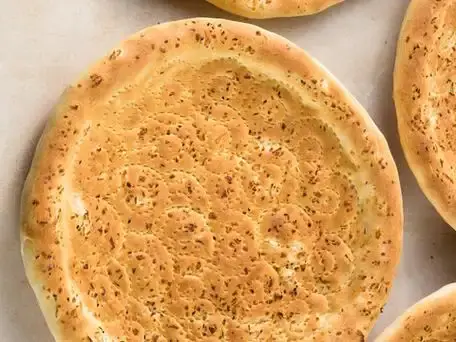
6. Sesame Naan: The Timeless Classic Choice
Sesame naan can be considered the sibling of onion naan, almost always found side by side in Xinjiang’s naan bakeries. Before baking, sesame seeds are brushed onto the dough. The finished sesame naan boasts a golden crust adorned with intricate patterns, while the scattered sesame seeds add an extra touch of alluring charm.
IV. The Art of Naan Production: A Perfect Fusion of Traditional Craftsmanship and Modern Innovation
1. Traditional Tandoor Baking
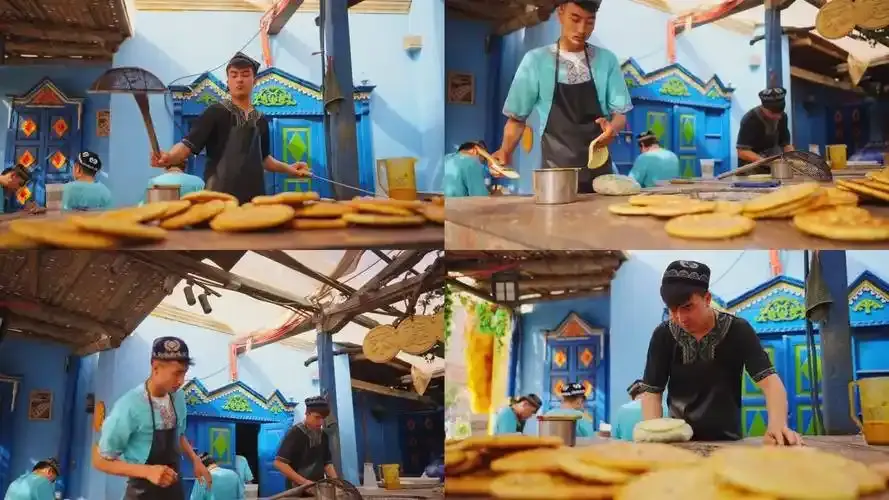
Naan production primarily takes place within specially constructed tandoor ovens. These ovens are typically built using sheep’s wool and clay, standing approximately one metre tall with a wide base and narrow opening, resembling an inverted water jar. Before baking, charcoal or coal is burned at the pit’s base. Once the flames subside and the walls become intensely hot, rolled dough discs are affixed to the interior surface. They bake to perfection within ten minutes.
2. Modern Production Techniques
With the growth of the naan industry, modern production methods continue to innovate. Multiple naan cultural industrial parks have been established across Xinjiang, adopting an ‘industry + tourism + culture’ model to achieve standardised, large-scale production.
3. Detailed Steps for Making Nang
Kneading: Combine flour, water, salt, yeast, and other ingredients, kneading into a smooth dough.
Fermentation: Allow the dough to ferment thoroughly, adjusting time based on temperature and humidity.
Shaping: Divide the fermented dough into portions, roll into rounds, and place on a naan pillow.
Poking Patterns: Use a naan needle to poke various patterns into the dough, enhancing both appearance and even heat distribution.
Baking: Press dough pieces against the preheated oven wall and bake for 10-15 minutes
Brushing: Once baked, brush the surface with vegetable oil to enhance shine and aroma
4. Distinctive Technique: The Layered Secret of Katma Naan
The production method for Katma Naan (layered naan) is particularly unique. It employs a layer-by-layer method of oil application: the dough is brushed with clarified butter, rolled up, then flattened into a naan base, resulting in a flaky, tender texture when baked. This naan is both crisp and fragrant, offering the aroma of scallion pancakes alongside the chewiness of traditional naan. Crucially, as it is baked rather than fried, it remains entirely free of greasiness.
V. Ways to Enjoy Naan and Pairings: From Simple Staple to Creative Cuisine
1. Traditional Methods
Eaten Plain: Freshly baked naan boasts a crisp exterior and soft interior, exuding a rich wheat aroma – the simplest way to savour it.
Soaked in Tea: A popular rural practice in Southern Xinjiang involves tearing naan into small pieces and soaking them in tea until softened before eating.
With Milk Tea: A favourite in northern pastoral regions, pairing naan with savoury milk tea, where the salty-sweet tea complements the wheat’s natural aroma.
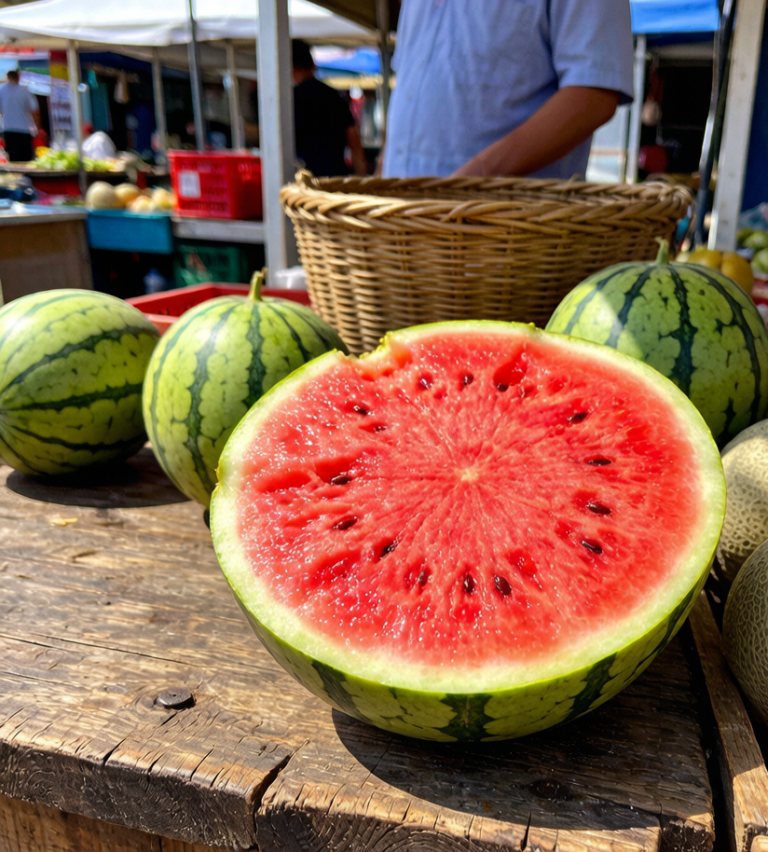
With Melons and Fruits: Xinjiang, famed as a land of melons and fruits, has seen locals innovate a method—eating naan with watermelon or muskmelon. Alternating bites of fruit and naan provides both refreshment and sustenance.
2. Creative Pairings
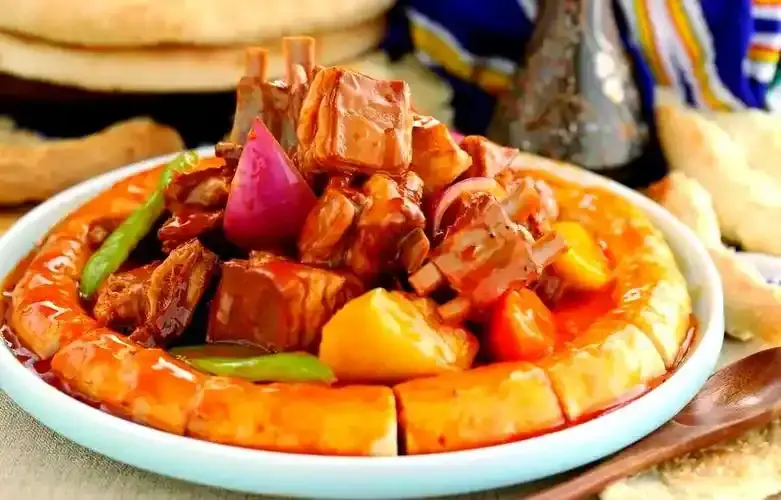
Naan-wrapped meat: Place stewed lamb on naan; the juices seep into the bread for a distinctive flavour.
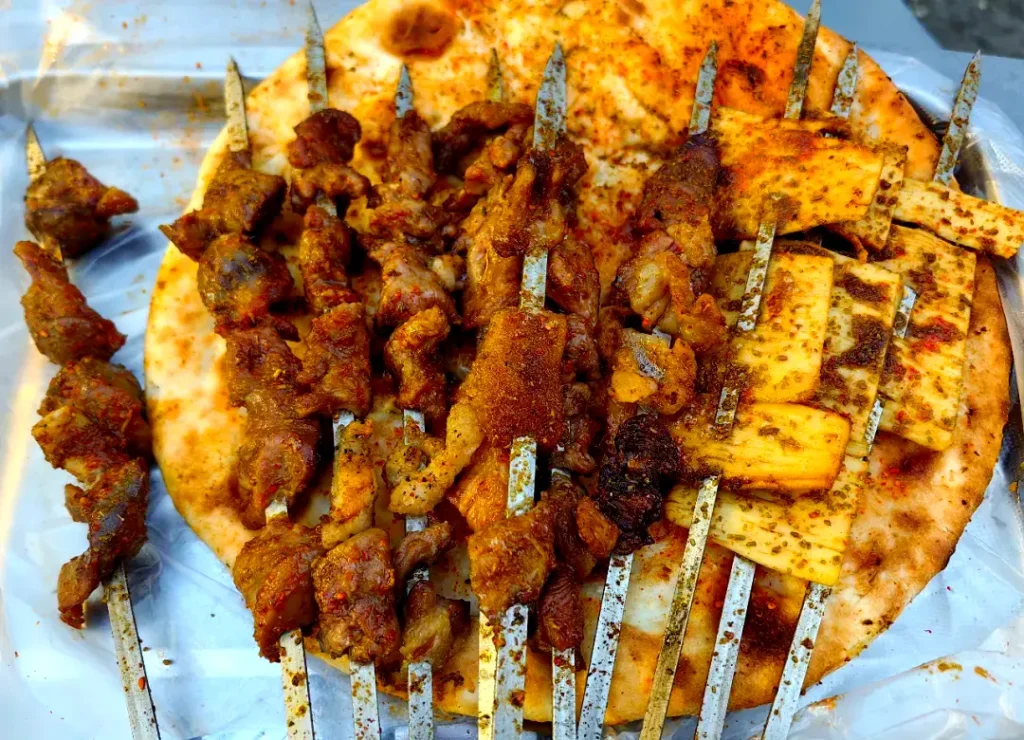
Stir-fried naan with grilled meat: Cut naan into small pieces and stir-fry with grilled meat; the naan absorbs the meat juices for enhanced taste.
Naan Pizza: A modern twist, layering cheese, vegetables, and meat atop naan before baking into a Chinese-style pizza.
Mooncake Naan: Combining traditional mooncakes with naan creates a festive treat infused with regional character.
3. Special Occasion Traditions
Wedding Saltwater Naan: During Uyghur wedding ceremonies, a young woman presents a tray bearing a bowl of saltwater with two small naan pieces submerged. The bride and groom vie to retrieve the naan from the bowl; whoever succeeds first is deemed most devoted to their love.
Hospitality Ritual: Uyghurs regard baked naan as an auspicious token and symbol of happiness. When a suitor proposes to a young woman’s family, the traditional gift exchange includes cloth, salt, sugar cubes, and five naan.
VI. Nutritional Value and Advantages of Naan: The Perfect Food – Healthy, Portable, and Versatile
1. Rich Nutritional Value
The primary ingredient of naan is high-quality wheat flour, rich in carbohydrates, protein, dietary fibre, and various vitamins and minerals. Depending on the variety, naan may also contain ingredients such as sesame seeds, onions, eggs, milk, lamb, and walnuts, further enhancing its nutritional profile.
2. Long Shelf Life and Portability
Naan’s foremost advantage lies in its exceptional storage durability. Due to significant moisture evaporation during baking, naan possesses very low water content. In Xinjiang’s arid climate, it can be stored for ten days to a fortnight without spoiling. Oil-infused naan (made by kneading dough with edible oil) can even last approximately one month. Even when dried out, it remains delicious when rehydrated with water, making naan an ideal travel food.
3. Catering to Diverse Dietary Needs
Vegetarians: Opt for plain naan without animal fats or vegetable-infused varieties
Health-conscious individuals: Multigrain naan (sorghum, corn) rich in dietary fibre
Children: Sweet naan or milk naan offer soft textures and ample nutrition
Travellers: Oil naan and layered naan boast excellent shelf life and portability
4. Cost-effective
Compared to other staples like bread, naan offers exceptional value. A standard naan typically costs between 3-10 RMB, yet provides substantial energy and satiety.
VII. The Cultural Significance and Customs of Naan: A Cultural Symbol Transcending Food
1. The Core of Daily Life
A Uyghur proverb states, ‘One day without naan is unthinkable,’ highlighting its central role in Uyghur cuisine. Whether in daily family meals or festive celebrations, naan remains an indispensable staple.
2. A Vehicle for Social Etiquette
Naan plays a vital role in social interactions among all ethnic groups in Xinjiang. Neighbours customarily exchange naan, fostering a community culture of ‘sharing naan together.’ When receiving guests, hosts invariably serve naan as a gesture of warm hospitality.
3. Dietary Taboos and Etiquette
Specific etiquette governs naan consumption: it must be broken into small pieces and eaten using both hands. Consuming it whole is considered lacking in refinement. This custom embodies cultural values of sharing and respect.
4. Industry and Employment
The naan industry plays a vital role in Xinjiang’s economic development. Kashgar Prefecture currently hosts 196 enterprises related to naan production, with a daily output exceeding 3.35 million naan and an annual output value reaching 2.4 billion yuan. Plans are in place to generate employment for 50,000 people by 2022. The thriving naan industry has also effectively promoted agricultural restructuring, boosting the production and sales of agricultural by-products such as maize and rye, and significantly enhancing the comprehensive industrial capacity of the Xinjiang region.
VIII. Guide to Purchasing and Savouring Naan
1. Where to Find Authentic Xinjiang Naan
Traditional Naan Bakeries: Traditional naan bakeries can be found on streets and alleys throughout Xinjiang, baking and selling fresh naan on the spot, filling the air with its enticing aroma.
Bazaars (Markets): At traditional markets such as the Kashi Grand Bazaar and the Urumqi International Grand Bazaar, you can discover a variety of distinctive naan specialities.
Naan Cultural Industrial Parks: Venues like the Ürümqi Naan Cultural Industrial Park and Kashgar Naan Industrial Park not only offer diverse naan varieties but also provide opportunities to observe the baking process and learn about naan culture.
Supermarkets and Speciality Shops: Packaged naan is also available in large supermarkets and tourist souvenir shops, making it an ideal gift.
2. How to Select Quality Naan
Appearance: Golden-brown and evenly baked surface with distinct patterns, free from scorching.
Aroma: Rich wheat fragrance with complementary seasoning notes, no rancid odour.
Texture: Crisp exterior with soft interior, neither overly hard nor excessively soft.
Taste: Layered texture when chewed, with a sweet aftertaste.
3. Storage and Consumption Recommendations
Short-term storage: Place in a food bag; keeps for 3-5 days at room temperature.
Long-term storage: Store in the freezer compartment; keeps for 1-2 months. Reheat in an oven or frying pan before eating to restore texture.
Consumption tips:
Freshly baked naan is best, with a crisp exterior and soft interior.
Hardened naan can be steamed to soften or soaked in tea or soup before eating.
Naan can be cut into small pieces for salads or stews
4. Special Notes for International Visitors
Flavour Selection: Beginners should start with plain or sesame naan, gradually trying specialities like sunflower seed naan or rose jam naan
Pairing Suggestions: Try naan with Xinjiang milk tea or yoghurt for the most authentic experience
Cultural Experience: If possible, observe the naan-making process or even try your hand at kneading dough yourself
Purchasing Advice: When taking naan home as gifts, opt for vacuum-sealed packaging for extended shelf life
Xinjiang naan is not merely a foodstuff, but a living history of the Silk Road and a cultural legacy spanning millennia. From the wheel-sized “King of Naan” in Kuche to the rose-petal jam-filled naan of Hotan, fragrant with floral notes; from the wholesome sorghum naan of Turpan to the snow-water-baked wowo naan of Atushi – each variety narrates tales of Xinjiang’s diverse regions, embodying the wisdom and sentiments of its people.
Tips for Foreigners Tasting Naan:
Best Tasting Time: Freshly baked naan is most delicious, with a crisp exterior, soft interior, and rich wheat aroma.
Storage Method: Keeps for several days at room temperature; freezes for longer storage. Reheating enhances texture.
Recommended Pairings: Traditionally served with milk tea or plain tea. Modern innovations include naan wraps with meat or stir-fried naan with grilled meat.
Cultural Considerations: Remember to break naan into small pieces when eating, as this is fundamental etiquette in Xinjiang culinary culture.
Purchasing Guide: Select based on taste preferences. Those with a sweet tooth may try rose jam naan, while savoury enthusiasts might opt for piyaqi naan.
Nutritional Value: Multigrain naan is rich in dietary fibre, making it an excellent choice for a healthy diet.
When you visit Xinjiang, do step into a traditional naan bakery. Watch as golden naan is lifted from the tandoor oven, breathe in the air filled with the fragrance of wheat, and savour this Silk Road delicacy, a culinary tradition spanning over two millennia. Each bite of naan offers an immersion into Xinjiang’s profound culture; with every chew, you’ll sense the warmth and ingenuity of the people who call this land home. Xinjiang naan awaits your discovery and enjoyment.
-
When is the best time to visit?
The best time to visit Xinjiang is from May to October, with July and August being the peak season.
-
Do I need a permit to visit this area?
Most tourist areas in Xinjiang do not require special permits. Check specific destination requirements before traveling.
-
How do I get to this destination?
You can reach most destinations by flight to major cities like Urumqi, then by car, bus, or train.
-
What should I pack for my trip?
Pack layers for temperature changes, sun protection, comfortable shoes, and any personal medications.