Why Your Next Journey Should Be to Xinjiang
Last updated: July 15, 2026 · Written by Karl Huang, a Xinjiang travel specialist who has spent time across the region. Practical details are cross-checked against official tourism, transport, and border-regulation sources.
Unlocking the Ultimate Xinjiang China Travel Experience
If you seek a destination that simultaneously satisfies your yearning for majestic landscapes, profound history, and exotic cultures, planning an Xinjiang China Travel expedition is the perfect answer. Xinjiang, China’s largest provincial-level administrative region by land area, is not merely a geographical concept but a vast world brimming with endless tales. From the emerald lakes of the Altai Mountains to the golden dunes of the Taklamakan Desert, from ancient Silk Road caravanserais to the felt yurts of modern nomads, every turn here promises fresh wonder. This guide serves as your comprehensive roadmap to planning the perfect Xinjiang China Travel journey, covering must-see attractions, authentic cuisine, and essential self-drive tips.
Part One: Reshaping Your Travel Perceptions – Why Choose Xinjiang?
A successful journey through Xinjiang begins by shattering preconceptions. This region offers far more than a singular landscape or culture. Instead, it presents a captivating layering of multiple worlds. For travellers craving profound exploration and authentic experiences, Xinjiang offers unparalleled diversity: within a single day, you might journey from the glaciers of the Pamir Plateau, thousands of metres above sea level, to the Flaming Mountains basin in Turpan, lying below sea level. This extreme contrast is part of the adventure itself. Your Xinjiang China Travel narrative will be woven with epic geographical chapters and heartwarming human vignettes.
Part Two: Beyond the Attractions Checklist – Regional Decoding and Immersive Experiences
Reasonable regional division forms the cornerstone of planning Xinjiang China Travel itineraries. Xinjiang can broadly be divided into Northern Xinjiang, Southern Xinjiang, and Eastern Xinjiang, each possessing distinctly different character.
1. Northern Xinjiang: Nature’s Palette and the Nomadic Spirit
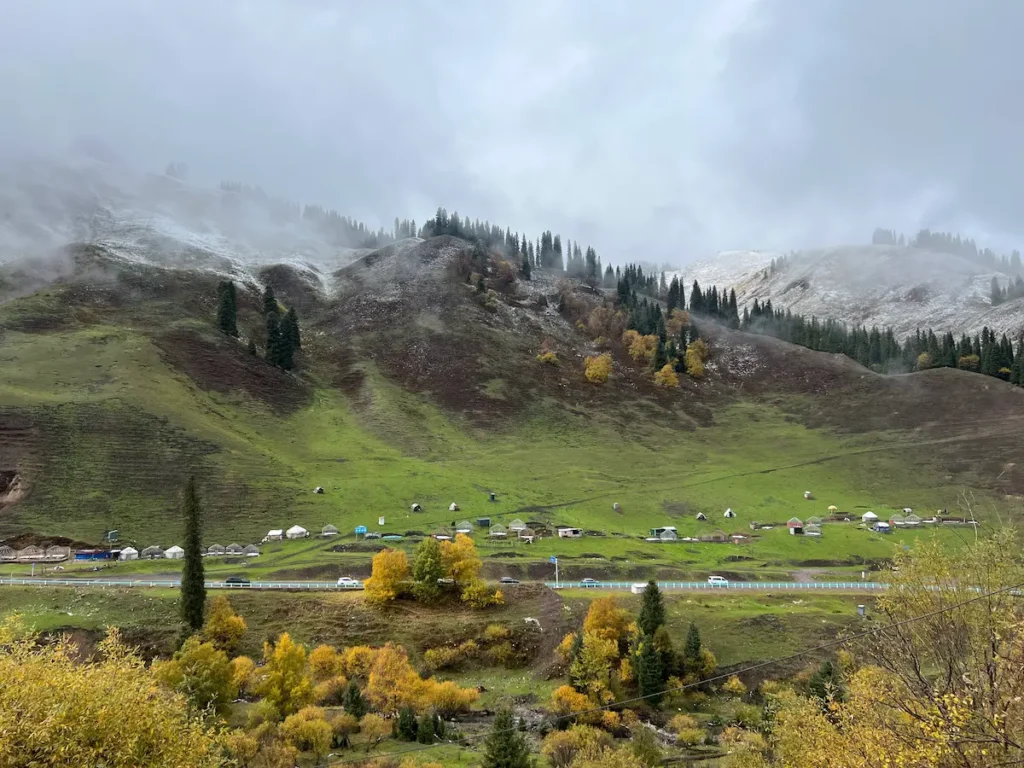
Northern Xinjiang is a paradise for photographers and nature enthusiasts. Its core allure lies in the breathtaking landscapes that transform with the seasons.
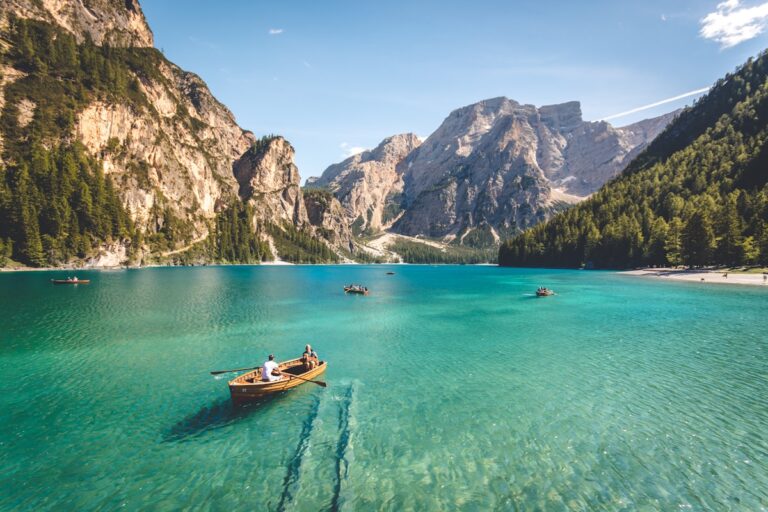
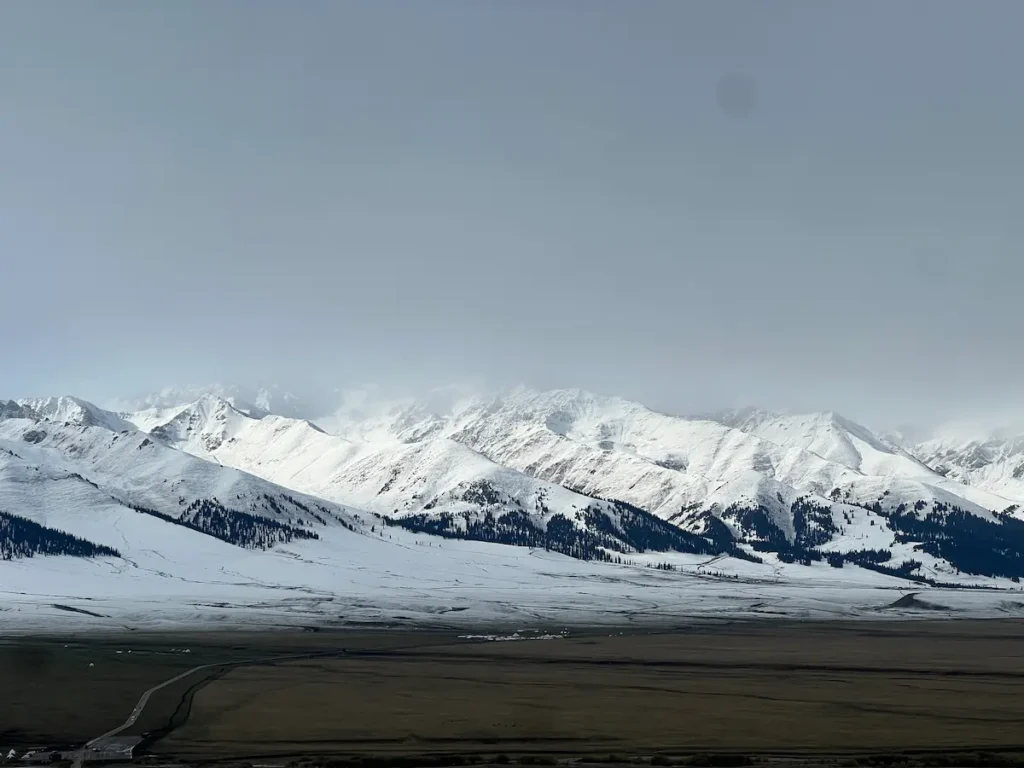
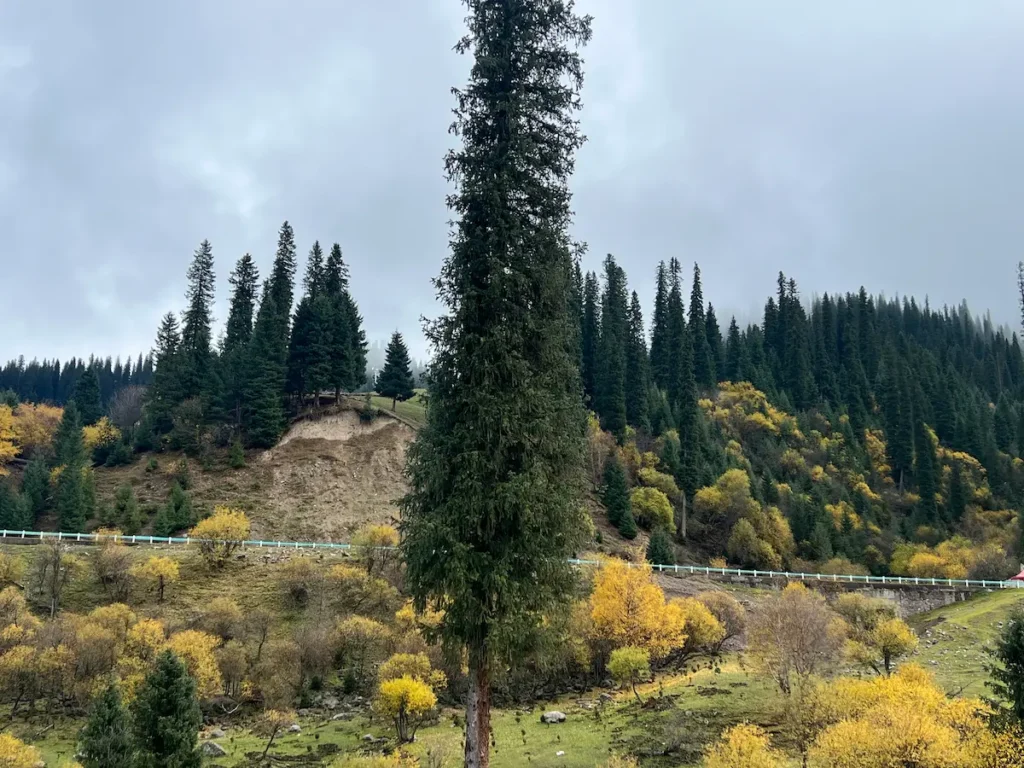
Visual Highlights: Autumn in Kanas and Hemu Village represents an unmissable pinnacle. Yet summer in the Ili River Valley (Nalati, Karajun, Zhaosu) unfurls a carpet of verdant greenery and floral seas. The azure expanse of Sayram Lake, framed by perpetually snow-capped peaks, composes an eternal tableau.
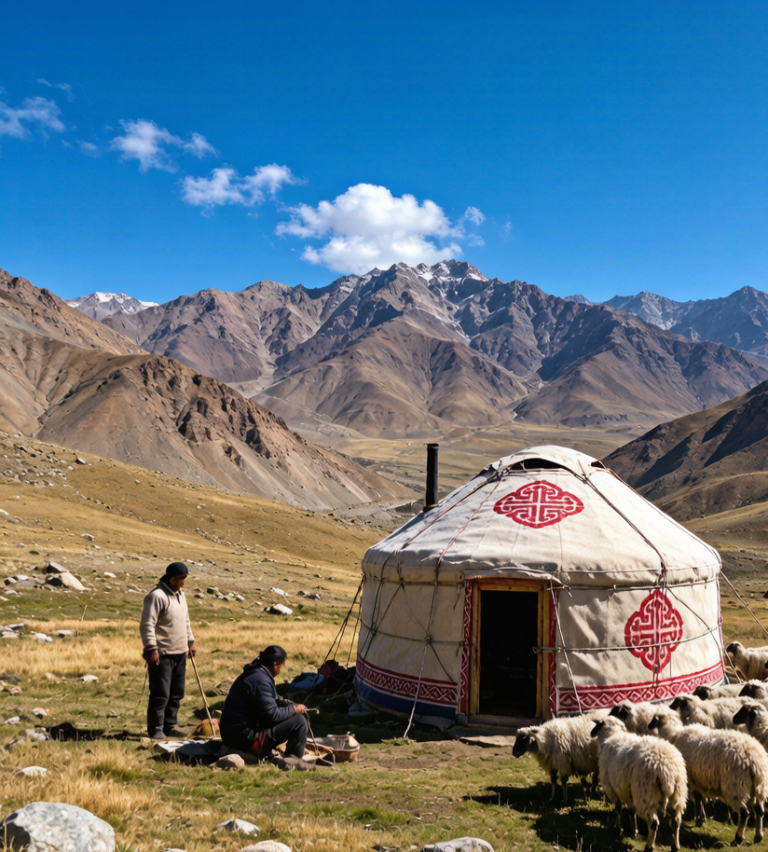
Unique Experiences: Spend a night in a Tuvan log cabin in Kanas or Hemu, witnessing morning mists and cooking smoke; join Kazakh herders on a horseback trek across the Ili grasslands. Such immersive local experiences embody the very essence of Xinjiang China Travel.
2. Southern Xinjiang: Cultural Crossroads of Asia’s Heartland
Southern Xinjiang embodies the soul of the region, a living museum along the Silk Road. Your Xinjiang China Travel journey remains incomplete without exploring this southern realm.
Cultural Heart: Kashgar’s Old City is an eternally breathing labyrinth. Here, travel is not merely “observing” but “immersing”. Share a pot of tea with locals in century-old teahouses, witness copperware take shape under artisans’ hands in craft streets—time seems to slow here.
Ultimate Road Trips: Traverse the Pamir Plateau to Tashkurgan, facing the ‘Father of Ice Mountains’ Muztagata along the way, and visit warm-hearted Tajik families for a world-class scenic highway experience. The desert highway traversing the ‘Sea of Death’ – the Taklamakan – offers a philosophical odyssey through desolation.
3. Eastern Xinjiang: Flames and Civilisation’s Memory
Centred on Turpan, Eastern Xinjiang reveals humanity’s survival wisdom in extreme environments.
Key Highlights: Explore the ancient karez irrigation system, rivalling the Great Wall and Grand Canal in significance. Feel the legends of Journey to the West at the foot of the scorching Flaming Mountains, then savour sweet melons and fruits in the cool shade of Grape Valley. The ruins of Jiaohe and Gaochang ancient cities whisper tales of past splendour amidst the barren landscape, adding layers of historical depth to your Xinjiang China Travel experience.
Part Three: Intelligent Itinerary Planning – Travel Blueprints from 7 to 21 Days
The duration of your Xinjiang China Travel determines the depth of your experience. Below are classic route concepts tailored for different holiday lengths:
Essential Discovery (7–10 days):
Ideal for travellers with limited time. Focuses on Northern Xinjiang: Ürümqi – Keketuohai – Burqin – Kanas & Hemu – Shamo Devil’s City – Sayram Lake – Yining (return journey). This itinerary concentrates on lakes, forests, grasslands, and Yadan landforms.
In-Depth Loop (14–16 Days):
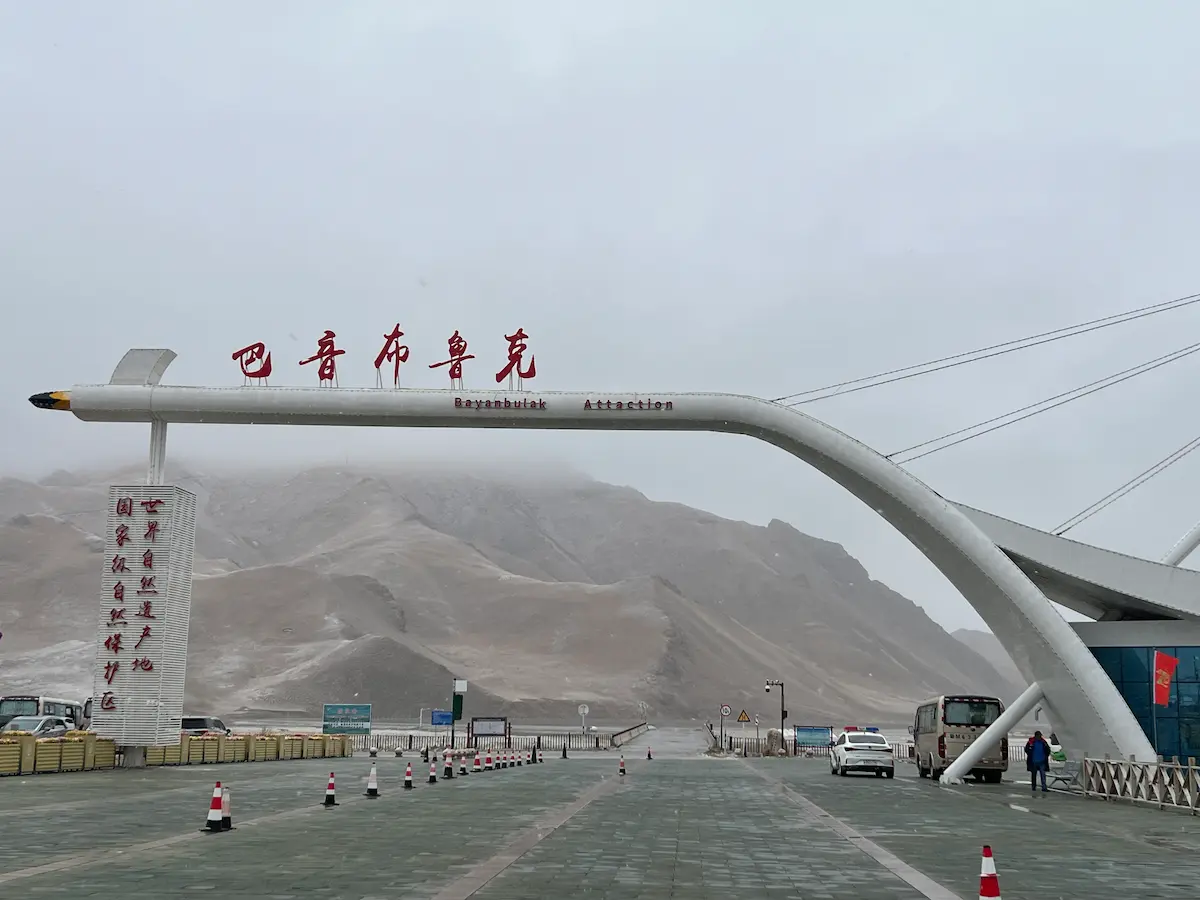
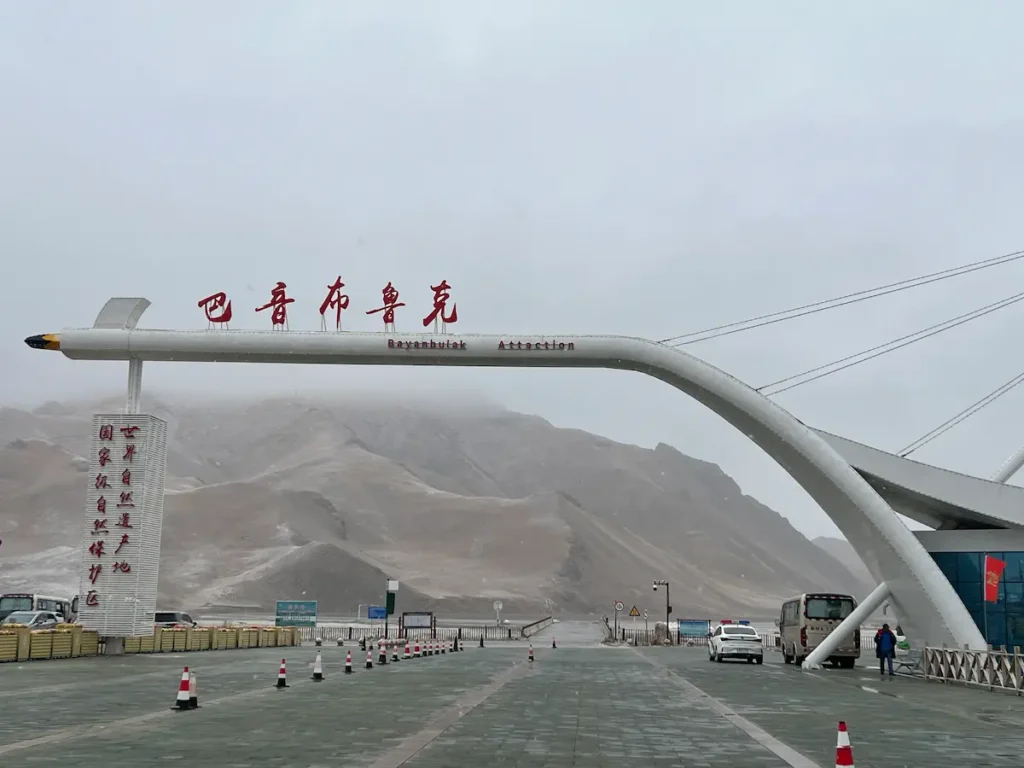
The most comprehensive classic Xinjiang China Travel route. Connecting Northern and Southern Xinjiang: Ürümqi – Tianshan Tianchi Lake – Keketuohai – Kanas – Urumqi Devil’s City – Sayram Lake – Yili – Northern Section of Duku Highway – Bayinbuluke – Southern Section of Duku Highway – Kuche – Aksu – Kashgar – Taxkorgan (Pamirs) – Shache – Hotan – Desert Highway – Korla – Ürümqi. This route encompasses virtually all core landscapes but demands considerable time and stamina.
Themed Experiences (10-12 days):
Cultural Exploration Route: Fly direct to Kashgar for an in-depth tour of the Old City, Shache, and the Pamir Plateau in Taxkorgan County, immersing in the purest Uyghur and Tajik cultures.
Self-Drive Adventure Route: Focus on traversing the entire Duku Highway, Yizhao Highway, and S101 National Defence Highway, fulfilling every road-trip enthusiast’s fantasy.
Part Four: The Silk Road of Flavours – An In-Depth Guide to Xinjiang Cuisine
Cuisine is an indispensable sensory feast in Xinjiang China Travel. Approach it with an open mind:
A Feast of Carbohydrates and Meat: Hand-pulled rice is a festive staple, where saffron-infused rice, lamb, and rich fats create a perfect pairing. Stirred noodles (latiuzi) boast a wonderfully chewy texture, while toppings like deep-fried meat and wild mushrooms offer dazzling variety. Freshly baked samsa pastries, crispy and piping hot, make the perfect street snack.
Beyond the “Skewered Lamb” Barbecue Universe: Beyond the classic tamarisk-grilled meat, you must try naan pit meat (large chunks of meat slow-roasted in a naan pit), whole roasted lamb (the ultimate gesture of hospitality), and perhaps unexpectedly, grilled eggs and fish.
Essential drinks and desserts: Salted milk tea fuels the pastoral lifestyle; handmade ice cream (marzipan flavour) is ubiquitous in Kashgar’s old town; summer’s watermelons, grapes and Hami melons deliver sweetness beyond imagination.
Part Five: Driving Through Xinjiang – Ultimate Freedom and Complete Preparation
Self-driving is the finest way to realise your Xinjiang China Travel dream, yet demands meticulous planning.
Golden Rules:
Distance Awareness: Xinjiang’s vastness exceeds imagination. Daily drives of four to five hundred kilometres are commonplace; plan judiciously to avoid fatigue driving.
Vehicle Selection:
A dependable SUV (such as Toyota Prado or Tank 300) is essential for tackling challenging terrain. Comprehensive insurance coverage is mandatory.
Complete Documentation:
Beyond ID cards and driving licences, travellers planning to visit Tashkurgan County (Pamir Plateau), Baihabah Village, or similar locations must obtain a Border Management Area Pass.
Practical Safety Tips:
- Refuelling: All passengers must exit the vehicle and present their ID cards while waiting outside when entering a petrol station. The driver alone may enter to refuel using a card. Fill the tank whenever possible, particularly on desert roads and in remote areas.
- Speed Limits & Checks: Strictly adhere to speed limits, as sectional speed monitoring is common. Cooperate proactively with police checkpoints along the route.
- Weather and Road Conditions:Mountain weather is highly variable; sections like the Duku Highway may close temporarily due to conditions. Always check the latest road conditions before departure and on the day of travel.
- Provisions:Keep ample supplies of water, naan bread or snacks in the vehicle, along with clothing suitable for significant temperature fluctuations between day and night.
Part Six: Practical Tips for a Flawless Journey
Best Travel Periods:
May-June and September-October are the prime seasons for exploring all of Xinjiang, offering pleasant weather and spectacular scenery. July-August marks peak season in Northern Xinjiang, though crowds are substantial; Southern Xinjiang is warmer during this time, but melons and fruits are at their sweetest.
Pre-Departure Preparations:
Even in summer, pack a windbreaker or lightweight down jacket (mountain nights can be chilly). Sunscreen, sunglasses, lip balm, and moisturising skincare are essential. We recommend purchasing travel insurance covering acute illness treatment and emergency rescue.
Cultural Etiquette:
Xinjiang is home to multiple ethnic minorities; please maintain respect. Dress appropriately when entering mosques (avoid shorts, tank tops, or short skirts). Do not take close-up photographs of locals’ faces without permission. When visiting Muslim households, observe dietary restrictions.
Conclusion: Set off on Your Legendary Journey
A profound journey through Xinjiang, China, transcends mere geographical traversal; it is an immersion from sightseeing into daily life. It demands your time and patience for long-distance travel, yet rewards you with unforgettable expansive memories, heartwarming encounters, and profound spiritual resonance. This land has the power to redefine anyone’s conventional understanding of the word “travel”.
Begin planning now! Research routes, determine the season, and connect with a reputable local travel agency or car hire company to prepare for this ultimate adventure into Asia’s heartland. Your Xinjiang story awaits to be written.
-
When is the best time to visit?
The best time to visit Xinjiang is from May to October, with July and August being the peak season.
-
Do I need a permit to visit this area?
Most tourist areas in Xinjiang do not require special permits. Check specific destination requirements before traveling.
-
How do I get to this destination?
You can reach most destinations by flight to major cities like Urumqi, then by car, bus, or train.
-
What should I pack for my trip?
Pack layers for temperature changes, sun protection, comfortable shoes, and any personal medications.