
Xinjiang on a Budget: How to Travel Well Without Breaking the Bank
Last updated: July 15, 2026 · Written by Karl Huang, a Xinjiang travel specialist who has spent time across the region. Practical details are cross-checked against official tourism, transport, and border-regulation sources.
| Best time | Shoulder seasons (Apr–May, Sep–Oct) are both pleasant and cheaper. |
|---|---|
| How long | 7–14 days; longer lowers daily cost. |
| Difficulty | Moderate — distances are large but budget options exist. |
| Cost level | Budget-friendly: ~¥200–450/day backpacker; ¥150–350/day ultra-low. |
| Save on | Local buses over flights, guesthouses over hotels, bazaar food over restaurants. |
| Don’t miss | Northern nature, Southern culture, and Eastern oasis highlights. |
Discover the Natural Wonders, Culture and Adventure at the Heart of the Silk Road
Xinjiang, the jewel of China’s northwest, is a land steeped in legend. Not only was it the pivotal hub of the ancient Silk Road, but it remains a kaleidoscope of geography and culture – from towering snow-capped mountains to vast deserts, from pastoral steppe ballads to millennia-old cities, diverse ethnic groups coexist here in harmony. The Ultimate Guide to Xinjiang Travel systematically unveils the region’s boundless allure, providing a clear roadmap to help you plan a safe, immersive and unforgettable Silk Road expedition.
I. Why Choose Xinjiang? An Irreplaceable Travel Experience
Xinjiang’s uniqueness lies in its extreme contrasts and harmonious fusion. Here, one may experience the changing seasons within a single day, while journeying through the vibrant cultures of the Uyghur, Kazakh, Kyrgyz, Mongolian, and Tuvan peoples. For travellers seeking magnificent landscapes, profound cultural immersion, and authentic adventure, Xinjiang offers unparalleled richness and depth.

II. Core Regions and Must-See Highlights: Xinjiang’s Three Distinct Faces
Xinjiang’s vast expanse can be broadly divided into three distinct regions, each offering unique landscapes. We recommend exploring these areas in depth.
1. Northern Xinjiang: Nature’s Symphonic Poem
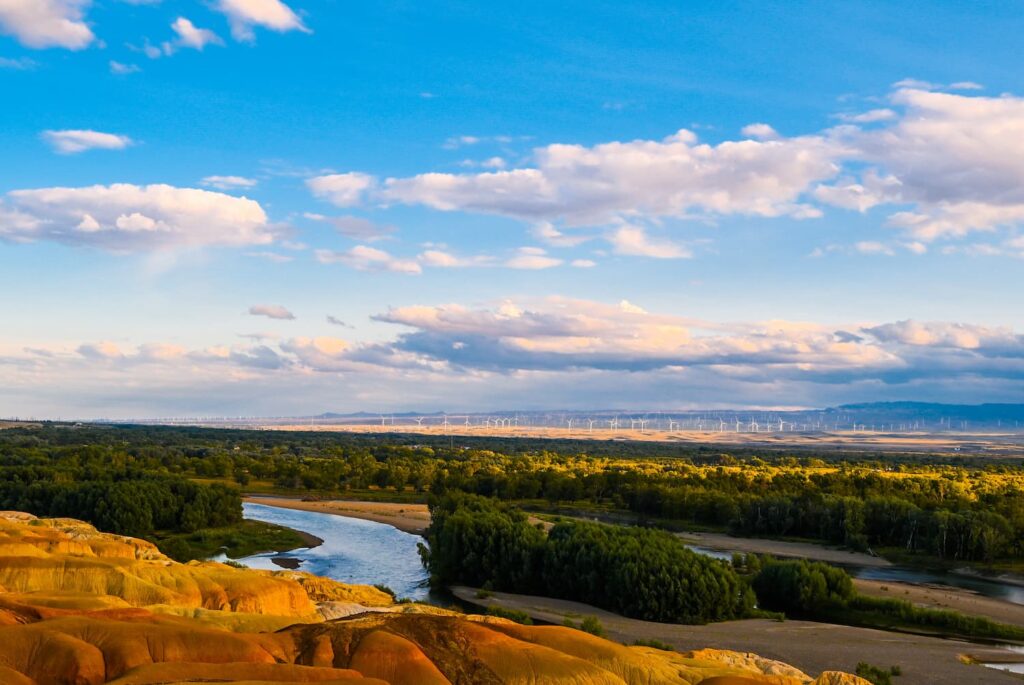
Northern Xinjiang encapsulates the essence of the region’s natural beauty, renowned for its mountains, lakes, forests, and grasslands. The scenery is both gentle and majestic.
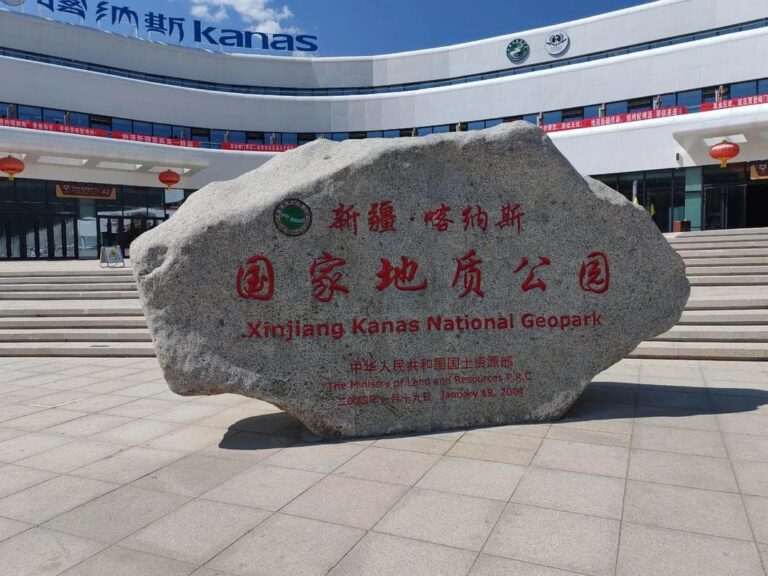
Kanas Lake Region: Hailed as ‘God’s Back Garden’. Autumn transforms it into a vibrant tapestry, resembling an oil painting. The focus extends beyond Kanas Lake’s colour-changing spectacle to exploring the lakeside villages of Hemu and Baihabah, home to the Mongolian Tuvan people. Primitive wooden huts, morning mists and wisps of cooking smoke create dreamlike scenes.
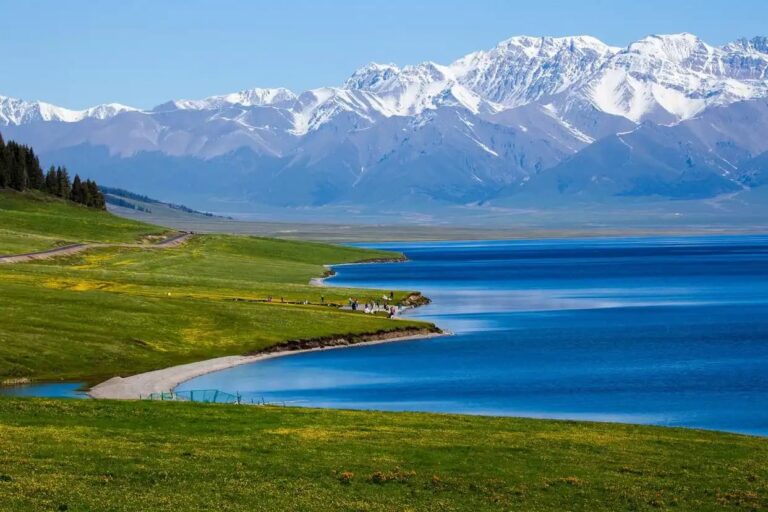
Ili River Valley: Summer’s ‘Jiannan Beyond the Frontier’. The Nalati and Karajun grasslands are quintessential ‘sky meadows’, blanketed in wildflowers where one may experience the equestrian lifestyle of Kazakh herders. Lake Sayram, like a sapphire set at the foot of the Tianshan Mountains, is hailed as ‘the last tear of the Atlantic’.
Duku Highway: A legendary route where the journey itself is the ultimate destination. Spanning 561 kilometres, it connects Dushanzi in Northern Xinjiang with Kuqa in Southern Xinjiang, traversing the heart of the Tianshan Mountains. Along the way, one can witness gorges, snow-capped peaks, grasslands, and lakes, experiencing the awe-inspiring phenomenon of ‘four seasons in a day, ten miles with ten different skies’. Open only from June to October each year, it is a dream road for self-drive enthusiasts.
2. Southern Xinjiang: An Epic of Culture and History
Southern Xinjiang embodies the soul of the region, showcasing rich Uyghur traditions and the profound legacy of the Silk Road.
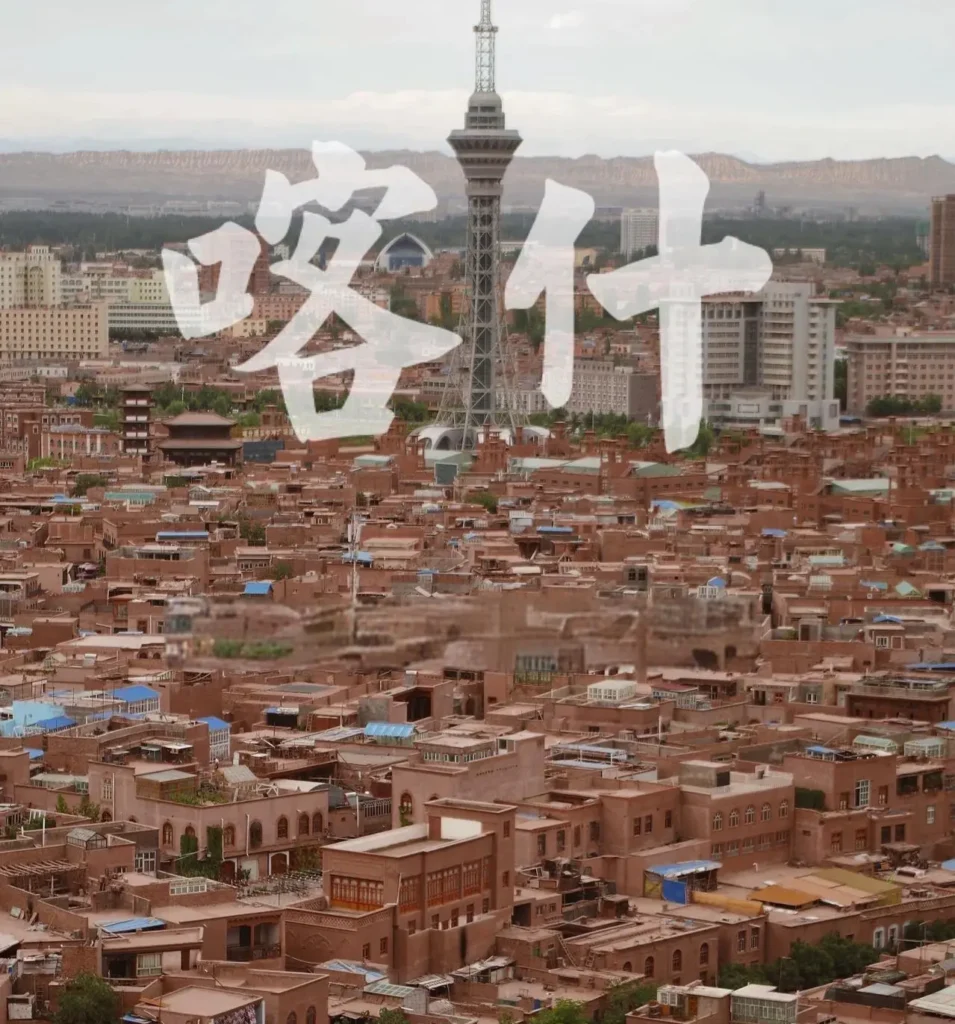
Kashgar Old Town: China’s sole labyrinthine urban district characterised by Islamic culture. This living museum of folk traditions offers the finest way to feel its pulse: savour tea in century-old teahouses, lose yourself in maze-like alleyways, and observe artisans crafting earthenware and copperware. The adjacent Id Kah Mosque stands as its central landmark.
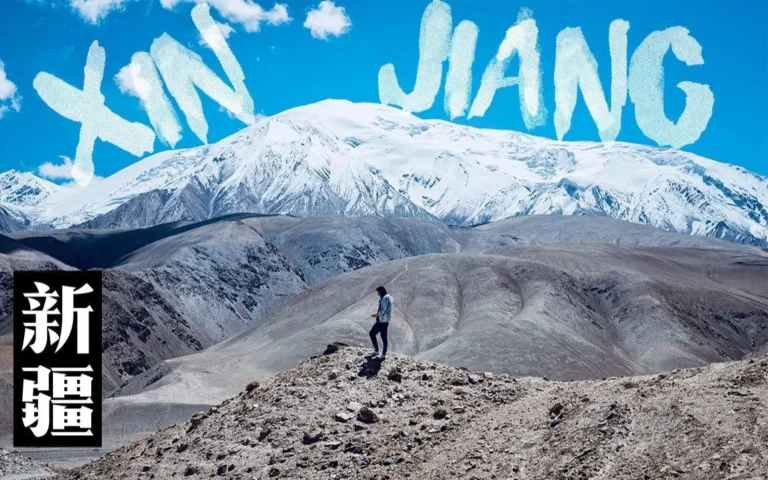
Pamir Plateau: Journey along the China-Pakistan Friendship Highway towards the ‘Roof of the World’. Behold the perpetually snow-capped Muztagata Peak, the profound Karakul Lake, and the simple villages of the Tajik people. Here, the landscape is starkly magnificent, and the culture uniquely distinct.
Taklamakan Desert and Desert Highway: Traversing the world’s second-largest shifting desert offers an unparalleled experience. Travelling along the straight desert highway flanked by endless sand seas, one witnesses both the marvels of human engineering and nature’s vast power. In autumn, the poplar forests of Luntai blaze with brilliant gold, their resilience deeply moving.
Kizil Thousand Buddha Caves: A good sign of Buddhism’s eastward transmission along the Silk Road. Its mural artistry blends diverse cultures, predating the renowned Mogao Caves of Dunhuang. An essential stop for serious history and culture enthusiasts.
3. Eastern Xinjiang: Legends of Flames and Oases
Turpan: Renowned for its heat, yet brimming with ingenuity. Explore the Flaming Mountains from Journey to the West, marvel at the ancient irrigation marvel of karez wells—rivalling the Great Wall and Grand Canal in significance—and savour sweet melons beneath the shade of Grape Valley. The ancient city of Jiaohe stands as the world’s largest, oldest, and best-preserved earthen architecture complex, its desolate ruins leaving a profound impression.
III. Classic Itinerary Planning (7–14 Days)
A. Northern Xinjiang Natural Scenery Loop (Recommended 8–10 Days)
Suitable Season: June–September
Route: Urumqi → Tian Shan Heavenly Lake → Keketuohai → Burqin → Kanas Lake & Hemu Village → Urumqi Devil’s City → Sayram Lake → Yining & Nalati Grasslands → Return to Urumqi via northern section of Duku Highway.
Highlights: Comprehensively experience Northern Xinjiang’s core lakes, forests and grasslands whilst traversing sections of the Duku Highway.
B. In-Depth Cultural Loop of Southern Xinjiang (Recommended 12-14 days)
Suitable Season: April-May, September-October
Route: Ürümqi (by flight) → Kashgar (extensive exploration of Old Town, Fragrant Concubine Garden, Grand Bazaar) → Taxkorgan (Pamir Plateau, Muztagata Peak, Stone City) → Shache/Yecheng → Hotan (Jade Bazaar, Aydelis Silk Workshop) → Cross the Taklamakan Desert Highway → Kuche (Kizil Thousand Buddha Caves, Kuche Grand Mosque) → Korla → Return to Ürümqi.
Highlights: Immerse deeply in Uyghur culture, experiencing the stark contrast between the Pamir Plateau and desert traversal.
C. Comprehensive Grand Loop of Tianshan North and South (Recommended duration: 14+ days)
Suitable season: June–October (subject to Duku Highway opening)
Route: Combines Routes A and B, travelling the full Duku Highway from Ürümqi, linking Nalati and Bayinbulak to Kucha before setting off on the Southern Xinjiang journey. This ultimate itinerary demands considerable time and stamina but offers the most comprehensive experience.
IV. Unmissable Signature Experiences
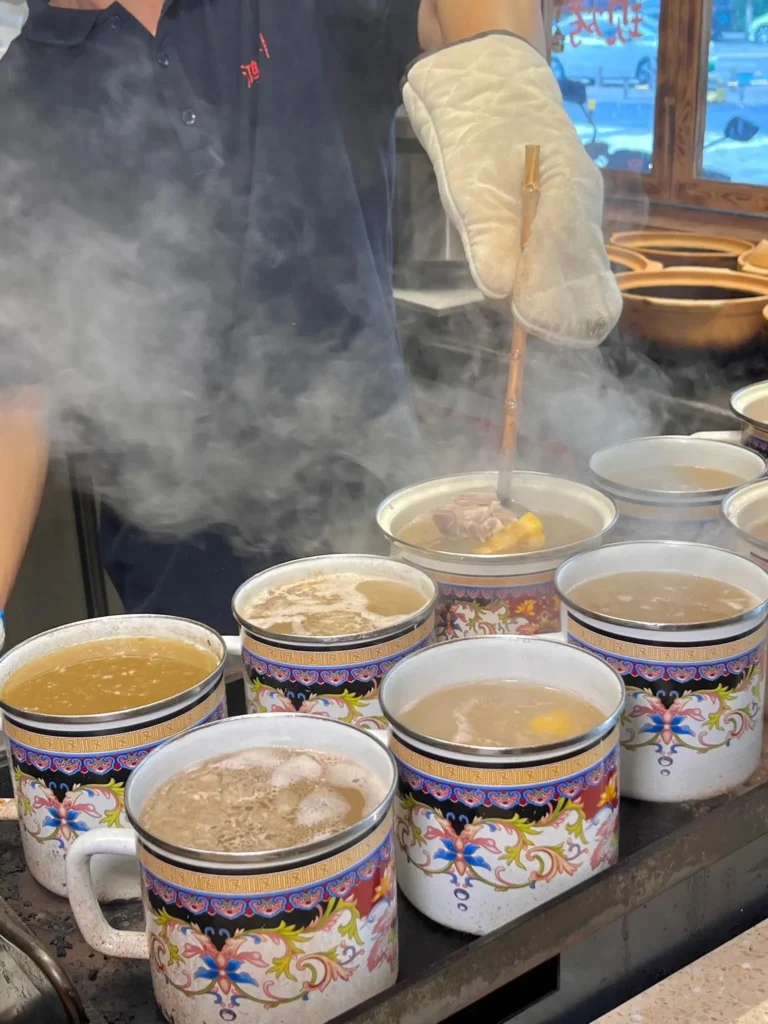
Culinary Journey: Savour grilled lamb skewers, roasted buns and pilaf at night markets; sample authentic pigeon soup in Hotan; enjoy a pot of medicinal tea with nuts at Kashgar’s traditional teahouses; indulge in a fruit feast beneath Turpan’s grape arbours.
Bazaar Shopping Lessons: Learn the art of haggling at Kashgar’s Central Asia International Trade Market, acquiring distinctive crafts like Edles silk, handwoven carpets, Yengisar knives, and Uyghur flower caps.
Homestays & Home Visits: Select a characterful homestay in Hemu, Kanas or Kashgar’s Old Town. Where possible, arrange visits to hospitable local households for shared lunches, offering glimpses into authentic daily life.
Starlit Skies and Morning Mists: Rise early in Hemu Village to witness mist-shrouded Tuvan settlements; spend nights at Sayram Lake or the Pamir Plateau gazing upon the dazzling, pristine Milky Way.
V. Practical Travel Tips
Best times to visit:
May–June: Northern Xinjiang’s grasslands bloom while southern Xinjiang enjoys pleasant weather with fewer crowds.
July–August: Northern Xinjiang’s peak season offers stunning scenery but heaviest tourist traffic; southern Xinjiang experiences intense heat.
September–October: Northern Xinjiang’s Kanas enters golden autumn, its most picturesque season; Southern Xinjiang sees fruit harvests and cooler weather, making it prime time.
Winter (December–February): Visit Altay Prefecture for world-class skiing and unique snow village experiences.
Transportation:
Major Routes: Urumqi Diwopu International Airport serves as the primary gateway. Within Xinjiang, extensive long-distance rail and domestic flight networks facilitate travel.
Local Transport: Hiring a private vehicle or self-driving is highly recommended for maximum flexibility. Selecting an experienced local driver-guide is crucial, as they possess expertise in road conditions, local culture, and optimal viewing points. Advance processing of a Border Management Area Pass is required for certain remote regions (e.g., the Pamir Plateau).
Accommodation and Dining:
Options range from international chain hotels in Ürümqi to distinctive guesthouses in Kashgar, alongside scenic log cabins. Advance booking is essential during peak season.
Xinjiang cuisine centres on richly flavoured mutton, lamb and noodle dishes. Hygiene concerns are generally unfounded; well-frequented eateries are usually reliable. Be sure to sample the diverse local fruit selection.
Cultural Respect and Safety:
Attire: When entering religious sites such as mosques, dress modestly and avoid revealing clothing.
Etiquette: Refrain from taking close-up photographs of locals, particularly women and the elderly, without permission. When visiting Muslim households, observe dietary restrictions (no pork, alcohol, etc.).
Safety: Xinjiang enjoys excellent public security with ample police presence in towns, making it very safe. Primary risks stem from road conditions and changing natural environments during long-distance travel; always follow your guide’s advice.
Budget Recommendations:
Economy: Approximately 300-500 RMB per day (hostels, coaches, simple meals).
Comfort: Approximately 600-1000 RMB per day (comfortable hotels, private/shared hire vehicles, restaurant dining).
Premium Customised: Over 1500 RMB per day (boutique hotels, dedicated 4×4 vehicles and guides, immersive experiences).
Conclusion: Set off on Your Western Regions Odyssey
Xinjiang is not a leisurely holiday destination, but an ultimate destination worthy of exploration and savouring. It demands your time and long journeys, yet rewards you with unparalleled geographical grandeur, echoes of millennia-old history, and a cultural warmth that touches the soul. It will reshape your understanding of China’s diversity.
Act now and begin planning your core Silk Road journey! We recommend scheduling your itinerary 2-3 months in advance, particularly during peak season. Consulting a professional local travel agency to tailor a bespoke route according to your interests and timeframe is key to securing a profound and worry-free experience.
-
Do I need a visa to visit Xinjiang?
Yes, you need a valid Chinese visa. Some areas near borders may require additional permits.
-
What is the best time of year to visit Xinjiang?
The best time is from May to October. July and August are peak season with the best weather.
-
How many days do I need for a Xinjiang trip?
We recommend at least 7-10 days to see the highlights of both northern and southern Xinjiang.
-
Is it safe to travel to Xinjiang?
Yes, Xinjiang is safe for tourists. The region has extensive security measures and low crime rates.